
BuddhistCatholicContemplativeEvangelicalGeneral ChristianHinduJewishLatter-day SaintMuslimNew VisionsProgressive Christian
Beliefs
- Buddhist
- Catholic
- Contemplative
- Evangelical
- General Christian
- Hindu
- Jewish
- Latter-day Saint
- More Voices
- Muslim
- New Visions
- Pagan
- Progressive Christian
Topics
- Religion News
- Food and Religion
- Sports and Religion
- Religious Art
- Religious Music and Entertainment
- Religious Events
- History and Religion
- Style and Religion
- Politics and Religion
- Women in Religion
- Recreation Outdoors and Religion
- Business Finance and Religion
- Careers Workplace and Religion
- Education and Religion
- Family Parenting and Religion
- Health Fitness and Religion
- Home and Religion
- Relationships and Religion
- Technology and Religion
- Travel and Religion
Columnists
- Buddhist Columnists
- Business Finance and Religion Columnists
- Careers Workplace and Religion Columnists
- Catholic Columnists
- Contemplative Columnists
- Education and Religion Columnists
- Evangelists Columnists
- Family Parenting and Religion Columnists
- General Christian Columnists
- Health Fitness and Religion Columnists
- Hindu Columnists
- History and Religion Columnists
- Home and Religion Columnists
- Jewish Columnists
- More Voices Columnists
- Latter Day Columnists
- Muslim Columnists
- New Visions Columnists
- Nonreligious Columnists
- Pagan Columnists
- Politics and Religion Columnists
- Progressive Columnists
- Recreation Outdoors and Religion Columnists
- Relationships and Religion Columnists
- Religion News Columnists
- Religious Art Columnists
- Religious Events Columnists
- Religious Music and Entertainment Columnists
- Sports and Religion Columnists
- Style and Religion Columnists
- Technology and Religion Columnists
- Travel and Religion Columnists
- Women in Religion Columnists
Resource Library
- 2026 Calendar
- Library of World Religions
- The 100 Most Holy Places on Earth
- Patheos Answers
- Podcasts
- Videos
- Faith Leaders Database
- Anglican Episcopalian
- Bahai
- Baptist
- Buddhism
- Christianity
- Confucianism
- Eastern Orthodoxy
- Hinduism
- Holiness and Pentecostal
- ISKCON
- Islam
- Judaism
- Lutheran
- Methodist
- The Church of Jesus Christ of Latter-day Saints
- New Age
- Paganism
- Presbytarian and Reformed
- Protestantism
- Religion Behind the Scenes
- Roman Catholic
- Scientology
- Shia Islam
- Sikhism
- Sufism
- Sunni Islam
- Taoism
- Zen
- See all religions
Research Tools
 Ad-Free & Subscriber Log-In Subscription Support
Ad-Free & Subscriber Log-In Subscription Support
Follow Patheos 

- Trending:
- Forgiveness
- |
- Marriage
- |
- Consciousness
- |
- Death Penalty
- |
- Election
- |
- Halloween
 Unequally Yoked
- Home
- Catholic
- Retronymic Marriage
Retronymic Marriage
Last updated on: November 20, 2012 at 5:10 pm by Leah Libresco
Retronymic Marriage 2012-11-20T17:10:00-05:00 Leah Libresco
Patheos Explore the world's faith through different perspectives on religion and spirituality! Patheos has the views of the prevalent religions and spiritualities of the world.

Temporary marriage (no, not that kind) has been all over the news since some Mexico City lawmakers started pushing for marriage contracts that expire after two years. I don’t know enough about Mexico City politics to guess whether this proposal has a chance of passing or whether it’s a vanity bill, but that doesn’t seem to have stopped the blogosphere from bewailing it as the latest sign of the marriage apocalypse.
Instead of defending marriage, religious leaders should work on defining it. The anti-gay marriage coalition is trying to make the broad, secular definition of marriage fit the strictures and shibboleths of their own faith. Some anti-gay marriage activism is rooted in altruism – they genuinely want people to be part of the ‘highest’ form of marriage, just like they want heathens like me to convert, but most of it seems to be fueled by fear that gay marriage will profoundly alter marriage for everyone.
The more marriage is treated as a unified cultural institution, the more likely that scenario becomes. People have radically different expectations of marriage, but we have no clear way of talking about them and everyone ends up angry that the other side is unfairly appropriating the word. Most of the time, people on either side of the argument can’t even concede that the other side is coherent given its philosophical or metaphysical premises, and the debate gets derailed fast. What we need is a little clarifying balkanization.
Making a clean distinction between certain conceptions of marriage makes every subculture less of a direct threat to each other. That’s not to say they won’t all remain in a high-stakes competition, but they’ll be able to make a clearer pitch for their brand without worrying as much about other frameworks diluting their tradition. They can focus on making a positive case for their take on marriage, instead of playing frantic linguistic defense.

The impetus to fracture marriage can come from church or state. In France, civil unions are defining a new relationship niche that some see as a prelude to true marriage but others see a fully satisfactory arrangement in its own right. On the other side of the church-state divide, an Australian archdiocese will no longer certify marriages for legal purposes. Couples will get their marriage licenses signed by someone in government instead of by a member of the clergy.
The legal change in France prompted a linguistic change. Instead of only talking about whether or not they’ll ‘se marrier,’ French couples might ‘se pacser’ instead. The new verb is derived from the name of the civil union, a PACS. Navigating the cultural shifts in America might be easier if we coined some retronyms of our own.
A retronym is a strange kind of neologism. Most new words describe a new concept, but retronyms are meant to distinguish an old idea from a new one that may be supplanting it. A guitar was just a guitar until new tech forced people to start clarifying if they meant an acoustic guitar.
By the end of a linguistic reshuffling, I don’t think anyone will be able to claim unadjectived marriage as their own, which, given the incongruities between modern institutions and their historical instantiations, is probably for the better. Catholics might do well to stake out ‘sacramental marriage’ which puts the emphasis back on marriage as grace, not as contract. For conservatives trying to make a secular pitch, I heartily recommend ‘covenant marriage’ (which is a tweak I endorse on its merits).
Divorce these differing ideas of marriage and let them stand and fall on their own strengths. In fifty years or so, after the dust clears, hopefully the best one(s) will be left standing.
UPDATE: I just noticed that, over in the Catholic portal, Crescat has a discussion going on the difference between weddings held in churches and those in secular locations. There’s an interesting crossover of people who aren’t religious but rent a church because ‘marriage’ is so entangled in a religious aesthetic.
Previous Post

October 7, 2011
Happy Ada Lovelace Day!
Next Post
October 11, 2011 Coming Out (and at 'em)
Browse Our Archives
Select a Category 7 Quick Takes Apologetics Atheism Book Conversion Debate Tactics Debates Epistemology/Philosophy Housekeeping Ideological Turing Test Marriage Morality in Practice Parsing Catholicism Possibly Heretical Radio Reviews/Recommendations Sequence Index Spiritual Practice Uncategorized
Select a Month April 2017 March 2017 January 2017 December 2016 September 2016 August 2016 July 2016 June 2016 May 2016 April 2016 March 2016 February 2016 January 2016 December 2015 November 2015 October 2015 September 2015 August 2015 July 2015 June 2015 May 2015 April 2015 March 2015 February 2015 January 2015 December 2014 November 2014 October 2014 September 2014 August 2014 July 2014 June 2014 May 2014 April 2014 March 2014 February 2014 January 2014 December 2013 November 2013 October 2013 September 2013 August 2013 July 2013 June 2013 May 2013 April 2013 March 2013 February 2013 January 2013 December 2012 November 2012 October 2012 September 2012 August 2012 July 2012 June 2012 May 2012 April 2012 March 2012 February 2012 January 2012 December 2011 November 2011 October 2011 September 2011 August 2011 July 2011 June 2011 May 2011 April 2011 March 2011 February 2011 January 2011 December 2010 November 2010 October 2010 September 2010 August 2010 July 2010 June 2010
Follow Us!
TAKE THE
Religious Wisdom Quiz
How many commandments were written on stone tablets?
Select your answer to see how you score.
Thirteen Ten Twelve Seven
Related posts from Unequally Yoked

Beyoncé's "Lemonade" And The Fertility Of Forgiveness
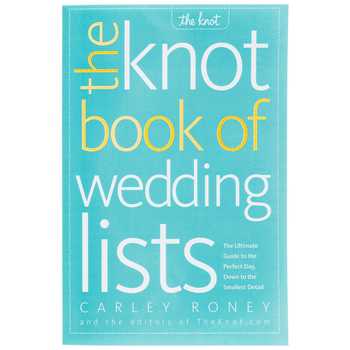
When a Wedding Guide Leaves Out The Wedding...

A Good Marriage Isn't A Mutual Admiration Society

Can't I Love You Into Being Happy?
TRENDING AT PATHEOS Catholic

Rejecting Doom: Christian Hope And Human Action
Christianity is a religion of hope. We are to have hope and...

It’s What Comes From Within Which Matters
One of the most difficult things for us to understand is why...

Why I Choose the Eucharist Over the Sermon
Choose the Eucharist, Not the Sermon What are we supposed to get...

5 Design Elements Found in Spiritually Rooted Homes
Putting Spirituality Into Home Decor Our homes are more than our living...

Credo: A Story of God Told with the...
About 10 years ago, I began to imagine a personal "Credo" that...

The Anatomy of Divine Revelation in Catholic Thought
The claim that God has made Himself known to human beings is...
view all Catholic blogs
Ad-Free & Subscriber Log-In Subscription Support
- About Us
- 2026 Calendar
- Videos
- Podcasts
- Library of World Religions
- Faith In Media Tracker
- Advertise With Us
- Write for Us
- Privacy Policy
- Terms of Service
- Do Not Sell My Data
- Contact Us
- Radiant Digital
- Manage Newsletter Subscriptions
- Unsubscribe From Notifications
- Sitemap
Copyright 2008-2026, Patheos. All rights reserved.
Subscription Support Ad-Free & Subscriber Log-In
Follow Patheos