
BuddhistCatholicContemplativeEvangelicalGeneral ChristianHinduJewishLatter-day SaintMuslimNew VisionsProgressive Christian
Beliefs
- Buddhist
- Catholic
- Contemplative
- Evangelical
- General Christian
- Hindu
- Jewish
- Latter-day Saint
- More Voices
- Muslim
- New Visions
- Pagan
- Progressive Christian
Topics
- Religion News
- Food and Religion
- Sports and Religion
- Religious Art
- Religious Music and Entertainment
- Religious Events
- History and Religion
- Style and Religion
- Politics and Religion
- Women in Religion
- Recreation Outdoors and Religion
- Business Finance and Religion
- Careers Workplace and Religion
- Education and Religion
- Family Parenting and Religion
- Health Fitness and Religion
- Home and Religion
- Relationships and Religion
- Technology and Religion
- Travel and Religion
Columnists
- Buddhist Columnists
- Business Finance and Religion Columnists
- Careers Workplace and Religion Columnists
- Catholic Columnists
- Contemplative Columnists
- Education and Religion Columnists
- Evangelists Columnists
- Family Parenting and Religion Columnists
- General Christian Columnists
- Health Fitness and Religion Columnists
- Hindu Columnists
- History and Religion Columnists
- Home and Religion Columnists
- Jewish Columnists
- More Voices Columnists
- Latter Day Columnists
- Muslim Columnists
- New Visions Columnists
- Nonreligious Columnists
- Pagan Columnists
- Politics and Religion Columnists
- Progressive Columnists
- Recreation Outdoors and Religion Columnists
- Relationships and Religion Columnists
- Religion News Columnists
- Religious Art Columnists
- Religious Events Columnists
- Religious Music and Entertainment Columnists
- Sports and Religion Columnists
- Style and Religion Columnists
- Technology and Religion Columnists
- Travel and Religion Columnists
- Women in Religion Columnists
Resource Library
- 2026 Calendar
- Library of World Religions
- The 100 Most Holy Places on Earth
- Patheos Answers
- Podcasts
- Videos
- Faith Leaders Database
- Anglican Episcopalian
- Bahai
- Baptist
- Buddhism
- Christianity
- Confucianism
- Eastern Orthodoxy
- Hinduism
- Holiness and Pentecostal
- ISKCON
- Islam
- Judaism
- Lutheran
- Methodist
- The Church of Jesus Christ of Latter-day Saints
- New Age
- Paganism
- Presbytarian and Reformed
- Protestantism
- Religion Behind the Scenes
- Roman Catholic
- Scientology
- Shia Islam
- Sikhism
- Sufism
- Sunni Islam
- Taoism
- Zen
- See all religions
Research Tools
 Ad-Free & Subscriber Log-In Subscription Support
Ad-Free & Subscriber Log-In Subscription Support
Follow Patheos 

- Trending:
- Forgiveness
- |
- Marriage
- |
- Consciousness
- |
- Death Penalty
- |
- Election
- |
- Halloween
 Unequally Yoked
- Home
- Catholic
- Picking an Atheist’s Brain… er… Mind
Picking an Atheist’s Brain… er… Mind
Last updated on: September 11, 2012 at 5:02 pm by Leah Libresco
Picking an Atheist’s Brain… er… Mind 2012-09-11T17:02:59-04:00 Leah Libresco
Patheos Explore the world's faith through different perspectives on religion and spirituality! Patheos has the views of the prevalent religions and spiritualities of the world.
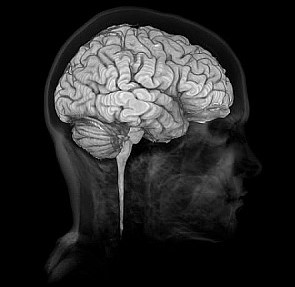
Over at The Warfare is Mental, blogger cl was perplexed by a recent comment of Luke’s at Common Sense Atheism. Luke wrote:
What tools do you use when you think philosophically about God or morality or other subjects? Among other tools, you use your mind. Knowing how the mind works can help you do philosophy better, just as knowing how a camera works can make you a better photographer.
If you are an atheist, do you think it’s accurate to use the term mind? I understand that it sufficiently conveys the point in everyday conversation, but, epistemically–shouldn’t an atheist limit themselves to belief in brains only?
I often attempt to envision the positions I’d hold if I were an atheist. As regards mind, if I were an atheist, I would probably categorize it with soul as an equally non-existent entity. In my experience, many an atheist has asked, “What does it mean to say one has a soul? Where is the evidence for the soul? What type of entity is the soul?” Similarly, what does it mean to say that one has a mind? Where is the evidence for the mind? What type of entity is the mind?
I’ll take a quick crack at this question, since I’m one of those atheists who don’t use the terms brain and mind interchangeably. When I talk about the brain, I’m talking about that three pound lump of flesh which runs all autonomous bodily functions (breathing, secreting hormones, etc), which integrates various sense perceptions into a model of the physical world, and which runs the ‘software’ that we think of when we think of thinking.
I think of my ‘I’ as being in some way analogous to an algorithm. Given data (from the outside world, from imagining of alternatives, from abstract reasoning) it comes to conclusions which are put into action. Sometimes action is simple physical action (I want a book, it’s out of reach, so I get up and get it). Sometimes action is more diffuse (I know a friend is going through a touch time, so I try to find more opportunities to be helpful to them). And sometimes action is choosing to reprogram my thinking algorithm (I’ve recognized that a particular way I think is unhealthy, so I practice squashing it and work to eliminate it from my habits).
All these processes are ‘run’ on the ‘hardware’ of my brain, and, currently, there’s no way I could transfer the me-program to any other piece of hardware. But I don’t think of my me-program or any similar program as being intrinsically limited to running on a human brain. I think silicon based AI is a possibility, and it may even be possible to port existing human consciousnesses onto other substrates.
In that case, my existence as an embodied entity, running my software on a physical brain would be an important part of my history and identity, but not necessarily a constraint on who I might be in the future. Therefore, I use the word ‘brain’ to talk about the current home and tools of my mind as well as the bits of program that perform maintenance on my body. I use the word ‘mind’ to talk about everything I’d want to port over to a new piece of hardware, if I ever had the opportunity.

Previous Post

January 10, 2011
Reading and Praying... One of those I can do.
Next Post
January 12, 2011 Fun and Games with Minds and Brains
Browse Our Archives
Select a Category 7 Quick Takes Apologetics Atheism Book Conversion Debate Tactics Debates Epistemology/Philosophy Housekeeping Ideological Turing Test Marriage Morality in Practice Parsing Catholicism Possibly Heretical Radio Reviews/Recommendations Sequence Index Spiritual Practice Uncategorized
Select a Month April 2017 March 2017 January 2017 December 2016 September 2016 August 2016 July 2016 June 2016 May 2016 April 2016 March 2016 February 2016 January 2016 December 2015 November 2015 October 2015 September 2015 August 2015 July 2015 June 2015 May 2015 April 2015 March 2015 February 2015 January 2015 December 2014 November 2014 October 2014 September 2014 August 2014 July 2014 June 2014 May 2014 April 2014 March 2014 February 2014 January 2014 December 2013 November 2013 October 2013 September 2013 August 2013 July 2013 June 2013 May 2013 April 2013 March 2013 February 2013 January 2013 December 2012 November 2012 October 2012 September 2012 August 2012 July 2012 June 2012 May 2012 April 2012 March 2012 February 2012 January 2012 December 2011 November 2011 October 2011 September 2011 August 2011 July 2011 June 2011 May 2011 April 2011 March 2011 February 2011 January 2011 December 2010 November 2010 October 2010 September 2010 August 2010 July 2010 June 2010
Follow Us!
TAKE THE
Religious Wisdom Quiz
Which writer besides Solomon and David contributed to Proverbs?
Select your answer to see how you score.
Nathan Asaph Agur Moses
Related posts from Unequally Yoked
Harrison Bergeron-ing a Too-Exceptional Sprinter

And You Shall Know the Free Thinkers By...

What's the Difference between Forgiveness and Self-Deception?
In the Moral Landscape, There Still Be Dragons
TRENDING AT PATHEOS Catholic

Rejecting Doom: Christian Hope And Human Action
Christianity is a religion of hope. We are to have hope and...

It’s What Comes From Within Which Matters
One of the most difficult things for us to understand is why...

Why I Choose the Eucharist Over the Sermon
Choose the Eucharist, Not the Sermon What are we supposed to get...

5 Design Elements Found in Spiritually Rooted Homes
Putting Spirituality Into Home Decor Our homes are more than our living...

Credo: A Story of God Told with the...
About 10 years ago, I began to imagine a personal "Credo" that...

The Anatomy of Divine Revelation in Catholic Thought
The claim that God has made Himself known to human beings is...
view all Catholic blogs
Ad-Free & Subscriber Log-In Subscription Support
- About Us
- 2026 Calendar
- Videos
- Podcasts
- Library of World Religions
- Faith In Media Tracker
- Advertise With Us
- Write for Us
- Privacy Policy
- Terms of Service
- Do Not Sell My Data
- Contact Us
- Radiant Digital
- Manage Newsletter Subscriptions
- Unsubscribe From Notifications
- Sitemap
Copyright 2008-2026, Patheos. All rights reserved.
Subscription Support Ad-Free & Subscriber Log-In
Follow Patheos