
BuddhistCatholicContemplativeEvangelicalGeneral ChristianHinduJewishLatter-day SaintMuslimNew VisionsProgressive Christian
Beliefs
- Buddhist
- Catholic
- Contemplative
- Evangelical
- General Christian
- Hindu
- Jewish
- Latter-day Saint
- More Voices
- Muslim
- New Visions
- Pagan
- Progressive Christian
Topics
- Religion News
- Food and Religion
- Sports and Religion
- Religious Art
- Religious Music and Entertainment
- Religious Events
- History and Religion
- Style and Religion
- Politics and Religion
- Women in Religion
- Recreation Outdoors and Religion
- Business Finance and Religion
- Careers Workplace and Religion
- Education and Religion
- Family Parenting and Religion
- Health Fitness and Religion
- Home and Religion
- Relationships and Religion
- Technology and Religion
- Travel and Religion
Columnists
- Buddhist Columnists
- Business Finance and Religion Columnists
- Careers Workplace and Religion Columnists
- Catholic Columnists
- Contemplative Columnists
- Education and Religion Columnists
- Evangelists Columnists
- Family Parenting and Religion Columnists
- General Christian Columnists
- Health Fitness and Religion Columnists
- Hindu Columnists
- History and Religion Columnists
- Home and Religion Columnists
- Jewish Columnists
- More Voices Columnists
- Latter Day Columnists
- Muslim Columnists
- New Visions Columnists
- Nonreligious Columnists
- Pagan Columnists
- Politics and Religion Columnists
- Progressive Columnists
- Recreation Outdoors and Religion Columnists
- Relationships and Religion Columnists
- Religion News Columnists
- Religious Art Columnists
- Religious Events Columnists
- Religious Music and Entertainment Columnists
- Sports and Religion Columnists
- Style and Religion Columnists
- Technology and Religion Columnists
- Travel and Religion Columnists
- Women in Religion Columnists
Resource Library
- 2026 Calendar
- Library of World Religions
- The 100 Most Holy Places on Earth
- Patheos Answers
- Podcasts
- Videos
- Faith Leaders Database
- Anglican Episcopalian
- Bahai
- Baptist
- Buddhism
- Christianity
- Confucianism
- Eastern Orthodoxy
- Hinduism
- Holiness and Pentecostal
- ISKCON
- Islam
- Judaism
- Lutheran
- Methodist
- The Church of Jesus Christ of Latter-day Saints
- New Age
- Paganism
- Presbytarian and Reformed
- Protestantism
- Religion Behind the Scenes
- Roman Catholic
- Scientology
- Shia Islam
- Sikhism
- Sufism
- Sunni Islam
- Taoism
- Zen
- See all religions
Research Tools
 Ad-Free & Subscriber Log-In Subscription Support
Ad-Free & Subscriber Log-In Subscription Support
Follow Patheos 

- Trending:
- Forgiveness
- |
- Marriage
- |
- Consciousness
- |
- Death Penalty
- |
- Election
- |
- Halloween

- Home
- Evangelical
- Great Leaders Model Adaptability, Not Freedom from Anxiety
Great Leaders Model Adaptability, Not Freedom from Anxiety
Last updated on: October 16, 2020 at 7:41 pm by Paul Louis Metzger
Great Leaders Model Adaptability, Not Freedom from Anxiety 2020-10-16T19:41:44-07:00 Paul Louis Metzger
Patheos Explore the world's faith through different perspectives on religion and spirituality! Patheos has the views of the prevalent religions and spiritualities of the world.
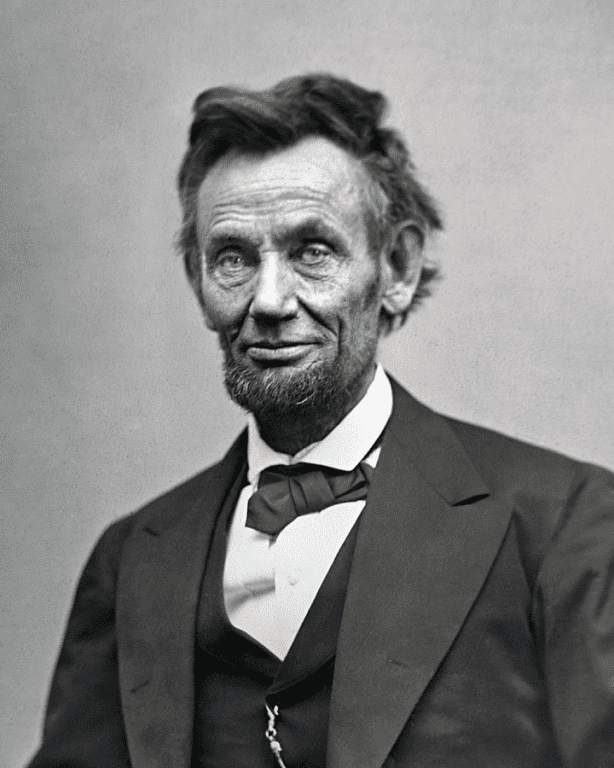

I am doing a series of blog posts related to leadership as we approach the U.S. Presidential election. This is my second blog post on the qualities of leadership that President Lincoln modeled, as discussed in Doris Kearns Goodwin’s bestselling Team of Rivals: the Political Genius of Abraham Lincoln, winner of the Lincoln Prize. One of the qualities that Goodwin highlights was Lincoln’s ability to adapt to the various challenges, heartaches, and afflictions he endured. Goodwin writes,
Mental health, contemporary psychiatrists tell us, consists of the ability to adapt to the inevitable stresses and misfortunes of life. It does not mean freedom from anxiety and depression, but only the ability to cope with these afflictions in a healthy way. “An outstanding feature of successful adaptation,” writes George Vaillant, “is that it leaves the way open for future growth.” Of course, Abraham Lincoln’s capacity for growth would prove enormous (100).
How do leaders in our society today, including U.S. Presidential candidates, cope with afflictions? Like Lincoln? How do each of us cope? Do we lose hope or grow in resilience where we can adapt well to the unexpected challenges of life? Lincoln learned from his mistakes, failures, and trials. His story serves as inspiration and moral education for us today.
I believe one of the reasons many people look up to Lincoln is because they feel his life looked a lot like theirs and because they would like their lives to look a lot like his. He was relatable and at the same time remarkable. Like them, he was not born with a silver spoon in his mouth, and yet rose to the most influential and distinguished position in U.S. society. In the minds of many, he is our country’s greatest President.
To become a great leader is easier said than done. How could Lincoln have kept going during those four turbulent years where he bore the weight of the nation on his shoulders? No doubt, Lincoln’s incredible strength of will during his presidency resulted from how he never gave up during his life but kept going in the face of a vast number of emotional challenges and misfortunes. He cultivated resilience over all his years of life as he endured the heartbreaking losses of various loved ones, including his mother, sweetheart in his youth, and sons, as well as political contests. His losses humbled him but did not leave him hollow.
Lincoln’s overwhelming challenges did not end with his taking up residence in the White House. He faced what is likely the most difficult four years any U.S. President has endured during a term in office. Just think, as he began his presidency, the country descended into civil war. He did not live to enjoy for long the victory of reuniting a nation where slavery was no more, reconstructing the south, and rebuilding the country’s fortunes, as his life was cut short by the assassin’s bullet.
In addition to learning from his experiences, and bending but not breaking, Lincoln gained strength from such things as reading, from his timely employment of humor and going to the theater, and conversations and companionship with trusted allies. Where do you find strength in the face of anxiety and misfortune? I encourage you to read biographies of great leaders who faced great ordeals, like Goodwin’s study of Lincoln or Blanche Wiesen Cook’s three volume set on Eleanor Roosevelt.
In addition to Lincoln and Roosevelt, the Apostle Paul was also a great leader. I take comfort from reading his words and studying his life. It is remarkable to consider how much misfortune he endured, as we find discussed in such passages as 2 Corinthians 10 and 11. I am also struck by how he encouraged the Philippian church in the face of anxieties to turn to the Lord, even while he was under house arrest in Rome. In his prison epistle of Philippians, he encouraged his fellow believers to rejoice in the Lord always, not sometimes, not most of the time, but all the time. Such rejoicing would lead them to the realization that the Lord is near. Paul exhorted them not to wallow in anxiety, but to present their requests to God with prayer and petition with thanksgiving. As a result, they would experience the amazing peace of God that transcends all understanding (Philippians 4:4-7).
Everyone experiences misfortunate. You are not alone. You can take comfort from the example of President Lincoln and the Apostle Paul. Perhaps you know someone in your own circle who continues to adapt in the face of mental anguish to gain resilience and move forward and experience greater growth in life. So, let’s learn from our mistakes, failures, and discouragements. It’s not all about where we have been, but where we are going in life. Don’t let your past dictate to you your future. Let’s learn from the examples of others in the past to build a brighter future. While we may never become President of the United States, we can become better equipped to lead in our own circles in ways that helps others grow and adapt in the face of adversity and anxiety.
About Paul Louis Metzger
Paul Louis Metzger, Ph.D., is Professor of Theology & Culture at Multnomah University & Seminary, Director of The Institute for Cultural Engagement: New Wine, New Wineskins, Editor of Cultural Encounters: A Journal for the Theology of Culture, and author of numerous works. You can read more about the author here.
Previous Post

October 11, 2020
How to Use God's Name: Name Drape, Not Name Drop.
Next Post
October 18, 2020 Bottoms Up: Don’t Pass Over the Passover for the Christian Life
Browse Our Archives
Select a Category Uncategorized
Select a Month June 2025 April 2025 March 2025 January 2025 December 2024 November 2024 October 2024 September 2024 August 2024 July 2024 June 2024 May 2024 April 2024 March 2024 February 2024 January 2024 December 2023 November 2023 October 2023 September 2023 August 2023 July 2023 June 2023 May 2023 April 2023 March 2023 February 2023 January 2023 December 2022 November 2022 October 2022 September 2022 August 2022 July 2022 June 2022 May 2022 April 2022 March 2022 February 2022 January 2022 December 2021 November 2021 October 2021 September 2021 August 2021 July 2021 June 2021 May 2021 April 2021 March 2021 February 2021 January 2021 December 2020 November 2020 October 2020 September 2020 August 2020 July 2020 June 2020 May 2020 April 2020 March 2020 February 2020 January 2020 December 2019 November 2019 October 2019 September 2019 August 2019 July 2019 June 2019 May 2019 April 2019 March 2019 February 2019 January 2019 December 2018 November 2018 October 2018 September 2018 August 2018 July 2018 June 2018 May 2018 April 2018 March 2018 February 2018 January 2018 December 2017 November 2017 October 2017 September 2017 August 2017 July 2017 June 2017 May 2017 April 2017 March 2017 February 2017 January 2017 December 2016 November 2016 October 2016 September 2016 August 2016 July 2016 June 2016 May 2016 April 2016 March 2016 February 2016 January 2016 December 2015 November 2015 October 2015 September 2015 August 2015 July 2015 June 2015 May 2015 April 2015 March 2015 February 2015 January 2015 December 2014 November 2014 October 2014 September 2014 August 2014 July 2014 June 2014 May 2014 April 2014 March 2014 February 2014 January 2014 December 2013 November 2013 October 2013 September 2013 August 2013 July 2013 June 2013 May 2013 April 2013 March 2013 February 2013 January 2013 December 2012 November 2012 October 2012 September 2012 August 2012 July 2012 June 2012 May 2012 April 2012 March 2012 February 2012
Follow Us!
TAKE THE
Religious Wisdom Quiz
Which Gospel was written by a doctor?
Select your answer to see how you score.
Luke Matthew Mark John
Books by This Author Books by Paul Louis Metzger
Related posts from Uncommon God, Common Good

Heavenly Father’s Day on Trinity Sunday

Easter Triduum: Obey Your Thirst—for God

Holy Week Is Humble Week: "Beware of Becoming...

Excavating the Person in a Throwaway Culture
TRENDING AT PATHEOS Evangelical

The REST of Your Life: A Creative Wrestles...
This week I had a conversation with a good friend from church....

How the author of the world's best hymn...
I've been working with John Newton for a while now. This makes...

Long before this Lectio Divina, Psalm 130 - the song - started...

What About the Trees? Another Living Parable
After I finished writing the last article about falling leaves as a...

Why Classical Education Is a Conversation, Not a...
Come and Read: Joy in Classical Education When I was a little...

Cornell University has received a great deal of negative publicity and intense...
view all Evangelical blogs
Ad-Free & Subscriber Log-In Subscription Support
- About Us
- 2026 Calendar
- Videos
- Podcasts
- Library of World Religions
- Faith In Media Tracker
- Advertise With Us
- Write for Us
- Privacy Policy
- Terms of Service
- Do Not Sell My Data
- Contact Us
- Radiant Digital
- Manage Newsletter Subscriptions
- Unsubscribe From Notifications
- Sitemap
Copyright 2008-2026, Patheos. All rights reserved.
Subscription Support Ad-Free & Subscriber Log-In
Follow Patheos