
BuddhistCatholicContemplativeEvangelicalGeneral ChristianHinduJewishLatter-day SaintMuslimNew VisionsProgressive Christian
Beliefs
- Buddhist
- Catholic
- Contemplative
- Evangelical
- General Christian
- Hindu
- Jewish
- Latter-day Saint
- More Voices
- Muslim
- New Visions
- Pagan
- Progressive Christian
Topics
- Religion News
- Food and Religion
- Sports and Religion
- Religious Art
- Religious Music and Entertainment
- Religious Events
- History and Religion
- Style and Religion
- Politics and Religion
- Women in Religion
- Recreation Outdoors and Religion
- Business Finance and Religion
- Careers Workplace and Religion
- Education and Religion
- Family Parenting and Religion
- Health Fitness and Religion
- Home and Religion
- Relationships and Religion
- Technology and Religion
- Travel and Religion
Columnists
- Buddhist Columnists
- Business Finance and Religion Columnists
- Careers Workplace and Religion Columnists
- Catholic Columnists
- Contemplative Columnists
- Education and Religion Columnists
- Evangelists Columnists
- Family Parenting and Religion Columnists
- General Christian Columnists
- Health Fitness and Religion Columnists
- Hindu Columnists
- History and Religion Columnists
- Home and Religion Columnists
- Jewish Columnists
- More Voices Columnists
- Latter Day Columnists
- Muslim Columnists
- New Visions Columnists
- Nonreligious Columnists
- Pagan Columnists
- Politics and Religion Columnists
- Progressive Columnists
- Recreation Outdoors and Religion Columnists
- Relationships and Religion Columnists
- Religion News Columnists
- Religious Art Columnists
- Religious Events Columnists
- Religious Music and Entertainment Columnists
- Sports and Religion Columnists
- Style and Religion Columnists
- Technology and Religion Columnists
- Travel and Religion Columnists
- Women in Religion Columnists
Resource Library
- 2026 Calendar
- Library of World Religions
- The 100 Most Holy Places on Earth
- Patheos Answers
- Podcasts
- Videos
- Faith Leaders Database
- Anglican Episcopalian
- Bahai
- Baptist
- Buddhism
- Christianity
- Confucianism
- Eastern Orthodoxy
- Hinduism
- Holiness and Pentecostal
- ISKCON
- Islam
- Judaism
- Lutheran
- Methodist
- The Church of Jesus Christ of Latter-day Saints
- New Age
- Paganism
- Presbytarian and Reformed
- Protestantism
- Religion Behind the Scenes
- Roman Catholic
- Scientology
- Shia Islam
- Sikhism
- Sufism
- Sunni Islam
- Taoism
- Zen
- See all religions
Research Tools
 Ad-Free & Subscriber Log-In Subscription Support
Follow Patheos 

- Trending:
- Advent
- |
- Forgiveness
- |
- Thanksgiving
- |
- Election
- |
- Seasonal Holidays
- |
- Marriage

- Home
- Evangelical
- Fears of Science and the Church: Are They All in the Head?
Fears of Science and the Church: Are They All in the Head?
Last updated on: November 3, 2014 at 10:59 am by Paul Louis Metzger
Fears of Science and the Church: Are They All in the Head? 2014-11-03T10:59:17-08:00 Paul Louis Metzger
Patheos Explore the world's faith through different perspectives on religion and spirituality! Patheos has the views of the prevalent religions and spiritualities of the world.
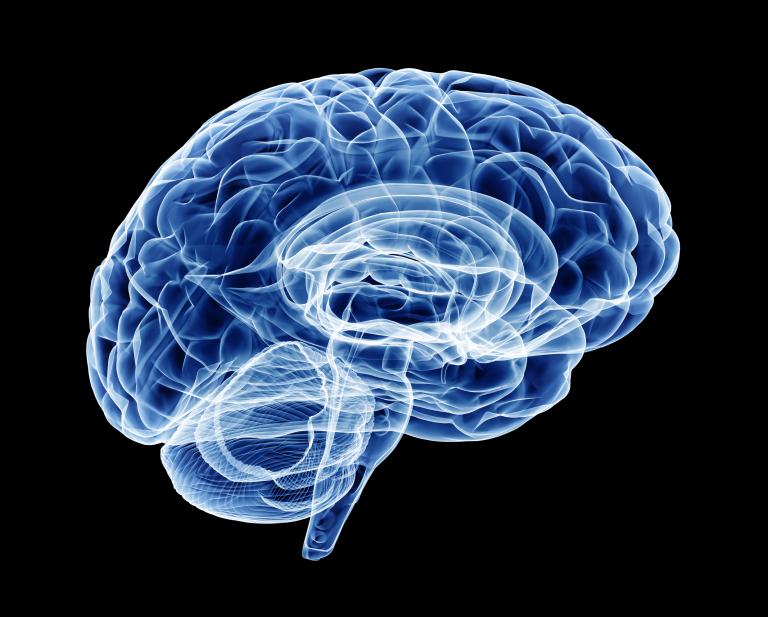 Many religious people are suspicious of significant issues in science. Many people—religious and non-religious alike—reflect suspicions and indifference toward the church (especially among younger people); one of the reasons for many young people leaving the church is the perception that churches appear hostile to science, as a Barna study claims. Could it be that many if not all fears and suspicions of science as well as the church are in the head?
Regarding the suspicion of key considerations in science, specifically as it relates to Evangelical Christianity, it is worth noting the cultural, emotional and psychological damage caused by the aftermath of the Scopes “Monkey Trial” in 1925. It is still present in conscious or unconscious ways. The impact of that trial has led George Marsden to write, “It would be difficult to overestimate the impact” of the trial “in transforming fundamentalism.” George Marsden, Fundamentalism and American Culture: The Shaping of Twentieth-Century Evangelicalism — 1870-1925 (Oxford: Oxford University Press, 1980), p. 184. Given the damage done to the movement as a result of that trial, I wonder how many of Evangelical Christians’ suspicions of science are in the head.
It is important for churches and Christian educational institutions to work hard on the integration of faith and science. Further to what was stated above concerning many young people leaving church today, some Christians’ fears and/or disregard for science in the church can lead scientifically minded and vocationally oriented individuals to feel isolated and leave church. David Kinnaman addresses this concern and many others in You Lost Me: Why Young Christians Are Leaving Church…And Rethinking Faith (Baker Books, 2011). Kinnaman quotes a young man named Mike, who says: “I knew from church that I couldn’t believe in both science and God, so that was it. I didn’t believe in God anymore” (p. 138). Christian leaders such as myself need to pursue the integration of faith and science in ways that foster and strengthen these respective domains (regarding this subject, see my recent post titled “Missing Links: On Faith and Science”).
With these points on the need for integration in mind, let’s turn to consider the relation of the brain, body, and beliefs. The hope is to show through such reflections as these that there is no necessary hostility between science and faith; perhaps the hostility and suspicion between science and religion is all in the mind. By overcoming the disconnect, we might be in a better position to connect people with church.
The brain, the body and beliefs are intimately connected. Take for example this PBS documentary titled “Faith and the Brain” that discusses how religious practices and beliefs influence the brain. So, too, there is a close connection between the rational and emotional dimensions of the brain, as discussed in the PBS documentary titled “The Adult Brain: to Think by Feeling”; their interaction is essential to one’s well-being.
One of the things that stand out to me from these studies is that we are fearfully and wonderfully made. As the Psalmist writes, “I praise you, for I am fearfully and wonderfully made. Wonderful are your works; my soul knows it very well” (Psalm 139:14; ESV). Religion should not fear science, but learn from scientific truth. I believe the more we learn from science, the more we will come to realize that we are truly fearfully and wonderfully made.
Greater consideration of scientific studies should demonstrate to Christians the profundity of biblical faith and its emphasis on the profound connection between the spiritual and physical dimensions. For example, orthodox Christianity prizes embodiment. We do not exist as disembodied spirits, but rather, as embodied souls. The eternal Word did not hover above the physical world, but became flesh and blood (John 1:14). Such theological considerations should help us to take seriously the scientific studies noted above that there is a close connection between the body, brain, and beliefs. Such theological considerations and scientific studies can also help churches foster greater inclusivity and connections with people who might otherwise leave church.
Let’s take two examples. First, let’s take technology. In view of the theological considerations and scientific studies noted above, churches should encourage parishioners to be mindful of how technology can impact them, often for the good, but also, often for the bad. Here is what one of my seminary students John Lussier writes,
My question(s) on embodied presence: When it comes to personhood and relationality, is there something important to our being bodied people? When we remove the body but leave communication, does this change how we relate? Christ came as an embodied human male, and not as a spirit or human soul without a body. Why is this important? Does the body matter or is it simply a tool for relationality? What happens when we use technology in place of our body to communicate? Is technology that removes the bodily presence an extension of the human, a dissection or something else entirely?
John is by no means antagonistic to technology; actually, he is quite adept at it. Still, he and I wonder why many people today often prefer texting to other forms of communication. What is the impact of texting on our relationships if it and other non-physically present means of communication do not complement but rather replace face-to-face communication? While technology can create venues for greater accessibility, virtual church gatherings through social media can never take the place of embodied church. Orthodox Christian faith requires that we come together as embodied souls, not disembodied spirits. Face-to-face interaction strengthens our faith; I believe this is what the writer of Hebrews has in mind: “And let us consider how to stir up one another to love and good works, not neglecting to meet together, as is the habit of some, but encouraging one another, and all the more as you see the Day drawing near” (Hebrews 10:24-25; ESV). I wonder if the decline in church attendance has something to do with the decline in face-to-face interaction in society in favor of virtual connections.
 Having spoken briefly of technology, let’s take a second example—race. Greater understanding of the brain may impact our view of racial dynamics and the need for greater inclusivity in the church.
Various studies suggest that exposure to the faces of people of different ethnicities activate the amygdala, which is associated with fear conditioning, far more than faces of the same racial background or ethnicity (personal note: it leads me to wonder if and how discussions about science might activate the amygdala in some religious people’s heads). It appears that greater exposure can reduce such increased activation. See Grit Herzmann, et al, “The neural correlates of memory encoding and recognition for own-race and other-race faces,” in Neuropsychologia 49 (11): 3103–3115. Intentionality in creating exposure through the diversification of churches may very well help churches decrease such fears and help people sense loving affirmation and experience inclusion.
Other studies suggest that people’s prejudices and beliefs impact facial processing and memory dimensions of the brain. See J. A. Richeson, et al, An fMRI investigation of the impact of interracial contact on executive function,” in Nature Neuroscience, 6 (12): 1323–1328. Based on such analyses, it has been claimed that beliefs can help control amygdala activation. In keeping with this point, it has been argued that racism decreases when we foster the convictions that there are racial differences as well as racial equality. Take for example the volume titled Are We Born Racist?: New Insights from Neuroscience and Positive Psychology (Beacon Press, 2010). The Judeo-Christian belief that we are all created in the image of God (See Genesis 1:16-27) and that God values diversity as revealed in all peoples of various cultures worshiping before the throne (Revelation 7:9-10) should lead church leaders to cultivate greater unity and inclusivity involving diversity in church bodies.
For these and other reasons, I ask: could it be that many if not all fears and suspicions of science as well as the church are somehow in the head?
Previous Post

October 29, 2014
Tree Huggers and Puppy Kickers
Next Post

November 7, 2014 Don’t Spit on God
Browse Our Archives
Select a Category Uncategorized
Select a Month June 2025 April 2025 March 2025 January 2025 December 2024 November 2024 October 2024 September 2024 August 2024 July 2024 June 2024 May 2024 April 2024 March 2024 February 2024 January 2024 December 2023 November 2023 October 2023 September 2023 August 2023 July 2023 June 2023 May 2023 April 2023 March 2023 February 2023 January 2023 December 2022 November 2022 October 2022 September 2022 August 2022 July 2022 June 2022 May 2022 April 2022 March 2022 February 2022 January 2022 December 2021 November 2021 October 2021 September 2021 August 2021 July 2021 June 2021 May 2021 April 2021 March 2021 February 2021 January 2021 December 2020 November 2020 October 2020 September 2020 August 2020 July 2020 June 2020 May 2020 April 2020 March 2020 February 2020 January 2020 December 2019 November 2019 October 2019 September 2019 August 2019 July 2019 June 2019 May 2019 April 2019 March 2019 February 2019 January 2019 December 2018 November 2018 October 2018 September 2018 August 2018 July 2018 June 2018 May 2018 April 2018 March 2018 February 2018 January 2018 December 2017 November 2017 October 2017 September 2017 August 2017 July 2017 June 2017 May 2017 April 2017 March 2017 February 2017 January 2017 December 2016 November 2016 October 2016 September 2016 August 2016 July 2016 June 2016 May 2016 April 2016 March 2016 February 2016 January 2016 December 2015 November 2015 October 2015 September 2015 August 2015 July 2015 June 2015 May 2015 April 2015 March 2015 February 2015 January 2015 December 2014 November 2014 October 2014 September 2014 August 2014 July 2014 June 2014 May 2014 April 2014 March 2014 February 2014 January 2014 December 2013 November 2013 October 2013 September 2013 August 2013 July 2013 June 2013 May 2013 April 2013 March 2013 February 2013 January 2013 December 2012 November 2012 October 2012 September 2012 August 2012 July 2012 June 2012 May 2012 April 2012 March 2012 February 2012
Follow Us!
TAKE THE
Religious Wisdom Quiz
Who was cast into a pit by his brothers?
Select your answer to see how you score.
Daniel Jacob Moses Joseph
Books by This Author Books by Paul Louis Metzger
Related posts from Uncommon God, Common Good

Heavenly Father’s Day on Trinity Sunday

Easter Triduum: Obey Your Thirst—for God

Holy Week Is Humble Week: "Beware of Becoming...

Excavating the Person in a Throwaway Culture
TRENDING AT PATHEOS Evangelical

Making Stones Into Bread: Choosing the “Right” Work
I was on my online arts ministry Zoom meeting with the International...

Ukraine’s exhausted Christians face fifth winter of war
By Julian Lukins The full-scale war in Ukraine is taking “a serious...

Russell Brand's Conviction is not anti-Christian Persecution
How do we shed the reputation that the Church is OK with...

Have you ever caught yourself saying, “I’ll do it tomorrow,” or “Now...

Write Your Story: A Great Way to Find...
A few month’s back, my son was scrolling around Facebook and saw...

Throughout history, people have pursued pleasure, possessions, relationships, and success in an...
view all Evangelical blogs
Ad-Free & Subscriber Log-In Subscription Support
- About Us
- 2026 Calendar
- Videos
- Podcasts
- Library of World Religions
- Faith In Media Tracker
- Advertise With Us
- Write for Us
- Privacy Policy
- Terms of Service
- Do Not Sell My Data
- Contact Us
- Radiant Digital
- Manage Newsletter Subscriptions
- Unsubscribe From Notifications
- Sitemap
Copyright 2008-2026, Patheos, part of the Radiant Digital network of media brands. All rights reserved.
Subscription Support Ad-Free & Subscriber Log-In
Follow Patheos