
BuddhistCatholicContemplativeEvangelicalGeneral ChristianHinduJewishLatter-day SaintMuslimNew VisionsProgressive Christian
Beliefs
- Buddhist
- Catholic
- Contemplative
- Evangelical
- General Christian
- Hindu
- Jewish
- Latter-day Saint
- More Voices
- Muslim
- New Visions
- Pagan
- Progressive Christian
Topics
- Religion News
- Food and Religion
- Sports and Religion
- Religious Art
- Religious Music and Entertainment
- Religious Events
- History and Religion
- Style and Religion
- Politics and Religion
- Women in Religion
- Recreation Outdoors and Religion
- Business Finance and Religion
- Careers Workplace and Religion
- Education and Religion
- Family Parenting and Religion
- Health Fitness and Religion
- Home and Religion
- Relationships and Religion
- Technology and Religion
- Travel and Religion
Columnists
- Buddhist Columnists
- Business Finance and Religion Columnists
- Careers Workplace and Religion Columnists
- Catholic Columnists
- Contemplative Columnists
- Education and Religion Columnists
- Evangelists Columnists
- Family Parenting and Religion Columnists
- General Christian Columnists
- Health Fitness and Religion Columnists
- Hindu Columnists
- History and Religion Columnists
- Home and Religion Columnists
- Jewish Columnists
- More Voices Columnists
- Latter Day Columnists
- Muslim Columnists
- New Visions Columnists
- Nonreligious Columnists
- Pagan Columnists
- Politics and Religion Columnists
- Progressive Columnists
- Recreation Outdoors and Religion Columnists
- Relationships and Religion Columnists
- Religion News Columnists
- Religious Art Columnists
- Religious Events Columnists
- Religious Music and Entertainment Columnists
- Sports and Religion Columnists
- Style and Religion Columnists
- Technology and Religion Columnists
- Travel and Religion Columnists
- Women in Religion Columnists
Resource Library
- 2026 Calendar
- Library of World Religions
- The 100 Most Holy Places on Earth
- Patheos Answers
- Podcasts
- Videos
- Faith Leaders Database
- Anglican Episcopalian
- Bahai
- Baptist
- Buddhism
- Christianity
- Confucianism
- Eastern Orthodoxy
- Hinduism
- Holiness and Pentecostal
- ISKCON
- Islam
- Judaism
- Lutheran
- Methodist
- The Church of Jesus Christ of Latter-day Saints
- New Age
- Paganism
- Presbytarian and Reformed
- Protestantism
- Religion Behind the Scenes
- Roman Catholic
- Scientology
- Shia Islam
- Sikhism
- Sufism
- Sunni Islam
- Taoism
- Zen
- See all religions
Research Tools
 Ad-Free & Subscriber Log-In Subscription Support
Ad-Free & Subscriber Log-In Subscription Support
Follow Patheos 

- Trending:
- Forgiveness
- |
- Marriage
- |
- Consciousness
- |
- Death Penalty
- |
- Election
- |
- Halloween
 Troubler of Israel
- Home
- Evangelical
- Halloween and the Aesthetic of Evil
Halloween and the Aesthetic of Evil
Last updated on: October 24, 2016 at 11:37 am by G. Shane Morris
Halloween and the Aesthetic of Evil 2016-10-24T11:37:43-04:00 G. Shane Morris
Patheos Explore the world's faith through different perspectives on religion and spirituality! Patheos has the views of the prevalent religions and spiritualities of the world.
A while back, my friend Steven Wedgeworth wrote an outstanding essay over at The Calvinist International on the origins of Halloween. It’s an annual must-read. The gist is that Halloween is not some ancient pagan festival or even Christian subversion of demonic shenanigans (as a lot of Christian writers have claimed over the years). The truth is far more boring. Halloween as we know it is really little more than a 20th century invention designed to sell stuff.
 After I posted Wedgeworth’s piece, some friends of mine raised the objection that no matter what the origin of Halloween, it’s still “dark,” which violates 1 Corinthians 6:14-18. “Witches, ghosts, demons, and death,” remarked one friend. “Why would I want anything to do with it?”
“Darkness” here is ill-defined. What does it mean, exactly? Things we consider icky? That will vary from person to person. I know people who don’t watch or read “The Lord of the Rings” because it’s got too much “icky” stuff in it. They’re missing the best Christian fantasy of the 20th century.
I’ve said this before and I’ll keep saying it: Christians who object to Halloween are, nine times out of ten, objecting to aesthetics, not morality. We’ve confused the two, and you see the result in evangelical churches. “Dark” aesthetics are not allowed, and neither is mournful or darker music, which has historically been a huge part of the Church’s worship and liturgical life.
The longtime evangelical reaction against the plastic, sugar-saturated, commercial shindig we today call Halloween is really a test case in the tendency of many Christians (I’m going to say it–particularly moms) to mistake ickiness for evil. It’s an aesthetic-based morality that sees spiderwebs and jack-o-lanterns as harbingers of Satan. The Bible seems to hint at rather the opposite. Evil often presents itself as beautiful, and Satan as an “angel of light.” There’s more real evil in the radiant, smiling face of a false preacher than there is in all the latex zombie masks that will show up on my doorstep next week.
Sure, there are limits. I can definitely see the case against decking your yard to look like a chainsaw massacre took place. But the objection to Halloween’s “spooky” aesthetic seems to rest mainly in a conditioned Christian preference for the “happy, clappy,” Precious Moments kind of wholesome–not on a reasoned moral stance.
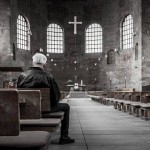
Image: Wikimedia Commons
Next Post

October 31, 2016 If You're Going to Condemn the Reformation, Do It Like a Man
Browse Our Archives
Select a Category Abortion Animals Apologetics Archaeology Atheism Bible Books Church Creationism Culture of Death Debate Devotion Economics Ethics Free Will Gender Issues History Holidays Intelligent Design Islam Liberalism Life Advice Media Movies Music Nature Parenting Philosophy Politics Prayer Race Relationships Science Sex Stories Technology Terrorism The Point Theology Uncategorized Youth
Select a Month July 2021 June 2021 April 2021 March 2021 November 2020 September 2020 May 2020 April 2020 February 2020 January 2020 November 2019 October 2019 August 2019 July 2019 June 2019 May 2019 April 2019 February 2019 January 2019 December 2018 November 2018 October 2018 September 2018 August 2018 July 2018 June 2018 May 2018 April 2018 March 2018 February 2018 January 2018 December 2017 November 2017 October 2017 September 2017 August 2017 July 2017 June 2017 May 2017 April 2017 March 2017 February 2017 January 2017 December 2016 November 2016 October 2016 September 2016 August 2016 July 2016 June 2016
Follow Us!
TAKE THE
Religious Wisdom Quiz
What happened three days after Jesus was crucified?
Select your answer to see how you score.
He rose from the dead The temple was destroyed The sea split A giant earthquake
Related posts from Troubler of Israel


Dunning-Kruger, Cultural Amnesia, and Tyrannosaurus rex

Why Music Opens Hearts and Minds

Why Was the Forbidden Fruit Forbidden?
TRENDING AT PATHEOS Evangelical

The REST of Your Life: A Creative Wrestles...
This week I had a conversation with a good friend from church....

How the author of the world's best hymn...
I've been working with John Newton for a while now. This makes...

Long before this Lectio Divina, Psalm 130 - the song - started...

What About the Trees? Another Living Parable
After I finished writing the last article about falling leaves as a...

Why Classical Education Is a Conversation, Not a...
Come and Read: Joy in Classical Education When I was a little...

Cornell University has received a great deal of negative publicity and intense...
view all Evangelical blogs
Ad-Free & Subscriber Log-In Subscription Support
- About Us
- 2026 Calendar
- Videos
- Podcasts
- Library of World Religions
- Faith In Media Tracker
- Advertise With Us
- Write for Us
- Privacy Policy
- Terms of Service
- Do Not Sell My Data
- Contact Us
- Radiant Digital
- Manage Newsletter Subscriptions
- Unsubscribe From Notifications
- Sitemap
Copyright 2008-2026, Patheos. All rights reserved.
Subscription Support Ad-Free & Subscriber Log-In
Follow Patheos