
BuddhistCatholicContemplativeEvangelicalGeneral ChristianHinduJewishLatter-day SaintMuslimNew VisionsProgressive Christian
Beliefs
- Buddhist
- Catholic
- Contemplative
- Evangelical
- General Christian
- Hindu
- Jewish
- Latter-day Saint
- More Voices
- Muslim
- New Visions
- Pagan
- Progressive Christian
Topics
- Religion News
- Food and Religion
- Sports and Religion
- Religious Art
- Religious Music and Entertainment
- Religious Events
- History and Religion
- Style and Religion
- Politics and Religion
- Women in Religion
- Recreation Outdoors and Religion
- Business Finance and Religion
- Careers Workplace and Religion
- Education and Religion
- Family Parenting and Religion
- Health Fitness and Religion
- Home and Religion
- Relationships and Religion
- Technology and Religion
- Travel and Religion
Columnists
- Buddhist Columnists
- Business Finance and Religion Columnists
- Careers Workplace and Religion Columnists
- Catholic Columnists
- Contemplative Columnists
- Education and Religion Columnists
- Evangelists Columnists
- Family Parenting and Religion Columnists
- General Christian Columnists
- Health Fitness and Religion Columnists
- Hindu Columnists
- History and Religion Columnists
- Home and Religion Columnists
- Jewish Columnists
- More Voices Columnists
- Latter Day Columnists
- Muslim Columnists
- New Visions Columnists
- Nonreligious Columnists
- Pagan Columnists
- Politics and Religion Columnists
- Progressive Columnists
- Recreation Outdoors and Religion Columnists
- Relationships and Religion Columnists
- Religion News Columnists
- Religious Art Columnists
- Religious Events Columnists
- Religious Music and Entertainment Columnists
- Sports and Religion Columnists
- Style and Religion Columnists
- Technology and Religion Columnists
- Travel and Religion Columnists
- Women in Religion Columnists
Resource Library
- 2026 Calendar
- Library of World Religions
- The 100 Most Holy Places on Earth
- Patheos Answers
- Podcasts
- Videos
- Faith Leaders Database
- Anglican Episcopalian
- Bahai
- Baptist
- Buddhism
- Christianity
- Confucianism
- Eastern Orthodoxy
- Hinduism
- Holiness and Pentecostal
- ISKCON
- Islam
- Judaism
- Lutheran
- Methodist
- The Church of Jesus Christ of Latter-day Saints
- New Age
- Paganism
- Presbytarian and Reformed
- Protestantism
- Religion Behind the Scenes
- Roman Catholic
- Scientology
- Shia Islam
- Sikhism
- Sufism
- Sunni Islam
- Taoism
- Zen
- See all religions
Research Tools
 Ad-Free & Subscriber Log-In Subscription Support
Ad-Free & Subscriber Log-In Subscription Support
Follow Patheos 

- Trending:
- Forgiveness
- |
- Marriage
- |
- Consciousness
- |
- Death Penalty
- |
- Election
- |
- Halloween
 Transcendentalish
- Home
- Evangelical
- The Church and the Fourth of July
The Church and the Fourth of July
Last updated on: January 16, 2025 at 3:33 pm by Guest Contributor
The Church and the Fourth of July 2025-01-16T15:33:19+00:00 Guest Contributor
Patheos Explore the world's faith through different perspectives on religion and spirituality! Patheos has the views of the prevalent religions and spiritualities of the world.
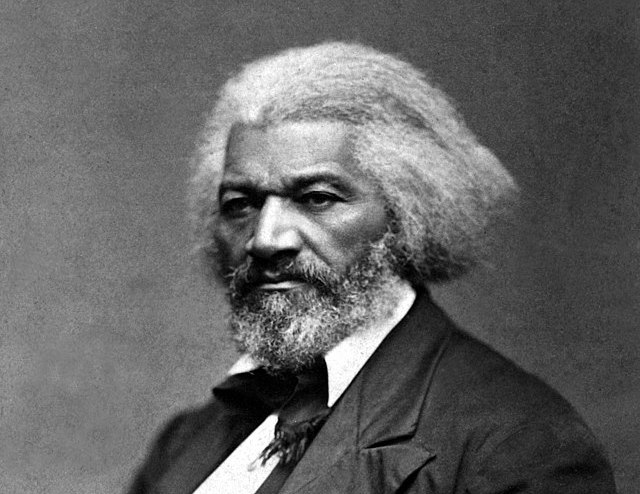
In his famous speech, “What to the Slave is the Fourth of July?” Frederick Douglass reflects on how the peals of church bells and cries of jubilation commemorating this great nation’s birthday lands on the ears of the two Americas. The two Americas, of course, are White America and Black America. The riches of justice and freedom that this day commemorates are the inheritance of White Americans, not Black Americans. “The sunlight that brought life and healing to you,” Douglass argues, “has brought stripes and death to me. This Fourth of July is yours, not mine. You may rejoice, I must mourn.”
In characteristic fashion, Douglass’ rhetorical brilliance flashes through the speech. He lauds the courage and genius of the Founding Fathers and the great promise of the young nation. At the same time, he condemns the bloodstain of slavery that cries from the ground and corrupts the hearts and the minds of her people. Douglass traces America’s awful scars that mark the distance between her ideals and her reality. He defies the audience to search the globe so see if any nation, any despot can match the “revolting barbarity and shameless hypocrisy” of America.
If he pulls no punches when talking about the nation, the gloves come off when he address the American Church. And rightly so: America has not lived up its manmade charter but the Church has defied divine command to love your neighbor as yourself. “The Church of this country,” Douglass contends, “is not only indifferent to the wrongs of the slave, it actually takes sides with the oppressor…the American Church is guilty, when viewed in connection with what it is doing to uphold slavery; but it is superlatively guilty when viewed in connection with its ability to abolish slavery.”
And yet, for all this, Douglass is a prophet of hope. He holds on to the hope that the young America is still in its infancy and may mature yet into a nation that lives into its ideals. His hope is that the fire rained down in the speech might quicken the conscience of the nation.
As we commemorate another Fourth of July nearly 170 years later, it is important to reflect on the state of the nation. How much has changed since Douglass addressed the crowd on July 5, 1852? Did Douglass hope in vain? As an American and a pastor, I think this is a live question for the American Church. Has she been compromised?
If you replace the word “slavery” with “racism” and “slave” for “person of color” in Douglass’ indictment above, you would have a fine summary of the argument Jemar Tisby persuasively makes in his book The Color of Compromise. Tisby chronicles the American Church’s complicity in racism. From the colonial era to the Civil War, from Reconstruction to Jim Crow, from the Civil Rights movement to mass incarceration, the (White) American Church has been complicit in the nation’s original sin of racism. Chattel slavery has been abolished, racism has not.
There is no doubt – we have inherited a sordid history. But as the preacher will tell you: we may be products of our past but we need not be prisoner to it. Or, as Douglass puts it, “We do with the past only as we can make it useful to the present and to the future.”
Hope is the belief that tomorrow can be better than today. Over the past year we have glimpsed glimmers of a better tomorrow: in the number and magnitude of racial justice protests, in guilty verdicts for coldblooded murder, in making Juneteenth a federal holiday. At the same time, we witnessed insurrection of the Capitol and the full-court press to restrict voting in nearly every state.
Racial justice has not arrived. The struggle continues. Change is slow and incremental and messy. The work of truth-telling and confession, of repentance and reconciliation, of reform and repair is massive. After centuries of damage, the work of reconciliation will be an exercise in hope.
This July 4th offers all Americans the opportunity to reflect on the promise of this great nation. As churches across the nation gather for worship, this Sunday offers American Christians the opportunity to reflect on the possibility that America is in the midst of another great awakening, one in which the church finally lives into its prophetic witness. White Christians have been inexcusably late to the protest, but hopefully not too late. “Now is the time, the important time,” as Douglass says, to align with, support, contribute to churches who take every opportunity to put their hand to the plow in this hard work.
Previous Post
January 27, 2021
Malcolm Guite's Quarantine Quatrain
Next Post

July 16, 2021 Visionings ^1: Whale Eyes
Browse Our Archives
Select a Category Art Current Events Film Music Poetry Review Science and Religion THE ANTLIZT Theology Uncategorized Video
Select a Month December 2021 November 2021 October 2021 September 2021 July 2021 January 2021 June 2020 May 2020 April 2020 March 2020 February 2020 November 2019 October 2019 July 2019 November 2018 August 2018 May 2018 April 2018 March 2018 February 2018 January 2018 December 2017 August 2017 December 2016 October 2016 September 2016 April 2016 September 2015 August 2015 April 2015 February 2015 January 2015 December 2014 November 2014 October 2014 September 2014 August 2014 July 2014 June 2014 May 2014 April 2014 March 2014 February 2014 January 2014
Follow Us!
TAKE THE
Religious Wisdom Quiz
What did Ezra famously do upon learning about the people's intermarriage?
Select your answer to see how you score.
Fasted for 40 days Tore his robe and pulled hair Broke the tablets Fled to Babylon
Related posts from Transcendentalish



Pray & Fast: a Robust Spirituality for Social...
The Disruptive Gift of Silence: a Lesson from...
TRENDING AT PATHEOS Evangelical

The REST of Your Life: A Creative Wrestles...
This week I had a conversation with a good friend from church....

How the author of the world's best hymn...
I've been working with John Newton for a while now. This makes...

Long before this Lectio Divina, Psalm 130 - the song - started...

What About the Trees? Another Living Parable
After I finished writing the last article about falling leaves as a...

Why Classical Education Is a Conversation, Not a...
Come and Read: Joy in Classical Education When I was a little...

Cornell University has received a great deal of negative publicity and intense...
view all Evangelical blogs
Ad-Free & Subscriber Log-In Subscription Support
- About Us
- 2026 Calendar
- Videos
- Podcasts
- Library of World Religions
- Faith In Media Tracker
- Advertise With Us
- Write for Us
- Privacy Policy
- Terms of Service
- Do Not Sell My Data
- Contact Us
- Radiant Digital
- Manage Newsletter Subscriptions
- Unsubscribe From Notifications
- Sitemap
Copyright 2008-2026, Patheos. All rights reserved.
Subscription Support Ad-Free & Subscriber Log-In
Follow Patheos