
BuddhistCatholicContemplativeEvangelicalGeneral ChristianHinduJewishLatter-day SaintMuslimNew VisionsProgressive Christian
Beliefs
- Buddhist
- Catholic
- Contemplative
- Evangelical
- General Christian
- Hindu
- Jewish
- Latter-day Saint
- More Voices
- Muslim
- New Visions
- Pagan
- Progressive Christian
Topics
- Religion News
- Food and Religion
- Sports and Religion
- Religious Art
- Religious Music and Entertainment
- Religious Events
- History and Religion
- Style and Religion
- Politics and Religion
- Women in Religion
- Recreation Outdoors and Religion
- Business Finance and Religion
- Careers Workplace and Religion
- Education and Religion
- Family Parenting and Religion
- Health Fitness and Religion
- Home and Religion
- Relationships and Religion
- Technology and Religion
- Travel and Religion
Columnists
- Buddhist Columnists
- Business Finance and Religion Columnists
- Careers Workplace and Religion Columnists
- Catholic Columnists
- Contemplative Columnists
- Education and Religion Columnists
- Evangelists Columnists
- Family Parenting and Religion Columnists
- General Christian Columnists
- Health Fitness and Religion Columnists
- Hindu Columnists
- History and Religion Columnists
- Home and Religion Columnists
- Jewish Columnists
- More Voices Columnists
- Latter Day Columnists
- Muslim Columnists
- New Visions Columnists
- Nonreligious Columnists
- Pagan Columnists
- Politics and Religion Columnists
- Progressive Columnists
- Recreation Outdoors and Religion Columnists
- Relationships and Religion Columnists
- Religion News Columnists
- Religious Art Columnists
- Religious Events Columnists
- Religious Music and Entertainment Columnists
- Sports and Religion Columnists
- Style and Religion Columnists
- Technology and Religion Columnists
- Travel and Religion Columnists
- Women in Religion Columnists
Resource Library
- 2026 Calendar
- Library of World Religions
- The 100 Most Holy Places on Earth
- Patheos Answers
- Podcasts
- Videos
- Faith Leaders Database
- Anglican Episcopalian
- Bahai
- Baptist
- Buddhism
- Christianity
- Confucianism
- Eastern Orthodoxy
- Hinduism
- Holiness and Pentecostal
- ISKCON
- Islam
- Judaism
- Lutheran
- Methodist
- The Church of Jesus Christ of Latter-day Saints
- New Age
- Paganism
- Presbytarian and Reformed
- Protestantism
- Religion Behind the Scenes
- Roman Catholic
- Scientology
- Shia Islam
- Sikhism
- Sufism
- Sunni Islam
- Taoism
- Zen
- See all religions
Research Tools
 Ad-Free & Subscriber Log-In Subscription Support
Follow Patheos 

- Trending:
- Advent
- |
- Forgiveness
- |
- Thanksgiving
- |
- Election
- |
- Seasonal Holidays
- |
- Marriage
 Theoblogy
- Home
- Progressive Christian
- Am I a “Liberal Christian” (According to Roger Olson)?
Am I a “Liberal Christian” (According to Roger Olson)?
Last updated on: March 13, 2015 at 4:45 pm by Tony Jones
Am I a “Liberal Christian” (According to Roger Olson)? 2015-03-13T16:45:35-05:00 Tony Jones
Patheos Explore the world's faith through different perspectives on religion and spirituality! Patheos has the views of the prevalent religions and spiritualities of the world.
Roger Olson
Roger Olson recently posted a piece on why he’s not a “liberal Christian.” He said that he came to this conclusion after reading a bunch of liberal/progressive Christian blogs. Roger’s a great blogger, but one of his failings is that he never provides hyperlinks. This post is no exception. He doesn’t name the blogs or tell us who is a liberal blogger, in his opinion, and who is just getting over their fundamentalism (like he is).
Probably some readers think I’m hanging out on the far left, but you only need to read the comments to find a bunch of liberals who think I’m a raving conservative (on some issues). That’s why I’ve fought repeatedly to be listed among both the progressive Christian bloggers and the evangelical bloggers here at Patheos.
(Excursus: It bugs me that in the Patheos channel listings, “Evangelical” is its own category, but “Progressive Christian” is the name of the other channel. Why not “Evangelical Christian” or “Progressive.” This isn’t just a grammatical plea for parallel construction — I think it says something.
A lot of us know that neither “progressive” nor “liberal” is quite right. That’s why I waged a campaign to be called “Incarnational Christians.” Let the conservatives have “evangelical,” but let’s use a similarly theological signifier for ourselves.)
Since Roger doesn’t tell us who is who in his list, I’m left to guess about myself. I was never a fundamentalist, and I was only vaguely evangelical — anyone who attended Fuller Seminary when I was a student will tell you that my relationship with evangelicalism was an uneasy one. So I’m left to go through Roger’s rubric to see if I am, indeed, a “liberal.” Here’s his list, and my responses:
First, I look at their overall view of reality. Do they think the universe is open to God’s special activity in what might be called, however infelicitously, “miracles?” Do they believe in supernatural acts of God including especially the bodily resurrection of Jesus including the empty tomb? If not, I tend to think they are liberal theologically.
I am suspicious of present-day miracles, and, as I’ve written, I don’t believe in demons. But I wholeheartedly affirm the historic, bodily resurrection of Jesus. The thing is, I probably don’t affirm that for the reasons that Roger thinks it’s important. In the end, I think this: God is capable of interaction with time and space as we know it; I just don’t see any evidence that God does that anymore. And I sure don’t think that there is a metaphysical reality that’s different from our reality. So, Roger, does that make me a liberal?
Second, I look at their approach to “doing theology.” How do they approach knowing God? Do they begin with and recognize the authority of special revelation? Or do they begin with and give norming authority to human experience, culture, science, philosophy, “the best of contemporary thought?” That is, do they “do” theology “from above” or “from below?” Insofar as they do theology “from below” I tend to think they are liberal theologically.
This is a false dichotomy, and it shows a real naïveté regarding human perceptions. The only way that you or I or Roger or any human being can talk about so-called “special revelation” is either 1) as pure speculation, or 2) by talking about our experience of it. To assert that there is some special revelation that is known to human beings independent of human experience is metaphysical hogwash. Again, if there is a God, then God is capable of all things — including revelatory acts in the space-time continuum. But those acts are only knowable through the scrim of human perception. So, Roger, does that make me a liberal?
Third, I look at their Christology. Do they think Jesus was different from other “great souls” among us in kind or only in degree? Is their Christology truly incarnational, affirming the preexistence of the Word who become human as Jesus Christ, or is itfunctional only, affirming only that Jesus Christ represented God, was God’s “deputy and advocate” among men and women? Insofar as their Chistology is functional and not ontologically incarnational, trinitarian, I tend to think they are theologically liberal.
I have repeatedly defended an orthodox incarnation. I think that arguing over the “preexistence of the Word,” while interesting to debate over a beer, is overly beholden to Greek philosophy. That may have overshadowed Nicaea and Chalcedon, but it’s not what keeps me up at night. Again, it’s pure speculation, which interests me very little. I do think that the key to Christology is the Trinity (which I’ll spell out in a new book). So, Roger, am I a liberal?
Fourth, I look at their view of Scripture. Do they believe the Bible is “inspired insofar as it is inspiring,” a wisdom-filled source of religious illumination and record of our “spiritual ancestors’” experiences of God? Or do they believe the Bible is supernaturally inspired such that in some sense God is its author—not necessarily meaning God dictated it or even verbally inspired it? Another way of putting that “test” is similar to the Christological one above: Is the Bible different only in degree from other great books of spiritual wisdom or in kind from them? Insofar as they view the Bible as different only in degree, I tend to think they are liberal theologically.
Honestly, to say that God is the “author” of the Bible is a shocking sophomoric statement from a theologian of Roger’s stature. One can claim that the Bible is sacred — that it uniquely conveys truth, primarily the truth of Christ — without having to resort to the fideist claim that God wrote it. The Bible is a book unique in its revelation of God in Christ, but God didn’t write it. So, I’m affirming its uniqueness, which is what Roger seems to want, but not in the way that he wants it. So, Roger, does that make me a liberal?
Fifth, I look at their view of salvation. Do they believe salvation is forgiveness and reconciliation with God as well as being made whole and holy by God’s grace alone or do they believe salvation is only a realization of human potential—individual or social—by spiritual enlightenment and moral endeavor? Insofar as they think the latter, I tend to think they are theologically liberal.
I honestly do not know a single Christian — conservative or liberal — who thinks that salvation comes by spiritual enlightenment and moral endeavor. Even the most liberal Christian thinks that salvation — whatever it is — is a gift from God. I think Roger is caricaturing liberals here. So, Roger, am I a liberal?
Sixth, I look at their view of the future. Do they believe in a real return of Jesus Christ, however conceived, to bring about a new world of righteousness? Or do they believe the “return of Christ” is a myth that expresses an existential experience and/or social transformation only? Insofar as they believe it is only a symbol, myth or metaphor, I tend to think they are liberal theologically.
I have come to know lots of Preterists — they do not think that Jesus is coming back. But that doesn’t make them liberal; in fact, they are usually quite conservative. I believe that Christianity — like Judaism — is a fundamentally messianic faith. That is, Christianity is about hope — hope for a more peaceful future, hope for a savior, hope for salvation. I do not know what form that future will take, but I’m confident that Jesus will be a part of it.
So, Roger, I ask again: Do you think I’m a “liberal Christian,” or not?
PS: James McGrath has a nice response; he also responds to Frank Schaeffer’s post about how to fix mainline Christianity, and I’ll be responding to Frank on Thursday.
Since Roger likely won’t respond, I’d love for you to respond. According to Olson, am I a liberal Christian? Are you?
Previous Post

February 11, 2013
The Last Pope Who Quit
Next Post
February 12, 2013 What Are We Being Saved From? [Questions That Haunt]
Browse Our Archives
Select a Category bible blogging books christianity in america church church history dissertation divorce Dog Training education emergent church essay family funny glbt jopa productions ministry minnesota movies music parenting philosophy politics Prayer publishing Questions That Haunt random same sex marriage speaking spirituality Teaching technology television theology Travels Uncategorized writing youth ministry
Select a Month January 2015 December 2014 November 2014 October 2014 September 2014 August 2014 July 2014 June 2014 May 2014 April 2014 March 2014 February 2014 January 2014 December 2013 November 2013 October 2013 September 2013 August 2013 July 2013 June 2013 May 2013 April 2013 March 2013 February 2013 January 2013 December 2012 November 2012 October 2012 September 2012 August 2012 July 2012 June 2012 May 2012 April 2012 March 2012 February 2012 January 2012 December 2011 November 2011 October 2011 September 2011 August 2011 July 2011 June 2011 May 2011 April 2011 March 2011 February 2011 January 2011 December 2010 November 2010 October 2010 September 2010 August 2010 July 2010 June 2010 May 2010 April 2010 March 2010 February 2010 January 2010 December 2009 November 2009 October 2009 September 2009 August 2009 July 2009 June 2009 May 2009 April 2009 March 2009 February 2009 January 2009 December 2008 November 2008 October 2008 September 2008 August 2008 July 2008 June 2008 May 2008 April 2008 March 2008 February 2008 January 2008 December 2007 November 2007 October 2007 September 2007 August 2007 July 2007 June 2007 May 2007 April 2007 March 2007 February 2007 January 2007 December 2006 November 2006 October 2006 September 2006 August 2006 June 2006 May 2006 March 2006 February 2006 January 2006 December 2005 November 2005 October 2005 September 2005 August 2005 June 2005 April 2005 March 2005 February 2005 January 2005 December 2004 November 2004 October 2004 August 2004 February 2004 January 2004
Follow Us!
TAKE THE
Religious Wisdom Quiz
What is the longest verse in the Bible?
Select your answer to see how you score.
John 3:16 Psalm 119:105 Esther 8:9 Romans 8:28
Related posts from Theoblogy

The Year in Blogging: Top Posts...with Goodies!
Limping Into the New Year — A Christmas...
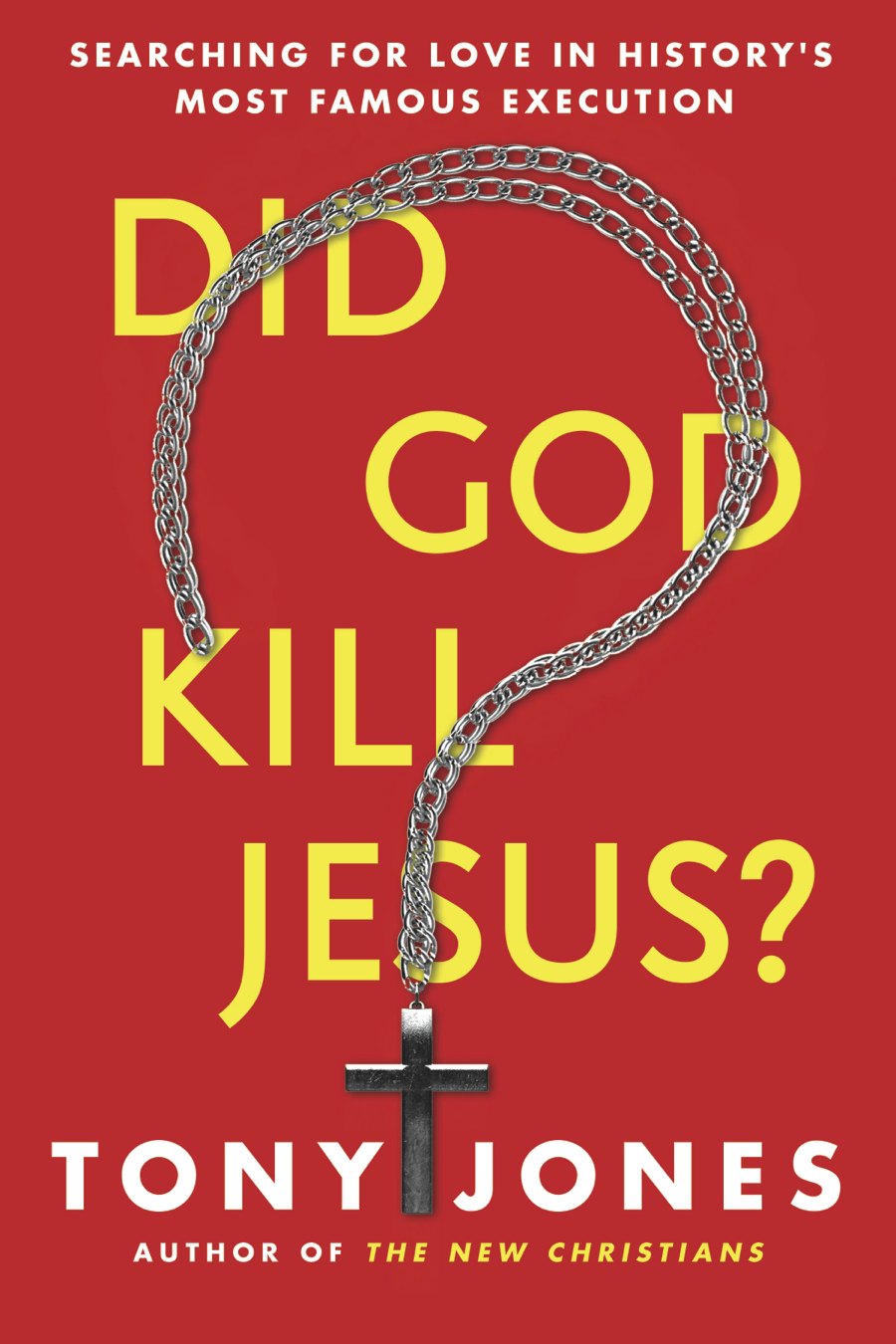
New Date, Final Cover, Big News #DGKJ

TRENDING AT PATHEOS Progressive Christian

Bridging the Gap Between God and Man
From Far Off to the Ultimate Embrace “God is a Spirit: and...

Let Matthew 25 Guide You to a Greater...
With the crisp feel of fall in the air, our minds quickly...

Can a Chatbot Touch Your Soul?
Can a chatbot offer genuine spiritual counsel? One conversation brought me to...

Religion and Politics: How Should We Then Live?
Two cultural axioms get repeated in polite company. Don't mix religion and...

7 Things We Get Wrong About Giving Thanks
It's a time of year when many of us turn to the...

Uncaging Truth: Spirituality Beyond Institutions
The Lost Connection: Why True Spirituality, Not Religion, Is the Key to...
view all Progressive Christian blogs
Ad-Free & Subscriber Log-In Subscription Support
- About Us
- 2026 Calendar
- Videos
- Podcasts
- Library of World Religions
- Faith In Media Tracker
- Advertise With Us
- Write for Us
- Privacy Policy
- Terms of Service
- Do Not Sell My Data
- Contact Us
- Radiant Digital
- Manage Newsletter Subscriptions
- Unsubscribe From Notifications
- Sitemap
Copyright 2008-2026, Patheos, part of the Radiant Digital network of media brands. All rights reserved.
Subscription Support Ad-Free & Subscriber Log-In
Follow Patheos