
BuddhistCatholicContemplativeEvangelicalGeneral ChristianHinduJewishLatter-day SaintMuslimNew VisionsProgressive Christian
Beliefs
- Buddhist
- Catholic
- Contemplative
- Evangelical
- General Christian
- Hindu
- Jewish
- Latter-day Saint
- More Voices
- Muslim
- New Visions
- Pagan
- Progressive Christian
Topics
- Religion News
- Food and Religion
- Sports and Religion
- Religious Art
- Religious Music and Entertainment
- Religious Events
- History and Religion
- Style and Religion
- Politics and Religion
- Women in Religion
- Recreation Outdoors and Religion
- Business Finance and Religion
- Careers Workplace and Religion
- Education and Religion
- Family Parenting and Religion
- Health Fitness and Religion
- Home and Religion
- Relationships and Religion
- Technology and Religion
- Travel and Religion
Columnists
- Buddhist Columnists
- Business Finance and Religion Columnists
- Careers Workplace and Religion Columnists
- Catholic Columnists
- Contemplative Columnists
- Education and Religion Columnists
- Evangelists Columnists
- Family Parenting and Religion Columnists
- General Christian Columnists
- Health Fitness and Religion Columnists
- Hindu Columnists
- History and Religion Columnists
- Home and Religion Columnists
- Jewish Columnists
- More Voices Columnists
- Latter Day Columnists
- Muslim Columnists
- New Visions Columnists
- Nonreligious Columnists
- Pagan Columnists
- Politics and Religion Columnists
- Progressive Columnists
- Recreation Outdoors and Religion Columnists
- Relationships and Religion Columnists
- Religion News Columnists
- Religious Art Columnists
- Religious Events Columnists
- Religious Music and Entertainment Columnists
- Sports and Religion Columnists
- Style and Religion Columnists
- Technology and Religion Columnists
- Travel and Religion Columnists
- Women in Religion Columnists
Resource Library
- 2026 Calendar
- Library of World Religions
- The 100 Most Holy Places on Earth
- Patheos Answers
- Podcasts
- Videos
- Faith Leaders Database
- Anglican Episcopalian
- Bahai
- Baptist
- Buddhism
- Christianity
- Confucianism
- Eastern Orthodoxy
- Hinduism
- Holiness and Pentecostal
- ISKCON
- Islam
- Judaism
- Lutheran
- Methodist
- The Church of Jesus Christ of Latter-day Saints
- New Age
- Paganism
- Presbytarian and Reformed
- Protestantism
- Religion Behind the Scenes
- Roman Catholic
- Scientology
- Shia Islam
- Sikhism
- Sufism
- Sunni Islam
- Taoism
- Zen
- See all religions
Research Tools
 Ad-Free & Subscriber Log-In Subscription Support
Follow Patheos 

- Trending:
- Advent
- |
- Forgiveness
- |
- Thanksgiving
- |
- Election
- |
- Seasonal Holidays
- |
- Marriage
 Theoblogy
- Home
- Progressive Christian
- If We’re Wrong, It’s No Big Deal [Questions That Haunt]
If We’re Wrong, It’s No Big Deal [Questions That Haunt]
Last updated on: March 13, 2015 at 4:48 pm by Tony Jones
If We’re Wrong, It’s No Big Deal [Questions That Haunt] 2015-03-13T16:48:42-05:00 Tony Jones
Patheos Explore the world's faith through different perspectives on religion and spirituality! Patheos has the views of the prevalent religions and spiritualities of the world.
In Tuesday’s Questions That Haunt Christianity, Bill Dahl asked,
What if we’re wrong? What if God turns out to be multi-faceted — one head that has many faces, including the faces of The Buddha, Mohammed, Moses and Jesus, as well as others?…What if religions are human constructs, not reflections of the face, heart, feet and hands of God?
As always, great comments ensued. I particularly liked this thread, because I have feelings like both Ric and Lausten,
What I don’t know about is Rob’s comment. Can someone live in nihilism? In doubt? Peter Rollins seems to abide there comfortably. Kierkegaard did. So have many others.
Doubt is part and parcel of my faith. Maybe for me it will some day abate, recede into faith, be absorbed into complete assurance. But to this point, that hasn’t happened. So I am indeed haunted by questions like Bill’s.
Before getting to the actual question, let me attempt to articulate why I believe in spite of my doubt. At this point in my life, I’d say that I do not believe because Christ makes the most sense. As Ric notes,
I do believe God is revealing Godself in all sorts of ways, including our others. I still think that Christ is the fullest revelation that God has given us. Christ is definitely one of the most challenging revelations, since the revelation of God in Christ pretty much flies in the face of every cultures’ metaphysics, ethics, politics, etc. It’s why we still talk about Christ 2000 years after the event.
I don’t believe in Christ because I have experienced Christ. I think I have experienced Christ, but not in a way so definitively that I could not reasonably account for them by describing any number of other phenomena.
Currently I believe in Christ because of the aesthetics of the Christ event. That is, the who Christ was and is — the life that Jesus led as recorded in the Gospels, the things he taught, and ultimately his death that brought and end to all primitive religious sacrifice — is so compellingly beautiful that I am caught up in it.
Like the greatest work of art ever created, the Christ-event has completely captured my imagination. It is a concept so profound that it demands everlasting unpacking and interpretation. Actually, I would call this “revelation.” In the Christ event, so much is revealed about the nature of God and the nature of humankind that its hermeneutical challenge is infinite.
This may seem like an odd reason to affirm the Christian faith, but its exactly what’s right for me. It’s the challenge that keeps me coming back. It’s interesting and compelling. Where others look for comfort, for answers, and for assurance, I hope for just the opposite.
I’m reminded of a quote by Fyodor Dostoevsky (whose Brothers Karamazov I am currently rereading):
“My hosanna has passed through a great furnace of doubts.” –Fyodor Dostoevsky
But how about Bill’s question? What if we’re wrong?
To me, the possibility that we’re wrong is one of the greatest reasons to approach the Christian faith with epistemic humility (a posture that I think we find in Brian McLaren’s new book). It does not seem unreasonable to me that as a Christian I both affirm the truth of Christ and also maintain the very real possibility that I’m wrong. To be sure, that is a difficult tension to maintain, but not impossible. And that is not a weakness of faith, or a lack of faith, but a realistic faith that entertains the possibility that I am mistaken.
If we are wrong about Christ, then I doubt we’ll know it in this life. While it is conceivable that some new information would come along that would completely negate the life of Christ or the record of his life in the Gospels, that seems very, very unlikely. It might make for an interesting intellectual exercise that Christianity would be proven wrong, but I’m not very interested in trucking in hypotheticals.
So then Bill’s question gets pushed to the afterlife. What if we wake up in eternity to discover that Christianity was merely one of many ways to know God in this life — or, most radically, that Christianity was a lie and revealed nothing about the true nature of God?
Since none of us knows what we will experience in the afterlife, any consideration of this question is pure speculation (Don Piper did not go to heaven). However, if anything from this life can be extrapolated to tell us about the afterlife, then it seems unlikely that the non-exclusivity of Christianity would be a very big deal. It’s hard to imagine that God would somehow be disappointed that several billion of us put our faith in a story that includes teachings about kindness and charity and ends with new life coming from a sacrificial death. Nor does it seem likely that, standing in the presence of the Creator, we would experience embarrassment or shame that we’d committed our lives to following a peasant-rabbi who preached peace and love and who sacrificed himself.
In other words, I’m saying that Pascal was right. If you’re going to push your chips to one side of the table, I honestly cannot imagine a better side than Christ’s. And, if we’re wrong, it’s not the end of the world.
Previous Post

October 18, 2012
Awesome Limericks = Free Books
Next Post

October 20, 2012 The Problem with Web Ads
Browse Our Archives
Select a Category bible blogging books christianity in america church church history dissertation divorce Dog Training education emergent church essay family funny glbt jopa productions ministry minnesota movies music parenting philosophy politics Prayer publishing Questions That Haunt random same sex marriage speaking spirituality Teaching technology television theology Travels Uncategorized writing youth ministry
Select a Month January 2015 December 2014 November 2014 October 2014 September 2014 August 2014 July 2014 June 2014 May 2014 April 2014 March 2014 February 2014 January 2014 December 2013 November 2013 October 2013 September 2013 August 2013 July 2013 June 2013 May 2013 April 2013 March 2013 February 2013 January 2013 December 2012 November 2012 October 2012 September 2012 August 2012 July 2012 June 2012 May 2012 April 2012 March 2012 February 2012 January 2012 December 2011 November 2011 October 2011 September 2011 August 2011 July 2011 June 2011 May 2011 April 2011 March 2011 February 2011 January 2011 December 2010 November 2010 October 2010 September 2010 August 2010 July 2010 June 2010 May 2010 April 2010 March 2010 February 2010 January 2010 December 2009 November 2009 October 2009 September 2009 August 2009 July 2009 June 2009 May 2009 April 2009 March 2009 February 2009 January 2009 December 2008 November 2008 October 2008 September 2008 August 2008 July 2008 June 2008 May 2008 April 2008 March 2008 February 2008 January 2008 December 2007 November 2007 October 2007 September 2007 August 2007 July 2007 June 2007 May 2007 April 2007 March 2007 February 2007 January 2007 December 2006 November 2006 October 2006 September 2006 August 2006 June 2006 May 2006 March 2006 February 2006 January 2006 December 2005 November 2005 October 2005 September 2005 August 2005 June 2005 April 2005 March 2005 February 2005 January 2005 December 2004 November 2004 October 2004 August 2004 February 2004 January 2004
Follow Us!
TAKE THE
Religious Wisdom Quiz
What Christian group traces its origins to the Azusa Street Revival?
Select your answer to see how you score.
Methodists Anglicans Pentecostals Lutherans
Related posts from Theoblogy
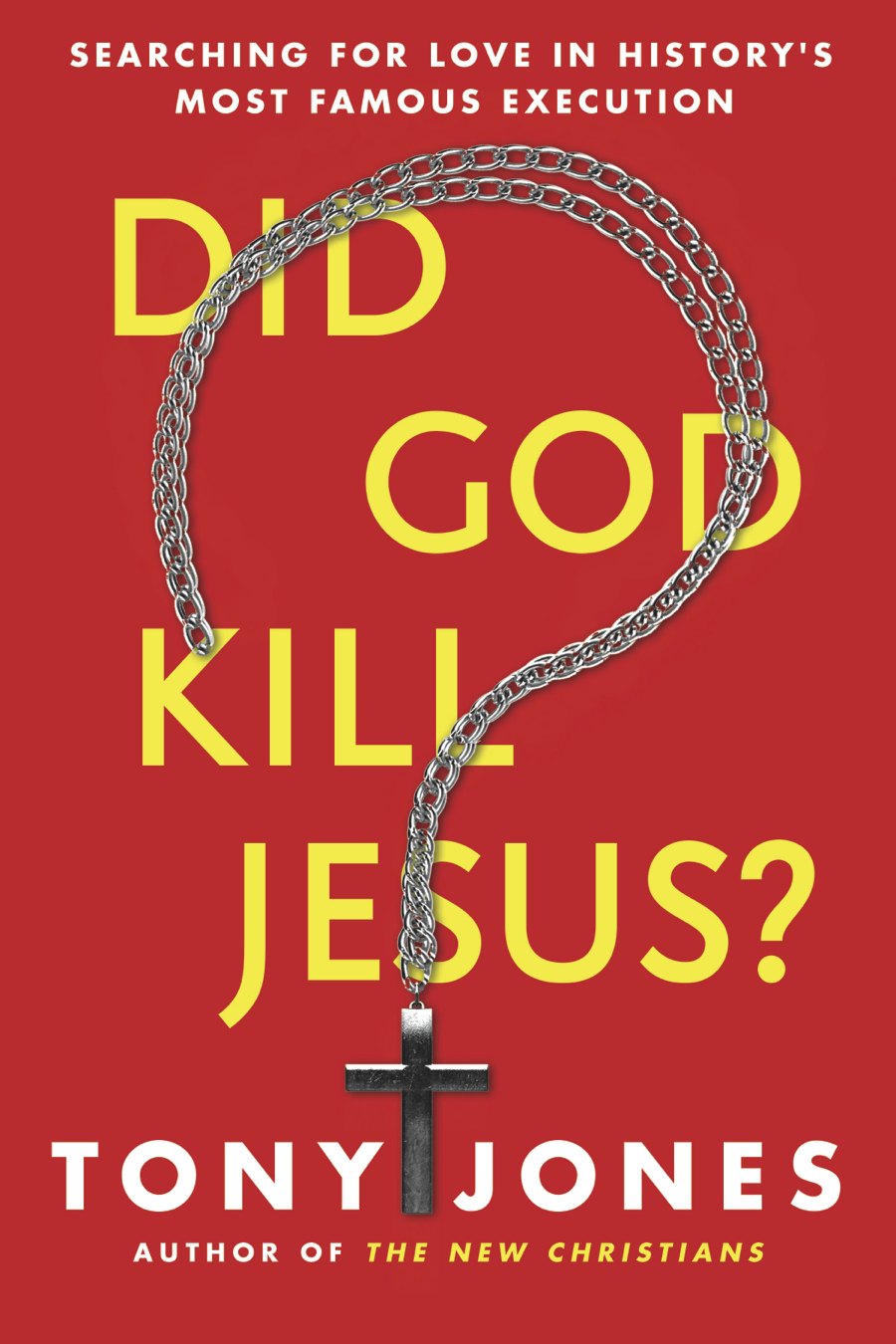
New Date, Final Cover, Big News #DGKJ

No One's Heard of Paul Ricoeur
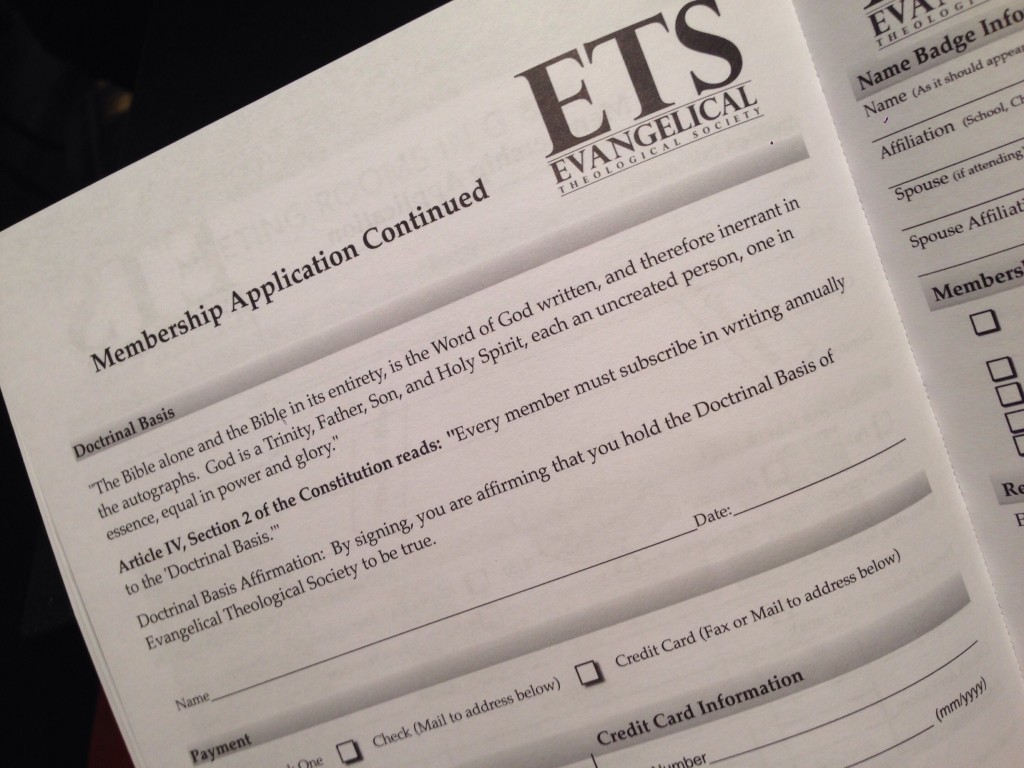
What Happened to Evangelical Theology? [#ETS2014 Liveblog]

TRENDING AT PATHEOS Progressive Christian

The Secret behind A Charlie Brown Thanksgiving
Where Franklin Sat at Charlie Brown's Thanksgiving Table Sparky was sticking to...

Bridging the Gap Between God and Man
From Far Off to the Ultimate Embrace “God is a Spirit: and...

Let Matthew 25 Guide You to a Greater...
With the crisp feel of fall in the air, our minds quickly...

Can a Chatbot Touch Your Soul?
Can a chatbot offer genuine spiritual counsel? One conversation brought me to...

Religion and Politics: How Should We Then Live?
Two cultural axioms get repeated in polite company. Don't mix religion and...

7 Things We Get Wrong About Giving Thanks
It's a time of year when many of us turn to the...
view all Progressive Christian blogs
Ad-Free & Subscriber Log-In Subscription Support
- About Us
- 2026 Calendar
- Videos
- Podcasts
- Library of World Religions
- Faith In Media Tracker
- Advertise With Us
- Write for Us
- Privacy Policy
- Terms of Service
- Do Not Sell My Data
- Contact Us
- Radiant Digital
- Manage Newsletter Subscriptions
- Unsubscribe From Notifications
- Sitemap
Copyright 2008-2026, Patheos, part of the Radiant Digital network of media brands. All rights reserved.
Subscription Support Ad-Free & Subscriber Log-In
Follow Patheos