
BuddhistCatholicContemplativeEvangelicalGeneral ChristianHinduJewishLatter-day SaintMuslimNew VisionsProgressive Christian
Beliefs
- Buddhist
- Catholic
- Contemplative
- Evangelical
- General Christian
- Hindu
- Jewish
- Latter-day Saint
- More Voices
- Muslim
- New Visions
- Pagan
- Progressive Christian
Topics
- Religion News
- Food and Religion
- Sports and Religion
- Religious Art
- Religious Music and Entertainment
- Religious Events
- History and Religion
- Style and Religion
- Politics and Religion
- Women in Religion
- Recreation Outdoors and Religion
- Business Finance and Religion
- Careers Workplace and Religion
- Education and Religion
- Family Parenting and Religion
- Health Fitness and Religion
- Home and Religion
- Relationships and Religion
- Technology and Religion
- Travel and Religion
Columnists
- Buddhist Columnists
- Business Finance and Religion Columnists
- Careers Workplace and Religion Columnists
- Catholic Columnists
- Contemplative Columnists
- Education and Religion Columnists
- Evangelists Columnists
- Family Parenting and Religion Columnists
- General Christian Columnists
- Health Fitness and Religion Columnists
- Hindu Columnists
- History and Religion Columnists
- Home and Religion Columnists
- Jewish Columnists
- More Voices Columnists
- Latter Day Columnists
- Muslim Columnists
- New Visions Columnists
- Nonreligious Columnists
- Pagan Columnists
- Politics and Religion Columnists
- Progressive Columnists
- Recreation Outdoors and Religion Columnists
- Relationships and Religion Columnists
- Religion News Columnists
- Religious Art Columnists
- Religious Events Columnists
- Religious Music and Entertainment Columnists
- Sports and Religion Columnists
- Style and Religion Columnists
- Technology and Religion Columnists
- Travel and Religion Columnists
- Women in Religion Columnists
Resource Library
- 2026 Calendar
- Library of World Religions
- The 100 Most Holy Places on Earth
- Patheos Answers
- Podcasts
- Videos
- Faith Leaders Database
- Anglican Episcopalian
- Bahai
- Baptist
- Buddhism
- Christianity
- Confucianism
- Eastern Orthodoxy
- Hinduism
- Holiness and Pentecostal
- ISKCON
- Islam
- Judaism
- Lutheran
- Methodist
- The Church of Jesus Christ of Latter-day Saints
- New Age
- Paganism
- Presbytarian and Reformed
- Protestantism
- Religion Behind the Scenes
- Roman Catholic
- Scientology
- Shia Islam
- Sikhism
- Sufism
- Sunni Islam
- Taoism
- Zen
- See all religions
Research Tools
 Ad-Free & Subscriber Log-In Subscription Support
Ad-Free & Subscriber Log-In Subscription Support
Follow Patheos 

- Trending:
- Forgiveness
- |
- Marriage
- |
- Consciousness
- |
- Death Penalty
- |
- Election
- |
- Halloween
 Grace Pending
- Home
- Catholic
- On Doubt And Faith, Briefly
On Doubt And Faith, Briefly
Last updated on: March 25, 2016 at 7:15 am by Tom Zampino
On Doubt And Faith, Briefly 2016-03-25T07:15:08-05:00 Tom Zampino
Patheos Explore the world's faith through different perspectives on religion and spirituality! Patheos has the views of the prevalent religions and spiritualities of the world.
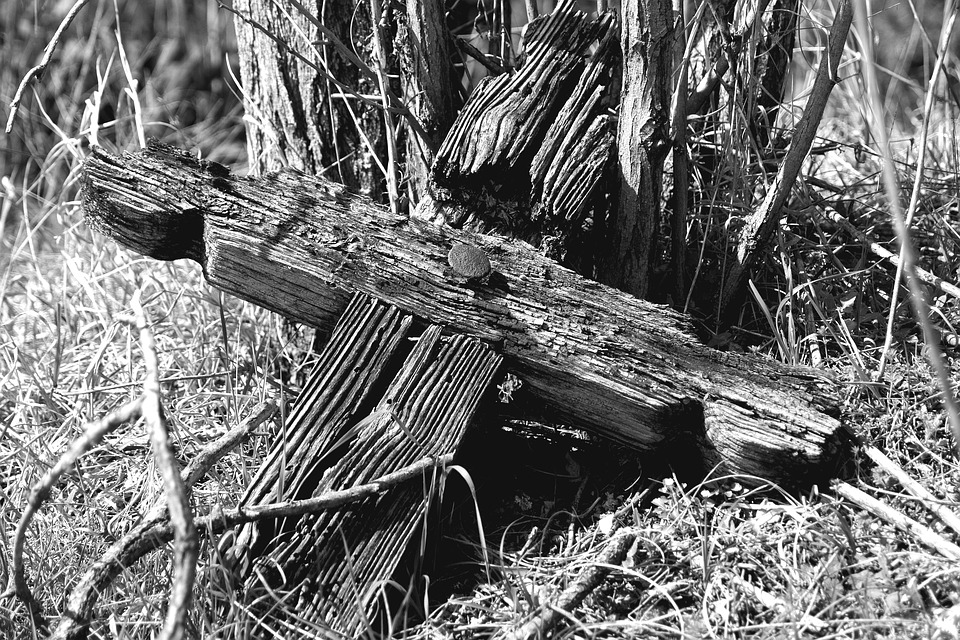
If There Is No Resurrection Of The Dead, Then Neither Has Christ Been Raised. And If Christ Has Not Been Raised, Then Empty Is Our Preaching; Empty, Too, Your Faith – 1 Corinthians 15:13-14
Having been given the name Thomas at birth, I suppose it’s not surprising that I’d have some natural affinity towards my more famous name-sake, the apostle widely-known for his doubt.
But to doubt doesn’t mean to act without faith, just look to Mother Teresa, or Thomas himself and see.
It does mean to set about thinking, contemplating, reasoning, and questioning.
And these are always positive things, never negative.
John Paul II opened Fides et Ratio with these words:
Faith and reason are like two wings on which the human spirit rises to the contemplation of truth; and God has placed in the human heart the desire to know the truth — in a word, to know himself — so that by knowing and loving God, men and women can come to the fullness of the truth about themselves.
And discovering this truth always carries with it some urgency within our own hearts:
[T]he more human beings know reality and the world, the more they know themselves in their uniqueness, with the question of the meaning of things and of their very existence becoming ever more pressing.
This is why all that is the object of our knowledge becomes a part of our life.
The admonition Know yourself was carved on the temple portal at Delphi, as testimony to a basic truth to be adopted as a minimal norm by those who seek to set themselves apart from the rest of creation as “human beings,” that is as those who “know themselves.”
So reason is a must, contemplation critical, logic essential.
Yet, these are means, not ends. And while reason and contemplation and logic may bump up against truth, they may never actually help us recognize it:
Anthropology, logic, the natural sciences, history, linguistics and so forth—the whole universe of knowledge has been involved in one way or another.
Yet the positive results achieved must not obscure the fact that reason, in its one-sided concern to investigate human subjectivity, seems to have forgotten that men and women are always called to direct their steps towards a truth which transcends them.
Sundered from that truth, individuals are at the mercy of caprice, and their state as person ends up being judged by pragmatic criteria based essentially upon experimental data, in the mistaken belief that technology must dominate all.
It has happened therefore that reason, rather than voicing the human orientation towards truth, has wilted under the weight of so much knowledge and little by little has lost the capacity to lift its gaze to the heights, not daring to rise to the truth of being.
Abandoning the investigation of being, modern philosophical research has concentrated instead upon human knowing.
Rather than make use of the human capacity to know the truth, modern philosophy has preferred to accentuate the ways in which this capacity is limited and conditioned.
So what’s my point?
As I said, I’ll be brief (this is not some academic discourse after all).
We are now entering into the most profound few days in our faith.
What we believe, what we feel from within, is not based upon our own first-hand witness. Rather, we are compelled to trust that which those first eye-witnesses reported.
But it’s not about blindly accepting some words on a page, no matter how truly inspired they are (and they are).
It’s really all about reason and contemplation and logic which leads us towards faith and truth and light.
Look, if we took even one honest step back, we have to realize that we really do believe some pretty outrageous things – a virgin birth, God becomes man, death conquered by resurrection.
And these are either the most fantastic and true and breath-taking things – or they things which are absolutely meaningless and false and deadly.
But we aren’t asked to accept any of them without reason and understanding.
Neither are we compelled to rely solely upon our rational senses.
We are whole beings, created to come to know ourselves rationally and to seek and find the truth spiritually.
And all of this is there, waiting for us to seek – and to find.
We just need to start.
Even when we doubt.
Perhaps, especially, when we do.
Have a Blessed Easter!
Peace
Image Credit: Pixabay.com
Previous Post
March 21, 2016
The Hesitation Of The Saints: Dorothy Day, Mother Teresa, Thomas Merton
Next Post

March 29, 2016 Holding On To The Fires Within
Browse Our Archives
Select a Category Belief Changes Evil Faith Guest Post Jenner Laudato si Lawyers Life Prayer Priesthood Reviews Uncategorized
Select a Month April 2016 March 2016 February 2016 January 2016 December 2015 November 2015 October 2015 September 2015 August 2015 July 2015 June 2015 May 2015 April 2015 March 2015 February 2015 January 2015 December 2014 November 2014 October 2014 September 2014 August 2014
Follow Us!
TAKE THE
Religious Wisdom Quiz
What Christian group believes in baptism for the dead?
Select your answer to see how you score.
Latter-day Saints Anglicans Presbyterians Pentecostals
Related posts from Grace Pending


Learning To Trust In The Day, Trusting To...

Thomas Merton And Bad Theology: Purposefully Pitting Ourselves,...

Elizabeth Scalia's Latest Book: "Little Sins Mean A...
TRENDING AT PATHEOS Catholic

Rejecting Doom: Christian Hope And Human Action
Christianity is a religion of hope. We are to have hope and...

It’s What Comes From Within Which Matters
One of the most difficult things for us to understand is why...

Why I Choose the Eucharist Over the Sermon
Choose the Eucharist, Not the Sermon What are we supposed to get...

5 Design Elements Found in Spiritually Rooted Homes
Putting Spirituality Into Home Decor Our homes are more than our living...

Credo: A Story of God Told with the...
About 10 years ago, I began to imagine a personal "Credo" that...

The Anatomy of Divine Revelation in Catholic Thought
The claim that God has made Himself known to human beings is...
view all Catholic blogs
Ad-Free & Subscriber Log-In Subscription Support
- About Us
- 2026 Calendar
- Videos
- Podcasts
- Library of World Religions
- Faith In Media Tracker
- Advertise With Us
- Write for Us
- Privacy Policy
- Terms of Service
- Do Not Sell My Data
- Contact Us
- Radiant Digital
- Manage Newsletter Subscriptions
- Unsubscribe From Notifications
- Sitemap
Copyright 2008-2026, Patheos. All rights reserved.
Subscription Support Ad-Free & Subscriber Log-In
Follow Patheos