
BuddhistCatholicContemplativeEvangelicalGeneral ChristianHinduJewishLatter-day SaintMuslimNew VisionsProgressive Christian
Beliefs
- Buddhist
- Catholic
- Contemplative
- Evangelical
- General Christian
- Hindu
- Jewish
- Latter-day Saint
- More Voices
- Muslim
- New Visions
- Pagan
- Progressive Christian
Topics
- Religion News
- Food and Religion
- Sports and Religion
- Religious Art
- Religious Music and Entertainment
- Religious Events
- History and Religion
- Style and Religion
- Politics and Religion
- Women in Religion
- Recreation Outdoors and Religion
- Business Finance and Religion
- Careers Workplace and Religion
- Education and Religion
- Family Parenting and Religion
- Health Fitness and Religion
- Home and Religion
- Relationships and Religion
- Technology and Religion
- Travel and Religion
Columnists
- Buddhist Columnists
- Business Finance and Religion Columnists
- Careers Workplace and Religion Columnists
- Catholic Columnists
- Contemplative Columnists
- Education and Religion Columnists
- Evangelists Columnists
- Family Parenting and Religion Columnists
- General Christian Columnists
- Health Fitness and Religion Columnists
- Hindu Columnists
- History and Religion Columnists
- Home and Religion Columnists
- Jewish Columnists
- More Voices Columnists
- Latter Day Columnists
- Muslim Columnists
- New Visions Columnists
- Nonreligious Columnists
- Pagan Columnists
- Politics and Religion Columnists
- Progressive Columnists
- Recreation Outdoors and Religion Columnists
- Relationships and Religion Columnists
- Religion News Columnists
- Religious Art Columnists
- Religious Events Columnists
- Religious Music and Entertainment Columnists
- Sports and Religion Columnists
- Style and Religion Columnists
- Technology and Religion Columnists
- Travel and Religion Columnists
- Women in Religion Columnists
Resource Library
- 2026 Calendar
- Library of World Religions
- The 100 Most Holy Places on Earth
- Patheos Answers
- Podcasts
- Videos
- Faith Leaders Database
- Anglican Episcopalian
- Bahai
- Baptist
- Buddhism
- Christianity
- Confucianism
- Eastern Orthodoxy
- Hinduism
- Holiness and Pentecostal
- ISKCON
- Islam
- Judaism
- Lutheran
- Methodist
- The Church of Jesus Christ of Latter-day Saints
- New Age
- Paganism
- Presbytarian and Reformed
- Protestantism
- Religion Behind the Scenes
- Roman Catholic
- Scientology
- Shia Islam
- Sikhism
- Sufism
- Sunni Islam
- Taoism
- Zen
- See all religions
Research Tools
 Ad-Free & Subscriber Log-In Subscription Support
Ad-Free & Subscriber Log-In Subscription Support
Follow Patheos 

- Trending:
- Forgiveness
- |
- Marriage
- |
- Consciousness
- |
- Death Penalty
- |
- Election
- |
- Halloween
 To Do Justice
- Home
- Progressive Christian
- Politics and Religion
- When Is Stopping a Pipeline Social Change?
When Is Stopping a Pipeline Social Change?
Last updated on: September 29, 2016 at 10:03 am by Rebecca Todd Peters
When Is Stopping a Pipeline Social Change? 2016-09-29T10:03:54-04:00 Rebecca Todd Peters
Patheos Explore the world's faith through different perspectives on religion and spirituality! Patheos has the views of the prevalent religions and spiritualities of the world.
credit
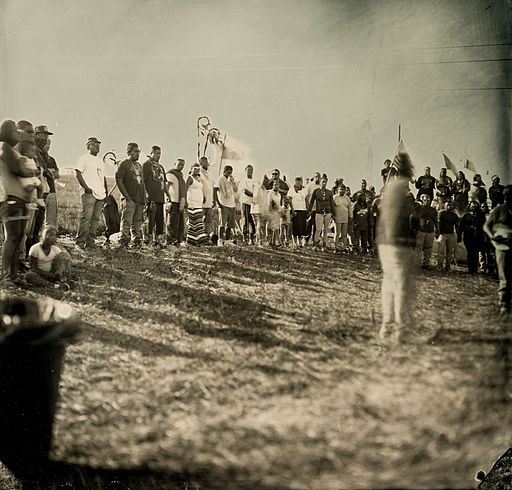
Two weeks ago, the Obama administration voluntarily halted construction of the Dakota Access Pipeline just hours after a federal judge had ruled that construction on the pipeline could continue.
While many people were surprised by this action, it represents one significant example of how the government can play an important role in long-term social change. Not something we often see a lot of success with given the nature of electoral democracy and the frequent changing of the political guard.
Nevertheless, long-term structural change is not only possible; it is the foundation for establishing the forms of social justice that are needed to create societies where all people have access to a “good life.”
In the case of the Dakota Access pipeline, the seeds for the Administration’s actions were planted eight years earlier when President Obama instituted his first White House Tribal Nations Conference in 2009. While President Clinton had also held a similar conference during his presidency, Obama has not only held the event annually, he has taken steps to institutionalize this conference so that it will continue under future administrations.
In 2013, Obama also established the White House Council on Native American Affairs. This Council is a permanent governmental body with a Cabinet-level focus on the issues of Native communities. While the Bureau of Indian Affairs continues to manage the land held in trust by the US for Native American peoples, the creation of the White House Council signaled a major shift in the representation of Native peoples at the federal level as well as a major shift in Native access to the President and his Administration.
The importance of this kind of access to political leaders cannot be overstated. In the case of the Dakota Access pipeline, Brian Cladoosby, the president of the National Congress of American Indians addressed the White House Council on Native American Affairs in early September, just days after guard dogs attacked Native American protestors at the pipeline site. Nearly a dozen of Obama’s Cabinet-level advisors were at that meeting where Cladoosby made a passionate plea that the Administration stand with the Standing Rock Sioux and other native communities to block the construction of the pipeline.
When asked what he planned to do about the pipeline controversy while he was at a meeting in Laos, President Obama said that he needed to consult his staff before making a decision.
While it is impossible (at this stage, at least) to know exactly what motivated the Interior and Justice Department, along with the Army Corps of Engineers to suspend construction on the pipeline, two things are clear:
1) President Obama has demonstrated unprecedented respect and attention to redressing the historic wrongs done to Native communities in the US.
2) Creating a permanent White House Council on Native American Affairs has afforded Native leaders a significant role in representing their concerns to the Administration directly.
On Monday, President Obama addressed the final Tribal Conference of his presidency highlighting some of the progress that his Administration has made over the last eight years including:
-restoring more than 428,000 acres of tribal homelands to their original owners
-establishing the Land Buy-Back program ($1.9-billion fund to consolidate individual Indian lands and restore them to tribal trusts
-expanded the Violence Against Women Act to protect all women from domestic violence
-given more power to tribal courts and police
Obama’s engagement with Native American communities demonstrates several important principles related to social change.
- Who is at the table matters
- Justice requires recognition of historic injustices AND reparations
- The personal commitments of individual leaders shape the agenda
So while stopping the Dakota Access pipeline, in and of itself, may not be social change – it may very well be a significant action in two essential social change movements that are necessary for doing justice in our country.
- A change in our cultural attitude about energy and fossil fuels
- A change in the way our country interacts with tribal nations
Each of these movements require shifting the attitudes and the behavior of the broader public as well as significant political leadership.
Obama’s actions with Native communities demonstrates that Presidents can play a significant role in institutionalizing social change that can have tremendous impact on individuals and communities.
Previous Post

September 25, 2016
Don’t Be an Asshole: Reflections on Civility
Next Post

September 30, 2016 How to Pray When You Don’t Believe in Magic
Browse Our Archives
Select a Category book review christian ethics christianity college/higher education economics ecumenism environment feminism feminism and feminist theology justice motherhood parenting politics poverty public policy reproductive justice sexuality social change solidarity Uncategorized
Select a Month September 2018 July 2018 June 2018 May 2018 April 2018 March 2018 February 2017 January 2017 November 2016 October 2016 September 2016 August 2016 July 2016 May 2016 April 2016 March 2016 February 2016 January 2016 December 2015 November 2015 October 2015 September 2015 August 2015 July 2015 June 2015 May 2015 April 2015 March 2015 February 2015
Follow Us!
TAKE THE
Religious Wisdom Quiz
What is the longest chapter in the Bible?
Select your answer to see how you score.
Isaiah 53 Psalm 119 Psalm 23 Genesis 1
Related posts from To Do Justice


Kavanaugh and the Threat to Women

Women’s Unalienable Rights Cannot Be Subject to Whims...

Last Week Was Hard: Moving Reproductive Justice Forward...
TRENDING AT PATHEOS Progressive Christian

Why Christians Have a Sacred Duty to Vote:...
The Bible offers strong support for the sacred duty to vote. Here...

What Being a Modern-Day Apostle Means to Me
In my last column, I discussed the ins and outs of modern-day...

Did Ancient China Once Worship the God of...
Across human history, a common thread weaves through the origins of the...

Love Your Neighbor – Including Earth-Kin: Lev. 19,...
God’s command to love your neighbor means acting in an ethical and...

Lead a Church Study of “Jesus and Lao...
Guest writer Jack Thomas (The Irreverent Reverend) reflects on leading his church...

Principles for Understanding the Apostolic Ministry Today
Whenever people discover that my formal ministry title is "apostle," as in...
view all Progressive Christian blogs
Ad-Free & Subscriber Log-In Subscription Support
- About Us
- 2026 Calendar
- Videos
- Podcasts
- Library of World Religions
- Faith In Media Tracker
- Advertise With Us
- Write for Us
- Privacy Policy
- Terms of Service
- Do Not Sell My Data
- Contact Us
- Radiant Digital
- Manage Newsletter Subscriptions
- Unsubscribe From Notifications
- Sitemap
Copyright 2008-2026, Patheos. All rights reserved.
Subscription Support Ad-Free & Subscriber Log-In
Follow Patheos