
BuddhistCatholicContemplativeEvangelicalGeneral ChristianHinduJewishLatter-day SaintMuslimNew VisionsProgressive Christian
Beliefs
- Buddhist
- Catholic
- Contemplative
- Evangelical
- General Christian
- Hindu
- Jewish
- Latter-day Saint
- More Voices
- Muslim
- New Visions
- Pagan
- Progressive Christian
Topics
- Religion News
- Food and Religion
- Sports and Religion
- Religious Art
- Religious Music and Entertainment
- Religious Events
- History and Religion
- Style and Religion
- Politics and Religion
- Women in Religion
- Recreation Outdoors and Religion
- Business Finance and Religion
- Careers Workplace and Religion
- Education and Religion
- Family Parenting and Religion
- Health Fitness and Religion
- Home and Religion
- Relationships and Religion
- Technology and Religion
- Travel and Religion
Columnists
- Buddhist Columnists
- Business Finance and Religion Columnists
- Careers Workplace and Religion Columnists
- Catholic Columnists
- Contemplative Columnists
- Education and Religion Columnists
- Evangelists Columnists
- Family Parenting and Religion Columnists
- General Christian Columnists
- Health Fitness and Religion Columnists
- Hindu Columnists
- History and Religion Columnists
- Home and Religion Columnists
- Jewish Columnists
- More Voices Columnists
- Latter Day Columnists
- Muslim Columnists
- New Visions Columnists
- Nonreligious Columnists
- Pagan Columnists
- Politics and Religion Columnists
- Progressive Columnists
- Recreation Outdoors and Religion Columnists
- Relationships and Religion Columnists
- Religion News Columnists
- Religious Art Columnists
- Religious Events Columnists
- Religious Music and Entertainment Columnists
- Sports and Religion Columnists
- Style and Religion Columnists
- Technology and Religion Columnists
- Travel and Religion Columnists
- Women in Religion Columnists
Resource Library
- 2026 Calendar
- Library of World Religions
- The 100 Most Holy Places on Earth
- Patheos Answers
- Podcasts
- Videos
- Faith Leaders Database
- Anglican Episcopalian
- Bahai
- Baptist
- Buddhism
- Christianity
- Confucianism
- Eastern Orthodoxy
- Hinduism
- Holiness and Pentecostal
- ISKCON
- Islam
- Judaism
- Lutheran
- Methodist
- The Church of Jesus Christ of Latter-day Saints
- New Age
- Paganism
- Presbytarian and Reformed
- Protestantism
- Religion Behind the Scenes
- Roman Catholic
- Scientology
- Shia Islam
- Sikhism
- Sufism
- Sunni Islam
- Taoism
- Zen
- See all religions
Research Tools
 Ad-Free & Subscriber Log-In Subscription Support
Ad-Free & Subscriber Log-In Subscription Support
Follow Patheos 

- Trending:
- Forgiveness
- |
- Marriage
- |
- Consciousness
- |
- Death Penalty
- |
- Election
- |
- Halloween
 To Do Justice
- Home
- Progressive Christian
- Politics and Religion
- Are Whites Guilty of Racism or Just Responsible For It?
Are Whites Guilty of Racism or Just Responsible For It?
Last updated on: April 5, 2016 at 10:31 am by Rebecca Todd Peters
Are Whites Guilty of Racism or Just Responsible For It? 2016-04-05T10:31:02-04:00 Rebecca Todd Peters
Patheos Explore the world's faith through different perspectives on religion and spirituality! Patheos has the views of the prevalent religions and spiritualities of the world.
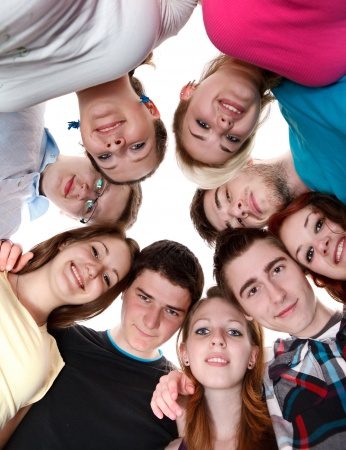
credit
Dear Casey,
It is fine, I wanted to poke your brain a little with what I wrote, which is why it took me so long. Now with regards to your question about whether I think that the harms to POC that came with integration were explicitly intentional or not. I do not believe that schools were intentionally integrated to harm Black students’ dignity. I do believe that people thought integration of the schools was the best thing for the advancement of Black people and a step in the eradication of racism. I think what did happen was that since they could not stop the integration, white people in power who did not want the integration to happen had to find a new way to oppress the black students which is how we get our system today.
I completely understand/agree with your point about white people having to have a personal connection with Black people to understand what is going on. I also agree that ignorance and complacency play a huge role in preventing white people from hearing Black voices. But, my follow up questions are: Do you think white people can help unclog the ears of other white people to make them more willing to listen to Black people? If so, why are they not doing that already? And why are white allies not leading other white people who do not understand the struggle of POC? I ask these questions because as I was reading your entry, which leads into your next point about white liberals, why are the white people who can hear the screams of Black people not actively working to unclog the ears of their acquaintances?
In my class, we have discussed Young as well and discussed this exact thinking about the distinction between guilt and responsibility and I think it is a great explanation. My issue with it is the line between guilt and responsibility so hopefully you can give me a little more insight. Does directly participating in something that continues racism make you guilty? Or are you just a product of society and are just responsible?
For example, going back to Nazi Germany, are the people who boycotted Jewish businesses or did not speak up when their Jewish neighbors and friends started to be deported guilty of advancing the Nazi agenda? Or are they just responsible?
I agree that it is not individual white people’s fault that they live and participate in a racist society, but I do think that individual white people are guilty, in the sense that Young speaks of guilt, for the continuation of racism and I think Yancy would agree. I agree with him that men are guilty of being sexist, whether we like it or not. I think one of Yancy’s points is that we cannot fight racism and appease white people. That white people are going to have to feel uncomfortable to make a change and take a hard look at how they are guilty of being racist and responsible for racism. I think that telling them that they are not guilty of racism defeats that purpose and only continues this idea of denial because while they did not directly implement the institutional structures that oppress black people they may do things that help to promote those structures.
Yancy talks about how the white women who posed the question about Yancy’s elevator example might be thinking about times where she was racist and in order to feel not feel guilty, she “lies” about being mistaken and not being racist. But I think the other important point that Yancy brings up is the fact that we do not want to hinder progress or make white people feel guilty. I think rather we want and need to incite change and make white people want to change because they realize their guilt. Also when you say it is their job to work on fixing it, what are white people needing to work on fixing? If it is fixing the racist culture and institutional racism, I do not think it is white people’s role to fix that. I think Black people are more than capable of fixing the culture ourselves. What we need help with is changing the minds of white people so that they respect us as people and will listen to our cries.
Back to your answers about your goals of being an ally, I think those are great goals, granted I have no clue what an ideal ally would be. I was just curious as to how you see yourself as an ally and what you think it means to be an ally. For me, I guess the ideal ally would be someone who works with their white counterparts to change the mindset white people have about race and racism. I think that is the most effective and most beneficial for the struggle of equality and eradicating racism. By making more white people open to hearing what Black people have to say, we can create real change by erasing the racism and institutional racism that is oppressing Black people instead of just changing the name of the institution and calling it progress.
Dear Chris,
That’s a really good question about the line between guilt and responsibility. Young argues that the two aren’t mutually exclusive, and I think that’s exactly what the situation is with racism. My thoughts are that people are responsible for “racism” as a cultural and institutionalized fact of our society and guilty for the individual racist acts they commit. In other words, they are not guilty of being racist, but are guilty of any of their own behaviors that result from that racism.
Likewise, I would say men are not guilty of being sexist but are guilty of their sexist actions. They are responsible for sexism, but the fact that they are sexist isn’t their fault—it’s an unavoidable part of living in our society.
I completely see what you’re saying about how ignoring white people’s guilt can be a way of appeasing them and letting them continue in a state of denial, but I think if white people can rightly understand what it means to be responsible in the way Young uses the term, then being relieved of personal guilt doesn’t in any way imply they can continue being complicit in racism. We need to tell white people this is their problem even if they aren’t personally guilty of their own racism. They are still responsible for racism and still need to act.
What exactly white people are responsible for fixing is a harder question for me. I would say it’s certainly important to help other white people come to understand better how racism operates and in what ways they perpetuate it and are responsible for it. But although I see where you’re coming from, I somewhat disagree that Black people can change the culture independently of white people. I do believe Black people have to be the guiding force behind this change, but simply by the nature of culture, I don’t see a way to make that change unless the majority of the population, regardless of race, can agree that it’s an issue and cooperate to change it.
Culture is formed in the public arena, yes, but it’s also formed in every household, every classroom, and every Girl Scout meeting. Culture is learned every time a child (or anyone) interacts with others and learns new behaviors and social norms. In order to make a cultural shift, I think everyone, white people included, needs to take an active role, starting in their own families and social groups.
I don’t know what I think about white people unclogging the ears of other white people. I want to say they can, but I’ve personally met with so little success when I try. A lot of times it’s running into the white liberal problem. I’m met with “Yeah, I know racism is real and bad,” and then they won’t listen to anything else. Or sometimes people will flat out tell me that they don’t believe the experiences of Black people that I’m telling secondhand are actually things that happen to Black people. It’s a frustrating paradox because it feels like they don’t believe me when I talk to them about the subtle ways racism happens in our country because I’m not Black, but at the same time don’t believe Black people when they talk about it because they’re just “angry Black people” being oversensitive.
I don’t know what the answer is, but maybe a good place to start would be figuring out why most white people aren’t willing to listen. If we can figure out what those white people are trying to avoid, it could help us find ways that white allies at Elon might be able to talk to their white peers about racism in a way that makes it easier for them to accept. Are they most afraid of being called racist? Hesitant to involve themselves in a fight without easy answers? Unwilling to engage in an issue that they don’t feel relates to them? Each of those has different implications for how to start a conversation about race.
I think Yancy would argue that one of the core issues is simply denial of the embedded racist self. White people want to believe that we are autonomous—that we are only being racist if we are making a conscious decision to be racist and that those decisions are the only things we’re responsible for. By not recognizing the opaque racist self, white people believe that they would know if they were racist. If they don’t see their own racism, it probably doesn’t exist, and if they, as a fully autonomous individuals, are not being racist, they have no responsibility to address racism. They may passively support antiracist efforts when it is convenient and comfortable for them, but since they are not responsible, this is just a bonus that proves how good and liberal a person they are.
This spring I am teaching two classes that deal with the issues of race and racism. One is “Racism and Black Theology” and the other is “Poverty and Social Justice.” I invited one student from each class to engage in a dialogue about race and racism at Elon University while drawing on their learnings from each course. This is the fifth in a series of posts that will chronicle that dialogue. I hope their conversation will prompt readers to also think more critically about issues of race and racism. And I invite readers to engage their ideas in the comments section.
The authors of this dialogue are Chris Tarpley (Racism and Black Theology) and Casey Morrison (Poverty and Social Justice).
Previous Post

April 3, 2016
Do White People Need Black Friends?
Next Post

April 8, 2016 How To Be an Effective White Ally
Browse Our Archives
Select a Category book review christian ethics christianity college/higher education economics ecumenism environment feminism feminism and feminist theology justice motherhood parenting politics poverty public policy reproductive justice sexuality social change solidarity Uncategorized
Select a Month September 2018 July 2018 June 2018 May 2018 April 2018 March 2018 February 2017 January 2017 November 2016 October 2016 September 2016 August 2016 July 2016 May 2016 April 2016 March 2016 February 2016 January 2016 December 2015 November 2015 October 2015 September 2015 August 2015 July 2015 June 2015 May 2015 April 2015 March 2015 February 2015
Follow Us!
TAKE THE
Religious Wisdom Quiz
I worked with a trowel in one hand and a weapon in the other, ready to build and fight. Who am I?
Select your answer to see how you score.
The servants The Tribe of Judah The builders The Priests
Related posts from To Do Justice


Kavanaugh and the Threat to Women

Women’s Unalienable Rights Cannot Be Subject to Whims...

Last Week Was Hard: Moving Reproductive Justice Forward...
TRENDING AT PATHEOS Progressive Christian

Why Christians Have a Sacred Duty to Vote:...
The Bible offers strong support for the sacred duty to vote. Here...

What Being a Modern-Day Apostle Means to Me
In my last column, I discussed the ins and outs of modern-day...

Did Ancient China Once Worship the God of...
Across human history, a common thread weaves through the origins of the...

Love Your Neighbor – Including Earth-Kin: Lev. 19,...
God’s command to love your neighbor means acting in an ethical and...

Lead a Church Study of “Jesus and Lao...
Guest writer Jack Thomas (The Irreverent Reverend) reflects on leading his church...

Principles for Understanding the Apostolic Ministry Today
Whenever people discover that my formal ministry title is "apostle," as in...
view all Progressive Christian blogs
Ad-Free & Subscriber Log-In Subscription Support
- About Us
- 2026 Calendar
- Videos
- Podcasts
- Library of World Religions
- Faith In Media Tracker
- Advertise With Us
- Write for Us
- Privacy Policy
- Terms of Service
- Do Not Sell My Data
- Contact Us
- Radiant Digital
- Manage Newsletter Subscriptions
- Unsubscribe From Notifications
- Sitemap
Copyright 2008-2026, Patheos. All rights reserved.
Subscription Support Ad-Free & Subscriber Log-In
Follow Patheos