
BuddhistCatholicContemplativeEvangelicalGeneral ChristianHinduJewishLatter-day SaintMuslimNew VisionsProgressive Christian
Beliefs
- Buddhist
- Catholic
- Contemplative
- Evangelical
- General Christian
- Hindu
- Jewish
- Latter-day Saint
- More Voices
- Muslim
- New Visions
- Pagan
- Progressive Christian
Topics
- Religion News
- Food and Religion
- Sports and Religion
- Religious Art
- Religious Music and Entertainment
- Religious Events
- History and Religion
- Style and Religion
- Politics and Religion
- Women in Religion
- Recreation Outdoors and Religion
- Business Finance and Religion
- Careers Workplace and Religion
- Education and Religion
- Family Parenting and Religion
- Health Fitness and Religion
- Home and Religion
- Relationships and Religion
- Technology and Religion
- Travel and Religion
Columnists
- Buddhist Columnists
- Business Finance and Religion Columnists
- Careers Workplace and Religion Columnists
- Catholic Columnists
- Contemplative Columnists
- Education and Religion Columnists
- Evangelists Columnists
- Family Parenting and Religion Columnists
- General Christian Columnists
- Health Fitness and Religion Columnists
- Hindu Columnists
- History and Religion Columnists
- Home and Religion Columnists
- Jewish Columnists
- More Voices Columnists
- Latter Day Columnists
- Muslim Columnists
- New Visions Columnists
- Nonreligious Columnists
- Pagan Columnists
- Politics and Religion Columnists
- Progressive Columnists
- Recreation Outdoors and Religion Columnists
- Relationships and Religion Columnists
- Religion News Columnists
- Religious Art Columnists
- Religious Events Columnists
- Religious Music and Entertainment Columnists
- Sports and Religion Columnists
- Style and Religion Columnists
- Technology and Religion Columnists
- Travel and Religion Columnists
- Women in Religion Columnists
Resource Library
- 2026 Calendar
- Library of World Religions
- The 100 Most Holy Places on Earth
- Patheos Answers
- Podcasts
- Videos
- Faith Leaders Database
- Anglican Episcopalian
- Bahai
- Baptist
- Buddhism
- Christianity
- Confucianism
- Eastern Orthodoxy
- Hinduism
- Holiness and Pentecostal
- ISKCON
- Islam
- Judaism
- Lutheran
- Methodist
- The Church of Jesus Christ of Latter-day Saints
- New Age
- Paganism
- Presbytarian and Reformed
- Protestantism
- Religion Behind the Scenes
- Roman Catholic
- Scientology
- Shia Islam
- Sikhism
- Sufism
- Sunni Islam
- Taoism
- Zen
- See all religions
Research Tools
 Ad-Free & Subscriber Log-In Subscription Support
Ad-Free & Subscriber Log-In Subscription Support
Follow Patheos 

- Trending:
- Forgiveness
- |
- Marriage
- |
- Consciousness
- |
- Death Penalty
- |
- Election
- |
- Halloween
 To Do Justice
- Home
- Progressive Christian
- Politics and Religion
- Debunking the Myth of “Bootstrap” Morality
Debunking the Myth of “Bootstrap” Morality
Last updated on: August 22, 2015 at 3:11 pm by Rebecca Todd Peters
Debunking the Myth of “Bootstrap” Morality 2015-08-22T15:11:19-04:00 Rebecca Todd Peters
Patheos Explore the world's faith through different perspectives on religion and spirituality! Patheos has the views of the prevalent religions and spiritualities of the world.
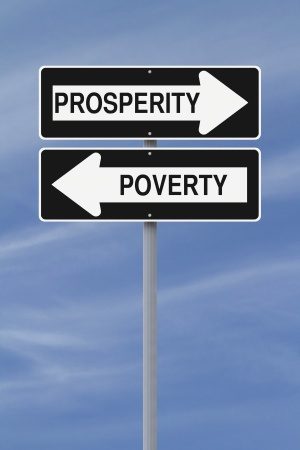 When I was in college, my dad lost his job and my parents made due for a year selling people buttons with their kids pictures on them at malls and craft shows while he worked to find a new church. As a preacher’s kid, I had grown up solidly middle-class. While I had a lot of hand-me-down clothes and we rarely bought a new car, we always had enough. We were comfortable.
The year my parents were “between” jobs, our family income plummeted so low that I qualified for a Pell grant for the first time. I was attending a small private, Presbyterian college and it wasn’t cheap. I was also waiting tables to pay for my books and to save money so I could afford to do an unpaid internship the summer between my junior and senior years. That year at Thanksgiving, my boss gave all the employees a turkey and I took it with me when I went home to spend the holiday with my parents that year.
My dad went on to pastor several more churches and I always think about that year as his mid-life crisis. But as stressful as it was for all of us, we had innumerable safety nets that helped us to make it through the year and help my parents get back on their feet again. We were lucky, more lucky than many middle to low income workers in the country right now.
The myths of individualism, self-sufficiency, hard work, and “bootstrap” morality function to shape how we think about the problems of poverty, homelessness, and economic inequality in this country today. We are too quick to blame people for their problems or to want to know their stories and their history so we can determine if they “deserve” our help.
It is true that most people who are middle to upper-middle class have worked very hard to get where they are today. Not only that, they continue to work hard on a daily basis. Most people who work really do “earn” their wages.
If I count kindergarten (and we really always should count kindergarten because it so important for children to start their education on the right foot!), I had 26 years of schooling. Not only did I work hard to get where I am today, I work hard every day at my job as a college professor. As part of a dual income professional family, we often employ other people to do many of the tasks that feminists refer to as “reproductive labor,” tasks that are necessary in the maintenance and support of life (housecleaning, cooking, child care, yard work, etc.). The woman who cleans our house has been cleaning it for thirteen years. She cleans many people’s homes for a living and she works very hard at what she does.
Most college professors make a solidly middle-class wage. Most women who clean houses for a living don’t. Nor do the men and women who work in the retail stores where we buy our clothes and other necessities or those who serve us food in restaurants or those who work in the day cares that many people need in order to be able to work themselves. And, of course, questions of retirement savings, healthcare, vacation, and other benefits are beside the point for most people who work for an hourly wage.
I have waited tables, I have worked in retail, I have had other “unskilled” jobs, most of which actually required training and a fair amount of skill to do well. At the end of a work-day as a college professor, I am rarely as exhausted or physically taxed as I was when I worked many of these jobs. Most of the people I have known over the years who work in the “service” sector have very similar hopes and dreams to my own – to have a family and to be able to take care of them and spend time with them.
Yet, somehow we have managed to shape a 21st century economy that has generated the broadest economic inequality in our country since the age of the Robber Barons.
Despite our insistence that if people just worked harder they would improve their economic circumstances, the data we have doesn’t bear that out. Economic mobility is often about where you live, how much money your parents make, what kind of education you get, and how strong your social safety net is. Middle and upper-middle class people often have existing social safety nets that help them out.
From my friends and co-workers in Memphis to my parents’ savings and the federal Pell grant program, my family had a combination of people, community, churches, connections, and government support that helped us make it through our struggles. Nor did I make it through my 26 years of schooling on my own. My parents, my friends, my husband and family, and countless teachers and mentors supported and helped me become the person I am today. I have worked hard my whole life, but I am not a self-made woman, I did not “pull myself up by my bootstraps.”
My success, and the success of most people, is a combination of hard work, supportive communities, and opportunity. Recognition of our interdependence as a human community and our dependence on one another is particularly important for people of faith who recognize our dependence on something greater than ourselves.
Rethinking how we think about poverty is an essential first step in developing public policy and community solutions that have a chance in hell of actually affecting change. In my next blog post, I will highlight a new approach to teaching poverty to undergraduates that is working toward this goal.
image Copyright: <a href=’http://www.123rf.com/profile_rnl’>rnl / 123RF Stock Photo</a>
Previous Post

May 9, 2015
A Prayer for Mothers
Next Post
June 8, 2015 Transforming the Teaching of Poverty
Browse Our Archives
Select a Category book review christian ethics christianity college/higher education economics ecumenism environment feminism feminism and feminist theology justice motherhood parenting politics poverty public policy reproductive justice sexuality social change solidarity Uncategorized
Select a Month September 2018 July 2018 June 2018 May 2018 April 2018 March 2018 February 2017 January 2017 November 2016 October 2016 September 2016 August 2016 July 2016 May 2016 April 2016 March 2016 February 2016 January 2016 December 2015 November 2015 October 2015 September 2015 August 2015 July 2015 June 2015 May 2015 April 2015 March 2015 February 2015
Follow Us!
TAKE THE
Religious Wisdom Quiz
Who was promised descendants as numerous as the stars?
Select your answer to see how you score.
Jacob Moses Abraham David
Related posts from To Do Justice


Kavanaugh and the Threat to Women

Women’s Unalienable Rights Cannot Be Subject to Whims...

Last Week Was Hard: Moving Reproductive Justice Forward...
TRENDING AT PATHEOS Progressive Christian

Why Christians Have a Sacred Duty to Vote:...
The Bible offers strong support for the sacred duty to vote. Here...

What Being a Modern-Day Apostle Means to Me
In my last column, I discussed the ins and outs of modern-day...

Did Ancient China Once Worship the God of...
Across human history, a common thread weaves through the origins of the...

Love Your Neighbor – Including Earth-Kin: Lev. 19,...
God’s command to love your neighbor means acting in an ethical and...

Lead a Church Study of “Jesus and Lao...
Guest writer Jack Thomas (The Irreverent Reverend) reflects on leading his church...

Principles for Understanding the Apostolic Ministry Today
Whenever people discover that my formal ministry title is "apostle," as in...
view all Progressive Christian blogs
Ad-Free & Subscriber Log-In Subscription Support
- About Us
- 2026 Calendar
- Videos
- Podcasts
- Library of World Religions
- Faith In Media Tracker
- Advertise With Us
- Write for Us
- Privacy Policy
- Terms of Service
- Do Not Sell My Data
- Contact Us
- Radiant Digital
- Manage Newsletter Subscriptions
- Unsubscribe From Notifications
- Sitemap
Copyright 2008-2026, Patheos. All rights reserved.
Subscription Support Ad-Free & Subscriber Log-In
Follow Patheos