
BuddhistCatholicContemplativeEvangelicalGeneral ChristianHinduJewishLatter-day SaintMuslimNew VisionsProgressive Christian
Beliefs
- Buddhist
- Catholic
- Contemplative
- Evangelical
- General Christian
- Hindu
- Jewish
- Latter-day Saint
- More Voices
- Muslim
- New Visions
- Pagan
- Progressive Christian
Topics
- Religion News
- Food and Religion
- Sports and Religion
- Religious Art
- Religious Music and Entertainment
- Religious Events
- History and Religion
- Style and Religion
- Politics and Religion
- Women in Religion
- Recreation Outdoors and Religion
- Business Finance and Religion
- Careers Workplace and Religion
- Education and Religion
- Family Parenting and Religion
- Health Fitness and Religion
- Home and Religion
- Relationships and Religion
- Technology and Religion
- Travel and Religion
Columnists
- Buddhist Columnists
- Business Finance and Religion Columnists
- Careers Workplace and Religion Columnists
- Catholic Columnists
- Contemplative Columnists
- Education and Religion Columnists
- Evangelists Columnists
- Family Parenting and Religion Columnists
- General Christian Columnists
- Health Fitness and Religion Columnists
- Hindu Columnists
- History and Religion Columnists
- Home and Religion Columnists
- Jewish Columnists
- More Voices Columnists
- Latter Day Columnists
- Muslim Columnists
- New Visions Columnists
- Nonreligious Columnists
- Pagan Columnists
- Politics and Religion Columnists
- Progressive Columnists
- Recreation Outdoors and Religion Columnists
- Relationships and Religion Columnists
- Religion News Columnists
- Religious Art Columnists
- Religious Events Columnists
- Religious Music and Entertainment Columnists
- Sports and Religion Columnists
- Style and Religion Columnists
- Technology and Religion Columnists
- Travel and Religion Columnists
- Women in Religion Columnists
Resource Library
- 2026 Calendar
- Library of World Religions
- The 100 Most Holy Places on Earth
- Patheos Answers
- Podcasts
- Videos
- Faith Leaders Database
- Anglican Episcopalian
- Bahai
- Baptist
- Buddhism
- Christianity
- Confucianism
- Eastern Orthodoxy
- Hinduism
- Holiness and Pentecostal
- ISKCON
- Islam
- Judaism
- Lutheran
- Methodist
- The Church of Jesus Christ of Latter-day Saints
- New Age
- Paganism
- Presbytarian and Reformed
- Protestantism
- Religion Behind the Scenes
- Roman Catholic
- Scientology
- Shia Islam
- Sikhism
- Sufism
- Sunni Islam
- Taoism
- Zen
- See all religions
Research Tools
 Ad-Free & Subscriber Log-In Subscription Support
Ad-Free & Subscriber Log-In Subscription Support
Follow Patheos 

- Trending:
- Forgiveness
- |
- Marriage
- |
- Consciousness
- |
- Death Penalty
- |
- Election
- |
- Halloween
 To Do Justice
- Home
- Progressive Christian
- Politics and Religion
- Progressive Christian Ethics
Progressive Christian Ethics
Last updated on: August 21, 2015 at 6:56 pm by Rebecca Todd Peters
Progressive Christian Ethics 2015-08-21T18:56:08-04:00 Rebecca Todd Peters
Patheos Explore the world's faith through different perspectives on religion and spirituality! Patheos has the views of the prevalent religions and spiritualities of the world.
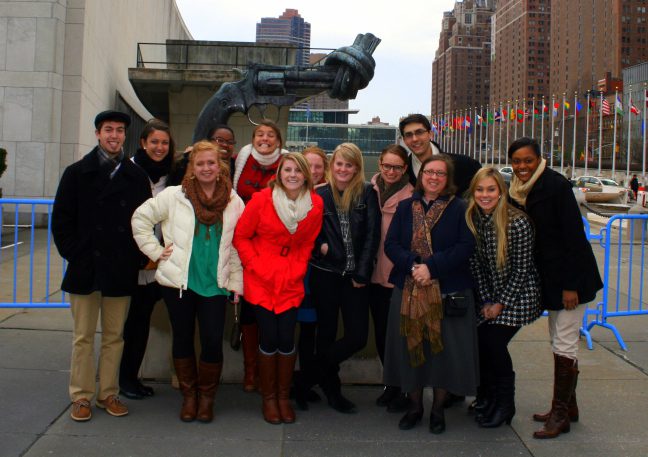 I am a Christian social ethicist by training and by vocation. In a highly secular world people often wonder what that means. Am I the church police, there to tell people how to behave? Am I the wise counselor, there to offer advice on how to live morally? Or, am I, simply there to make Christians feel guilty about engaging in behavior they already know is morally wrong?
Well, thankfully, my job is none of those things. When I explain that my work is focused on questions of social ethics and contemporary society, questions related to economics, the environmental crisis, globalization, poverty, and women’s access to reproductive health care – people often wonder why I bother with the Christian part. I mean, after all, aren’t those social questions matters for public debate in a public forum, a place where the church should keep its nose out? Certainly it is true, there is nothing particularly “Christian” about any of these social issues or about how we as a society should seek to address them.
However, it is people who engage in public moral debate. And while the “church” as such, shouldn’t be making public policy, the people who make public policy are often people of faith. Many different faiths, to be sure. But it is important to recognize that religion is a critically important facet of life. Even in contemporary society where more and more people in the first world claim an affinity for spirituality rather than organized religion, the majority of the world’s people identify themselves as religious.
Most religious people are shaped by the moral teachings of their religious traditions and these teachings factor into the authoritative sources that they consider when engaged in addressing social problems in their world. Christianity is the largest of the major world religions, claiming over 2 billion adherents. Christians are a diverse community of people who share a set of basic values and principles that are traditioned, or passed down, through a sacred history and set of teachings associated with holy wisdom and the source of that wisdom, namely, God.
Like all religions, Christianity is a belief system that forms the worldview of its adherents in ways that shape how they understand, experience, and act in the world. Within this belief system there is unified affirmation of the Bible as sacred, holy scripture and a general consensus that Christians are followers of Christ. Yet, Christianity, like all world religions, is practiced by a wide and diverse array of people around the world who have adopted and adapted the faith in ways that are consonant with local beliefs and customs and local understandings of the divine and experiences of the sacred. Because Christianity is largely a dogmatic religion (meaning that it places significant emphasis on what people believe) differences of opinion over what is “orthodox” or right belief, have led to a variety of traditions within this one religion.
For most people, religion and religious communities and belief systems serve as the primary source for moral education including beliefs about human nature, right and wrong, and justice and injustice. While there are many people who derive their moral sensibilities from other locations (philosophy, humanism, etc.), the role of religion in shaping the moral sensibilities of the world’s people is still formidable. As we address issues of conflict and social injustice in our world, it is important to recognize the significant role that religion plays in shaping people’s worldviews and moral ideals.
Embracing religious traditions and communities as significant partners in the work of conflict transformation and social justice is an essential element of working toward positive social change in our world.
On its most general level, Christian ethics is about asking the question of how Christians are to live faithfully in the world. While timeless principles like love and justice are recognized as transcending any particular time period, how we are to live out these principles is not always immediately evident. Every generation must interpret how to live the words of the prophet Micah in their own era, “God has told you, O mortal, what is good; and what does the Lord require of you but to do justice, and to love kindness, and to walk humbly with your God?” (Micah 6:8) Knowing how to “do justice” requires that we uncover and denounce the injustices that are prevalent in our society.
Christian ethicisit, Beverly Harrison, has described the intellectual work of theology as one of “reappropriating all our social relations, including our relations to God, so that shared action toward genuine human and cosmic fulfillment occurs.”[1] Engaging in this kind of theological work requires that we reclaim control of our social relations and recreate the structures of our society in ways that are consistent with the biblical lessons of how to live a just and faithful life.
This is where Christian social ethics begins, with an understanding that the call of Micah and the prophets to a life of justice, love, and humbleness before God is also the call of following Christ in the world. From this perspective, the task of Christian ethics becomes one of social transformation and social change.
If you are interested in Progressive Christianity, justice and social change, I hope you will consider following this blog and talking with me about the issues raised here.
[1] Beverly Wildung Harrison, “Theological Reflection in the Struggle for Liberation,” Making the Connections, Carol Robb, ed., Boston: Beacon Press, 1985, p. 245.
Previous Post

February 5, 2015
Solidarity Ethics
Next Post

February 11, 2015 Bias against female professors is real
Browse Our Archives
Select a Category book review christian ethics christianity college/higher education economics ecumenism environment feminism feminism and feminist theology justice motherhood parenting politics poverty public policy reproductive justice sexuality social change solidarity Uncategorized
Select a Month September 2018 July 2018 June 2018 May 2018 April 2018 March 2018 February 2017 January 2017 November 2016 October 2016 September 2016 August 2016 July 2016 May 2016 April 2016 March 2016 February 2016 January 2016 December 2015 November 2015 October 2015 September 2015 August 2015 July 2015 June 2015 May 2015 April 2015 March 2015 February 2015
Follow Us!
TAKE THE
Religious Wisdom Quiz
True or False: The Israelites wandered in the wilderness for forty years.
Select your answer to see how you score.
TRUE FALSE
Related posts from To Do Justice


Kavanaugh and the Threat to Women

Women’s Unalienable Rights Cannot Be Subject to Whims...

Last Week Was Hard: Moving Reproductive Justice Forward...
TRENDING AT PATHEOS Progressive Christian

Why Christians Have a Sacred Duty to Vote:...
The Bible offers strong support for the sacred duty to vote. Here...

What Being a Modern-Day Apostle Means to Me
In my last column, I discussed the ins and outs of modern-day...

Did Ancient China Once Worship the God of...
Across human history, a common thread weaves through the origins of the...

Love Your Neighbor – Including Earth-Kin: Lev. 19,...
God’s command to love your neighbor means acting in an ethical and...

Lead a Church Study of “Jesus and Lao...
Guest writer Jack Thomas (The Irreverent Reverend) reflects on leading his church...

Principles for Understanding the Apostolic Ministry Today
Whenever people discover that my formal ministry title is "apostle," as in...
view all Progressive Christian blogs
Ad-Free & Subscriber Log-In Subscription Support
- About Us
- 2026 Calendar
- Videos
- Podcasts
- Library of World Religions
- Faith In Media Tracker
- Advertise With Us
- Write for Us
- Privacy Policy
- Terms of Service
- Do Not Sell My Data
- Contact Us
- Radiant Digital
- Manage Newsletter Subscriptions
- Unsubscribe From Notifications
- Sitemap
Copyright 2008-2026, Patheos. All rights reserved.
Subscription Support Ad-Free & Subscriber Log-In
Follow Patheos