
BuddhistCatholicContemplativeEvangelicalGeneral ChristianHinduJewishLatter-day SaintMuslimNew VisionsProgressive Christian
Beliefs
- Buddhist
- Catholic
- Contemplative
- Evangelical
- General Christian
- Hindu
- Jewish
- Latter-day Saint
- More Voices
- Muslim
- New Visions
- Pagan
- Progressive Christian
Topics
- Religion News
- Food and Religion
- Sports and Religion
- Religious Art
- Religious Music and Entertainment
- Religious Events
- History and Religion
- Style and Religion
- Politics and Religion
- Women in Religion
- Recreation Outdoors and Religion
- Business Finance and Religion
- Careers Workplace and Religion
- Education and Religion
- Family Parenting and Religion
- Health Fitness and Religion
- Home and Religion
- Relationships and Religion
- Technology and Religion
- Travel and Religion
Columnists
- Buddhist Columnists
- Business Finance and Religion Columnists
- Careers Workplace and Religion Columnists
- Catholic Columnists
- Contemplative Columnists
- Education and Religion Columnists
- Evangelists Columnists
- Family Parenting and Religion Columnists
- General Christian Columnists
- Health Fitness and Religion Columnists
- Hindu Columnists
- History and Religion Columnists
- Home and Religion Columnists
- Jewish Columnists
- More Voices Columnists
- Latter Day Columnists
- Muslim Columnists
- New Visions Columnists
- Nonreligious Columnists
- Pagan Columnists
- Politics and Religion Columnists
- Progressive Columnists
- Recreation Outdoors and Religion Columnists
- Relationships and Religion Columnists
- Religion News Columnists
- Religious Art Columnists
- Religious Events Columnists
- Religious Music and Entertainment Columnists
- Sports and Religion Columnists
- Style and Religion Columnists
- Technology and Religion Columnists
- Travel and Religion Columnists
- Women in Religion Columnists
Resource Library
- 2026 Calendar
- Library of World Religions
- The 100 Most Holy Places on Earth
- Patheos Answers
- Podcasts
- Videos
- Faith Leaders Database
- Anglican Episcopalian
- Bahai
- Baptist
- Buddhism
- Christianity
- Confucianism
- Eastern Orthodoxy
- Hinduism
- Holiness and Pentecostal
- ISKCON
- Islam
- Judaism
- Lutheran
- Methodist
- The Church of Jesus Christ of Latter-day Saints
- New Age
- Paganism
- Presbytarian and Reformed
- Protestantism
- Religion Behind the Scenes
- Roman Catholic
- Scientology
- Shia Islam
- Sikhism
- Sufism
- Sunni Islam
- Taoism
- Zen
- See all religions
Research Tools
 Ad-Free & Subscriber Log-In Subscription Support
Ad-Free & Subscriber Log-In Subscription Support
Follow Patheos 

- Trending:
- Forgiveness
- |
- Marriage
- |
- Consciousness
- |
- Death Penalty
- |
- Election
- |
- Halloween
 Through Catholic Lenses
- Home
- Catholic
- Religion News
- Disability Should Be Part of Christian Witness
Disability Should Be Part of Christian Witness
Last updated on: June 6, 2019 at 9:12 am by Fr. Matthew P. Schneider, LC
Disability Should Be Part of Christian Witness 2019-06-06T09:12:00-04:00 Fr. Matthew P. Schneider, LC
Patheos Explore the world's faith through different perspectives on religion and spirituality! Patheos has the views of the prevalent religions and spiritualities of the world.
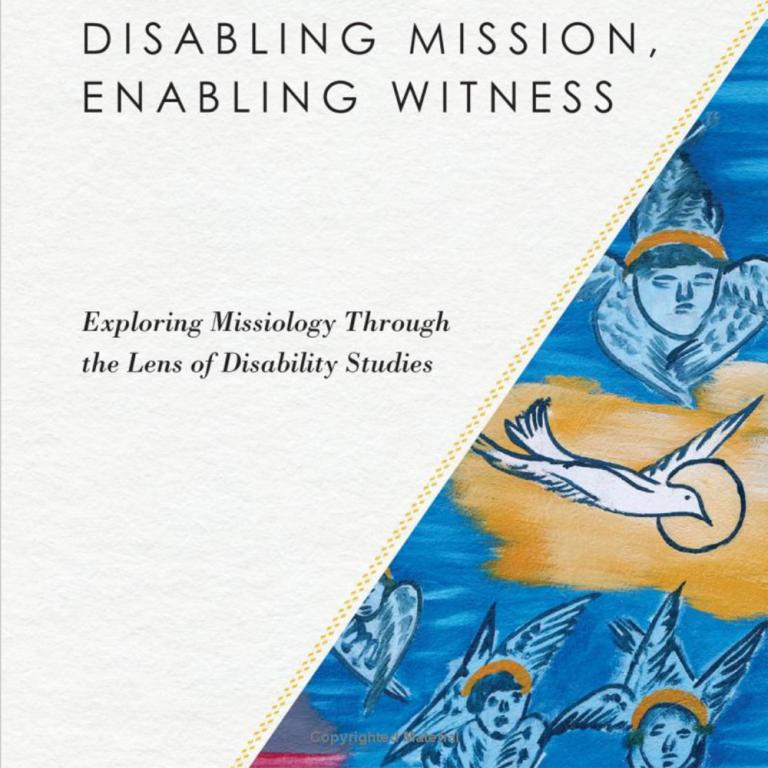
Detail from cover of Disabling Mission, Enabling Witness (fair use)
Benjamin T. Conner recently wrote an interesting book trying mission and disability studies together. It attempts to show the disabled as part of the mission and the mission as involving and directed towards the disabled.
In an interview, I said some similar lines specifically about autism: “Autism is part of the peripheries. We often think of peripheries geographically, but so often the dividing line of the periphery is due to a trait the person has such as being on the spectrum.” I think the gist of what Conner is trying to get at is good. However, Conner’s book, Disabling Mission, Enabling Witness: Exploring Missiology Through the Lens of Disability Studies, is not without flaws.
Mission and Disability Studies
The first half of the book attempts to give a summary of mission studies for those focusing on disability studies and disability studies for those focusing on mission studies. His summary of disability studies, I think, hits many of the key things the disabled struggle with and gives a decent theological summary using experience and academics.
Explaining mission studies, he does make some points about how the Church can often seem like an inaccessible “city on a hill” for the disabled. Connor also points to the need for inclusion in mission. He quotes a statement by the World Council of Churches: “The Church cannot exemplify ‘the full humanity revealed in Christ,’ bear witness to the interdependence of humankind, or achieve unity in diversity if it continues to acquiesce in the social isolation of disabled persons and to deny them full participation in its life.” (56)
However, Conner’s summary of missiology has some issues. He seems to follow a bent that pushes building Christianity in a culture in a way that goes beyond enculturation to a proposal that may be problematic. Historically, Christians have had a problem where some missionaries have asked people to adopt European customs then adopt Christianity. He and those he quotes have a serious danger of over-reacting to this inappropriate tendency, and pushing the local culture too much. He states, “Unless the gospel… separates itself from the culture it received from, it will be incarnated in the other culture.” (42) The way he interprets this seems to indicate a rather separate Church for each culture. Obviously, Christianity should adapt to other cultures by we can’t remove things like transubstantiation, divine hypostasis, etc. which came about in a certain culture. Also, we are one Church with different cultural manifestations.
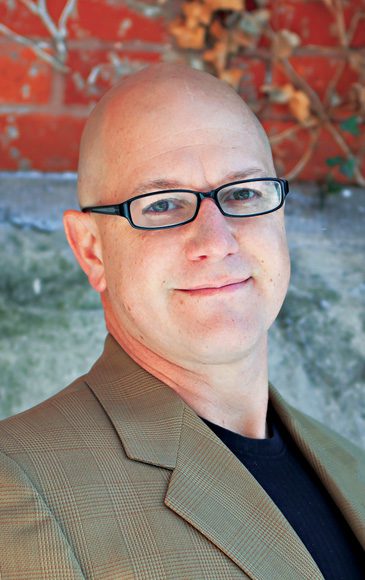
Benjamin T. Conner, author photo (fair use)
Realities of Mission and Disability
The second half of the book explores three realities of mission and disability. The first is the Deaf community who considers themselves to be a separate community. Disabilities that affect communication tend to do this as autistics are also like this. Conner explains, “Since Deaf people live almost entirely in the world of hearing, there is often a strong desire to be among other Deaf people.” These people like community with those like them; thus, to evangelize these people, we need to get inside their community.
As far as intellectual disabilities, his second point, Conner begins by dispelling some myths. He then makes two good points: first, he explains the difficulty of independence like other disability communities often seek – even in their self-advocacy they often need a moderator. He then notes how we often fail to include these people when talking about how man is the image and likeness of God, “I did not find the issue of ID or disability in general addressed at any depth (and rarely at all!) in any of the works about the image of God or theological anthropology that I surveyed.” (107) Finally, in this category, Conner points out that the intellectually disabled often point us away from a manipulative push for saying a word or phrase, to a deeper encounter with Jesus in a local Church community.
Finally, Conner speaks of the challenge of theological education regarding disability. He encourages Christians to counter the cultural normalcy and homogeneity to accept those outside the norms like the disabled.
Protestantism and Catholicism
Obviously, Conner is a Protestant and teaches at a Protestant seminary, so I’m not going to expect a Catholic view from him. I think Catholicism would add a sense of liturgy, which is not particularly evident, a sacramental reality to counteract the discounting of the disabled, and a balance in inculturation.
Despite the difficulties, I think that Conner’s book is generally good with the big exception being that he might go too far in trying to bring the Gospel into a culture.
Notes:
- If you like the type of content I produce, please consider supporting me through Patreon. I make almost nothing for all my online writing and would love to be able to support my community doing it.
- This book was sent to me for free hoping I’d review it.
Previous Post

June 4, 2019
Both Republicans and Democrats Should Be 100% Pro-Life
Next Post
June 11, 2019 Decent Answers to Faith and Science
Browse Our Archives
Select a Category Autism Bioethics Book Review Business and Economics Catholic Social Teaching Culture Diocesan Life Disability Discipleship Euthanasia Family Life Genetics Global Politics History Immigration Inspiration Interview Liturgy Moral Theology My Life News Analysis Original Articles Prayer Privacy Pro-Life Science Sexual orientation or identity Social Media Sports Technology Theology Uncategorized US Politics Vatican
Select a Month March 2022 February 2022 January 2022 December 2021 November 2021 October 2021 September 2021 August 2021 July 2021 June 2021 April 2021 March 2021 February 2021 January 2021 December 2020 November 2020 October 2020 September 2020 August 2020 July 2020 June 2020 May 2020 April 2020 March 2020 February 2020 January 2020 December 2019 November 2019 October 2019 September 2019 August 2019 July 2019 June 2019 May 2019 April 2019 March 2019 February 2019 January 2019 December 2018 November 2018 October 2018 September 2018 August 2018 July 2018 June 2018 May 2018
Follow Us!
TAKE THE
Religious Wisdom Quiz
Who was the king of Israel known for his wisdom?
Select your answer to see how you score.
Hezekiah Solomon David Saul
Support this
Column


Related posts from Through Catholic Lenses

Why Such a Focus on Extraordinary Form in...

Sensory-Friendly Mass Directory Now Available
Catholic Media: Fides Quarens Rem Publicam

21 of the Most Dynamic Signs at March...
TRENDING AT PATHEOS Catholic

Rejecting Doom: Christian Hope And Human Action
Christianity is a religion of hope. We are to have hope and...

It’s What Comes From Within Which Matters
One of the most difficult things for us to understand is why...

Why I Choose the Eucharist Over the Sermon
Choose the Eucharist, Not the Sermon What are we supposed to get...

5 Design Elements Found in Spiritually Rooted Homes
Putting Spirituality Into Home Decor Our homes are more than our living...

Credo: A Story of God Told with the...
About 10 years ago, I began to imagine a personal "Credo" that...

The Anatomy of Divine Revelation in Catholic Thought
The claim that God has made Himself known to human beings is...
view all Catholic blogs
Ad-Free & Subscriber Log-In Subscription Support
- About Us
- 2026 Calendar
- Videos
- Podcasts
- Library of World Religions
- Faith In Media Tracker
- Advertise With Us
- Write for Us
- Privacy Policy
- Terms of Service
- Do Not Sell My Data
- Contact Us
- Radiant Digital
- Manage Newsletter Subscriptions
- Unsubscribe From Notifications
- Sitemap
Copyright 2008-2026, Patheos. All rights reserved.
Subscription Support Ad-Free & Subscriber Log-In
Follow Patheos