
BuddhistCatholicContemplativeEvangelicalGeneral ChristianHinduJewishLatter-day SaintMuslimNew VisionsProgressive Christian
Beliefs
- Buddhist
- Catholic
- Contemplative
- Evangelical
- General Christian
- Hindu
- Jewish
- Latter-day Saint
- More Voices
- Muslim
- New Visions
- Pagan
- Progressive Christian
Topics
- Religion News
- Food and Religion
- Sports and Religion
- Religious Art
- Religious Music and Entertainment
- Religious Events
- History and Religion
- Style and Religion
- Politics and Religion
- Women in Religion
- Recreation Outdoors and Religion
- Business Finance and Religion
- Careers Workplace and Religion
- Education and Religion
- Family Parenting and Religion
- Health Fitness and Religion
- Home and Religion
- Relationships and Religion
- Technology and Religion
- Travel and Religion
Columnists
- Buddhist Columnists
- Business Finance and Religion Columnists
- Careers Workplace and Religion Columnists
- Catholic Columnists
- Contemplative Columnists
- Education and Religion Columnists
- Evangelists Columnists
- Family Parenting and Religion Columnists
- General Christian Columnists
- Health Fitness and Religion Columnists
- Hindu Columnists
- History and Religion Columnists
- Home and Religion Columnists
- Jewish Columnists
- More Voices Columnists
- Latter Day Columnists
- Muslim Columnists
- New Visions Columnists
- Nonreligious Columnists
- Pagan Columnists
- Politics and Religion Columnists
- Progressive Columnists
- Recreation Outdoors and Religion Columnists
- Relationships and Religion Columnists
- Religion News Columnists
- Religious Art Columnists
- Religious Events Columnists
- Religious Music and Entertainment Columnists
- Sports and Religion Columnists
- Style and Religion Columnists
- Technology and Religion Columnists
- Travel and Religion Columnists
- Women in Religion Columnists
Resource Library
- 2026 Calendar
- Library of World Religions
- The 100 Most Holy Places on Earth
- Patheos Answers
- Podcasts
- Videos
- Faith Leaders Database
- Anglican Episcopalian
- Bahai
- Baptist
- Buddhism
- Christianity
- Confucianism
- Eastern Orthodoxy
- Hinduism
- Holiness and Pentecostal
- ISKCON
- Islam
- Judaism
- Lutheran
- Methodist
- The Church of Jesus Christ of Latter-day Saints
- New Age
- Paganism
- Presbytarian and Reformed
- Protestantism
- Religion Behind the Scenes
- Roman Catholic
- Scientology
- Shia Islam
- Sikhism
- Sufism
- Sunni Islam
- Taoism
- Zen
- See all religions
Research Tools
 Ad-Free & Subscriber Log-In Subscription Support
Ad-Free & Subscriber Log-In Subscription Support
Follow Patheos 

- Trending:
- Forgiveness
- |
- Marriage
- |
- Consciousness
- |
- Death Penalty
- |
- Election
- |
- Halloween
 Through Catholic Lenses
- Home
- Catholic
- Religion News
- New York Times Criticizes the Contraceptive Mentality & More IUDs
New York Times Criticizes the Contraceptive Mentality & More IUDs
Last updated on: January 4, 2019 at 2:39 pm by Fr. Matthew P. Schneider, LC
New York Times Criticizes the Contraceptive Mentality & More IUDs 2019-01-04T14:39:11-05:00 Fr. Matthew P. Schneider, LC
Patheos Explore the world's faith through different perspectives on religion and spirituality! Patheos has the views of the prevalent religions and spiritualities of the world.
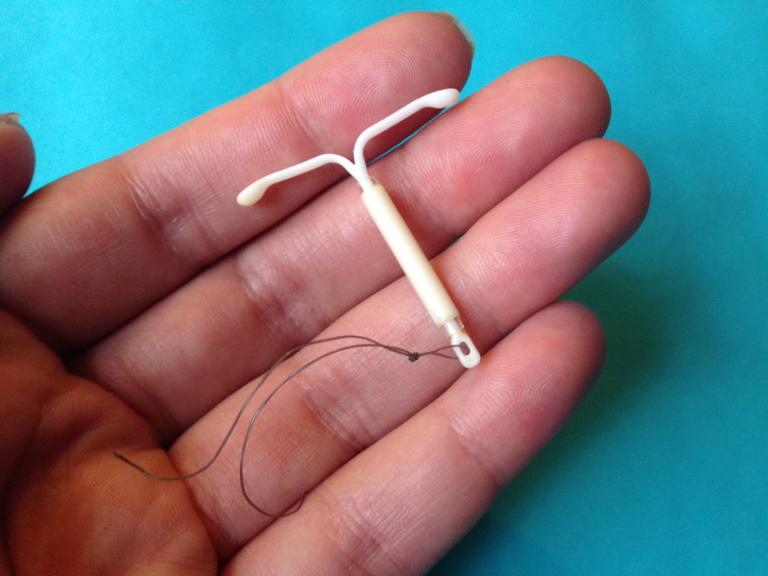
A Mirena IUD (Sarah Mirk CC BY-NC 2.0 flickr.com/photos/mirkmirk/31140095680/)
I was surprised to see an article from the New York Times being negative about contraception. They don’t get the intrinsic problem with contraception but they see the eugenic problem when society uses contraception as a poverty cure. The new wave is pushing the IUD on poor women.
The Wider Use of IUDs
The Times begins factually,
Over the past decade, more and more women have begun using long-acting, reversible birth control methods like intrauterine devices and implants. These birth control methods are highly effective at preventing pregnancy but were previously not widely accessible because of high costs and lack of knowledge among health care providers.
But by the second paragraph, they are already into the problem:
However, many researchers, advocates and policymakers aren’t selling their rise solely as a victory for women’s health. They claim IUDs and implants may be a powerful new tool to fight poverty. This sort of language should set off alarm bells because the idea that limiting women’s reproduction can cure society’s ills has a long, shameful history in the United States.
IUD Expansion Similar to Forced Sterilization
The authors explain a bit of the history of forced sterilization programs, then relate these to the current situation:
Today, this age-old idea that reproduction is to blame for societal problems has seen a resurgence in the current enthusiasm around long-acting, reversible contraception.
We can see echoes of this view in how some politicians argue for expanded access to birth control as a tool to address intergenerational poverty. We can see it in the priorities of philanthropic funders and in glowing media coverage about the promise of long-acting birth control that produces headlines like “Can the IUD Prevent Poverty, Save Taxpayers Billions?”
Promoting IUDs and implants is certainly less egregious than state-sponsored eugenics. But promoting them from a poverty-reduction perspective still targets the reproduction of certain women based on a problematic and simplistic understanding of the causes of societal ills. […]
We also have concerns about how this emphasis on birth control as a tool of poverty reduction actually plays out in clinics. Claims about the social benefits of increasing the use of IUDs and implants can contribute to a narrative that says these methods are the best methods for everyone and that a program’s success should be judged by the numbers of IUDs and implants its providers insert. This, in turn, can contribute to providers neglecting individual women’s preferences when it comes to birth control: applying subtle pressure to use long-acting contraception, for example, or resisting requests to remove IUDs and implants.
The NYT even notes how this attitude has had a negative effect on minority communities.
Given these biases, and the long history of coercion, it is no wonder that research has found that more than 40 percent of black and Latina womenthink the government promotes birth control to limit births among communities of color. Such beliefs should not be dismissed as conspiracy theories but recognized as understandable reactions to lived experiences.
You can read the rest: just realize the authors are clearly still pro-contraception in other cases.
A Priest’s Perspective
As a priest, I am obviously not told to get an IUD. However, I have heard stories of women feeling forced to get an IUD. One woman even told me how she felt the doctor pushed her to get an IUD while she was still in the delivery room after giving birth. Most of these conversations have been in Spanish to give you an idea of the socioeconomics.
Paul VI predicted using contraception for such population control back in 1968.
Careful consideration should be given to the danger of this power passing into the hands of those public authorities who care little for the precepts of the moral law. Who will blame a government which in its attempt to resolve the problems affecting an entire country resorts to the same measures as are regarded as lawful by married people in the solution of a particular family difficulty? Who will prevent public authorities from favoring those contraceptive methods which they consider more effective? Should they regard this as necessary, they may even impose their use on everyone. It could well happen, therefore, that when people, either individually or in family or social life, experience the inherent difficulties of the divine law and are determined to avoid them, they may give into the hands of public authorities the power to intervene in the most personal and intimate responsibility of husband and wife.
Morally, we should not use technology to oppress people or reaffirm social or economic class. There is a deeper issue to in how contraceptive devices like this interfere with intimacy and often cause new babies to be unable to latch onto the uterus wall. We should not promote contraception to end poverty, but we shouldn’t promote it for other reasons either.
Previous Post

January 3, 2019
Vatican Rules on Hysterectomies, Allowing Them in Specific Cases
Next Post

January 5, 2019 Seminarian: Why I Want to Be a Priest Despite the Crisis
Browse Our Archives
Select a Category Autism Bioethics Book Review Business and Economics Catholic Social Teaching Culture Diocesan Life Disability Discipleship Euthanasia Family Life Genetics Global Politics History Immigration Inspiration Interview Liturgy Moral Theology My Life News Analysis Original Articles Prayer Privacy Pro-Life Science Sexual orientation or identity Social Media Sports Technology Theology Uncategorized US Politics Vatican
Select a Month March 2022 February 2022 January 2022 December 2021 November 2021 October 2021 September 2021 August 2021 July 2021 June 2021 April 2021 March 2021 February 2021 January 2021 December 2020 November 2020 October 2020 September 2020 August 2020 July 2020 June 2020 May 2020 April 2020 March 2020 February 2020 January 2020 December 2019 November 2019 October 2019 September 2019 August 2019 July 2019 June 2019 May 2019 April 2019 March 2019 February 2019 January 2019 December 2018 November 2018 October 2018 September 2018 August 2018 July 2018 June 2018 May 2018
Follow Us!
TAKE THE
Religious Wisdom Quiz
In 1 Peter, what did the prophets search intently and with great care about?
Select your answer to see how you score.
The salvation of Israel The day of the Lord The sufferings of the Messiah and the glories that would follow The end times
Support this
Column


Related posts from Through Catholic Lenses

Sensory-Friendly Mass Directory Now Available

Greg Locke, Autism Is not Demonic

The Church Cannot Change Teaching on Homosexuality (Hollerich...

21 of the Most Dynamic Signs at March...
TRENDING AT PATHEOS Catholic

Rejecting Doom: Christian Hope And Human Action
Christianity is a religion of hope. We are to have hope and...

It’s What Comes From Within Which Matters
One of the most difficult things for us to understand is why...

Why I Choose the Eucharist Over the Sermon
Choose the Eucharist, Not the Sermon What are we supposed to get...

5 Design Elements Found in Spiritually Rooted Homes
Putting Spirituality Into Home Decor Our homes are more than our living...

Credo: A Story of God Told with the...
About 10 years ago, I began to imagine a personal "Credo" that...

The Anatomy of Divine Revelation in Catholic Thought
The claim that God has made Himself known to human beings is...
view all Catholic blogs
Ad-Free & Subscriber Log-In Subscription Support
- About Us
- 2026 Calendar
- Videos
- Podcasts
- Library of World Religions
- Faith In Media Tracker
- Advertise With Us
- Write for Us
- Privacy Policy
- Terms of Service
- Do Not Sell My Data
- Contact Us
- Radiant Digital
- Manage Newsletter Subscriptions
- Unsubscribe From Notifications
- Sitemap
Copyright 2008-2026, Patheos. All rights reserved.
Subscription Support Ad-Free & Subscriber Log-In
Follow Patheos