
BuddhistCatholicContemplativeEvangelicalGeneral ChristianHinduJewishLatter-day SaintMuslimNew VisionsProgressive Christian
Beliefs
- Buddhist
- Catholic
- Contemplative
- Evangelical
- General Christian
- Hindu
- Jewish
- Latter-day Saint
- More Voices
- Muslim
- New Visions
- Pagan
- Progressive Christian
Topics
- Religion News
- Food and Religion
- Sports and Religion
- Religious Art
- Religious Music and Entertainment
- Religious Events
- History and Religion
- Style and Religion
- Politics and Religion
- Women in Religion
- Recreation Outdoors and Religion
- Business Finance and Religion
- Careers Workplace and Religion
- Education and Religion
- Family Parenting and Religion
- Health Fitness and Religion
- Home and Religion
- Relationships and Religion
- Technology and Religion
- Travel and Religion
Columnists
- Buddhist Columnists
- Business Finance and Religion Columnists
- Careers Workplace and Religion Columnists
- Catholic Columnists
- Contemplative Columnists
- Education and Religion Columnists
- Evangelists Columnists
- Family Parenting and Religion Columnists
- General Christian Columnists
- Health Fitness and Religion Columnists
- Hindu Columnists
- History and Religion Columnists
- Home and Religion Columnists
- Jewish Columnists
- More Voices Columnists
- Latter Day Columnists
- Muslim Columnists
- New Visions Columnists
- Nonreligious Columnists
- Pagan Columnists
- Politics and Religion Columnists
- Progressive Columnists
- Recreation Outdoors and Religion Columnists
- Relationships and Religion Columnists
- Religion News Columnists
- Religious Art Columnists
- Religious Events Columnists
- Religious Music and Entertainment Columnists
- Sports and Religion Columnists
- Style and Religion Columnists
- Technology and Religion Columnists
- Travel and Religion Columnists
- Women in Religion Columnists
Resource Library
- 2026 Calendar
- Library of World Religions
- The 100 Most Holy Places on Earth
- Patheos Answers
- Podcasts
- Videos
- Faith Leaders Database
- Anglican Episcopalian
- Bahai
- Baptist
- Buddhism
- Christianity
- Confucianism
- Eastern Orthodoxy
- Hinduism
- Holiness and Pentecostal
- ISKCON
- Islam
- Judaism
- Lutheran
- Methodist
- The Church of Jesus Christ of Latter-day Saints
- New Age
- Paganism
- Presbytarian and Reformed
- Protestantism
- Religion Behind the Scenes
- Roman Catholic
- Scientology
- Shia Islam
- Sikhism
- Sufism
- Sunni Islam
- Taoism
- Zen
- See all religions
Research Tools
 Ad-Free & Subscriber Log-In Subscription Support
Ad-Free & Subscriber Log-In Subscription Support
Follow Patheos 

- Trending:
- Forgiveness
- |
- Marriage
- |
- Consciousness
- |
- Death Penalty
- |
- Election
- |
- Halloween

- Home
- About The Thoughtful Pastor
- Archives
- Read my Book
- Ask the Pastor
- Mystery Worship Series
- FREE NEWSLETTER
- Home
- Progressive Christian
- Confessions Of A Liberal: I Need Conservatives
Confessions Of A Liberal: I Need Conservatives
Last updated on: February 10, 2019 at 11:41 am by Christy Thomas
Confessions Of A Liberal: I Need Conservatives 2019-02-10T11:41:10-05:00 Christy Thomas
Patheos Explore the world's faith through different perspectives on religion and spirituality! Patheos has the views of the prevalent religions and spiritualities of the world.
Liberals need conservatives; otherwise, things fall apart. Conservatives need liberals; otherwise, things get stuck. Healthy societies, held together by the cultural glue of shared assumptions–the necessary conservative part of life–can also bring in new ideas with lowered levels of fear–the necessary liberal part of life. But it’s easier to push Jesus over a cliff instead.
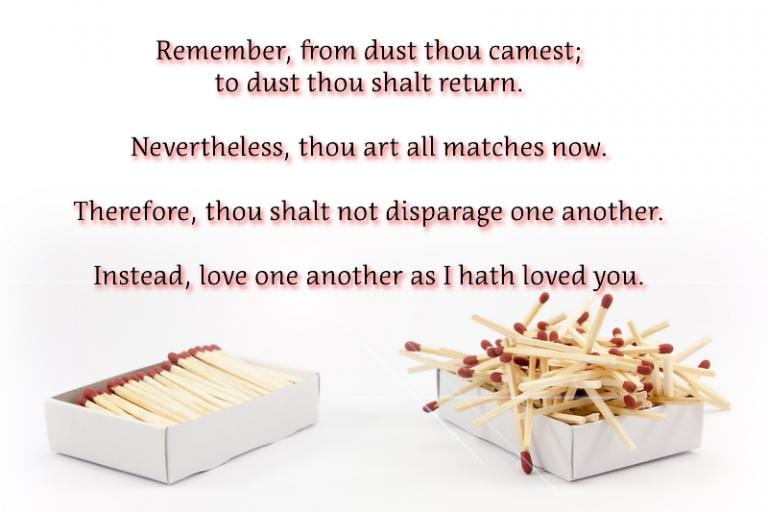
A woman, who had walked away from a tight-boundaried religious community, said recently, “I need a tribe where I can be safe.”
Her comment spoke to a universal human need: we all want to participate in a community of like-minded people. There, people don’t have to use energy explaining themselves, defending themselves, or keeping close watch over everything they say because the common beliefs keep them safe.
Tribes conserve energy.
This is not bad–no condemnation here — just human nature at work. By definition, tribes are a group of people who share basic assumptions of life. We know the others think the way we do.
Tribes, by nature conservative, make us comfortable.
Those common beliefs range from economic to political to religious to cultural. For the most part, they remain unexamined and unquestioned. However, let someone, i.e., a liberal, within the community question those beliefs, and the condemnation will heap down. Suddenly safety disappears.
Note how that played out in the fascinating vignette of the beginning of Jesus’s public ministry as seen in Luke, Chapter 4. After his baptism and the blessing of the Holy Spirit, Jesus returns to his hometown. He attends the usual synagogue gathering and is asked to be the reader of the day.
He reads from Isaiah,
“The Spirit of the Lord is upon me, because he has anointed me to bring good news to the poor. He has sent me to proclaim release to the captives and recovery of sight to the blind, to let the oppressed go free, to proclaim the year of the Lord’s favor.”
Great, hopeful passage of redemption and freedom, words that the very much oppressed Jews of the day needed to hear. It’s what happens next that caused eyebrows to rise.
And he rolled up the scroll, gave it back to the attendant, and sat down. The eyes of all in the synagogue were fixed on him. Then he began to say to them, “Today this scripture has been fulfilled in your hearing.”
 A few minutes later, after people started to murmur about this inappropriateness of this unimpressive carpenter’s son speaking so boldly, Jesus speaks again:
And he said, “Truly I tell you, no prophet is accepted in the prophet’s hometown. But the truth is, there were many widows in Israel in the time of Elijah, when the heaven was shut up three years and six months, and there was a severe famine over all the land; yet Elijah was sent to none of them except to a widow at Zarephath in Sidon. There were also many lepers in Israel in the time of the prophet Elisha, and none of them was cleansed except Naaman the Syrian.”
At this point, all hell breaks loose. Jesus’s fellow synagogue attendees try to throw him over a cliff. Seriously.
But why? Because he just said that God, in the name of freeing the oppressed, had a lot more than Jews alone in mind. Those hopeful words included the hated Gentile community as well. In other words, he expected to open the kingdom of heaven to those OUTSIDE the accepted tribal boundaries.
Indeed, Jesus was a social AND religious liberal. He demonstrated that he would break boundaries between clean and dirty. And the people were not happy.
Conservatives keep us safe; liberals transform society
Remember, our tribal boundaries, i.e., our conservative natures, keep us safe. We all need someplace to belong, to be part of a community. Furthermore, most human beings fear change to some extent because changes cost energy, lots and lots of mental and emotional and physical energy, energy needed elsewhere for necessities and perhaps pleasures.
And it’s mostly the liberals who push changes and bring about societal, an/or ecclesiastical discomfort.
Look at some of the radically new, i.e., liberal, ideas that have transformed society for the better. Consider universal public education, clean water for everyone, vaccinations for scourges like smallpox, measles, chicken pox and shingles, antiseptic techniques in surgery, drugs tested for purity and efficacy, child labor laws, the ability to vote for those other than landed white males, desegregation.
Each of these genuinely good, yet liberal, ideas saw strong opposition before finding near-universal acceptance. Nonetheless, healthy societies, held together by the cultural glue of shared assumptions–the necessary conservative part of life–can also bring in new ideas with lowered levels of fear–the necessary liberal part of life.
This state is called “balance.”
Liberals need conservatives; otherwise, things fall apart. Conservatives need liberals; otherwise, things get stuck.
Each new idea named above forced society to examine commonly shared assumptions. These included assumptions about the causes of infectious illnesses, the necessity of a widely well-educated populace, and the nature of democracy when excluding certain people groups from the definition of being fully human and thus endowed with inalienable rights.
In each case, those previously unexamined shared assumptions had to be held to the light to reveal the inevitable flaws. This is a continual process which societies–and religious organizations–must undergo.
Right now, our society and our religious institutions are re-examining assumptions about the nature of human sexuality. The implications of changing those assumptions affect every part of life.
The razor’s edge of grace vs law
As an active pastor, I often reminded my congregation that all live on the razor’s edge where we seek a comfortable balance between law and grace.
With law, we treasure the way we did things in the past and trust that the rules of the past also inform the rules of the future.
With grace, we recognize that God is continually challenging us to live more fully into a world of radical forgiveness, inclusion and the mystery of the unknown.
We are always falling off that razor’s edge, simply because it is impossible for us to stay there. It takes too much energy to maintain our balance.
Tevye, in Fiddler on the Roof, tells us that for balance we must hold firmly to “Tradition!” Tradition! Those traditions, carefully conserved by societies that trust them to keep things stable, provide solid foundations. Until they don’t. They stop working when unstoppable outside forces muscle in or intriguing and attractive new ideas seep in.
Those forces and ideas wreak havoc on formally balanced traditions. New ways of balancing, have to be formed. That how adaptive societies and organizations, secular and religious, endure.
Liberals need conservatives; conservatives need liberals
Now, besides Jesus and his liberal message of inclusion, two primary groups push for societal change. The first are those who sense the call to fight for the oppressed. They tend to be secure enough about both the present and the future to navigate the unsteady waters of change.
The second are those so oppressed themselves that they are desperate for a welcoming space within the formally non-welcoming tribe. The oppressed have nothing to lose by continually pounding on the doors until they break them down.
Let’s picture this dynamic in the current world of conflicted Methodism: Those on the outside, the ones with nothing to lose, i.e., the GLBTQI+ community, along with their liberal defenders, i.e., people like me who feel genuinely called to go to battle for the oppressed, now stand toe-to-toe with those who are fighting to the death to preserve their traditions.
Both positions have the Bible on their side. If operating from a text-only basis, then those engaging in non-heterosexual encounters do deserve death, or at the very least, a consistent reminder that their ways are wicked in the sight of God and humanity. If operating from a larger theological basis, like Luke 4 and Acts 10, then open the doors to the formerly unclean and let them be labeled clean and whole.
The battle was no different when fighting for or against slavery. On a text-only basis, slavery appears to be smiled upon by God or at least not overtly condemned. On a theological basis, it is a grievous wrong to do this to another human being.
Same with women’s ordination: on a text-only basis, women should keep their heads covered, their mouths shut, and their legs open so they can have as many babies as possible and perhaps be saved by childbearing. On a theological level–it’s a whole different story.
The text-only basis serves the conservative community exquisitely well. Small snippets of Scripture are easy to remember and to use as comforting and stabilizing stakes in the ground.
Wider theological thinking serves the liberal community equally well. It gives space for creativity and legitimate justification to fight oppression that has been long silently approved by the unspoken assumptions of the larger community.
We need them both.
We need to acknowledge our often legitimate fears of change. We also need to acknowledge our need to change and the massive discomfort it causes. The more uncomfortable things become, the more most people long for order, often an externally imposed order. That need for order often drives people to embrace some sort of religious fundamentalism, which exacerbates the tension.
Nothing stays the same
The need for religious fundamentalism is NOT BAD. We need our common fundamentals. But without those fundamentals facing the questions that the liberals and desperate outsiders periodically insist upon, we cannot stay alive because change is itself fundamental to life. Nothing remains in stasis.

The continents before the great geological upheavals that brought about the present continental configuration.
On a recent trip to the Amazon, I heard a series of lectures by a geologist to help better understand the longterm history of the area. His good work reminded me of our physical reality: nothing stays the same; nothing stays stable; we are all in a state of flux.
Some people, some species, survive the changes and become stronger and better adapted to the new realities. Some do not.
It’s the same with institutions. Some adapt and thrive in new realities. Some do not.
Historically, the Methodists have been able to embrace societal changes and still thrive. We no longer support racial segregation; we ordain the divorced and just as readily perform marriages for divorced parishioners; we enthusiastically ordain women.
All of those radical changes faced giant opposition. All were necessary to remain faithful to the Holy Scriptures.
Stop the blame/counterblame game
Can we do this again with the questions of human sexuality?
Yes, we can. But the current rhetoric of blame/counterblame, of condemning people to eternal damnation, or screaming that they are “wrong,” or worse, “unbiblical,” must stop. Right now.
The liberals among us MUST acknowledge the importance of conserving traditions. The conservatives among us MUST acknowledge that the liberals have something legitimate to say.
We are better with each other than we are without each other. It might lower tensions if we splinter into “separate but equal” camps. But it will also certainly lower any hopes of holiness or Christ-likeness if we do.
When the head says to the heart, “off with you!” both die. When the hand chops off the foot, the hand also loses the blood necessary for life.
When I say to those who hold opinions seriously different from mine, “Go away, form your church, free me from having to be in a relationship with you,” then I lose.
I need those opposing points of view. And they need mine.
We can do this. But will we? It’s far, far less safe to stay together. It’s far, far easier and more comfortable to split, to hide behind our tribal boundaries, But it ain’t right.
A split is exactly the opposite of what Jesus proclaimed in Luke 4. But then again, the religious people did try to push him over a cliff.
Easier to get rid of the Savior than to live with radical grace toward one another.
Photo Credits:
© Benjamin Albiach Galan | Dreamstime.com, modified by Christy Thomas
Photo By Fama Clamosa – Own work, CC BY-SA 4.0,
© Andres Rodriguez | Dreamstime.com, modified by Christy Thomas
Previous Post

February 4, 2019
The WCA Says, "Just Turn It Off" To GLBTQI People
Next Post

February 11, 2019 Yes, Fighting Church Folk: There IS a Great Bunny of Wisdom
Browse Our Archives
Select a Category " obedience abortion accommodation accountability administration adolescence Advent advice an ordinary death anxiety apology apportionments Ash Wednesday ask thoughtfulpastor baptism betrayal Bible bondage calling certainty change character charity children Christianity Christmas church church as garden clergy clergy credentials closure comfort compassion competition compromise Confirmation conservation conservative conspiracy theories consumer conversion coronavirua corruption courage covenant cultural context death Deconstruction discipleship discord divorce doctrine doing good drugs dysfunctional Easter Easter; Resurrection education election entertainment envy escape evaluation evil exclusive church exercise faith faithfulness family fasting fear feast featured film review finances first world problem food forgiveness fundamentalist garden gay marriage General Conference generosity giving thanks GLBT glory good government grace guilt habit happy harmony hateful acts healing health health care heaven hell hello/goodbye heresy hidden agenda holiness homelessness homosexuality humility hymn hypocrisy Imago Dei In training inclusive church indulgence injustice innocents insurance intolerance itinerancy joy Justice kindness Kingdom of Heave kingdom of heaven language laughter laundry lawsuit leadership Lent LGBTQ liberal life Little Things Matter longform meandering thoughts memories mercy metaphor metrics miracle misfortunes morality Mormon Muslim mystery worship natural disasters New Category Name nutrients older adults oppression pain Paleo paperwork partnered pastor peace pension pharmaceutical placebo politics poverty prayer privilege public schools questions quiet racism rain reason reconciliation religion repentance requirements rescue respect rest resurrection retirement Sabbath sacrament sacred salvation same-sex marriage sanctuary schism schooling science SCOTUS secrecy separation of church and state sexism sexuality short cuts silence sin sleep soil spiritual journey stillness suffering surgery sustainable church teacher technology thank you theology therapy thinking tolerance TOS trust truth Uncategorized welcome Why Easter? wisdom women worship
Select a Month October 2026 September 2026 August 2026 July 2026 June 2026 May 2026 April 2026 March 2026 February 2026 December 2025 October 2025 September 2025 July 2025 June 2025 March 2025 February 2025 December 2024 November 2024 August 2024 July 2024 June 2024 April 2024 March 2024 January 2024 December 2023 August 2023 July 2023 June 2023 May 2023 March 2023 February 2023 January 2023 December 2022 October 2022 September 2022 July 2022 March 2022 February 2022 January 2022 October 2021 July 2021 June 2021 April 2021 March 2021 February 2021 January 2021 December 2020 November 2020 October 2020 September 2020 August 2020 July 2020 June 2020 May 2020 April 2020 March 2020 January 2020 November 2019 October 2019 September 2019 August 2019 May 2019 April 2019 March 2019 February 2019 January 2019 December 2018 November 2018 October 2018 September 2018 August 2018 July 2018 June 2018 May 2018 April 2018 March 2018 February 2018 January 2018 December 2017 November 2017 October 2017 September 2017 August 2017 July 2017 June 2017 May 2017 April 2017 March 2017 February 2017 January 2017 December 2016 November 2016 October 2016 September 2016 August 2016 July 2016 June 2016 May 2016 April 2016 March 2016 February 2016 January 2016 December 2015 November 2015 October 2015 September 2015 August 2015 July 2015 June 2015 May 2015 April 2015 March 2015 February 2015 January 2015 December 2014 November 2014 October 2014 September 2014 August 2014 July 2014 June 2014 May 2014 April 2014 March 2014 February 2014 January 2014 December 2013 November 2013 October 2013 September 2013 August 2013 July 2013 June 2013 May 2013 April 2013 March 2013 February 2013 January 2013 December 2012 November 2012 October 2012 September 2012 August 2012 July 2012 June 2012 May 2012 April 2012 March 2012 February 2012 January 2012 December 2011 November 2011 October 2011 September 2011 August 2011 July 2011 June 2011 May 2011 April 2011 March 2011 February 2011 January 2011 December 2010 November 2010 October 2010 September 2010 August 2010 July 2010 June 2010 May 2010 April 2010 March 2010 February 2010 January 2010 December 2009 November 2009 October 2009 September 2009 August 2009 July 2009 June 2009 May 2009 April 2009 March 2009 February 2009 January 2009 December 2008 November 2008 October 2008 August 2008 July 2008 June 2008 May 2008 April 2008 March 2008 February 2008 January 2008 December 2007 November 2007 October 2007 September 2007 July 2007 March 2007
Follow Us!
TAKE THE
Religious Wisdom Quiz
Which book in the New Testament is the shortest?
Select your answer to see how you score.
3 John Philemon Jude 2 John
Related posts from The Thoughtful Pastor

Five Thoughts About New Mercies And New Year's...

Just Imagine: Their Heaven Becomes Your Hell
Joe Biden and Religion: Exploring His Faith
TRENDING AT PATHEOS Progressive Christian

I was strolling through the top floor of the brand new Parthenon...

What Does Gêvâh Mean For Kimberley Guifoyle &...
This week, a lot of the news is focused on Kimberly Guilfoyle....

INNER CIRCLE: Profound Mystery (Of Christ In All...
Ephesians 5:31-32 “For this reason, a man will leave his father and...

Do Not Rejoice When Your Enemy Falls: The...
Turning an execution into a public spectacle is a disturbing expression of...

'The Chosen' S6 Trailer: The Passion Gets Very...
Not many watching 'The Chosen' worry about spoilers, but just because they...

The purpose-driven labor priest
A labor activist reads Rick Warren and it gets me wondering about...
view all Progressive Christian blogs
Ad-Free & Subscriber Log-In Subscription Support
- About Us
- 2026 Calendar
- Videos
- Podcasts
- Library of World Religions
- Faith In Media Tracker
- Advertise With Us
- Write for Us
- Privacy Policy
- Terms of Service
- Do Not Sell My Data
- Contact Us
- Radiant Digital
- Manage Newsletter Subscriptions
- Unsubscribe From Notifications
- Sitemap
Copyright 2008-2026, Patheos. All rights reserved.
Subscription Support Ad-Free & Subscriber Log-In
Follow Patheos