
BuddhistCatholicContemplativeEvangelicalGeneral ChristianHinduJewishLatter-day SaintMuslimNew VisionsProgressive Christian
Beliefs
- Buddhist
- Catholic
- Contemplative
- Evangelical
- General Christian
- Hindu
- Jewish
- Latter-day Saint
- More Voices
- Muslim
- New Visions
- Pagan
- Progressive Christian
Topics
- Religion News
- Food and Religion
- Sports and Religion
- Religious Art
- Religious Music and Entertainment
- Religious Events
- History and Religion
- Style and Religion
- Politics and Religion
- Women in Religion
- Recreation Outdoors and Religion
- Business Finance and Religion
- Careers Workplace and Religion
- Education and Religion
- Family Parenting and Religion
- Health Fitness and Religion
- Home and Religion
- Relationships and Religion
- Technology and Religion
- Travel and Religion
Columnists
- Buddhist Columnists
- Business Finance and Religion Columnists
- Careers Workplace and Religion Columnists
- Catholic Columnists
- Contemplative Columnists
- Education and Religion Columnists
- Evangelists Columnists
- Family Parenting and Religion Columnists
- General Christian Columnists
- Health Fitness and Religion Columnists
- Hindu Columnists
- History and Religion Columnists
- Home and Religion Columnists
- Jewish Columnists
- More Voices Columnists
- Latter Day Columnists
- Muslim Columnists
- New Visions Columnists
- Nonreligious Columnists
- Pagan Columnists
- Politics and Religion Columnists
- Progressive Columnists
- Recreation Outdoors and Religion Columnists
- Relationships and Religion Columnists
- Religion News Columnists
- Religious Art Columnists
- Religious Events Columnists
- Religious Music and Entertainment Columnists
- Sports and Religion Columnists
- Style and Religion Columnists
- Technology and Religion Columnists
- Travel and Religion Columnists
- Women in Religion Columnists
Resource Library
- 2026 Calendar
- Library of World Religions
- The 100 Most Holy Places on Earth
- Patheos Answers
- Podcasts
- Videos
- Faith Leaders Database
- Anglican Episcopalian
- Bahai
- Baptist
- Buddhism
- Christianity
- Confucianism
- Eastern Orthodoxy
- Hinduism
- Holiness and Pentecostal
- ISKCON
- Islam
- Judaism
- Lutheran
- Methodist
- The Church of Jesus Christ of Latter-day Saints
- New Age
- Paganism
- Presbytarian and Reformed
- Protestantism
- Religion Behind the Scenes
- Roman Catholic
- Scientology
- Shia Islam
- Sikhism
- Sufism
- Sunni Islam
- Taoism
- Zen
- See all religions
Research Tools
 Ad-Free & Subscriber Log-In Subscription Support
Ad-Free & Subscriber Log-In Subscription Support
Follow Patheos 

- Trending:
- Forgiveness
- |
- Marriage
- |
- Consciousness
- |
- Death Penalty
- |
- Election
- |
- Halloween
 The Wondering Jew
- Home
- Jewish
- Home and Religion
- The Sounds of Change
The Sounds of Change
Last updated on: October 17, 2024 at 10:38 am by Rabbi David Feder
The Sounds of Change 2024-10-17T10:38:48-04:00 Rabbi David Feder
Patheos Explore the world's faith through different perspectives on religion and spirituality! Patheos has the views of the prevalent religions and spiritualities of the world.
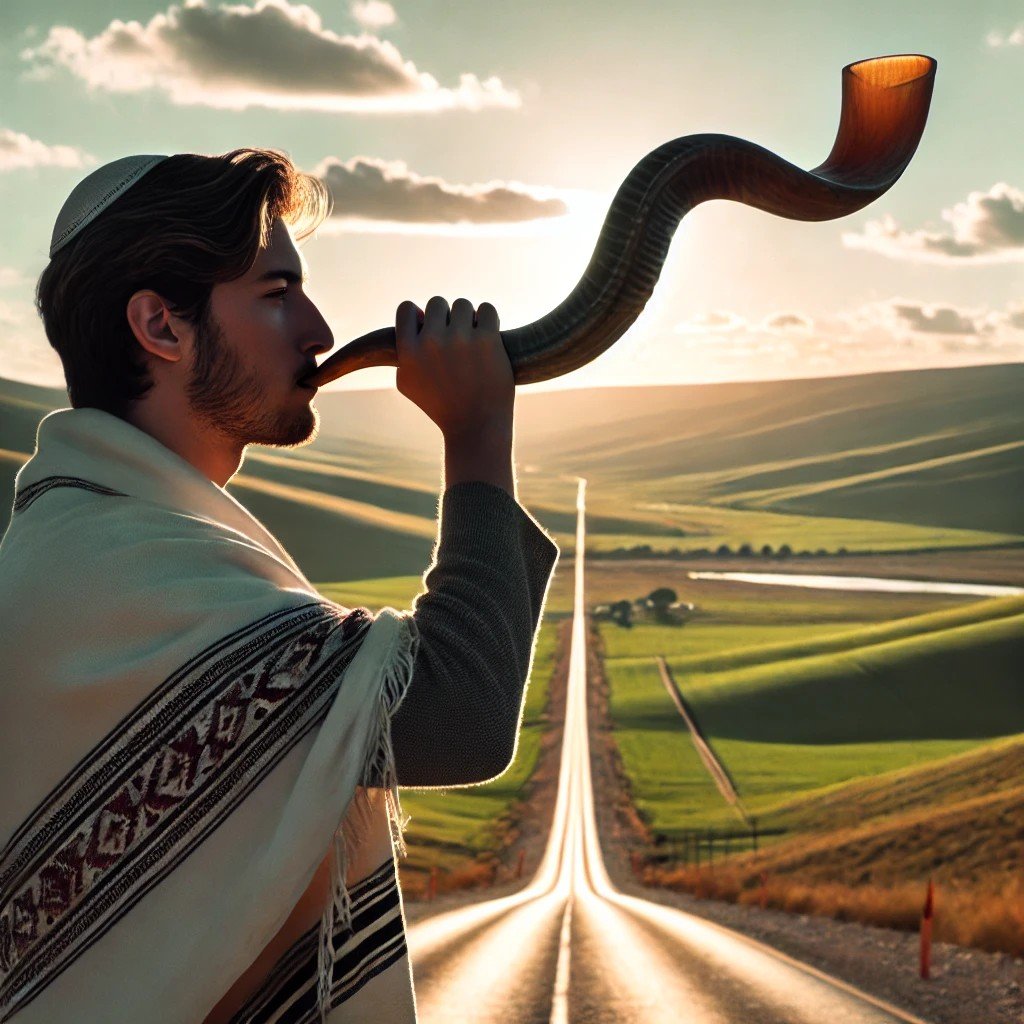
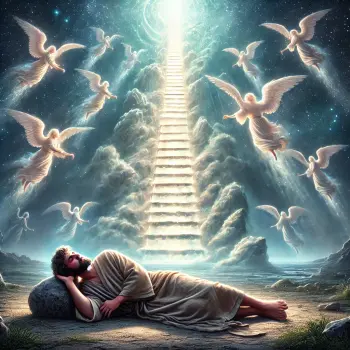
Image created by the author in DallE.
The capacity to transport people to a different place emotionally by expelling breath into a horn is rare, but we can recognize numerous examples: lifted up by the contagious joy in Clifford Brown’s “Daahoud”, immersed in a stream of cool in Miles Davis’ “All Blues”, or awakened by the piercing notes of a shofar. While the shofar lacks the melodic tones of a trumpet, it makes up for that in conveying a sense of urgency.
The reasons given for the sounding of the shofar on Rosh Hashanah are numerous. Some will insist that the Torah says so in Leviticus and Numbers and that is sufficient. Most people are a little more curious and want reasons. The first explanation many people turn to is provided by Maimonides. Even though he lived in the 12th century, his words continue to be especially prescient in the 21st century.
“Wake up, sleepers, from your sleep! And slumberers, arise from your slumber! Search your ways and return in teshuvah (repentance) and remember your Creator! …Examine your souls and improve your ways and your motivations!”
In this passage from the Mishneh Torah (Laws of Repentance 3:4). Maimonides tells us that we need a wake-up call, an alarm clock to shake us out of our lethargy and the routine of our prosaic lives. It’s there to get our attention, much like the siren warning of tornados or the klaxon of imminent collision.
What is repentance anyway?
Repentance, in English, conveys the sense of regretting or feeling remorse about past actions or sins. The Hebrew teshuvah means turn or return. More than intellectual regret, it expresses action – returning to the right path after wandering lost or making a course correction when you realize you’re headed in the wrong direction. Teshuvah begins with self-examination, but you can’t stop there. You have to do something for meaningful change.
So why do we need to wake up?
We can work on teshuvah any time, reflect on our actions or lack thereof whenever we feel like it. So why now? People need deadlines. Not until we’re close to April 15, can most people be persuaded to work on taxes. As much as we dislike taxes, how much more uncomfortable are we with looking deep into our lives and deciding what we want or need to change? The period of the High Holy Days or Days of Awe (Yamim Noraim) is the time to do that work and the shofar’s blast wakes us up to that reality.
Why do we need different sounds? Wouldn’t one suffice?
The sounds made by the shofar move us along our path. The first sound, tekiah, is a single long note. Some think of it as an introduction or a welcoming. It gently invites us to look inward, greeting us where we are. That unbroken note reminds us that we have yet to change, that our life is steady, complacent, unexamined. The persistent single tone is like the gentle ringing that awakens us from our slumber. It announces that now it is time to get up and start working.
The second sound, shevarim, consists of three broken notes, associated by many with the sound of weeping. But what is the source of our sorrow? Is it our awakening to the sorrows and pains of the world around us? Are our eyes opening to the unnecessary suffering of so many in the world, the heartbreak brought about by death, illness, and conflict? Or are we brought to tears as we realize the opportunities that we’ve wasted over the course of the past year, the times we didn’t live up to our potential, the moments we were blind to the needs of others? Perhaps it is a mixture of both.
Shevarim is followed by teruah, a staccato blast of 7 or 9 rapid notes. Teruah gives us a sense of urgency; we have to do this now. The notes insist that we move from consciousness and awareness to action. We can no longer delay, procrastinate for another day, put off until next week. Once we’ve identified a problem, we must move toward a solution. And we have to do it now.
The final blast of the shofar sounding occurs only once, the tekiah gedolah, the great tekiah, one long unbroken note. It points to hope for the coming year. It is the hope that what is broken will be made whole, that the meandering path we were on will be made straight, and that we begin the new year refreshed and open to the joys and challenges that await us.
Home and Religion
Previous Post

September 17, 2024
EXTRA! EXTRA! Read and Reflect
Next Post
October 2, 2024 You Will Become What You Eat
Recent Comments
"I verymuch enjoyed this article, thanks!"
Sukkot: Shelters of Vulnerability
Browse Our Archives
Select a Category Uncategorized
Select a Month December 2024 November 2024 October 2024 September 2024
TAKE THE
Religious Wisdom Quiz
How many days did God take to create the world?
Select your answer to see how you score.
Two Ten Seven Six
Related posts from The Wondering Jew
Chanukah: Minor Holiday or Source of Identity?

Joseph's Lesson: Being Present & Breaking the Cycle
Jacob, Esau, and Lessons for the Holiday Season
Confronting Fear: A Journey toward Adulting and Growth
TRENDING AT PATHEOS Jewish

Building a Little Ark in a Frightening World
This past Shabbat, we read about Noah. I love this story. The...

Yom Kippur : Is There Always Room for...
Making Room for Forgiveness Every year as Yom Kippur approaches, I find...

This Rosh Hashanah: Can I Find New Meaning?
A Sunrise, a New Year, and a Question On our way to...

Killing Amalek: The Torah’s Most Misunderstood Commandment
Few passages of the Torah have provoked more confusion, polemic, and misuse...

I have never trusted a first draft. I don’t mean that...

Back to School, Back to Reality—and a New...
A New School Year Begins… Back to Reality A new school year...
view all Jewish blogs
Ad-Free & Subscriber Log-In Subscription Support
- About Us
- 2026 Calendar
- Videos
- Podcasts
- Library of World Religions
- Faith In Media Tracker
- Advertise With Us
- Write for Us
- Privacy Policy
- Terms of Service
- Do Not Sell My Data
- Contact Us
- Radiant Digital
- Manage Newsletter Subscriptions
- Unsubscribe From Notifications
- Sitemap
Copyright 2008-2026, Patheos. All rights reserved.
Subscription Support Ad-Free & Subscriber Log-In
Follow Patheos