
BuddhistCatholicContemplativeEvangelicalGeneral ChristianHinduJewishLatter-day SaintMuslimNew VisionsProgressive Christian
Beliefs
- Buddhist
- Catholic
- Contemplative
- Evangelical
- General Christian
- Hindu
- Jewish
- Latter-day Saint
- More Voices
- Muslim
- New Visions
- Pagan
- Progressive Christian
Topics
- Religion News
- Food and Religion
- Sports and Religion
- Religious Art
- Religious Music and Entertainment
- Religious Events
- History and Religion
- Style and Religion
- Politics and Religion
- Women in Religion
- Recreation Outdoors and Religion
- Business Finance and Religion
- Careers Workplace and Religion
- Education and Religion
- Family Parenting and Religion
- Health Fitness and Religion
- Home and Religion
- Relationships and Religion
- Technology and Religion
- Travel and Religion
Columnists
- Buddhist Columnists
- Business Finance and Religion Columnists
- Careers Workplace and Religion Columnists
- Catholic Columnists
- Contemplative Columnists
- Education and Religion Columnists
- Evangelists Columnists
- Family Parenting and Religion Columnists
- General Christian Columnists
- Health Fitness and Religion Columnists
- Hindu Columnists
- History and Religion Columnists
- Home and Religion Columnists
- Jewish Columnists
- More Voices Columnists
- Latter Day Columnists
- Muslim Columnists
- New Visions Columnists
- Nonreligious Columnists
- Pagan Columnists
- Politics and Religion Columnists
- Progressive Columnists
- Recreation Outdoors and Religion Columnists
- Relationships and Religion Columnists
- Religion News Columnists
- Religious Art Columnists
- Religious Events Columnists
- Religious Music and Entertainment Columnists
- Sports and Religion Columnists
- Style and Religion Columnists
- Technology and Religion Columnists
- Travel and Religion Columnists
- Women in Religion Columnists
Resource Library
- 2026 Calendar
- Library of World Religions
- The 100 Most Holy Places on Earth
- Patheos Answers
- Podcasts
- Videos
- Faith Leaders Database
- Anglican Episcopalian
- Bahai
- Baptist
- Buddhism
- Christianity
- Confucianism
- Eastern Orthodoxy
- Hinduism
- Holiness and Pentecostal
- ISKCON
- Islam
- Judaism
- Lutheran
- Methodist
- The Church of Jesus Christ of Latter-day Saints
- New Age
- Paganism
- Presbytarian and Reformed
- Protestantism
- Religion Behind the Scenes
- Roman Catholic
- Scientology
- Shia Islam
- Sikhism
- Sufism
- Sunni Islam
- Taoism
- Zen
- See all religions
Research Tools
 Ad-Free & Subscriber Log-In Subscription Support
Ad-Free & Subscriber Log-In Subscription Support
Follow Patheos 

- Trending:
- Forgiveness
- |
- Marriage
- |
- Consciousness
- |
- Death Penalty
- |
- Election
- |
- Halloween
 The Witches Next Door
- Home
- Pagan
- Finding A Magickal Teacher – What To Look For And What To Avoid
Finding A Magickal Teacher – What To Look For And What To Avoid
Last updated on: March 25, 2018 at 9:37 am by The Witches Next Door
Finding A Magickal Teacher – What To Look For And What To Avoid 2018-03-25T09:37:36-08:00 The Witches Next Door
Patheos Explore the world's faith through different perspectives on religion and spirituality! Patheos has the views of the prevalent religions and spiritualities of the world.
Many, many years ago when I first began studying Tibetan Buddhism, I read every book I could find on the subject. After a few years of rabidly consuming everything ever published, I realized that I wasn’t learning anymore. It dawned on me that what I needed was a teacher. I needed someone who could bring lessons to life for me. As it happened, the moment I said that out loud, a teacher came into my life. I studied with my beloved Rinpoche for three years until he went on an extended hermitage. One of the last lessons my teacher gave me was to cultivate a relationship with my own inner teacher.
Another piece of advice I received was to study the magic and spirituality from “my people”, the land I come from. And that’s how I began my journey with Paganism. Throughout my journey I’ve had excellent teachers who have passed along subtle and profound wisdom or better yet, encouraged me to find my own wisdom. I’ve also run into a few egomaniacs and complete and utter assholes that loved hearing the sound of their own voice and wouldn’t know magic if it bit them on the arse.
Taking the good with the bad, I’ve developed a rubric of sorts of what makes a good teacher and the signposts that say “Warning! Run in the other direction as fast as you can.”

A good teacher is transparent – CCO Pixabay
Transparency
Transparency is at the top of my list of positive teacher attributes. Who is this person? Who have they studied with? What’s their relationship to the subject matter they’re offering? I love to ask questions and if I’m going to study with someone, I want to know as much as I can about them. If a teacher is unwilling to share the details of the course or how they came to their own understanding of what they’re teaching , or what their aspirations are for the work, I’m always a little suspect.
The best teachers I’ve had over the years are those that share what the work means to them and can explain why. One dear teacher would start every class with “So this work saved my life”. They’d go on to detail certain pivotal moments where they relied on, leaned into, and held onto the magical work they’d learned to get them through some devastatingly challenging parts of their life. I always appreciated their candor.
Any time I teach, I want an underpinning of the work to be “Look, I’ve been through this forest. I can walk beside you as you go through this forest. I know where some of the pitfalls are, and I’ll point them out as we go along. Understand your challenges are likely to be different than mine. Know this one thing: There is a way through the forest. Someone was there with me. I’ll be there with you.”
It’s not about the teacher doing the work for you. It’s not about them knowing the only way through the forest. But it’s a good thing though, when they’ve been to the forest before and made it back!
Is The Teacher Also A Student?
Every great teacher I’ve ever studied with is still an avid student. I ask right up front who are they reading now? What are they currently studying, within and without the field of occult studies? What’s flipping their switch and making the lights go on?
A favourite teacher of mine asks every co-teacher or co-facilitator she works with this one question: What are you looking to learn by teaching this class? She’ll ask the question several different ways, but the root of it, comes back to that point every time. What about this class/workshop/subject is calling you right now? What do you need to learn by teaching this work?
I love this approach. It speaks of a certain humility and an unending curiosity.
Level Of Expertise
If I want to learn specific magical practices and skills, I do want to learn from someone that has a certain amount of experience with the material. Again, I’ll ask how long they’ve been a practitioner and who their teachers are. If the work was originally developed by Lilypad McTeacher, I’d want to know the process by which this current teacher came about the materials. If there’s any kind of cultural component to the subject, are they allowed to speak for that tradition and pass along the wisdom found there?
Going back to my Buddhism days for a moment. I’ve received many “empowerments” and I studied some pretty esoteric texts. I could certainly discuss them with you. We could have a lively chat about Emptiness and the Heart Sutra but I’m not qualified to teach you those mysteries. I can share my own experiences but have no authority to pass along the work.
In paganism, I’m initiated into three different traditions. In one of those, I am also an initiator and teacher. I’ve been a pagan for a long time and have dedicated the past decade to learning my craft inside and out from the perspective of a teacher and initiator. I’ve been an apprentice teacher and taught with many incredibly folk, who’ve added to my understanding of the tradition(s) I hold so dear. In one particular tradition, I do have the “authority” to pass along the mysteries.
Here’s an odd thing though. It doesn’t always follow that someone needs to be an expert in the subject matter they’re teaching to be effective. It is important that they are transparent about their level of expertise. I’ve taken amazing classes with people that clearly said “I’m interested in this subject. I’ve done some leg work and discovered X, Y, and Z. I’d like to share what I’ve learned so far and see if we can discover more together.” I’m totally okay with that, as long as I know it in advance.
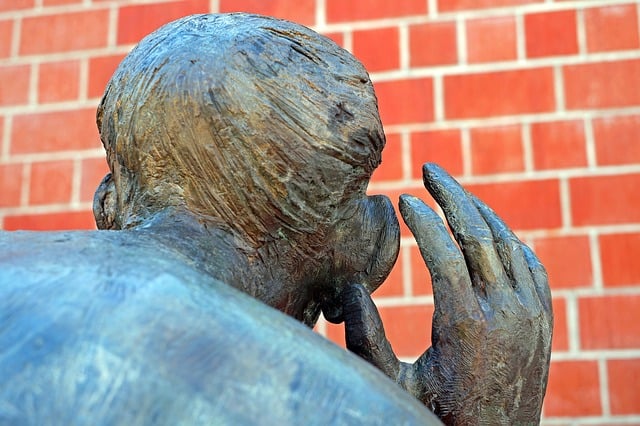
A great teacher listens
Open For Feedback
This is a big one for me. How available is the teacher for feedback? If they seek out feedback that’s a good sign. Asking questions like “what could have made this class better for you?” shows they care about how the work was received. It’s one thing to be an expert on a subject, it’s another thing to be in service to the people that are coming to learn from you. That’s an entirely other skill indeed.
Asking for and valuing feedback is a way to improve how the lessons are conveyed. Offering different modalities, understanding that people learn in different ways, or that particular segments of the magic are only geared to a specific slice of the attendees are important pieces to consider. If a teacher doesn’t consider feedback, I’m unlikely to work with them again (or at all).
Boundaries
Boundaries are good, especially in all things magical. Clear boundaries are good boundaries. Every class I teach starts with agreements and boundaries. My teachers and my teacher’s teachers taught me that. Class starts at this time and ends at that time. The workshop will cover these subjects. Here’s how we’ll work with each other. This kind of behavior isn’t acceptable in this workshop. Yes, I can hang out with you after the workshop and have dinner. No, I won’t have sex with you and there’s no expectation that you’ll have sex with me. One more time with feeling: Boundaries are good, especially in all things magical. Clear boundaries are good boundaries.
Teachers with good boundaries tend to be excellent teachers.
Is The Teacher Too Self Referential?
Being overly self-referential is a real red flag for me. It’s perfectly okay to refer to the book the teacher published, or the website they manage, or the tradition they founded. It’s another thing to only refer to those sources. If I’m at a Pagan event and a presenter points to the body of work they’ve developed, that’s absolutely appropriate. If I’m undertaking a course of study with them, I’d like to see other materials too.
I once worked, albeit briefly, with a brilliant teacher. There was just one problem. Almost any question I asked was met with the answer “it’s on the website” or “read my second book, the answers you seek are there”. The information on the website would change as they “dreamed” more on the tradition they were creating and prior “sacred knowledge” was to be dismissed or worse yet, it was claimed it “never existed”. RED FLAG!
As you might imaging, I ran far away and very fast.

“I am the font of all knowledge” said no good teacher ever
The Cost of Hidden Knowledge
I understand that many traditions, especially mystery traditions, dole out knowledge at certain times. There are degrees or thresholds, or info for initiates only. That’s all well and good. I like that actually. However, what is really problematic is the cost of said hidden knowledge. I’m not talking financial costs here either. To become a 10th degree priestess in the “Super Cool Magickal Kids Club” you have to sell your house or have sex with all the other high priestesses or leave all your worldly possessions to the coven or you can never associate with anyone outside of the 10th circle. These are the costs I’m talking about.
It’s okay (not really) if these are conditions of the tradition, but when are these costs disclosed? If it’s upfront, okay (I guess). I’m going in wide eyes open. If it’s two minutes into the workshop or initiation ceremony, um…not cool.
Student Collectors
Here’s a deal breaker for me too. I’ve known teachers that refer to everyone, anyone that’s ever taken a class from them as “my students”. “Unicorn Witchpants was a student of mine before they started their own tradition”. There’s this icky thing about teachers that collect students and can’t ever see the participants in their workshops or courses as anything but students, no matter long ago that was.
I was a participant in a three day workshop once, that doesn’t make me “your” student for life. Eew!
Some Teachers Just Smell Bad
This is not about personal hygiene. A beloved mentor of mine once remarked that certain people just don’t smell good to them. Here’s what they meant: We don’t have to like or get along with everyone. Not everyone is meant to be our teacher. We are not meant to be a student of every person that wants to teach. Sometimes we just don’t mesh. It’s nothing personal.
This is a vital lesson to learn. Discernment is often our least employed magical tool. If you get that oogie feeling about someone, trust it. Doesn’t mean they are a bad teacher or that you are a bad student. It just means something is off right now. Go with that. Leave the seminar. Respectfully walk out of the ritual. No explanation is needed (although, in my classes, feedback is welcomed!).
Previous Post

March 4, 2018
A Celebration for the Spring Equinox
Next Post
April 18, 2018 Leadership Versus Leaders. The Difference Matters.
Browse Our Archives
Select a Category Ancestor Work Art and Magic Athena Autumn Equinox Being a Priestess Being A Witch Being Pagan Belatane Beltane candle magic Cauldron Cernunnos cerridwen Choosing a magical name Circle Casting Community Coronovirus Coven Curious about magic Daily Practice Deity Depression Earth Ecstatic Practices Elements of Magic Every Day Magic Fae Food Magic Goddess Grounding House Magick Imbolc Ritual Kitchen Witch Knot Magic Lammas Life Ritualized Mabon Magical Healing Magical Practice Magical Teachers Magickal Tools Making Altars Many Gods West Mountain Magic Nature Witch New Year's Tradition Omens Pagan Books Pagan Camps and Festivals Pagan Food Pagan Gods Pagan History Pagan Holidays Pagan Humor Pagan Humour Pagan leadership Pagan Marriage Pagan Music Pagan Parenting Pagan Relationships Pagan Rituals Pagan Rules Pagan Tattoos Pantheacon Peaceful Home Pearl Pentacle Personal Power Politics Ritual Cleansing Ritual Drumming Samhain Samhain Practices saturnalia Skyclad Spells Spiralheart Witch Camp Spirits of Place Spring Equinox spring magic Summer Solstice Tarot The Magick Of Food Time Magic Uncategorized Winter Solstice Witch History Witch Words WitchCamps Work Magic Year End Review Yule
Select a Month March 2021 February 2021 January 2021 December 2020 October 2020 September 2020 May 2020 April 2020 March 2020 February 2020 January 2020 December 2019 November 2019 October 2019 September 2019 August 2019 July 2019 June 2019 May 2019 April 2019 March 2019 February 2019 January 2019 December 2018 November 2018 October 2018 September 2018 August 2018 July 2018 June 2018 May 2018 April 2018 March 2018 February 2018 January 2018 December 2017 November 2017 October 2017 September 2017 August 2017 July 2017 June 2017 May 2017 April 2017 March 2017 February 2017 January 2017 December 2016 November 2016 October 2016 September 2016 August 2016 July 2016 June 2016 May 2016 April 2016 March 2016 February 2016 January 2016 December 2015 October 2015 September 2015 August 2015 July 2015 June 2015 May 2015 April 2015 March 2015 February 2015
Follow Us!
TAKE THE
Religious Wisdom Quiz
What was the name of the queen who visited Solomon?
Select your answer to see how you score.
Queen Vashti Queen Esther The Queen of Sheba Queen Jezebel
Related posts from The Witches Next Door

Discovering Your Spiritual Allies

The Perils of a Magickal Hangover

Casting a Circle - Not Just Performance Art
TRENDING AT PATHEOS Pagan

I was recently chatting with someone on Instagram. She asked me what...

While there are many people who share their results, the end of...

On July 23, I saw Christopher Nolan's The Odyssey which is Homer’s...

As I write this two big events have just finished up. One...

Restoring the Watershed of Divine Love
Perhaps cooperation is not something we manufacture through legislation, ideology, or moral...

Many UUs don’t pray because of bad experiences in a previous religion,...
view all Pagan blogs
Ad-Free & Subscriber Log-In Subscription Support
- About Us
- 2026 Calendar
- Videos
- Podcasts
- Library of World Religions
- Faith In Media Tracker
- Advertise With Us
- Write for Us
- Privacy Policy
- Terms of Service
- Do Not Sell My Data
- Contact Us
- Radiant Digital
- Manage Newsletter Subscriptions
- Unsubscribe From Notifications
- Sitemap
Copyright 2008-2026, Patheos. All rights reserved.
Subscription Support Ad-Free & Subscriber Log-In
Follow Patheos