
BuddhistCatholicContemplativeEvangelicalGeneral ChristianHinduJewishLatter-day SaintMuslimNew VisionsProgressive Christian
Beliefs
- Buddhist
- Catholic
- Contemplative
- Evangelical
- General Christian
- Hindu
- Jewish
- Latter-day Saint
- More Voices
- Muslim
- New Visions
- Pagan
- Progressive Christian
Topics
- Religion News
- Food and Religion
- Sports and Religion
- Religious Art
- Religious Music and Entertainment
- Religious Events
- History and Religion
- Style and Religion
- Politics and Religion
- Women in Religion
- Recreation Outdoors and Religion
- Business Finance and Religion
- Careers Workplace and Religion
- Education and Religion
- Family Parenting and Religion
- Health Fitness and Religion
- Home and Religion
- Relationships and Religion
- Technology and Religion
- Travel and Religion
Columnists
- Buddhist Columnists
- Business Finance and Religion Columnists
- Careers Workplace and Religion Columnists
- Catholic Columnists
- Contemplative Columnists
- Education and Religion Columnists
- Evangelists Columnists
- Family Parenting and Religion Columnists
- General Christian Columnists
- Health Fitness and Religion Columnists
- Hindu Columnists
- History and Religion Columnists
- Home and Religion Columnists
- Jewish Columnists
- More Voices Columnists
- Latter Day Columnists
- Muslim Columnists
- New Visions Columnists
- Nonreligious Columnists
- Pagan Columnists
- Politics and Religion Columnists
- Progressive Columnists
- Recreation Outdoors and Religion Columnists
- Relationships and Religion Columnists
- Religion News Columnists
- Religious Art Columnists
- Religious Events Columnists
- Religious Music and Entertainment Columnists
- Sports and Religion Columnists
- Style and Religion Columnists
- Technology and Religion Columnists
- Travel and Religion Columnists
- Women in Religion Columnists
Resource Library
- 2026 Calendar
- Library of World Religions
- The 100 Most Holy Places on Earth
- Patheos Answers
- Podcasts
- Videos
- Faith Leaders Database
- Anglican Episcopalian
- Bahai
- Baptist
- Buddhism
- Christianity
- Confucianism
- Eastern Orthodoxy
- Hinduism
- Holiness and Pentecostal
- ISKCON
- Islam
- Judaism
- Lutheran
- Methodist
- The Church of Jesus Christ of Latter-day Saints
- New Age
- Paganism
- Presbytarian and Reformed
- Protestantism
- Religion Behind the Scenes
- Roman Catholic
- Scientology
- Shia Islam
- Sikhism
- Sufism
- Sunni Islam
- Taoism
- Zen
- See all religions
Research Tools
 Ad-Free & Subscriber Log-In Subscription Support
Ad-Free & Subscriber Log-In Subscription Support
Follow Patheos 

- Trending:
- Forgiveness
- |
- Marriage
- |
- Consciousness
- |
- Death Penalty
- |
- Election
- |
- Halloween
 The Way of the Wildflowers
- Home
- Catholic
- What Does God Say About Worrying?
What Does God Say About Worrying?
Last updated on: August 22, 2019 at 11:03 am by Tina Mayeux
What Does God Say About Worrying? 2019-08-22T11:03:52-05:00 Tina Mayeux
Patheos Explore the world's faith through different perspectives on religion and spirituality! Patheos has the views of the prevalent religions and spiritualities of the world.

What does God say about worrying? He tells us to “have no anxiety at all, but in everything, by prayer and petition, with thanksgiving, make your requests known to God. Then the peace of God that surpasses all understanding will guard your hearts and minds in Christ Jesus.”(Phil 4:6-7)
The Worry Cocoon
“Have no anxiety at all” can seem like a very tall order for some people like me. The past couple of weeks have been especially stressful and anxiety-provoking for me. Completing everyday activities has been tedious and exhausting because all of my energy has gone to worrying. While some people possess the capability to continue to function through stress and anxiety, I am not one of them. When worry sets in, I withdraw into my cocoon and find it difficult to negotiate the outside world. Many of my normal activities in life grind to a halt and I become semi-paralyzed. I become completely wrapped up in worry and focus all of my energy and attention on the object of my anxiety. So how do we follow St. Paul’s advice to “have no anxiety at all?”
Needing to Feel in Control
He tells us instead that we should “by prayer and petition, with thanksgiving, make your requests known to God” to achieve peace and freedom from worry. St. Pio of Pietrelcina echoes these words with his famous quote, “Pray, hope, and don’t worry. Worry is useless. God is merciful and will hear your prayer.” These words sound nice but it can be extremely difficult for an anxious person to put them into practice. I have suffered with anxiety for many years and have examined the subject by reading countless books, listening to professional advice, and trying to develop a plan for dealing with worry and fear. One truth that I have come to realize is that the reason I have trouble following these counsels is because of my desire to be in control of the situations which cause me anxiety and because of the lack of control that I often actually have over them. Philippians tells us to present our requests to God through prayer and petition, and then implies that we will let them go and trust him to act on our behalf. It doesn’t say to hold on to them with a death grip and attempt to manipulate the outcome We have to be willing to let go and let God work in our lives and not try to force the result we desire.
Trust in the Lord
To do this require trust, something we often lack in our cynical world. So what does God say about trusting him? Scripture is full of examples of inspired words that remind us that trust is integral to our peace and well-being. “Trust in the LORD forever! For the LORD is an eternal Rock.” (Is 26:4) “Trust in the LORD with all your heart, on your own intelligence do not rely.” (Prov 3:5) “Trust in the LORD and do good that you may dwell in the land and live secure. (Ps 37:3) Merriam-Webster defines trust as “assured reliance on the character, ability, strength, or truth of someone or something.” We rely on the fact that God is good and wants what is best for us, even if we don’t always get the answer we expect. We believe that his ways are superior to our ways and so we resolve to accept whatever he sends us. Another definition of trust is “dependence on something future or contingent; hope.” We have been told that if we ask we shall receive; therefore, we should have a firm confidence that God will answer our prayers, knowing that whatever way he chooses to answer, it is for our good.
Be Like Little Children
It is no wonder that Jesus told his followers, and us, that we should be like little children. Infants and small children have not yet learned to worry; they go about happily, secure in the knowledge that their parents will provide for their needs. A child doesn’t worry about where his next meal is coming from. He tells his parents that he is hungry and receives what he needs in return. If we can learn to humble ourselves like children and give up our need to control everything, God will bless us with the peace that he promises throughout scripture and we will experience true happiness. Easier said than done, but I am encouraged to try to imitate the trust of these little ones, leave the worry cocoon behind and emerge peaceful and confident in God who answers all prayers according to his will.
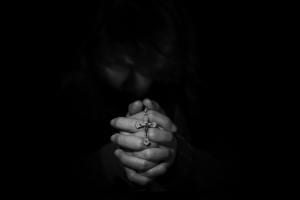
(Image by John Hain from Pixabay)
Previous Post

August 10, 2019
How to be a Saint: Learning from the Masters
Browse Our Archives
Select a Category adoration conversion Eucharist faith feast days food God healing health Jesus Mary mental health mercy nutrition nutrition, food, health, healing, wellness prayer Sacraments saints Scripture Uncategorized
Select a Month February 2020 January 2020 November 2019 October 2019 September 2019 August 2019 July 2019 June 2019 May 2019 April 2019 March 2019
Follow Us!
TAKE THE
Religious Wisdom Quiz
Which Gospel records the most parables?
Select your answer to see how you score.
Matthew John Mark Luke
Related posts from The Way of the Wildflowers

Recharging Our Spiritual Batteries

Mustard Seeds, Miracles, and Marvel Comics
How To Pray When We Don't Feel Like...

The Mystical Union of St. Pio of Pietrelcina
TRENDING AT PATHEOS Catholic

Rejecting Doom: Christian Hope And Human Action
Christianity is a religion of hope. We are to have hope and...

It’s What Comes From Within Which Matters
One of the most difficult things for us to understand is why...

Why I Choose the Eucharist Over the Sermon
Choose the Eucharist, Not the Sermon What are we supposed to get...

5 Design Elements Found in Spiritually Rooted Homes
Putting Spirituality Into Home Decor Our homes are more than our living...

Credo: A Story of God Told with the...
About 10 years ago, I began to imagine a personal "Credo" that...

The Anatomy of Divine Revelation in Catholic Thought
The claim that God has made Himself known to human beings is...
view all Catholic blogs
Ad-Free & Subscriber Log-In Subscription Support
- About Us
- 2026 Calendar
- Videos
- Podcasts
- Library of World Religions
- Faith In Media Tracker
- Advertise With Us
- Write for Us
- Privacy Policy
- Terms of Service
- Do Not Sell My Data
- Contact Us
- Radiant Digital
- Manage Newsletter Subscriptions
- Unsubscribe From Notifications
- Sitemap
Copyright 2008-2026, Patheos. All rights reserved.
Subscription Support Ad-Free & Subscriber Log-In
Follow Patheos