
BuddhistCatholicContemplativeEvangelicalGeneral ChristianHinduJewishLatter-day SaintMuslimNew VisionsProgressive Christian
Beliefs
- Buddhist
- Catholic
- Contemplative
- Evangelical
- General Christian
- Hindu
- Jewish
- Latter-day Saint
- More Voices
- Muslim
- New Visions
- Pagan
- Progressive Christian
Topics
- Religion News
- Food and Religion
- Sports and Religion
- Religious Art
- Religious Music and Entertainment
- Religious Events
- History and Religion
- Style and Religion
- Politics and Religion
- Women in Religion
- Recreation Outdoors and Religion
- Business Finance and Religion
- Careers Workplace and Religion
- Education and Religion
- Family Parenting and Religion
- Health Fitness and Religion
- Home and Religion
- Relationships and Religion
- Technology and Religion
- Travel and Religion
Columnists
- Buddhist Columnists
- Business Finance and Religion Columnists
- Careers Workplace and Religion Columnists
- Catholic Columnists
- Contemplative Columnists
- Education and Religion Columnists
- Evangelists Columnists
- Family Parenting and Religion Columnists
- General Christian Columnists
- Health Fitness and Religion Columnists
- Hindu Columnists
- History and Religion Columnists
- Home and Religion Columnists
- Jewish Columnists
- More Voices Columnists
- Latter Day Columnists
- Muslim Columnists
- New Visions Columnists
- Nonreligious Columnists
- Pagan Columnists
- Politics and Religion Columnists
- Progressive Columnists
- Recreation Outdoors and Religion Columnists
- Relationships and Religion Columnists
- Religion News Columnists
- Religious Art Columnists
- Religious Events Columnists
- Religious Music and Entertainment Columnists
- Sports and Religion Columnists
- Style and Religion Columnists
- Technology and Religion Columnists
- Travel and Religion Columnists
- Women in Religion Columnists
Resource Library
- 2026 Calendar
- Library of World Religions
- The 100 Most Holy Places on Earth
- Patheos Answers
- Podcasts
- Videos
- Faith Leaders Database
- Anglican Episcopalian
- Bahai
- Baptist
- Buddhism
- Christianity
- Confucianism
- Eastern Orthodoxy
- Hinduism
- Holiness and Pentecostal
- ISKCON
- Islam
- Judaism
- Lutheran
- Methodist
- The Church of Jesus Christ of Latter-day Saints
- New Age
- Paganism
- Presbytarian and Reformed
- Protestantism
- Religion Behind the Scenes
- Roman Catholic
- Scientology
- Shia Islam
- Sikhism
- Sufism
- Sunni Islam
- Taoism
- Zen
- See all religions
Research Tools
 Ad-Free & Subscriber Log-In Subscription Support
Ad-Free & Subscriber Log-In Subscription Support
Follow Patheos 

- Trending:
- Forgiveness
- |
- Marriage
- |
- Consciousness
- |
- Death Penalty
- |
- Election
- |
- Halloween
 The Way of the Wildflowers
- Home
- Catholic
- Justice Serves Love
Justice Serves Love
Last updated on: July 27, 2019 at 6:39 pm by Tina Mayeux
Justice Serves Love 2019-07-27T18:39:15-05:00 Tina Mayeux
Patheos Explore the world's faith through different perspectives on religion and spirituality! Patheos has the views of the prevalent religions and spiritualities of the world.
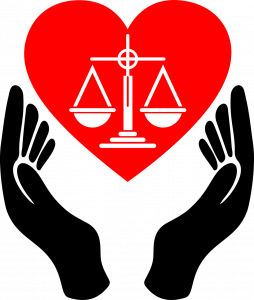
My 10-year-old daughter was playing a tennis match recently when her opponent called the wrong score, effectively taking some points from her. Like her mother, she has a strong sense of right and wrong and a belief that justice should prevail, so, of course, she contested the points. It got me thinking about the balance of God’s justice versus his mercy and whether these two attributes of God conflict or actually are in harmony. It’s a timeless and universal question, but one that continues to be necessary to consider and weigh. Knowing that God is a just God, but also merciful, how can we reconcile these two seemingly opposed ideas?
Cardinal Angelo Bagnasco, the President of the Italian Bishop’s Conference in 2008 lectured on this very topic and explained how the dawn of Christianity supported the complementarity of these two themes. “Christianity entered into this speculative effort that was so prevalent in the Greek world —from Socrates to Aristotle and Plato — and in the Roman world — from Cicero to Seneca and to Marcus Aurelius — proposing a daring synthesis that was new while at the same time containing much classical thought; thus was it to leave its mark on history.” He continues: “With the Christian proclamation, justice and mercy stopped being alternatives once and for all. They became virtues that are not only interconnected but also indispensable to each other.”
Pope Saint John Paul II, in his encyclical Dives in Misericordia, emphasizes the contrasting nature of justice and mercy, but reveals that , “in many cases [mercy] is shown to be not only more powerful than that justice but also more profound.” He adds, “Even the Old Testament teaches that, although justice is an authentic virtue in man, and in God signifies transcendent perfection nevertheless love is “greater” than justice: greater in the sense that it is primary and fundamental. Love, so to speak, conditions justice and, in the final analysis, justice serves love.” Pope Francis has said, “(God) does not seek our condemnation, but our salvation.”
In Matthew’s gospel, when the soldiers lay hands on Jesus to arrest him, we hear that one of those accompanying Jesus drew his sword and cut off the ear of the high priest’s servant. Jesus’ response was, “Put your sword back into its sheath, for all who take the sword will perish by the sword. Consistent with his teaching throughout the gospels, Jesus once again instructs his apostles and us that when a wrong is done, we respond to the evil with mercy and compassion. When we have true charity, rather than seeking retribution and returning evil for evil, we desire that the offending party realize the wrong that was done, be converted and change their ways.
Knowing that God is rich in mercy and forgiveness and that his mercy outweighs his justice obligates us to exercise that mercy towards our neighbor. If we have been forgiven our sins by God, then we should, in turn, extend that mercy to those who have hurt us. Pope Francis has said, “It is only in responding with good that evil can be truly defeated.” An ‘eye for an eye’ will never bring peace and understanding between people and nations. Only acts of love, mercy and forgiveness will bring about unity and reconciliation.
In the parable of the Unforgiving Servant, Jesus tells us that the consequence for lack of mercy is severe. After being relieved of a large debt, the servant refused to forgive a fellow servant who owed him a much smaller amount. His Master responded “You wicked servant! I forgave you your entire debt because you begged me to. Should you not have had pity on your fellow servant, as I had pity on you?” (Matt 18:32-33) The verse continues, “Then in anger his master handed him over to the torturers until he should pay back the whole debt. So will my heavenly Father do to you, unless each of you forgives his brother from his heart.” (Matt 18:34-35)
So, back to my daughter’s tennis match. Of course she was correct to question the bad call. We are to abide by rules and should be held to account for dishonesty. However, thankfully, she patiently questioned the call and did not use the opportunity to retaliate by getting angry or seeking revenge. I think it was a good balance of justice and mercy on her part. I was proud that she had the confidence to contest the call, yet not respond in anger, and even prouder that she won the match and happily shook hands with her opponent after. She wasn’t mad about the unfair call, and he wasn’t upset because he lost the match. It helped me to see that we can learn from observing the benevolence of children and their innocent joy and love and that, in our own lives, we should allow mercy to triumph over bitterness, anger, and revenge. When we choose the path of love and mercy we are choosing the path of peace for ourselves and for the world around us.
(Image by Gordon Johnson from Pixabay)
Previous Post

July 22, 2019
Letting Go and Letting God
Next Post
August 4, 2019 In Pursuit of the Truth: St. Teresa Benedicta of the Cross
Browse Our Archives
Select a Category adoration conversion Eucharist faith feast days food God healing health Jesus Mary mental health mercy nutrition nutrition, food, health, healing, wellness prayer Sacraments saints Scripture Uncategorized
Select a Month February 2020 January 2020 November 2019 October 2019 September 2019 August 2019 July 2019 June 2019 May 2019 April 2019 March 2019
Follow Us!
TAKE THE
Religious Wisdom Quiz
Who interpreted dreams for a Pharaoh and a baker?
Select your answer to see how you score.
Moses Aaron Daniel Joseph
Related posts from The Way of the Wildflowers

Growing a Healthy Marriage with Natural Family Planning

Recharging Our Spiritual Batteries
Signs, Sacrifices, and Whole-Burnt Offerings

Mustard Seeds, Miracles, and Marvel Comics
TRENDING AT PATHEOS Catholic

Rejecting Doom: Christian Hope And Human Action
Christianity is a religion of hope. We are to have hope and...

It’s What Comes From Within Which Matters
One of the most difficult things for us to understand is why...

Why I Choose the Eucharist Over the Sermon
Choose the Eucharist, Not the Sermon What are we supposed to get...

5 Design Elements Found in Spiritually Rooted Homes
Putting Spirituality Into Home Decor Our homes are more than our living...

Credo: A Story of God Told with the...
About 10 years ago, I began to imagine a personal "Credo" that...

The Anatomy of Divine Revelation in Catholic Thought
The claim that God has made Himself known to human beings is...
view all Catholic blogs
Ad-Free & Subscriber Log-In Subscription Support
- About Us
- 2026 Calendar
- Videos
- Podcasts
- Library of World Religions
- Faith In Media Tracker
- Advertise With Us
- Write for Us
- Privacy Policy
- Terms of Service
- Do Not Sell My Data
- Contact Us
- Radiant Digital
- Manage Newsletter Subscriptions
- Unsubscribe From Notifications
- Sitemap
Copyright 2008-2026, Patheos. All rights reserved.
Subscription Support Ad-Free & Subscriber Log-In
Follow Patheos