
BuddhistCatholicContemplativeEvangelicalGeneral ChristianHinduJewishLatter-day SaintMuslimNew VisionsProgressive Christian
Beliefs
- Buddhist
- Catholic
- Contemplative
- Evangelical
- General Christian
- Hindu
- Jewish
- Latter-day Saint
- More Voices
- Muslim
- New Visions
- Pagan
- Progressive Christian
Topics
- Religion News
- Food and Religion
- Sports and Religion
- Religious Art
- Religious Music and Entertainment
- Religious Events
- History and Religion
- Style and Religion
- Politics and Religion
- Women in Religion
- Recreation Outdoors and Religion
- Business Finance and Religion
- Careers Workplace and Religion
- Education and Religion
- Family Parenting and Religion
- Health Fitness and Religion
- Home and Religion
- Relationships and Religion
- Technology and Religion
- Travel and Religion
Columnists
- Buddhist Columnists
- Business Finance and Religion Columnists
- Careers Workplace and Religion Columnists
- Catholic Columnists
- Contemplative Columnists
- Education and Religion Columnists
- Evangelists Columnists
- Family Parenting and Religion Columnists
- General Christian Columnists
- Health Fitness and Religion Columnists
- Hindu Columnists
- History and Religion Columnists
- Home and Religion Columnists
- Jewish Columnists
- More Voices Columnists
- Latter Day Columnists
- Muslim Columnists
- New Visions Columnists
- Nonreligious Columnists
- Pagan Columnists
- Politics and Religion Columnists
- Progressive Columnists
- Recreation Outdoors and Religion Columnists
- Relationships and Religion Columnists
- Religion News Columnists
- Religious Art Columnists
- Religious Events Columnists
- Religious Music and Entertainment Columnists
- Sports and Religion Columnists
- Style and Religion Columnists
- Technology and Religion Columnists
- Travel and Religion Columnists
- Women in Religion Columnists
Resource Library
- 2026 Calendar
- Library of World Religions
- The 100 Most Holy Places on Earth
- Patheos Answers
- Podcasts
- Videos
- Faith Leaders Database
- Anglican Episcopalian
- Bahai
- Baptist
- Buddhism
- Christianity
- Confucianism
- Eastern Orthodoxy
- Hinduism
- Holiness and Pentecostal
- ISKCON
- Islam
- Judaism
- Lutheran
- Methodist
- The Church of Jesus Christ of Latter-day Saints
- New Age
- Paganism
- Presbytarian and Reformed
- Protestantism
- Religion Behind the Scenes
- Roman Catholic
- Scientology
- Shia Islam
- Sikhism
- Sufism
- Sunni Islam
- Taoism
- Zen
- See all religions
Research Tools
 Ad-Free & Subscriber Log-In Subscription Support
Ad-Free & Subscriber Log-In Subscription Support
Follow Patheos 

- Trending:
- Forgiveness
- |
- Marriage
- |
- Consciousness
- |
- Death Penalty
- |
- Election
- |
- Halloween
 The Way of the Wildflowers
- Home
- Catholic
- Forgiving and Living Well
Forgiving and Living Well
Last updated on: April 4, 2019 at 7:35 pm by Tina Mayeux
Forgiving and Living Well 2019-04-04T19:35:20-05:00 Tina Mayeux
Patheos Explore the world's faith through different perspectives on religion and spirituality! Patheos has the views of the prevalent religions and spiritualities of the world.
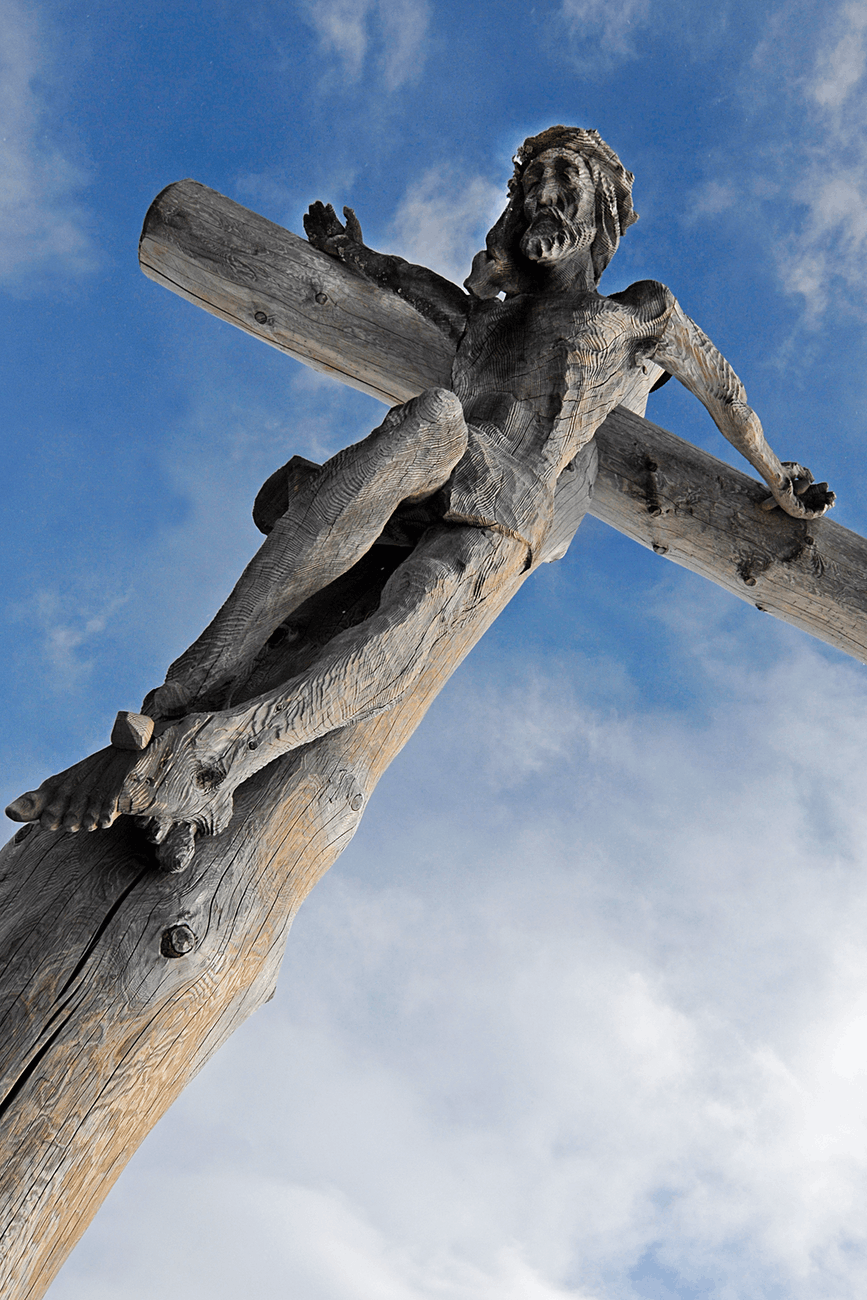
Photo by Pixabay on Pexels.com
If you could summarize the gospel in one word, it would be LOVE. “I give you a new commandment: love one another. As I have loved you, so you also should love one another.” (John 13:34) To love requires forgiveness when we are hurt by others. Jesus forgiving his executioners from the Cross is the ultimate example of mercy and forgiveness.
If you’ve ever been truly hurt or betrayed, you know how difficult it can be to forgive your offenders. Forgiveness often goes completely against our human nature, and sometimes requires a painful act of the will. As hard as it is, I believe it’s the only way to freedom, peace, and happiness. When someone stabs us in the back, we can leave the knife in and continue to be angry and complain about it, or we can remove it and move on. The knife is like the hurtful action that was done to us. If we choose to leave it where it is, hold on to it, and wallow in the suffering, it will fester and lead to infection or worse. Often, we choose to cling to the pain and suffering because our pride tells us we should be angry and demand justice, so we leave the knife in and hold on to the unforgiveness.
The more difficult thing to do, but the thing that will lead to peace, is to remove the knife and clean the wound so it can heal. We remove it by giving up bitterness and anger and choosing forgiveness of our enemies. The wound is cleaned when we confess any wrongdoing on our part – anger, revenge, hatred – and decide to let go of the negative thoughts and feelings.
Forgiveness is an act of the will. We make a choice to move forward and put the past behind us. Jesus makes it very clear that we are to forgive repeatedly if necessary: “Then Peter approaching asked him, ‘Lord, if my brother sins against me, how often must I forgive him? As many as seven times?’ Jesus answered, ‘I say to you, not seven times but seventy-seven times. ‘”(Matt.18:21-22) I think that the more we forgive, the easier it becomes.
Jesus stressed the importance of loving and forgiving one another throughout his ministry. The gospels are filled with examples of his love for others and his teachings on mercy. St. Paul also reminded the Ephesians to be merciful: [And] be kind to one another, compassionate, forgiving one another as God has forgiven you in Christ. (Eph. 4:32)
Getting past the hurt feelings doesn’t often happen overnight, so we should be patient with ourselves if we find it difficult to forgive. I think the important thing is to continue to confess our faults when we harbor resentment or anger, and to rise each time we fall into sin. Just as the knife wound doesn’t heal overnight but takes time, our hearts, when they are damaged and broken, sometimes take a long time to heal. While we are learning to forgive, we can always pray for those who have harmed us and avoid having unkind or uncharitable thoughts or actions towards them.
I was horrified back in 2002 when 14-year-old Elizabeth Smart was kidnapped, raped, abused, and held captive for nine months, and I followed the story throughout her ordeal. I wondered how she would be able to recover from that horrible event. Today she speaks about how her faith helped her through the trauma and, over time, to heal and begin to forgive. In 2018, she tweeted:
“A question I’m always asked when I speak is, “have you forgiven your captors?” Yes. But when I say yes, I don’t mean I think their actions are acceptable. For example I will never be ok with rape, abuse, or kidnapping. But to me forgiveness is another word for self love, and perhaps the greatest form of self love. And I forgive my captors because I love myself enough to want happiness, joy, and freedom. And holding onto the negativity, pain, and suffering from my past doesn’t allow me to embrace and live my life fully now. It didn’t happen overnight, and my family and God we’re absolutely instrumental in coming to this place. But I believe everyone should have a chance at happiness and I refuse to let mine pass me by.”
Elizabeth’s attitude toward her terrible ordeal is courageous and healthy. She forgives but doesn’t excuse the actions of her torturers. She chooses to surrender the negative feelings so she can be free to live with joy and peace.
With all of the injustice, violence and division present today, our suffering world is desperately in need of Jesus’ example of love and mercy from the Cross. We can be that example to others if we imitate him. Who do I need to forgive today, and what steps can I take toward fostering healing and forgiveness?
Previous Post

April 3, 2019
Easter and Ice Cream
Next Post
April 6, 2019 Faith in the French Quarter
Browse Our Archives
Select a Category adoration conversion Eucharist faith feast days food God healing health Jesus Mary mental health mercy nutrition nutrition, food, health, healing, wellness prayer Sacraments saints Scripture Uncategorized
Select a Month February 2020 January 2020 November 2019 October 2019 September 2019 August 2019 July 2019 June 2019 May 2019 April 2019 March 2019
Follow Us!
TAKE THE
Religious Wisdom Quiz
What is the shortest chapter in the Bible?
Select your answer to see how you score.
Psalm 119 John 3 Psalm 117 Proverbs 31
Related posts from The Way of the Wildflowers

Recharging Our Spiritual Batteries

Mustard Seeds, Miracles, and Marvel Comics
How To Pray When We Don't Feel Like...

The Mystical Union of St. Pio of Pietrelcina
TRENDING AT PATHEOS Catholic

Rejecting Doom: Christian Hope And Human Action
Christianity is a religion of hope. We are to have hope and...

It’s What Comes From Within Which Matters
One of the most difficult things for us to understand is why...

Why I Choose the Eucharist Over the Sermon
Choose the Eucharist, Not the Sermon What are we supposed to get...

5 Design Elements Found in Spiritually Rooted Homes
Putting Spirituality Into Home Decor Our homes are more than our living...

Credo: A Story of God Told with the...
About 10 years ago, I began to imagine a personal "Credo" that...

The Anatomy of Divine Revelation in Catholic Thought
The claim that God has made Himself known to human beings is...
view all Catholic blogs
Ad-Free & Subscriber Log-In Subscription Support
- About Us
- 2026 Calendar
- Videos
- Podcasts
- Library of World Religions
- Faith In Media Tracker
- Advertise With Us
- Write for Us
- Privacy Policy
- Terms of Service
- Do Not Sell My Data
- Contact Us
- Radiant Digital
- Manage Newsletter Subscriptions
- Unsubscribe From Notifications
- Sitemap
Copyright 2008-2026, Patheos. All rights reserved.
Subscription Support Ad-Free & Subscriber Log-In
Follow Patheos