
BuddhistCatholicContemplativeEvangelicalGeneral ChristianHinduJewishLatter-day SaintMuslimNew VisionsProgressive Christian
Beliefs
- Buddhist
- Catholic
- Contemplative
- Evangelical
- General Christian
- Hindu
- Jewish
- Latter-day Saint
- More Voices
- Muslim
- New Visions
- Pagan
- Progressive Christian
Topics
- Religion News
- Food and Religion
- Sports and Religion
- Religious Art
- Religious Music and Entertainment
- Religious Events
- History and Religion
- Style and Religion
- Politics and Religion
- Women in Religion
- Recreation Outdoors and Religion
- Business Finance and Religion
- Careers Workplace and Religion
- Education and Religion
- Family Parenting and Religion
- Health Fitness and Religion
- Home and Religion
- Relationships and Religion
- Technology and Religion
- Travel and Religion
Columnists
- Buddhist Columnists
- Business Finance and Religion Columnists
- Careers Workplace and Religion Columnists
- Catholic Columnists
- Contemplative Columnists
- Education and Religion Columnists
- Evangelists Columnists
- Family Parenting and Religion Columnists
- General Christian Columnists
- Health Fitness and Religion Columnists
- Hindu Columnists
- History and Religion Columnists
- Home and Religion Columnists
- Jewish Columnists
- More Voices Columnists
- Latter Day Columnists
- Muslim Columnists
- New Visions Columnists
- Nonreligious Columnists
- Pagan Columnists
- Politics and Religion Columnists
- Progressive Columnists
- Recreation Outdoors and Religion Columnists
- Relationships and Religion Columnists
- Religion News Columnists
- Religious Art Columnists
- Religious Events Columnists
- Religious Music and Entertainment Columnists
- Sports and Religion Columnists
- Style and Religion Columnists
- Technology and Religion Columnists
- Travel and Religion Columnists
- Women in Religion Columnists
Resource Library
- 2026 Calendar
- Library of World Religions
- The 100 Most Holy Places on Earth
- Patheos Answers
- Podcasts
- Videos
- Faith Leaders Database
- Anglican Episcopalian
- Bahai
- Baptist
- Buddhism
- Christianity
- Confucianism
- Eastern Orthodoxy
- Hinduism
- Holiness and Pentecostal
- ISKCON
- Islam
- Judaism
- Lutheran
- Methodist
- The Church of Jesus Christ of Latter-day Saints
- New Age
- Paganism
- Presbytarian and Reformed
- Protestantism
- Religion Behind the Scenes
- Roman Catholic
- Scientology
- Shia Islam
- Sikhism
- Sufism
- Sunni Islam
- Taoism
- Zen
- See all religions
Research Tools
 Ad-Free & Subscriber Log-In Subscription Support
Ad-Free & Subscriber Log-In Subscription Support
Follow Patheos 

- Trending:
- Forgiveness
- |
- Marriage
- |
- Consciousness
- |
- Death Penalty
- |
- Election
- |
- Halloween
 The Way of the Wildflowers
- Home
- Catholic
- An Apple a Day – Healing the Body with Food
An Apple a Day – Healing the Body with Food
Last updated on: March 26, 2019 at 4:11 am by Tina Mayeux
An Apple a Day – Healing the Body with Food 2019-03-26T04:11:58-05:00 Tina Mayeux
Patheos Explore the world's faith through different perspectives on religion and spirituality! Patheos has the views of the prevalent religions and spiritualities of the world.
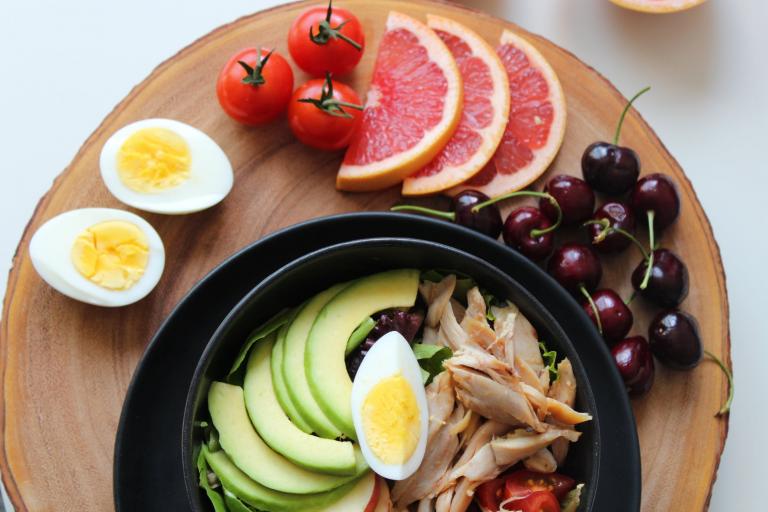
Photo by Trang Doan on Pexels.com
If you would rather eat an apple than take a pill to prevent and treat illness, you may be in luck. The age-old wisdom that food can be used to treat illness is gaining increased acceptance in some studies. As Hippocrates stated, “our food should be our medicine and our medicine should be our food.”
A variety of nutritious foods should be consumed every day. Reach for 5-13 servings of fruits and vegetables a day, which contain vitamins and minerals, phytonutrients and fiber. Whole grains such as whole wheat, oats, and brown rice contribute to good health by lowering cholesterol, regulating blood sugar, and aiding with digestion, among other things. Meats, fish and beans are proteins which are essential for providing the body with amino acids, which it does not store. Proteins also fill you up, helping to control appetite. Healthy fats and oils help increase the body’s amount of good cholesterol, and perform a host of other roles.
How does a healthy diet affect risk for disease? This question is being studied and researched to help us understand better how to live healthier lives. A developing area of study called Nutrigenomics is acquiring knowledge about how certain foods interact with specific genes and can possible increase or decrease the risk of various diseases. Nutrigenomics also seeks to pinpoint the molecules in foods that interact with the genes to cause sickness. A home genetic test or blood draw can indicate a person’s particular genetic makeup and it can be determined what kind of personalized diet he or she should follow to stay healthy. We may be hearing more about nutrigenomics in the future.
How we feel mentally and emotionally can also be affected by the food we eat. Deficiencies in vitamins and minerals, including Omega-3 fatty acids, folate, vitamin B12, iron, zinc, and selenium have been observed in individuals with depression, according to an article by Lisa M. Bodnar and Katherine L. Wisner. The authors note three ways diet may improve mental health functioning: Adjusting diet or supplementing with vitamins can correct nutritional deficiencies that adversely affect mental health. Depressed people with increased nutritional needs can be helped by supplementing with nutrients. And lastly, good nutrition can help a person with depression respond better to pharmacological treatment.
It makes sense that whole foods that grow naturally and are not processed are better and healthier for the mind and body. When our nutritional needs are met, we feel better, look better, and are less prone to illness and disease. Good decisions about food can definitely make a significant difference in a person’s overall health and quality of life, and a nutrient-rich diet can even help the body heal when it does become ill.
nutrition, food, health, healing, wellness
Previous Post

March 25, 2019
Young Soldiers in the Battle for Life
Next Post
March 31, 2019 Laetare Sunday - Hastening Toward Easter
Browse Our Archives
Select a Category adoration conversion Eucharist faith feast days food God healing health Jesus Mary mental health mercy nutrition nutrition, food, health, healing, wellness prayer Sacraments saints Scripture Uncategorized
Select a Month February 2020 January 2020 November 2019 October 2019 September 2019 August 2019 July 2019 June 2019 May 2019 April 2019 March 2019
Follow Us!
TAKE THE
Religious Wisdom Quiz
How long were the Jews in Babylonian captivity?
Select your answer to see how you score.
80 years 50 years 70 years 60 years
Related posts from The Way of the Wildflowers



What Does God Say About Worrying?

Living an Interior Life in an Instagram World
TRENDING AT PATHEOS Catholic

Rejecting Doom: Christian Hope And Human Action
Christianity is a religion of hope. We are to have hope and...

It’s What Comes From Within Which Matters
One of the most difficult things for us to understand is why...

Why I Choose the Eucharist Over the Sermon
Choose the Eucharist, Not the Sermon What are we supposed to get...

5 Design Elements Found in Spiritually Rooted Homes
Putting Spirituality Into Home Decor Our homes are more than our living...

Credo: A Story of God Told with the...
About 10 years ago, I began to imagine a personal "Credo" that...

The Anatomy of Divine Revelation in Catholic Thought
The claim that God has made Himself known to human beings is...
view all Catholic blogs
Ad-Free & Subscriber Log-In Subscription Support
- About Us
- 2026 Calendar
- Videos
- Podcasts
- Library of World Religions
- Faith In Media Tracker
- Advertise With Us
- Write for Us
- Privacy Policy
- Terms of Service
- Do Not Sell My Data
- Contact Us
- Radiant Digital
- Manage Newsletter Subscriptions
- Unsubscribe From Notifications
- Sitemap
Copyright 2008-2026, Patheos. All rights reserved.
Subscription Support Ad-Free & Subscriber Log-In
Follow Patheos