
BuddhistCatholicContemplativeEvangelicalGeneral ChristianHinduJewishLatter-day SaintMuslimNew VisionsProgressive Christian
Beliefs
- Buddhist
- Catholic
- Contemplative
- Evangelical
- General Christian
- Hindu
- Jewish
- Latter-day Saint
- More Voices
- Muslim
- New Visions
- Pagan
- Progressive Christian
Topics
- Religion News
- Food and Religion
- Sports and Religion
- Religious Art
- Religious Music and Entertainment
- Religious Events
- History and Religion
- Style and Religion
- Politics and Religion
- Women in Religion
- Recreation Outdoors and Religion
- Business Finance and Religion
- Careers Workplace and Religion
- Education and Religion
- Family Parenting and Religion
- Health Fitness and Religion
- Home and Religion
- Relationships and Religion
- Technology and Religion
- Travel and Religion
Columnists
- Buddhist Columnists
- Business Finance and Religion Columnists
- Careers Workplace and Religion Columnists
- Catholic Columnists
- Contemplative Columnists
- Education and Religion Columnists
- Evangelists Columnists
- Family Parenting and Religion Columnists
- General Christian Columnists
- Health Fitness and Religion Columnists
- Hindu Columnists
- History and Religion Columnists
- Home and Religion Columnists
- Jewish Columnists
- More Voices Columnists
- Latter Day Columnists
- Muslim Columnists
- New Visions Columnists
- Nonreligious Columnists
- Pagan Columnists
- Politics and Religion Columnists
- Progressive Columnists
- Recreation Outdoors and Religion Columnists
- Relationships and Religion Columnists
- Religion News Columnists
- Religious Art Columnists
- Religious Events Columnists
- Religious Music and Entertainment Columnists
- Sports and Religion Columnists
- Style and Religion Columnists
- Technology and Religion Columnists
- Travel and Religion Columnists
- Women in Religion Columnists
Resource Library
- 2026 Calendar
- Library of World Religions
- The 100 Most Holy Places on Earth
- Patheos Answers
- Podcasts
- Videos
- Faith Leaders Database
- Anglican Episcopalian
- Bahai
- Baptist
- Buddhism
- Christianity
- Confucianism
- Eastern Orthodoxy
- Hinduism
- Holiness and Pentecostal
- ISKCON
- Islam
- Judaism
- Lutheran
- Methodist
- The Church of Jesus Christ of Latter-day Saints
- New Age
- Paganism
- Presbytarian and Reformed
- Protestantism
- Religion Behind the Scenes
- Roman Catholic
- Scientology
- Shia Islam
- Sikhism
- Sufism
- Sunni Islam
- Taoism
- Zen
- See all religions
Research Tools
 Ad-Free & Subscriber Log-In Subscription Support
Ad-Free & Subscriber Log-In Subscription Support
Follow Patheos 

- Trending:
- Forgiveness
- |
- Marriage
- |
- Consciousness
- |
- Death Penalty
- |
- Election
- |
- Halloween

- Home
- General Christian
- History and Religion
- Psychedelics and Christian Faith
Psychedelics and Christian Faith
Last updated on: August 18, 2025 at 2:48 am by Brad Thibodeaux
Psychedelics and Christian Faith 2025-08-17T14:51:25-04:00 Brad Thibodeaux
Patheos Explore the world's faith through different perspectives on religion and spirituality! Patheos has the views of the prevalent religions and spiritualities of the world.
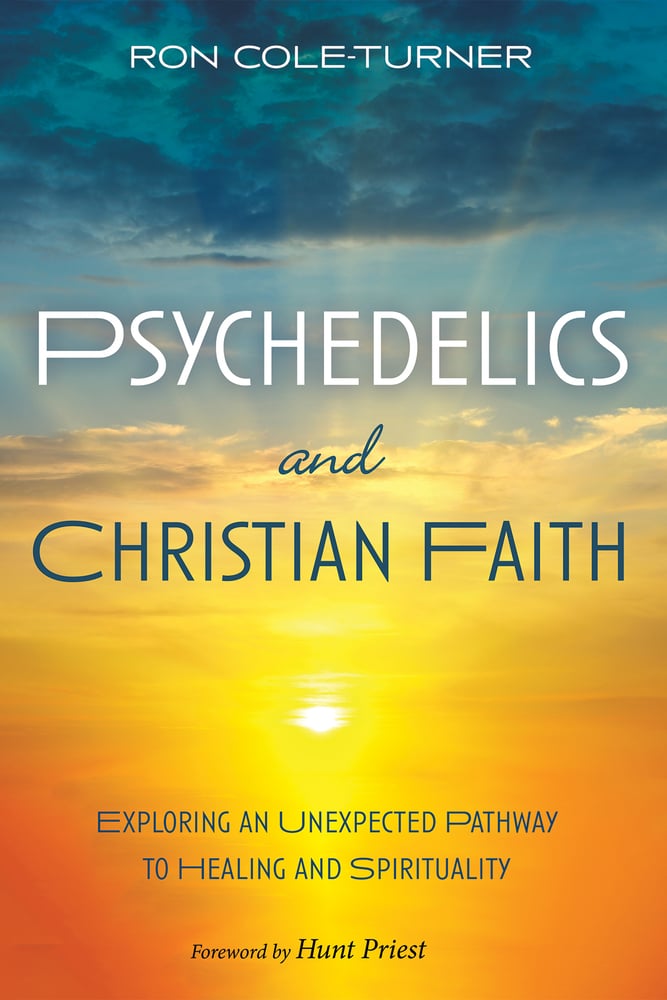
Psychedelics And Christian Faith by Ron Cole-Turner
I love talking about drugs and Christianity. Typically, my discussions revolve around how the Church ought to engage those who struggle with dependency and addiction, but this is a nice side-step. In Psychedelics and Christian Faith, author Ron Cole-Turner looks at the history of psychedelic use throughout cultures, the emerging science around how psychedelics can be used in medical settings to treat mental illness, and how the Church can think about spiritual experiences from use of psychedelics.
You can find the book HERE!
Check out Ligare – A Christian Psychedelic Society
Finally, read Ron Cole-Turner’s article Soul-altering Substances: What implications does the psychedelic renaissance have for faith and spirituality? – The Christian Century
Now- let’s dig into the book!
Overall Impressions
I think this book is well written. It does not require the reader to have much prior knowledge of psychedelic drugs. Rather, Ron walks the reader through complex medical and psychological terminology. For example, after introducing the term ‘neuroplasticity’, he defines it as “brain cell reorganization”. While this may be a bit simplistic for a medical professional, it gets the idea across for the target audience – Christians who are interested or concerned about the idea of psychedelic use in culture.
Cole-Tuner does not strictly rely on theologians or scientists. He is able to connect these two seemingly opposed specialities to build a case for the use of psychedelics. His thesis is strong, yet he notes that there are reasons why one should not use psychedelics. His ability to responsibly advocate for psychedelics warrants thoughtful engagement.
Psychedelics in Cultures
Many cultures use psychedelics as part of their spiritual rituals. While we may be more familiar with drugs like peyote or ‘magic mushrooms’, these are two of a large group of psychedelics. Spiritual rituals have also included substances that we might not consider. For example, Indigenous Tribes in North America would smoke tobacco ritually to commune with their past ancestors. In South America, chewing on the coca leaves in prayer rituals.
Psilocybin, or ‘magic mushrooms’, have a long history in modern-day Mexico. Even after the colonization of Central America by the Spanish in the 16th century, these groups would use psilocybin ritually. Ayahuasca was, and is still, used for religious ceremonies. This ceremonial drink includes the psychoactive chemical dimethyltryptamine (DMT). Ron Cole-Turner notes:
“About a century ago, ayahuasca use was fused with elements of Christianity and African religions to form a new religious movement known as Santo Diame. The religion has spread to other countries, including the United States, where it is also known as União do Vegetal.” (p. 6)
Psychedelic Research
Research into psilocybin and other psychedelics was allowed in the mid-2000’s, and so far there is promise in this area. The effects of clinical use of psychedelics for PTSD has shown to be fast and long-lasting. Psilocybin and MDMA have been used in trials, while ketamine has been prescribed for ‘off-label use’ for depression, anxiety, OCD, and other mental health conditions.
However, Cole-Turner does not prescribe these treatments for everyone. He makes it clear that, with every drug and medication, there are risks involved. For example, many of us will take ibuprofen or acetaminophen for aches and pains, but these medications can cause damage to our liver and kidneys if used too much. Some medications have risks that outweigh most uses, and these ought to be used only when appropriate. He treats psychedelic-assisted treatment the same way.
He makes a clear case for the continuation of study of psychedelics for mental health while noting that some people may not benefit from, or have a higher risk, using psychedelics.
Psychedelics And Christian Faith
I really appreciate his approach to psychedelics and Christian faith. His Christian practice is rooted in experience, but not only in experience. He notes that it is important to have experiences, but our experiences must be translated through our faith and community:
“In the end, what this [research around psychedelic use and spiritual experiences] for Christian theology is that spiritual experiences, including those that occur when psychedelic drugs are involved, can be interpreted not just as minimally compatible with Christian beliefs, but as an enriching contribution, at least for some.” (p. 107)
Cole-Turner pulls from the history of the Mystical Christian tradition, going as far back as Gregory of Nyssa. While this may sound too ‘New Age’ for some conservative and moderate Christians, this branch of Mystical Christianity is one that desires a life changing experience with the Holy Spirit.
However interesting this is, and however we may want to use psychedelics in Christianity, it is important to note that, while people have spiritual experiences using psychedelics, they are not always ‘Christian’ experiences. Rather, what research has noted is that people who use psychedelics report being more open to experience and less dogmatic around beliefs. To me, it seems that the experience breaks down the walls that our culture, history, and learned religious traditions have built. This can be unnerving for some, but for others, it may be life-giving.
What Now?
I have been interested in psychedelic research for many years and know family members and close friends who have had life-changing experiences with psychedelic drug use. Yet, most of these drugs are still illegal in the United States. I believe continued research is needed to learn more. We need more options when it comes to mental health.
This book is a must have if you want to learn more about psychedelic use for religious experiences. Not only is it open to a multiplicity of experiences, it provides a strong case for Christians. Cole-Turner does not ask you to take psychedelic drugs as part of your church service. Rather, he is asking Christians to not dismiss the experiences of those who have found psychedelic use beneficial. We should keep an open mind, listen to the research, and be educated in what is happening in the world today.
Progressive Christian
Health, Fitness and Religion
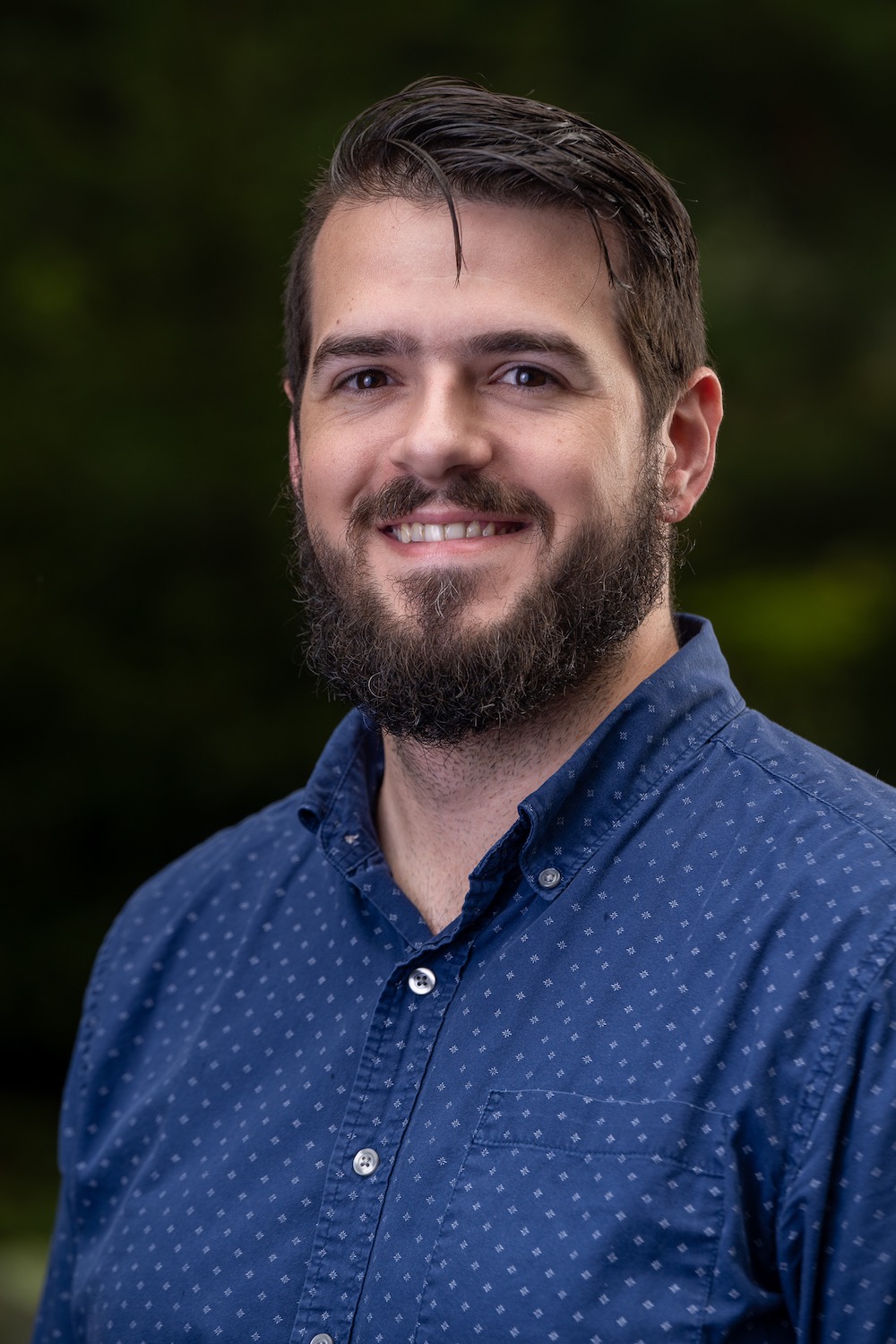
About Brad Thibodeaux
Brad Thibodeaux is a graduate student at Northwind Theological Seminary. His forthcoming thesis will deconstruct the Social Gospel and Progressive movements in the United States, review new research in the field of addiction, and build a new metamodern approach for the Church in the 21st Century. He is currently a research assistant at the University of Rhode Island working on educating and providing assistance to rural New England communities around the opioid crisis. You can read more about the author here.
Previous Post

March 9, 2025
When God and Country Collide
Next Post

November 6, 2025 Wesleyan Vile-Tality Book Review
Recent Comments
Browse Our Archives
Select a Category American History Book Review Careers Church History Early Church Education and Religion Evangelical Gaza Home and Religion Israel Politics Reflections Spooky Theology and Philosophy Uncategorized Women in Religion Workplace and Religion
Select a Month October 2026 January 2026 November 2025 August 2025 March 2025 February 2025 November 2024 October 2024 August 2024 July 2024 June 2024 April 2024 March 2024 January 2024 December 2023 November 2023 October 2023 September 2023 August 2023 July 2023 June 2023 May 2023 April 2023 March 2023
TAKE THE
Religious Wisdom Quiz
Who had a coat of many colors?
Select your answer to see how you score.
Joseph Saul Jacob Moses
Related posts from The Prodigal Empire
Indigenous Peoples’ Day and the Church
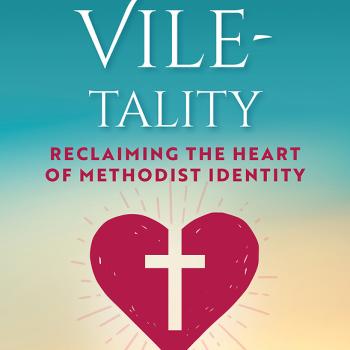
Wesleyan Vile-Tality Book Review

TRENDING AT PATHEOS General Christian

Seventy and Five Years Old: God Still Starts...
There is a small detail tucked into Genesis 12 that I skipped...

A Biblical Vision of Success in Christian Life...
The Concern and Quest Recent trends and tendencies I note around me...

Indigenous Peoples’ Day and the Church
Indigenous' Peoples Day or Columbus Day? Depending on where you live...

When Spiritual Growth Looks Like Losing Ground
Four Passive Spiritual Disciplines: An Introduction When I was a college freshman,...

Faith and Finding Your Current Season
“To everything there is a season,” Ecclesiastes tells us, “and a time...

Did Jesus Fear God's Wrath in Gethsemane?
That Time Jesus Was Terrified Before we begin, let me say at...
view all General Christian blogs
What Are Your Thoughts?leave a comment
Ad-Free & Subscriber Log-In Subscription Support
- About Us
- 2026 Calendar
- Videos
- Podcasts
- Library of World Religions
- Faith In Media Tracker
- Advertise With Us
- Write for Us
- Privacy Policy
- Terms of Service
- Do Not Sell My Data
- Contact Us
- Radiant Digital
- Manage Newsletter Subscriptions
- Unsubscribe From Notifications
- Sitemap
Copyright 2008-2026, Patheos. All rights reserved.
Subscription Support Ad-Free & Subscriber Log-In
Follow Patheos