
BuddhistCatholicContemplativeEvangelicalGeneral ChristianHinduJewishLatter-day SaintMuslimNew VisionsProgressive Christian
Beliefs
- Buddhist
- Catholic
- Contemplative
- Evangelical
- General Christian
- Hindu
- Jewish
- Latter-day Saint
- More Voices
- Muslim
- New Visions
- Pagan
- Progressive Christian
Topics
- Religion News
- Food and Religion
- Sports and Religion
- Religious Art
- Religious Music and Entertainment
- Religious Events
- History and Religion
- Style and Religion
- Politics and Religion
- Women in Religion
- Recreation Outdoors and Religion
- Business Finance and Religion
- Careers Workplace and Religion
- Education and Religion
- Family Parenting and Religion
- Health Fitness and Religion
- Home and Religion
- Relationships and Religion
- Technology and Religion
- Travel and Religion
Columnists
- Buddhist Columnists
- Business Finance and Religion Columnists
- Careers Workplace and Religion Columnists
- Catholic Columnists
- Contemplative Columnists
- Education and Religion Columnists
- Evangelists Columnists
- Family Parenting and Religion Columnists
- General Christian Columnists
- Health Fitness and Religion Columnists
- Hindu Columnists
- History and Religion Columnists
- Home and Religion Columnists
- Jewish Columnists
- More Voices Columnists
- Latter Day Columnists
- Muslim Columnists
- New Visions Columnists
- Nonreligious Columnists
- Pagan Columnists
- Politics and Religion Columnists
- Progressive Columnists
- Recreation Outdoors and Religion Columnists
- Relationships and Religion Columnists
- Religion News Columnists
- Religious Art Columnists
- Religious Events Columnists
- Religious Music and Entertainment Columnists
- Sports and Religion Columnists
- Style and Religion Columnists
- Technology and Religion Columnists
- Travel and Religion Columnists
- Women in Religion Columnists
Resource Library
- 2026 Calendar
- Library of World Religions
- The 100 Most Holy Places on Earth
- Patheos Answers
- Podcasts
- Videos
- Faith Leaders Database
- Anglican Episcopalian
- Bahai
- Baptist
- Buddhism
- Christianity
- Confucianism
- Eastern Orthodoxy
- Hinduism
- Holiness and Pentecostal
- ISKCON
- Islam
- Judaism
- Lutheran
- Methodist
- The Church of Jesus Christ of Latter-day Saints
- New Age
- Paganism
- Presbytarian and Reformed
- Protestantism
- Religion Behind the Scenes
- Roman Catholic
- Scientology
- Shia Islam
- Sikhism
- Sufism
- Sunni Islam
- Taoism
- Zen
- See all religions
Research Tools
 Ad-Free & Subscriber Log-In Subscription Support
Ad-Free & Subscriber Log-In Subscription Support
Follow Patheos 

- Trending:
- Forgiveness
- |
- Marriage
- |
- Consciousness
- |
- Death Penalty
- |
- Election
- |
- Halloween

- Home
- General Christian
- History and Religion
- Does American Christianity Have a Persecution Complex?
Does American Christianity Have a Persecution Complex?
Last updated on: May 7, 2024 at 9:24 am by Brad Thibodeaux
Does American Christianity Have a Persecution Complex? 2024-05-07T09:24:29-04:00 Brad Thibodeaux
Patheos Explore the world's faith through different perspectives on religion and spirituality! Patheos has the views of the prevalent religions and spiritualities of the world.
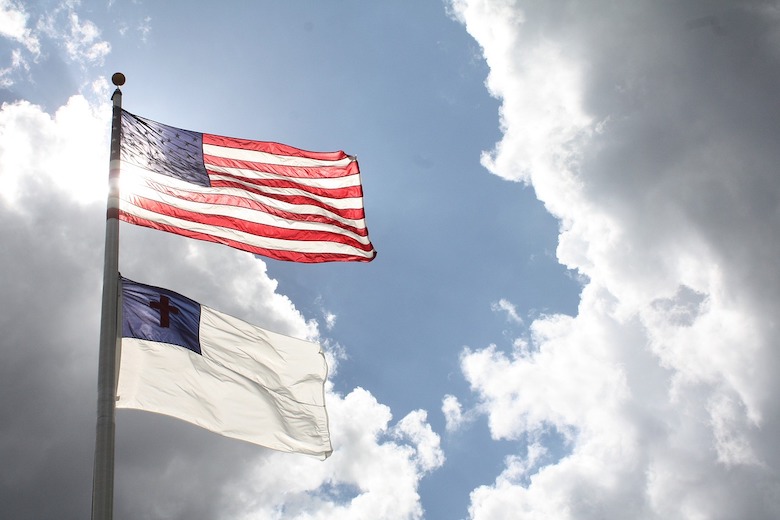
Image by SEspider / Pixabay
American Christianity has a martyrdom complex. Much of the White Conservative Evangelical Church sees themselves as a persecuted group. If you grew up Evangelical in the 90’s, you probably remember the DC Talk song Jesus Freak. The band went on to produce a book, Jesus Freaks, about Christian martyrs throughout history.
The feeling of being persecuted for their beliefs is not new. White American Christianity has been pushing back against the changing culture for decades. Christianity has been the majority religion in America since it’s foundation. But as the melting pot continues to simmer, the religious makeup has started to change.
This identity is not limited to religion. The persecuted Christian in America also tends to be part of a majority White Church. When we look back into the history of the nation, we can see several turning points in the Christian culture. These touchstones were critical in the shaping of the persecution complex of the White American Church.
Civil Rights and Backlash
The Civil Rights Movement was a divisive period in America, and this was even more true in the Church. Martin Luther King Jr. said that the most segregated time in America was Sunday mornings. Having the racial separation grafted in the Church led to the racial importance in each American’s identity.
As the Civil Rights movement started gaining favor with the population, White Christians found themselves using the Bible to justify their racism. In the same vein, Conservative politicians twisted Christianity to gain supporters. As the Black population began to finally have the rights they were owed, this felt like persecution to the White population.
The Southern Strategy was a political move to use this fear to motivate the White voter base. Nixon’s 1968 campaign successfully moved much of the White Southern vote to the Conservative Party. This paved the way for the Moral Majority movement in the 1970’s and 80’s. By harnessing the power of the rising White Evangelical Church, Conservative politicians shifted the talking points from racism to morality. Abortion and welfare were major topics for the White Evangelical Church through the 80’s and 90’s.
After the Towers
With the attacks on 9/11, the White Evangelical Church made another huge shift. While not pacifists, the Evangelical Church was not a war hungry denomination. While the Church was generally supportive of the Conservative agenda, September 11th changed the way the Church mixed with politics.
The Islamophobia was rampant throughout America and the White Evangelical Church started becoming more patriotic – American flags in the sanctuary. Supporting the troops was a test to see how Christian you were. By the mid-00’s, the Tea Party started to find footing in politics. This libertarian group focused on limited government and personal liberty. However, they used the Moral Majority-brand Christianity as their compass. Soon, being Conservative and being Evangelical were synonyms.
Obama’s run and election for president sparked new outrage. He was ‘unpresidential’, ‘immoral’, and he was ‘socialist’. These attacks – coming from both political and religious leaders – were built on deep-seeded racism in the country. After 8 years in office, the White Evangelical Church overwhelmingly voted for Trump – unpresidential and immoral, a liar with no empathy.
What Now?
I think having the recent history of the White Evangelical Church explained broadly (very broadly!) can be helpful. If you didn’t grow up in Evangelical or Fundamental churches, it might seem like it came out of nowhere. However, our current Christian climate has been growing for the last 75 years.
As White and Conservative American Church denominations continue to become more conservative, their cry of persecution grows louder. Hard stances against LGBTQ+ communities are not shared by the boarder public and access to abortion is supported. Conservative Christianity sees these as moral issues that they’re being persecuted for. But what they consider persecution is nothing compared to the martyrs they liken themselves to.
Jesus said those who follow him would be persecuted, but this was said in a context much different than our own. Can we claim this verse to still be authoritative today? Do Christians in America use this as a cover to act out uncharitably? Persecution for Jesus is putting the marginalized needs before our own. Jesus calls his people to follow him. We can do that by working for justice in America for those who cannot fight for themselves.
Previous Post

July 11, 2023
Are We Asking the Wrong Questions About Church in the Digital Age?
Next Post

August 2, 2023 Why Do Some Christians View Having Children So Differently?
Recent Comments
Browse Our Archives
Select a Category American History Book Review Careers Church History Early Church Education and Religion Evangelical Gaza Home and Religion Israel Politics Reflections Spooky Theology and Philosophy Uncategorized Women in Religion Workplace and Religion
Select a Month October 2026 January 2026 November 2025 August 2025 March 2025 February 2025 November 2024 October 2024 August 2024 July 2024 June 2024 April 2024 March 2024 January 2024 December 2023 November 2023 October 2023 September 2023 August 2023 July 2023 June 2023 May 2023 April 2023 March 2023
TAKE THE
Religious Wisdom Quiz
Which book comes immediately after Acts in the New Testament?
Select your answer to see how you score.
1 Corinthians Hebrews Galatians Romans
Related posts from The Prodigal Empire

Indigenous Peoples’ Day and the Church
Wesleyan Vile-Tality Book Review

Psychedelics and Christian Faith
TRENDING AT PATHEOS General Christian

Indigenous Peoples’ Day and the Church
Indigenous' Peoples Day or Columbus Day? Depending on where you live...

When Spiritual Growth Looks Like Losing Ground
Four Passive Spiritual Disciplines: An Introduction When I was a college freshman,...

Faith and Finding Your Current Season
“To everything there is a season,” Ecclesiastes tells us, “and a time...

Did Jesus Fear God's Wrath in Gethsemane?
That Time Jesus Was Terrified Before we begin, let me say at...

A Generation Searching for God in All the...
Revival Begins With God’s People! Holidays Are Upon Us! Welcome to October!...

Faith and End of Life Planning
The Psalmist's prayer to “teach us to number our days, that we...
view all General Christian blogs
What Are Your Thoughts?leave a comment
Ad-Free & Subscriber Log-In Subscription Support
- About Us
- 2026 Calendar
- Videos
- Podcasts
- Library of World Religions
- Faith In Media Tracker
- Advertise With Us
- Write for Us
- Privacy Policy
- Terms of Service
- Do Not Sell My Data
- Contact Us
- Radiant Digital
- Manage Newsletter Subscriptions
- Unsubscribe From Notifications
- Sitemap
Copyright 2008-2026, Patheos. All rights reserved.
Subscription Support Ad-Free & Subscriber Log-In
Follow Patheos