
BuddhistCatholicContemplativeEvangelicalGeneral ChristianHinduJewishLatter-day SaintMuslimNew VisionsProgressive Christian
Beliefs
- Buddhist
- Catholic
- Contemplative
- Evangelical
- General Christian
- Hindu
- Jewish
- Latter-day Saint
- More Voices
- Muslim
- New Visions
- Pagan
- Progressive Christian
Topics
- Religion News
- Food and Religion
- Sports and Religion
- Religious Art
- Religious Music and Entertainment
- Religious Events
- History and Religion
- Style and Religion
- Politics and Religion
- Women in Religion
- Recreation Outdoors and Religion
- Business Finance and Religion
- Careers Workplace and Religion
- Education and Religion
- Family Parenting and Religion
- Health Fitness and Religion
- Home and Religion
- Relationships and Religion
- Technology and Religion
- Travel and Religion
Columnists
- Buddhist Columnists
- Business Finance and Religion Columnists
- Careers Workplace and Religion Columnists
- Catholic Columnists
- Contemplative Columnists
- Education and Religion Columnists
- Evangelists Columnists
- Family Parenting and Religion Columnists
- General Christian Columnists
- Health Fitness and Religion Columnists
- Hindu Columnists
- History and Religion Columnists
- Home and Religion Columnists
- Jewish Columnists
- More Voices Columnists
- Latter Day Columnists
- Muslim Columnists
- New Visions Columnists
- Nonreligious Columnists
- Pagan Columnists
- Politics and Religion Columnists
- Progressive Columnists
- Recreation Outdoors and Religion Columnists
- Relationships and Religion Columnists
- Religion News Columnists
- Religious Art Columnists
- Religious Events Columnists
- Religious Music and Entertainment Columnists
- Sports and Religion Columnists
- Style and Religion Columnists
- Technology and Religion Columnists
- Travel and Religion Columnists
- Women in Religion Columnists
Resource Library
- 2026 Calendar
- Library of World Religions
- The 100 Most Holy Places on Earth
- Patheos Answers
- Podcasts
- Videos
- Faith Leaders Database
- Anglican Episcopalian
- Bahai
- Baptist
- Buddhism
- Christianity
- Confucianism
- Eastern Orthodoxy
- Hinduism
- Holiness and Pentecostal
- ISKCON
- Islam
- Judaism
- Lutheran
- Methodist
- The Church of Jesus Christ of Latter-day Saints
- New Age
- Paganism
- Presbytarian and Reformed
- Protestantism
- Religion Behind the Scenes
- Roman Catholic
- Scientology
- Shia Islam
- Sikhism
- Sufism
- Sunni Islam
- Taoism
- Zen
- See all religions
Research Tools
 Ad-Free & Subscriber Log-In Subscription Support
Ad-Free & Subscriber Log-In Subscription Support
Follow Patheos 

- Trending:
- Forgiveness
- |
- Marriage
- |
- Consciousness
- |
- Death Penalty
- |
- Election
- |
- Halloween
 The Pangea Blog
- Home
- Progressive Christian
- The Art of Resistance: Banksy, Remembering, & Hope Beyond Occupation #IsraelPalestine
The Art of Resistance: Banksy, Remembering, & Hope Beyond Occupation #IsraelPalestine
Last updated on: March 24, 2014 at 7:37 pm by Kurt Willems
The Art of Resistance: Banksy, Remembering, & Hope Beyond Occupation #IsraelPalestine 2014-03-24T19:37:24-07:00 Kurt Willems
Patheos Explore the world's faith through different perspectives on religion and spirituality! Patheos has the views of the prevalent religions and spiritualities of the world.
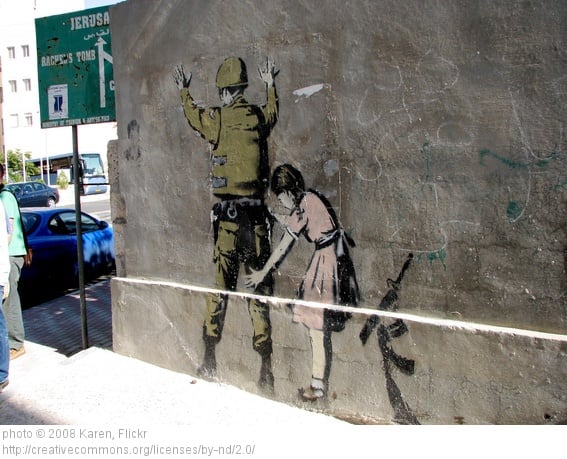
In what follows I offer another reflection based on my time in Israel/Palestine with The Global Immersion Project. What a life-changing time and a life-changing organization to be connected to. I can’t recommend them enough!
The old saying goes that “a picture is worth a thousand words.” Art does something to free the imagination to dream of a different reality. Some things are so beautiful that we are left pondering the vast creativity of God and God’s universe. A sunset. A photo. A graffiti mural. Yes, although graffiti often carries the connotation of being connected to gangs, there exists a movement of tagger-artists who love to simply make blank canvases beautiful – often to provoke the onlooker’s imagination to stare reality in the face and to dream of a better future. This comes to life in the work of Banksy.
Banksy
Banksy, who no one knows the identity of, is a street artist recognized for speaking against injustice and provoking hope through street art (amongst other things). His painting in Bethlehem of an IDF soldier being padded down by a young occupied girl in the West Bank, invites us to ponder the difficult realities at play in the Israeli-Palestinian conflict. Bansky shows us how art can tell a story – often a lingering story.
Palestinians understand this as well. Since 1948 they have been occupied by Israel in some form or another. Today, occupation looks like separation walls (between Israel and the West Bank [Bethlehem, etc.], between Israel and Gaza) and fresh-out-of-high-school soldiers with heavy machine guns – most of whom have never spoken to a Palestinian prior to being given such power. It looks like fear and dehumanization. But art, tells of the other side of the story: memory and hope.
Remembering
In 1948 (and following) many Palestinians were forced out of their villages by Zionist soldiers. Often through deception or force, the Arab peoples lost their homes, possessions, and farmland. As I drove through the West Bank, I was in awe of the amount of art committed to preserving the memory of the villages that were taken. Consider these pictures that I snapped (granted, while in a moving bus):
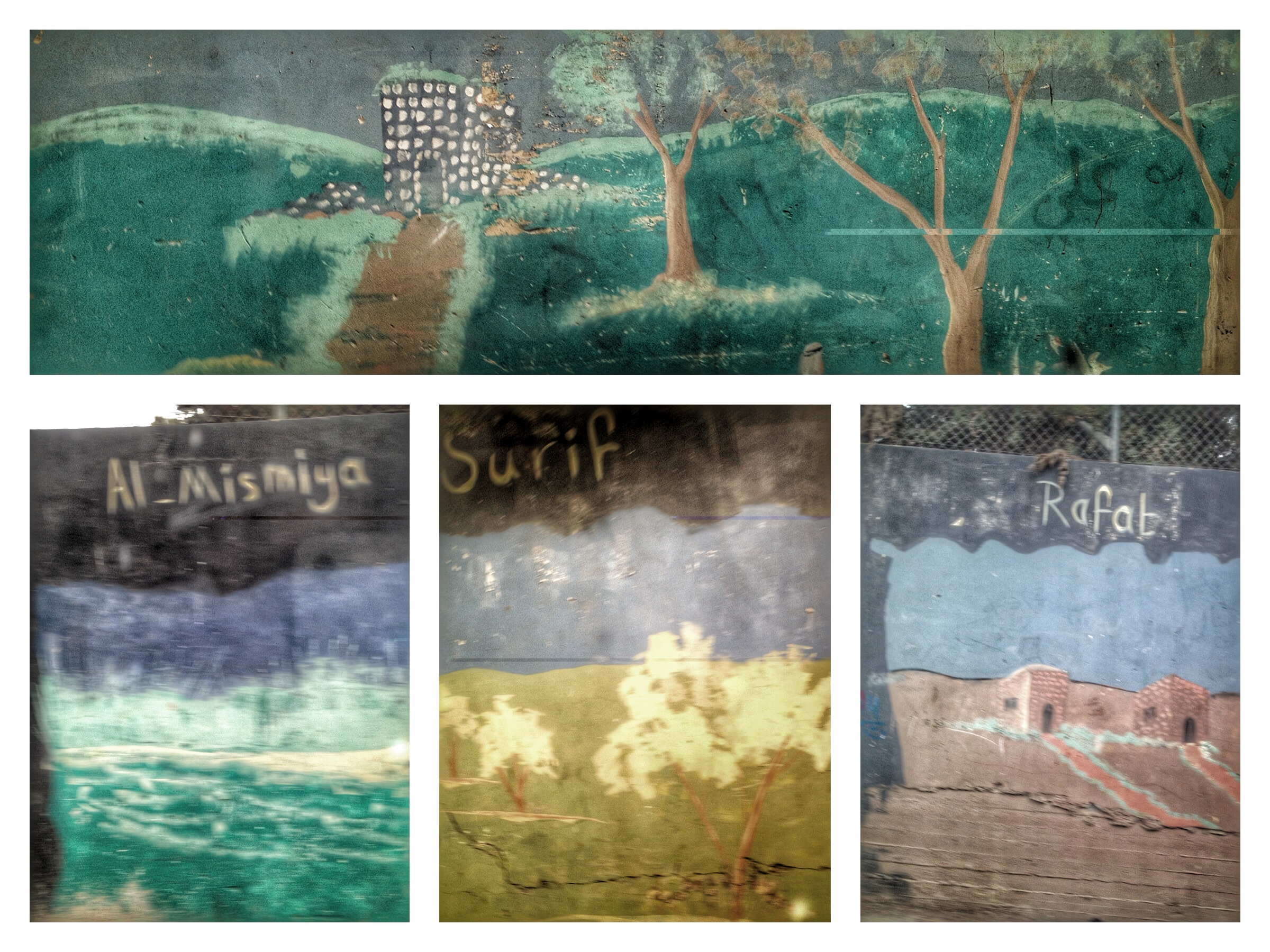
Remembering, of course, is what the biblical people of God did, even into the New Testament period. Over and over again we see God reminding the people of their past in order to prepare them for a fresh future. The same is true for modern day Palestinians. Many of them choose to remember their roots, even in an uprooted scenario which placed many of them in refugee camps, as a means through which identity is maintained and hope is assured.
In Aida Refugee Camp (just outside of Bethlehem), remembering fuels their hope. A small camp of just over 3,000, the art on the walls tells a story:
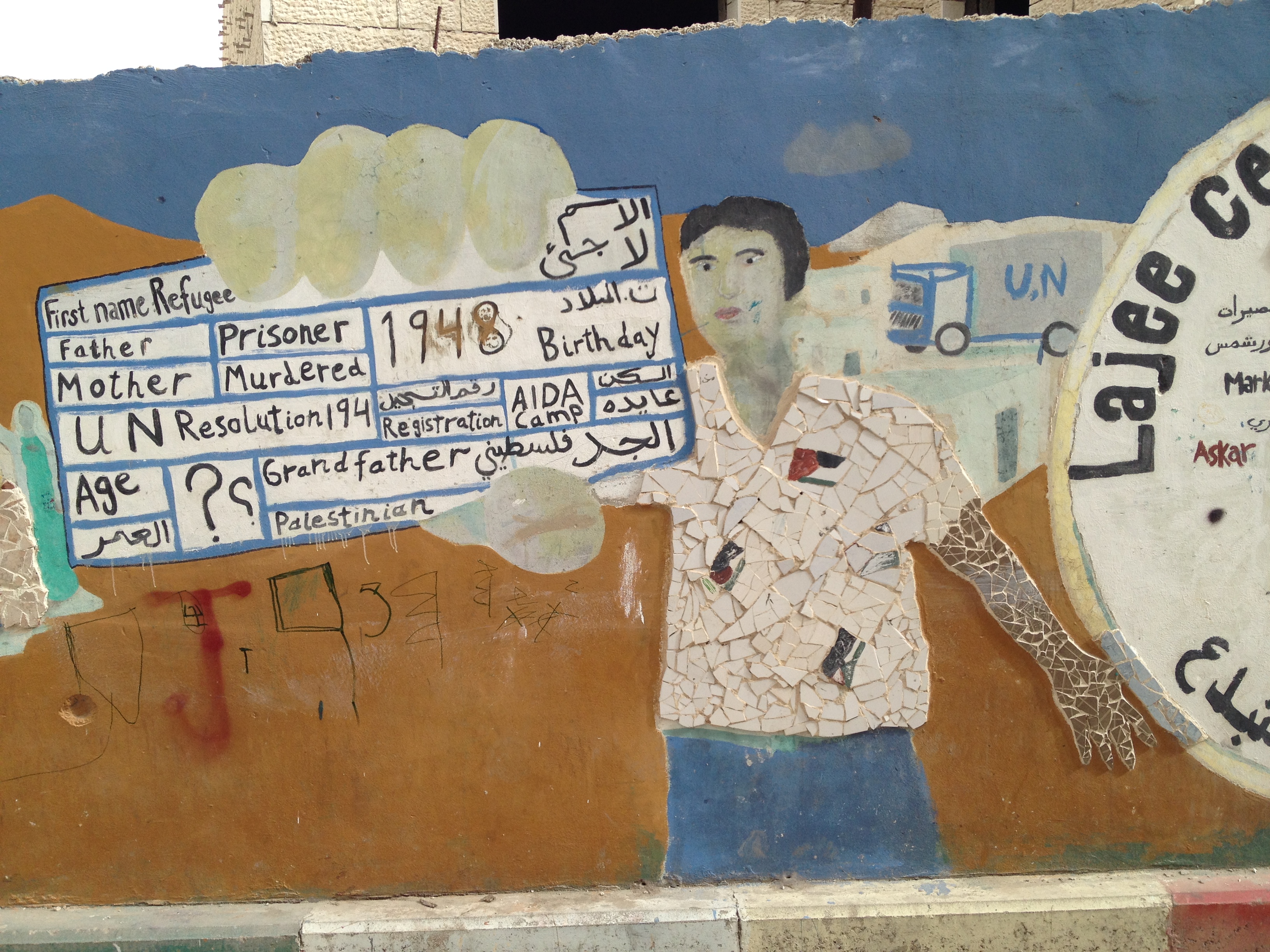
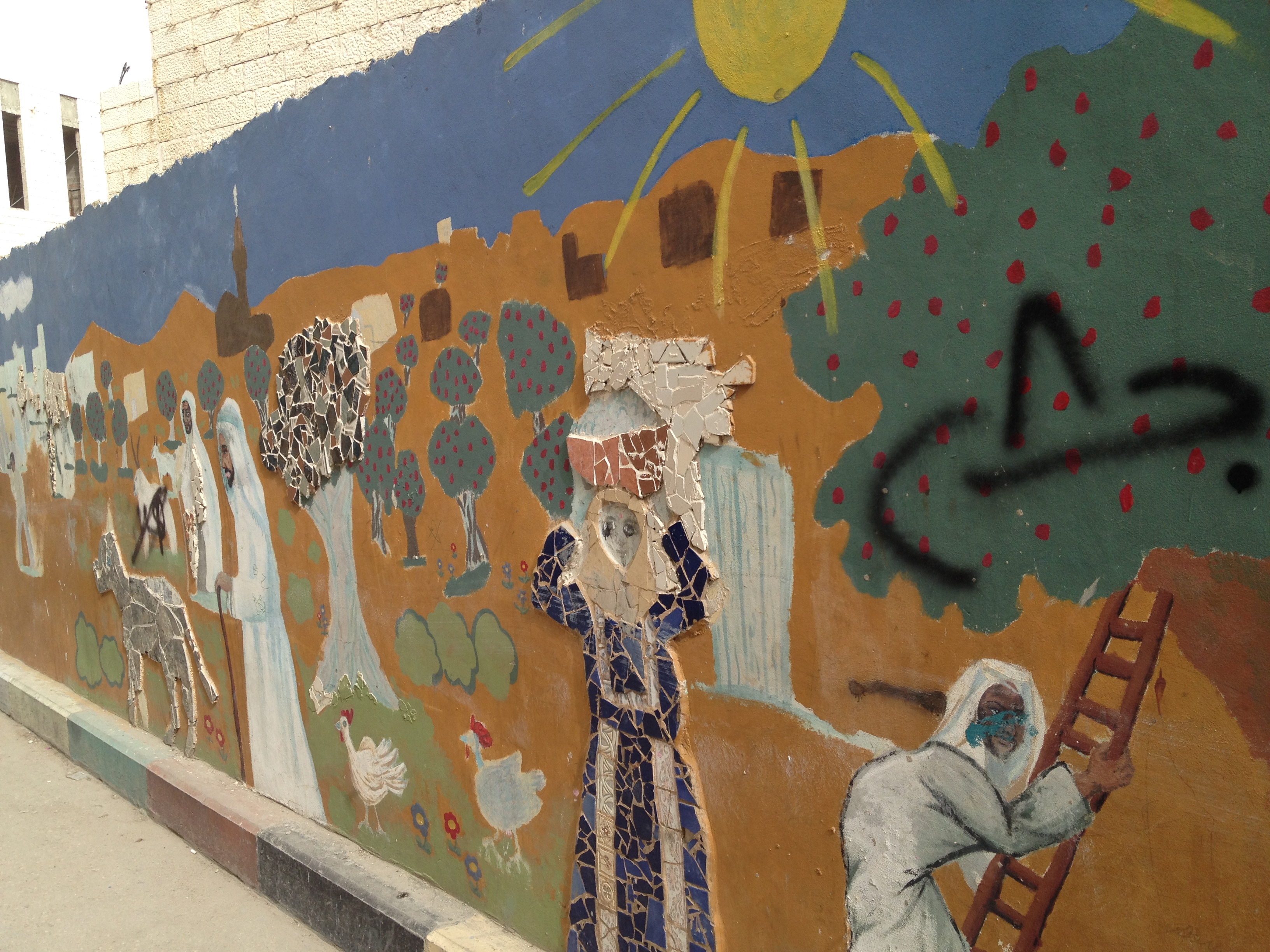
The memory of a reality outside of the refugee camp funds a dream that one-day they will experience a life like their grandparents did. The difficult living situations of today were not always normal. In this following piece, the people of Aida Camp remember their roots:
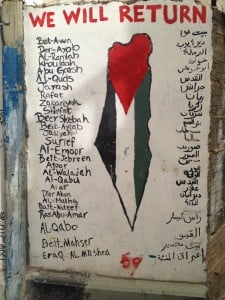
In Balata Camp, the home of a condensed refugee camp of over 29,000 Palestinians, art provokes the memory of a past, clouded by a present situation of poverty and oppressive living conditions. It was in the context of this camp that some suicide bombers admittedly emerged during the second intifada.
What we learned is that most of these were youngsters who were suffering from severe PTSD after witnessing family members being killed out in the open by IDF Soldiers (seriously, the personal stories are heart wrenching). Essentially, when we create the conditions for oppression, the natural result will often be acting out in violent regression. Neither the actions of the IDF soldiers or those who took up violence on the Palestinian side should be celebrated or downplayed – both sorts of actions dehumanize and make a bad situation worse.
But most people in Balata don’t seek violence to solve their problems – but cling to memory and hope. The following mural reminds those in Balata of a day when visiting the holy city of Jerusalem was normal and when peace was present. Not only so, but it points to a hope for a return to such a life scenario:
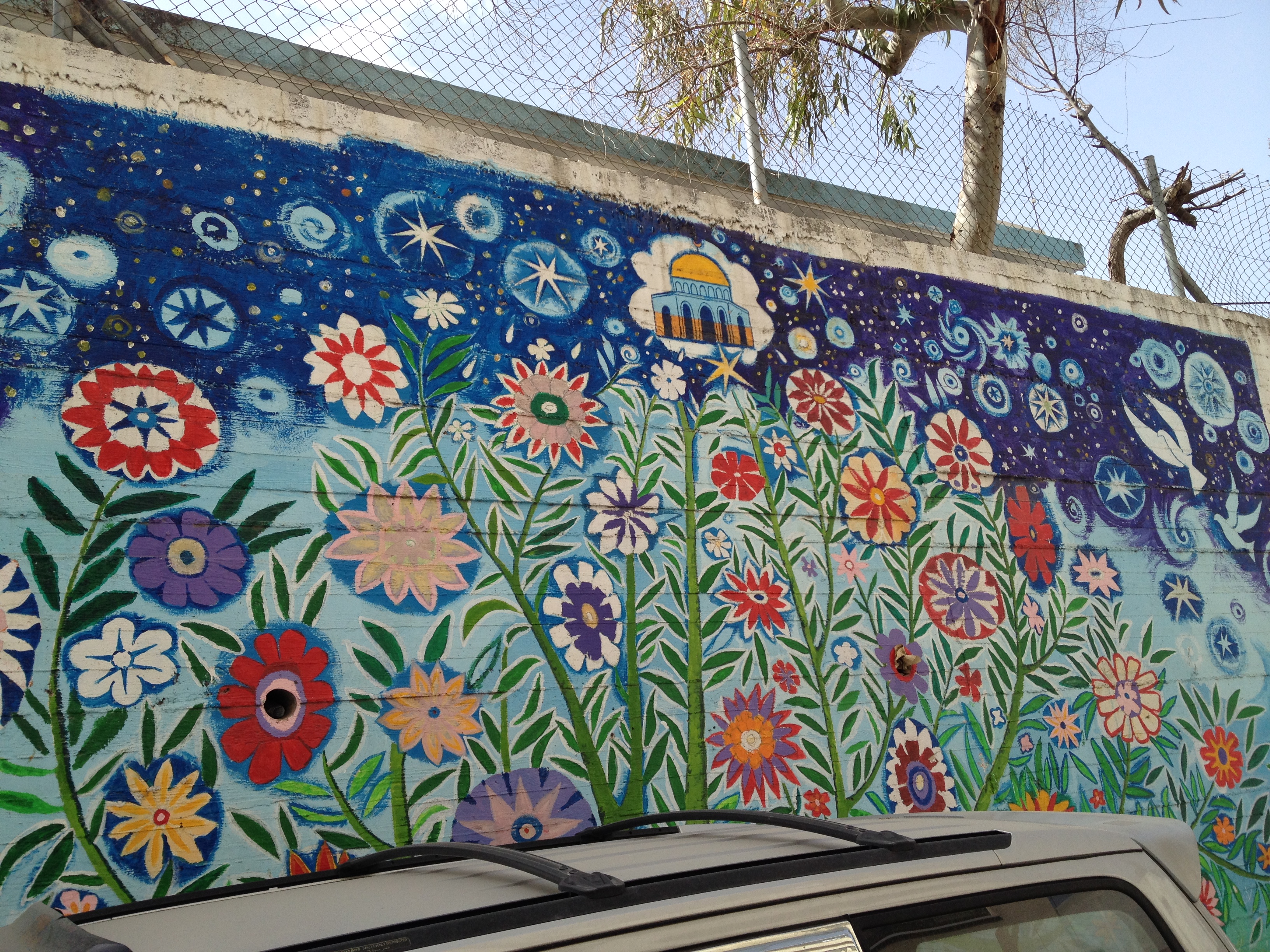
Although Balata is sometimes known for a few suicide bombers, I can say with confidence that this is a place of warmth – even toward a group of middle/upper class Americans. Not once did I feel in danger as I walked through the cramped alleyways (which define the interior of the camp), but rather I felt kindness. In a situation where privacy is nonexistent, living conditions are terrible, and where normal life is dictated by injustices like water rations – love is possible. These folks are hungry for peace and justice.
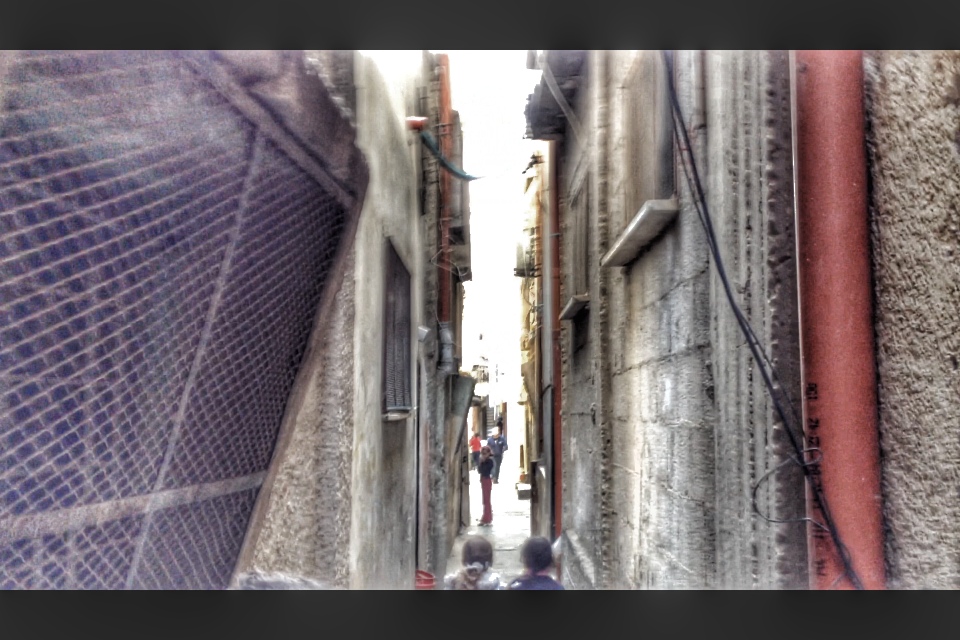
The space between homes is often no more than a meter or two. Privacy is impossible in Balata Camp.
Hope Beyond Occupation
To remember well, is to remember with honesty about the past with the hope of a better future. Something that I learned during my time with Palestinians is that the symbolic power of house keys. When they were forced out of their homes and villages, many of these native peoples kept hold of their keys with the hope of return. In fact, when we met with a local Muslim Sheik he told us that each generation in his family passes down the keys to their home in the hope of return. This art piece near Aida Camp articulates this hope:
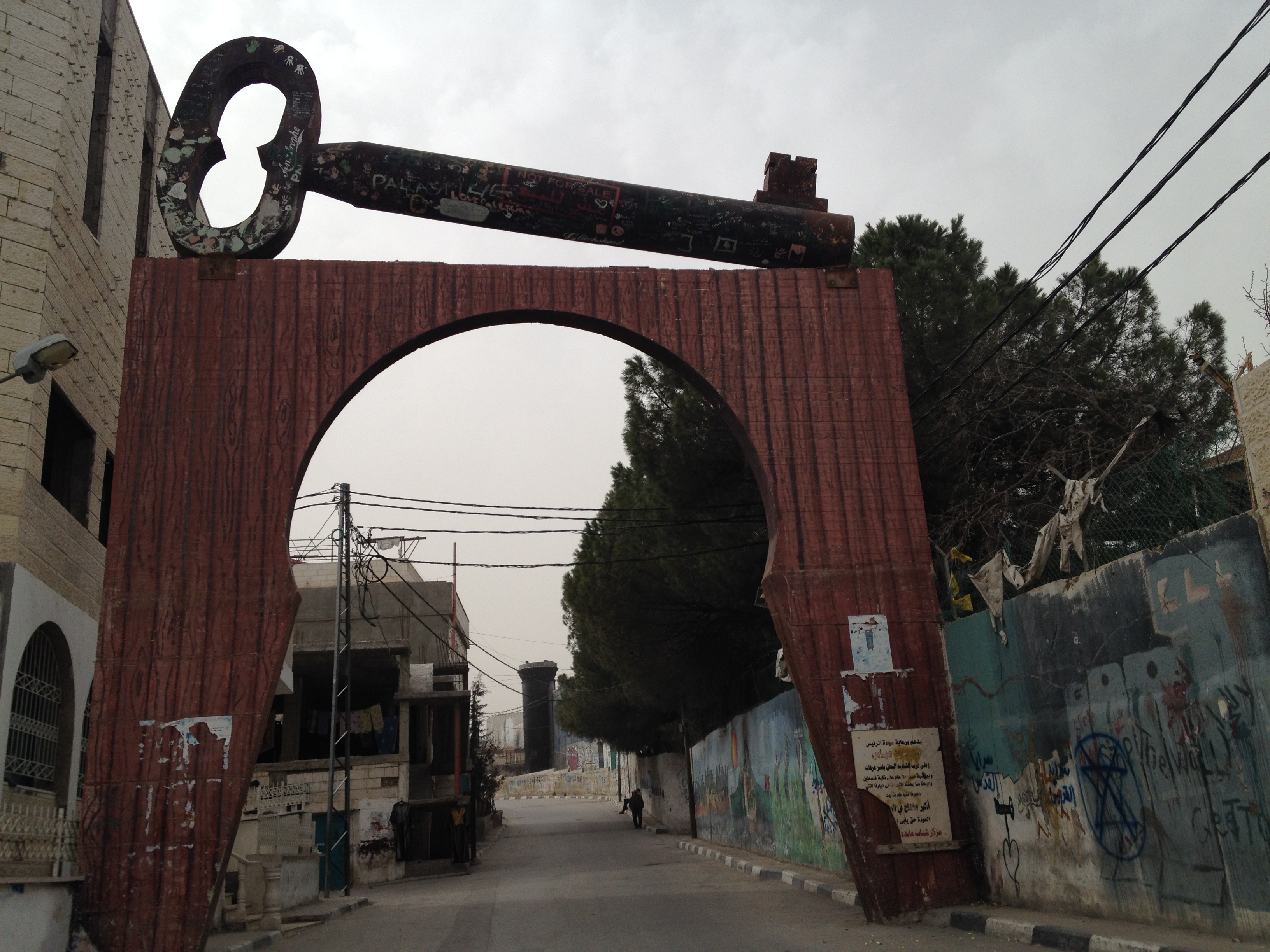
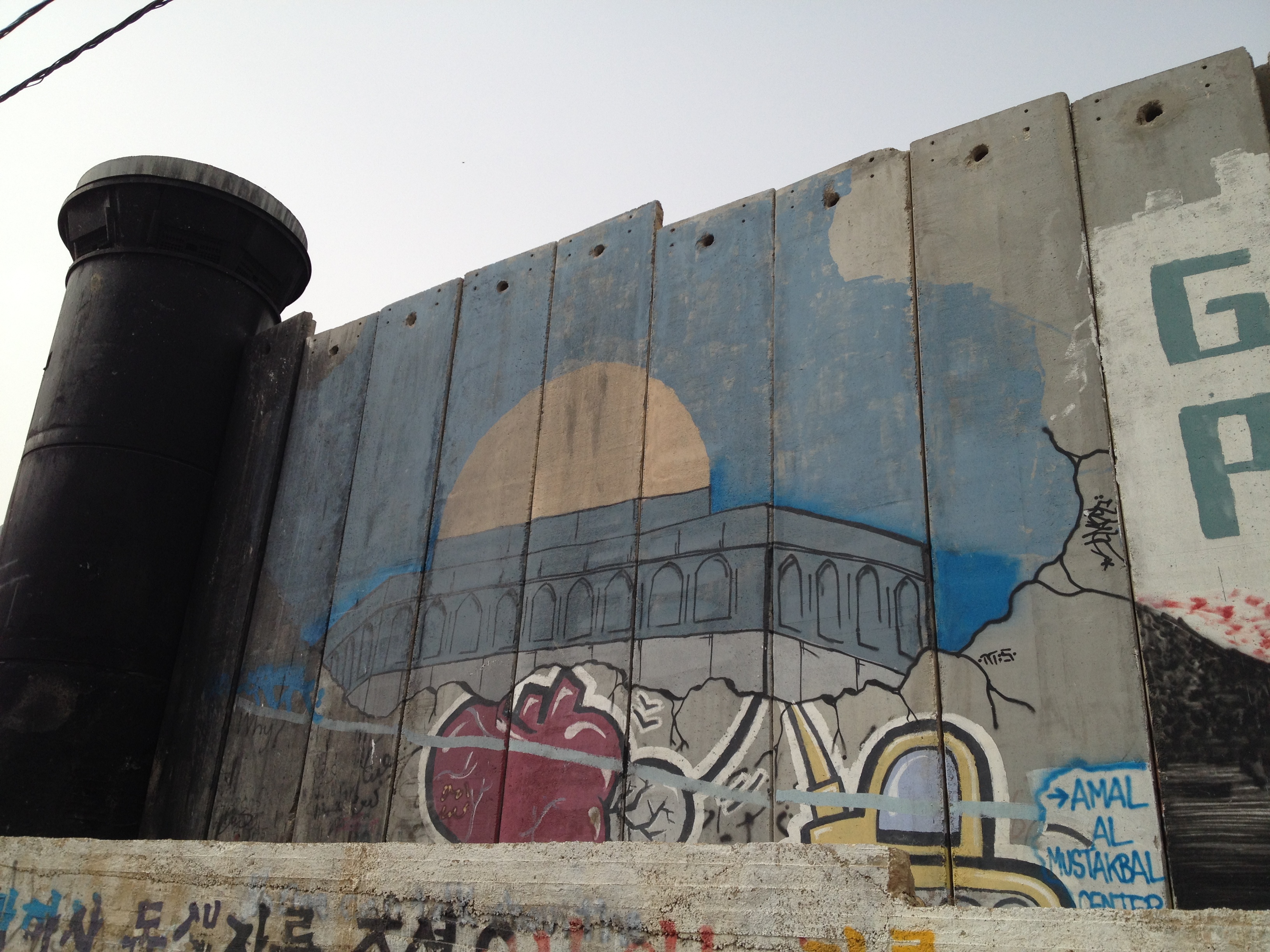
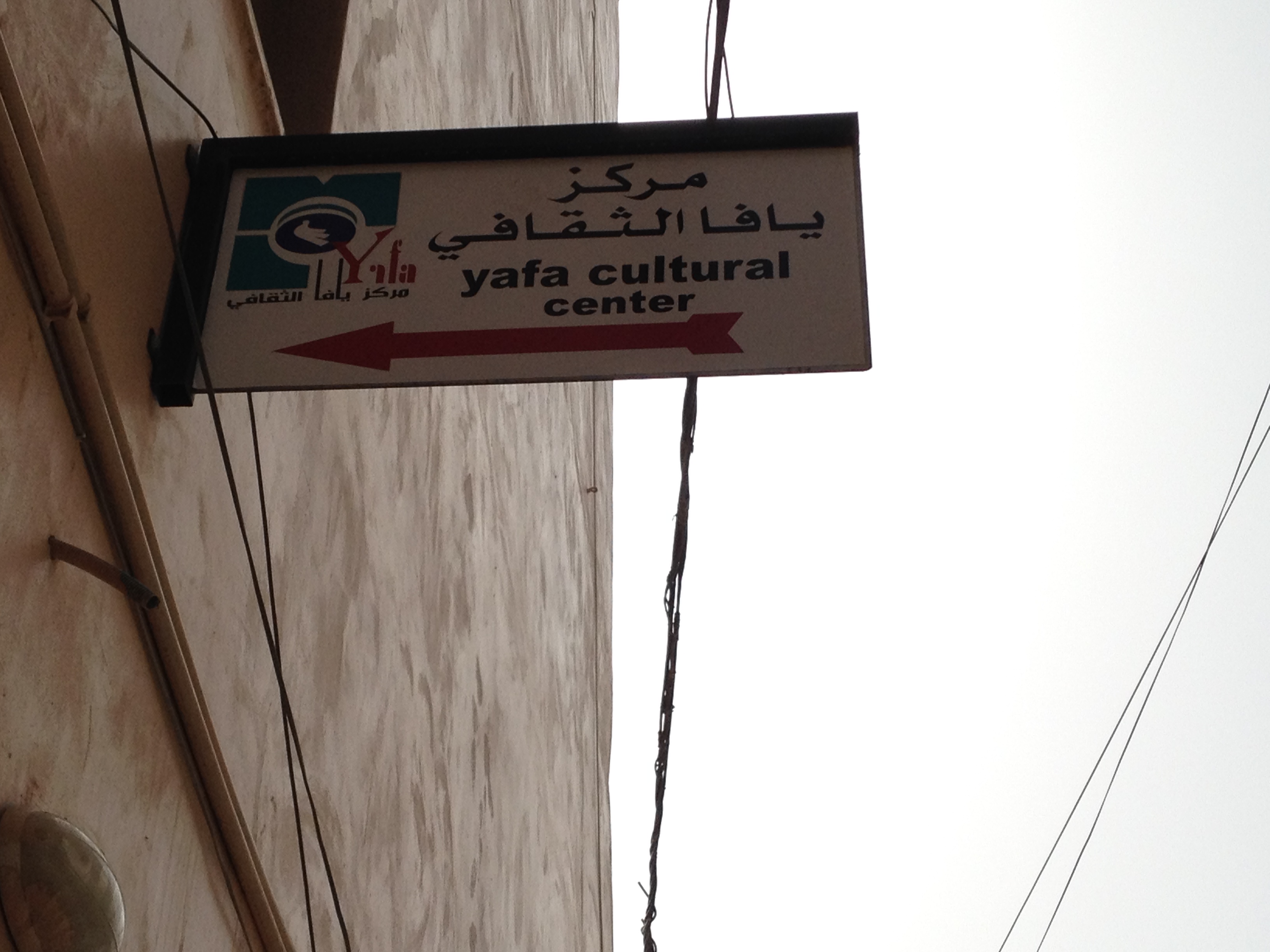 Keys aren’t the only sign of hope in refugee camps. There are great organizations like the Al Rowwad Cultural and Theatre Training Center (Aida) and Yafa Cultural Center (Balata – led by great folks such as our new friend Mahmoud) which aim to bring hope into the lives of young people under the harsh conditions of occupation. In such organizations, students are learning to see beyond the walls that attempt to hold their physical lives and imaginations captive.
These students are learning that peace and change are possible – for them as individuals and their communities. Giant walls will not define them – all because peacemakers like Mahmoud are determined to show these young people that a better world can emerge.
Reflecting on Art and Peace
As a follower of Jesus my heart broke as I walked the streets near and in the camps of the Westbank. So much of this conflict is driven by fear and so much of the solution is driven by hope. Art tells the story of the past and points toward a better future. Through street art, like the pieces that have made Banksy famous, people under occupation tell a story that isn’t often told here in the United States. These stories need to be told!
And I realize that some will say “Kurt, this feels like a ‘one-sided’ article – what about…?” To this I simply say that I intend to tell the story of the West Bank as I experienced it – as an American Christian who was blind to this situation for most of my life. And I am not alone. Several Israelis have come to see the plight of their sisters and brothers on the other side of the wall and are calling for change. They too are calling for peace and justice. May we followers of Jesus stand arm-in-arm with all those who seek the good of humanity – who seek the peace of the Holy Land – Jew, secularist, Muslim, and Christian alike. Perhaps a generation from now the art of resistance will be the creation of shared murals of love between all of the people in the Land.

Next Post

April 3, 2014 Give Greek a "Go!" - an easy way to finally learn the language of Scripture
Browse Our Archives
Select a Category (Series) All Out War-Spiritual Warfare (Series) Church Plant Journal (Series) Dear Reader... (Series) Earthquakes...Signs of the Times? (Series) Entering the... Conversation (Series) Evangelical Culture Myths (Series) Everything is Meaningless [Pete Enns] (Series) Evolving Evangelicalism (Series) Hell Yes. Hell No! Who Cares? (Series) Hidden Worldviews (Series) If Evolution is Right, what about Adam? (Series) in less than 300 words (Series) Jesus and Nationalism (Series) Liberating Women for Ministry? (Series) Life-Changing Books (Series) Markers of Church Plant Movement (Series) Nonviolence 101 (Series) Philemon - Reconciliation (Series) Quote to Ponder (Series) Red Letter Dialogues (Series) Resource of the Week (SERIES) Revelation Sermons (Series) Share Something Sundays (Series) Simplicity in the Burbs: $2 a day (Series) The Binding of God [Open Theism] (Series) The Creed: Anabaptist Reflections (Series) Values for Church Leadership (Series) Video to Ponder Anabaptism Animal Advocacy Books Church Ministry Church Planting Community Culture Eschatology Eucharist Evangelical Reject Evolution Fundamentalism Greek Greg Boyd Guest Contributors Hell Holy Spirit Israel/Palestine Kingdom of God Lent Missional N. T. Wright Nationalism New Creation Nonviolence Open Mic Open Theism Parenting Passover Paul Philemon Podcast Politics Restorative Justice Revelation (the book of) Rob Bell Ron Martoia Sermon Shane Claiborne Social Justice Speaking Engagement Spiritual Warfare Spirituality Temple Theology Tim Geddert Tribulation Uncategorized universalism Video Blog Women in Ministry Worship Music Youth Ministry
Select a Month August 2018 July 2018 June 2018 May 2018 April 2018 March 2018 February 2018 January 2018 December 2017 October 2017 July 2017 June 2017 May 2017 April 2017 December 2016 October 2016 August 2016 June 2016 May 2016 April 2016 March 2016 December 2015 November 2015 October 2015 September 2015 August 2015 June 2015 May 2015 April 2015 March 2015 February 2015 January 2015 December 2014 November 2014 October 2014 September 2014 August 2014 July 2014 June 2014 May 2014 April 2014 March 2014 February 2014 January 2014 December 2013 November 2013 October 2013 September 2013 August 2013 June 2013 May 2013 April 2013 March 2013 February 2013 January 2013 December 2012 November 2012 October 2012 September 2012 August 2012 July 2012 June 2012 May 2012 April 2012 March 2012 February 2012 January 2012 December 2011 November 2011 October 2011 September 2011 August 2011 July 2011 June 2011 May 2011 April 2011 March 2011 February 2011 January 2011 December 2010 November 2010 September 2010 August 2010 July 2010 June 2010 May 2010 April 2010 March 2010 February 2010 January 2010 October 2009 September 2009 August 2009 July 2009 June 2009 May 2009 April 2009 March 2009 February 2009 January 2009 December 2008 November 2008 October 2008 September 2008 August 2008 June 2008 May 2008 April 2008
Follow Us!
TAKE THE
Religious Wisdom Quiz
What animals were Daniel thrown to for worshiping God?
Select your answer to see how you score.
Dogs Lions Wolves Bears
Support this
Column


Related posts from The Pangea Blog

What is the Kingdom of God? (with Frank...

Sunday is Not the Main Event: A Practice-Based...

10 Years Ago, I Embraced Nonviolence & Anabaptism

Does God plan everything that happens? (4 Views)
TRENDING AT PATHEOS Progressive Christian

Why Christians Have a Sacred Duty to Vote:...
The Bible offers strong support for the sacred duty to vote. Here...

What Being a Modern-Day Apostle Means to Me
In my last column, I discussed the ins and outs of modern-day...

Did Ancient China Once Worship the God of...
Across human history, a common thread weaves through the origins of the...

Love Your Neighbor – Including Earth-Kin: Lev. 19,...
God’s command to love your neighbor means acting in an ethical and...

Lead a Church Study of “Jesus and Lao...
Guest writer Jack Thomas (The Irreverent Reverend) reflects on leading his church...

Principles for Understanding the Apostolic Ministry Today
Whenever people discover that my formal ministry title is "apostle," as in...
view all Progressive Christian blogs
Ad-Free & Subscriber Log-In Subscription Support
- About Us
- 2026 Calendar
- Videos
- Podcasts
- Library of World Religions
- Faith In Media Tracker
- Advertise With Us
- Write for Us
- Privacy Policy
- Terms of Service
- Do Not Sell My Data
- Contact Us
- Radiant Digital
- Manage Newsletter Subscriptions
- Unsubscribe From Notifications
- Sitemap
Copyright 2008-2026, Patheos. All rights reserved.
Subscription Support Ad-Free & Subscriber Log-In
Follow Patheos