
BuddhistCatholicContemplativeEvangelicalGeneral ChristianHinduJewishLatter-day SaintMuslimNew VisionsProgressive Christian
Beliefs
- Buddhist
- Catholic
- Contemplative
- Evangelical
- General Christian
- Hindu
- Jewish
- Latter-day Saint
- More Voices
- Muslim
- New Visions
- Pagan
- Progressive Christian
Topics
- Religion News
- Food and Religion
- Sports and Religion
- Religious Art
- Religious Music and Entertainment
- Religious Events
- History and Religion
- Style and Religion
- Politics and Religion
- Women in Religion
- Recreation Outdoors and Religion
- Business Finance and Religion
- Careers Workplace and Religion
- Education and Religion
- Family Parenting and Religion
- Health Fitness and Religion
- Home and Religion
- Relationships and Religion
- Technology and Religion
- Travel and Religion
Columnists
- Buddhist Columnists
- Business Finance and Religion Columnists
- Careers Workplace and Religion Columnists
- Catholic Columnists
- Contemplative Columnists
- Education and Religion Columnists
- Evangelists Columnists
- Family Parenting and Religion Columnists
- General Christian Columnists
- Health Fitness and Religion Columnists
- Hindu Columnists
- History and Religion Columnists
- Home and Religion Columnists
- Jewish Columnists
- More Voices Columnists
- Latter Day Columnists
- Muslim Columnists
- New Visions Columnists
- Nonreligious Columnists
- Pagan Columnists
- Politics and Religion Columnists
- Progressive Columnists
- Recreation Outdoors and Religion Columnists
- Relationships and Religion Columnists
- Religion News Columnists
- Religious Art Columnists
- Religious Events Columnists
- Religious Music and Entertainment Columnists
- Sports and Religion Columnists
- Style and Religion Columnists
- Technology and Religion Columnists
- Travel and Religion Columnists
- Women in Religion Columnists
Resource Library
- 2026 Calendar
- Library of World Religions
- The 100 Most Holy Places on Earth
- Patheos Answers
- Podcasts
- Videos
- Faith Leaders Database
- Anglican Episcopalian
- Bahai
- Baptist
- Buddhism
- Christianity
- Confucianism
- Eastern Orthodoxy
- Hinduism
- Holiness and Pentecostal
- ISKCON
- Islam
- Judaism
- Lutheran
- Methodist
- The Church of Jesus Christ of Latter-day Saints
- New Age
- Paganism
- Presbytarian and Reformed
- Protestantism
- Religion Behind the Scenes
- Roman Catholic
- Scientology
- Shia Islam
- Sikhism
- Sufism
- Sunni Islam
- Taoism
- Zen
- See all religions
Research Tools
 Ad-Free & Subscriber Log-In Subscription Support
Ad-Free & Subscriber Log-In Subscription Support
Follow Patheos 

- Trending:
- Forgiveness
- |
- Marriage
- |
- Consciousness
- |
- Death Penalty
- |
- Election
- |
- Halloween
 Theology of Work Project
- Home
- Business, Finance and Religion
- How to Be a Rich Christian (Part 1: Understanding Creation & the Fall)
How to Be a Rich Christian (Part 1: Understanding Creation & the Fall)
Last updated on: September 4, 2015 at 1:47 pm by Theology of Work Project
How to Be a Rich Christian (Part 1: Understanding Creation & the Fall) 2015-09-04T13:47:01-05:00 Theology of Work Project
Patheos Explore the world's faith through different perspectives on religion and spirituality! Patheos has the views of the prevalent religions and spiritualities of the world.
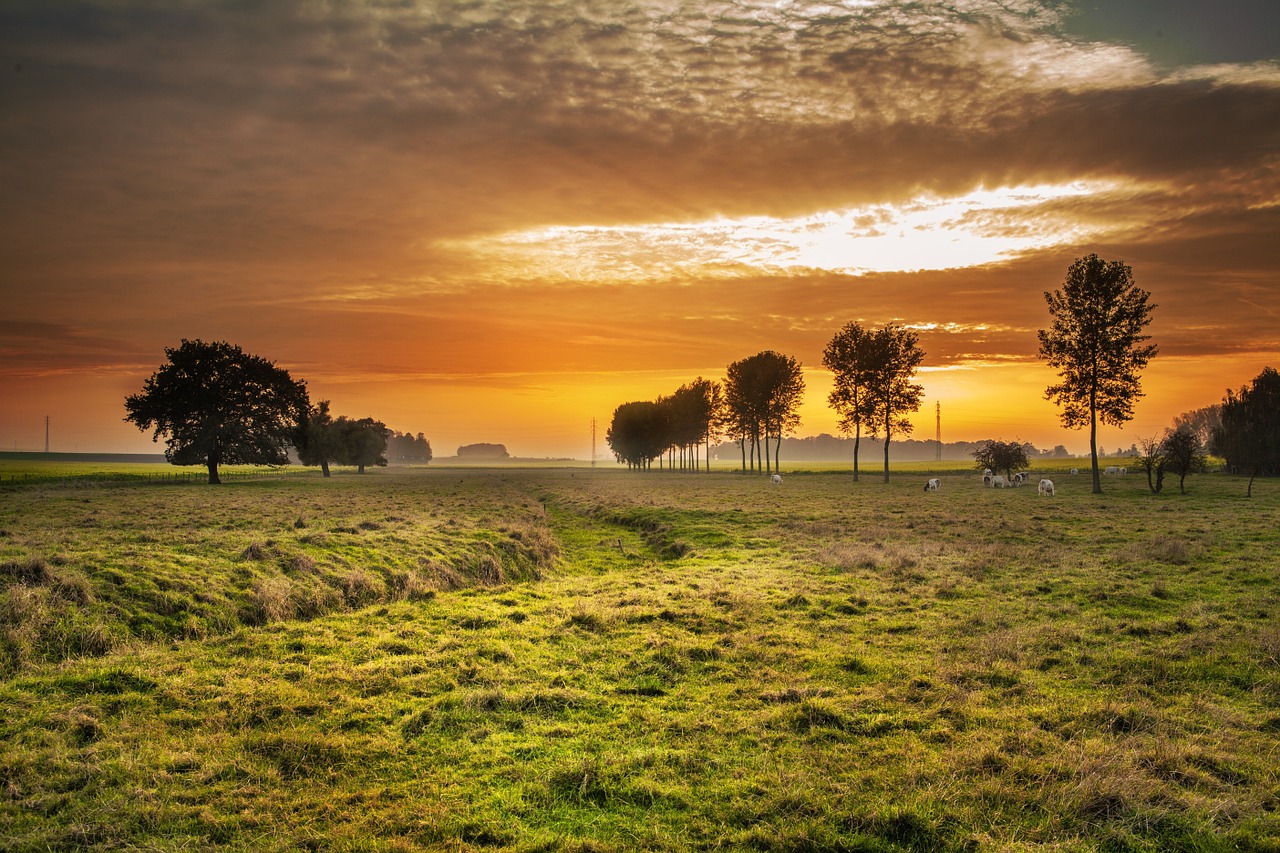
Image via Pixabay
Part 1: Understanding Creation & the Fall
Whatever situation we find ourselves in economically, questions and concerns about God’s intent and role in provision and wealth weigh heavily on almost every Christian’s mind. Such matters are to the fore in the lives of rich and poor; employer, employee and job seeker; student, parent and retiree; homeowner, tenant and homeless person.
Fortunately, this concern for the economic is matched by the priority it is given in Scripture. Indeed, provision and wealth are far from peripheral issues in the Bible. They occupy a large share of both the Old and New Testaments, and are prominent in the Gospels.
So what does God’s word have to say to us? In this series we will explore:
- God’s original intentions for us regarding provision and wealth
- The impact living in a fallen world has had on our capacity to experience provision and wealth
- God’s response in redeeming the economic sphere, and our role in this
- What we can reasonably expect from God in regard to our provision
- How we should treat any wealth we possess
To get a grip on wealth, we must first understand God’s intentions when the world was created. God intends for everyone to thrive economically. He wants us to find provision (basic needs) for our daily life. He also desires for us to enjoy the wealth (abundance) of his generosity. Furthermore, God’s world has ample resources to provide all we need. However, in the fallen world we inhabit, many people do not experience God’s abundant provision.
God’s Original Intentions: Blessing, Provision, Abundance
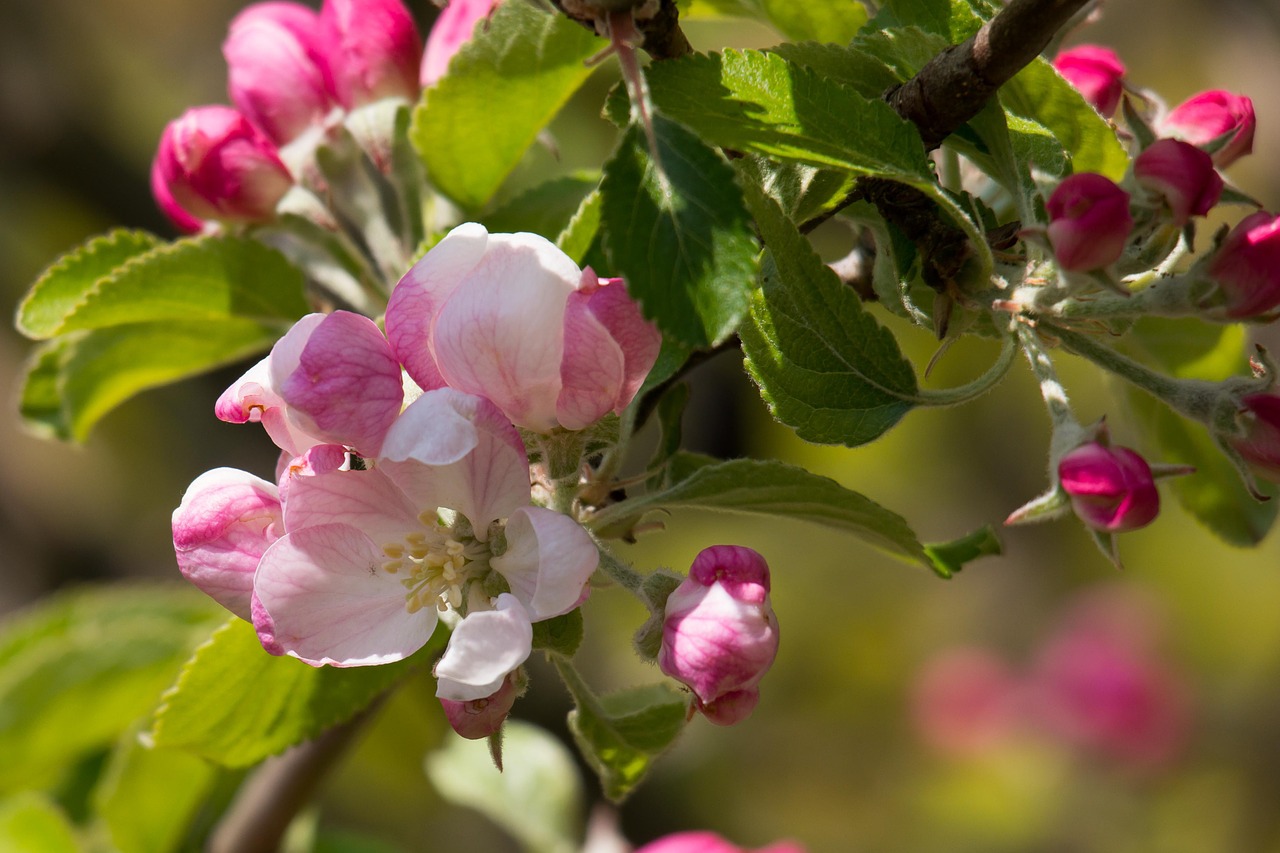
Image via Pixabay
The account of Genesis 1 and 2 makes it clear that God planned for humanity to enjoy the beauty, abundance and fruitfulness of creation. In the idyllic setting of the Garden of Eden, the first humans found a rich, fertile place, and humanity was intended to prosper in every sense. God provides an abundance of resources and means for humans to flourish.
As the writer of Genesis states early on in the story about the creation of humans, “God blessed them” (Genesis 1:28). The word “blessing” or “blessed” is a central feature of the biblical story. Part of the blessing of relationship with God is very definitely tangible, in-the-hand stuff. And these material blessings are thoroughly integrated with the other benefits of knowing and loving the Creator.
Later, even in the barrenness of the wilderness, the people of Israel find daily provision from God, in the form of manna (Exodus 16) and water gushing from the rock (Exodus 17). The abundant wealth of God’s creation is discovered further on in the biblical narrative by the people of Israel, when they finally reach the Promised Land. It is a land “flowing with milk and honey,” rich with all the ingredients needed to live according to God’s design. Deuteronomy records the promise made to God’s people in the desert that they would find on earth everything they need to prosper.
For the Lord your God is bringing you into a good land, a land with flowing streams, with springs and underground waters welling up in valleys and hills, a land of wheat and barley, of vines and fig trees and pomegranates, a land of olive trees and honey, a land where you may eat bread without scarcity, where you will lack nothing. (Deuteronomy 8:7-9)
From the beginning, God perfectly provisioned the world for humans to thrive. The good earth yields food when humans exercise their God-given ability to “till it and keep it” (Genesis 2:15). God’s intent is that people would not merely subsist, but have good things in abundance. “Be fruitful and multiply, and fill the earth and subdue it” (Genesis 1:28). God gives people the capacity to understand the natural world so that we make use of its resources (Genesis 2:20). Human work and ingenuity are more than capable of developing God’s creation to provide abundantly for all people. In partnership with the Creator, we are to make creative use of the resources of the earth, growing and innovating, creating new products, improving on the original. There is more than enough raw material to go around. This is in stark contrast to the principle of scarcity that applies to most goods and materials in post-Eden economics.
At our best, we humans have cooperated with God amazingly well in developing his creation. Whether it be the development of agriculture and horticulture, the harnessing of coal, oil, gas, wind and water for power generation, the creation of parks, gardens and images of beauty, or the design and building of houses, appliances, clothes and modes of transport, all such developments that enrich our lives are expressions of co-creation. The capacity to innovate, produce and develop is part of what it means to be made in God’s image.
The Effects of a Fallen World

Image via Pixabay
The rebellion of the first humans (Genesis 3) had a catastrophic effect on all of creation—not just their relationship with God, but also their capacity to draw provision and create wealth from the land. The Fall demonstrates that when we break our relationship with God, we create economic problems, along with all sorts of other evil. Because God is the source of blessing, no longer being close to him undermines humanity’s ability to find provision and wealth.
As a result of the Fall, people began to live under both a curse and a blessing. This had significant implications for work. The land—and therefore its productivity and fruitfulness—is deeply impaired by the breaking of relationship, prompting God to say to Adam:
Cursed is the ground because of you; in toil you shall eat of it all the days of your life; thorns and thistles it shall bring forth for you; and you shall eat the plants of the field. By the sweat of your face you shall eat bread until you return to the ground… (Genesis 3:17b-19a)
We may even become unable to draw basic provision from the materials of creation, whether by our own fault, or by the fault of others, or by no one’s fault in particular. Drug abuse, poor work habits, lack of access to education, ill health, concentration of resources in the hands of elites, ethnic discrimination and a myriad of other causes may prevent individuals, families, communities, and entire societies from co-creation with God of the provision they need. In the fallen world we inhabit, God’s original intentions for provision and wealth are disrupted.
Previous Post

August 28, 2015
Every Christian is Called to Full Time Ministry
Next Post

September 5, 2015 How to Be a Rich Christian (Part 2: Understanding Poverty)
Browse Our Archives
Select a Category Advent Ambition Bible and Work Business Calling Christmas Common Good Communication Conflict Culture Disappointment Discipleship Earth Day Easter Economics Environmental Sustainability Envy Faith and the Workplace Family and Work Generosity Giving Gossip Government Gratitude Hospitality Human Flourishing Humility Investing Justice Leadership Lent Local Church Making Mistakes Men and Work Millennials and Work Minimum Wage Money New Year Pastors Patience Pay Politics Poverty Prayer Race Rest Sabbath Sacred vs. Secular Sharing Faith Slavery Song of Songs Status Success Suffering Teamwork Thanksgiving Theology of Work TOW Project News Unemployment Valentine's Day Vocation Women and Work Work Life Balance
Select a Month September 2015 August 2015 July 2015 June 2015 May 2015 April 2015 March 2015 February 2015 January 2015 December 2014 November 2014 October 2014 September 2014 August 2014 July 2014 June 2014 May 2014 April 2014 March 2014 February 2014 January 2014 December 2013
Follow Us!
TAKE THE
Religious Wisdom Quiz
What prominent city did Paul visit, known for its altar to "an unknown god"?
Select your answer to see how you score.
Athens Rome Ephesus Corinth
Related posts from Theology of Work Project

Theology of Work Bible Commentary Vol. 2 Now...

How To Be a Rich Christian: 3 Ways...

How to Be a Rich Christian (3 Key...

How to Be a Rich Christian (Part 4:...
TRENDING AT PATHEOS Business, Finance and Religion

St. Francis by Bill Droel Pope Leo XIV declares 2026 as “Year...

Catholics are schooled in the faith by memorizing dogmatic points and lots...

The Good News of Our Human Limitations -...
After another day of trying to meet deadlines and working on projects,...

Quiet Holy Attentiveness (podcast) with Sarah Clarkson
We know that quiet is an essential aspect of the spiritual life,...

Every Vocation Everywhere All At Once
What is a vocation? How does it endure through the years? Can...

I promise this is not going to become a Taylor Swift Studies...
view all Business, Finance and Religion blogs
Ad-Free & Subscriber Log-In Subscription Support
- About Us
- 2026 Calendar
- Videos
- Podcasts
- Library of World Religions
- Faith In Media Tracker
- Advertise With Us
- Write for Us
- Privacy Policy
- Terms of Service
- Do Not Sell My Data
- Contact Us
- Radiant Digital
- Manage Newsletter Subscriptions
- Unsubscribe From Notifications
- Sitemap
Copyright 2008-2026, Patheos. All rights reserved.
Subscription Support Ad-Free & Subscriber Log-In
Follow Patheos