
BuddhistCatholicContemplativeEvangelicalGeneral ChristianHinduJewishLatter-day SaintMuslimNew VisionsProgressive Christian
Beliefs
- Buddhist
- Catholic
- Contemplative
- Evangelical
- General Christian
- Hindu
- Jewish
- Latter-day Saint
- More Voices
- Muslim
- New Visions
- Pagan
- Progressive Christian
Topics
- Religion News
- Food and Religion
- Sports and Religion
- Religious Art
- Religious Music and Entertainment
- Religious Events
- History and Religion
- Style and Religion
- Politics and Religion
- Women in Religion
- Recreation Outdoors and Religion
- Business Finance and Religion
- Careers Workplace and Religion
- Education and Religion
- Family Parenting and Religion
- Health Fitness and Religion
- Home and Religion
- Relationships and Religion
- Technology and Religion
- Travel and Religion
Columnists
- Buddhist Columnists
- Business Finance and Religion Columnists
- Careers Workplace and Religion Columnists
- Catholic Columnists
- Contemplative Columnists
- Education and Religion Columnists
- Evangelists Columnists
- Family Parenting and Religion Columnists
- General Christian Columnists
- Health Fitness and Religion Columnists
- Hindu Columnists
- History and Religion Columnists
- Home and Religion Columnists
- Jewish Columnists
- More Voices Columnists
- Latter Day Columnists
- Muslim Columnists
- New Visions Columnists
- Nonreligious Columnists
- Pagan Columnists
- Politics and Religion Columnists
- Progressive Columnists
- Recreation Outdoors and Religion Columnists
- Relationships and Religion Columnists
- Religion News Columnists
- Religious Art Columnists
- Religious Events Columnists
- Religious Music and Entertainment Columnists
- Sports and Religion Columnists
- Style and Religion Columnists
- Technology and Religion Columnists
- Travel and Religion Columnists
- Women in Religion Columnists
Resource Library
- 2026 Calendar
- Library of World Religions
- The 100 Most Holy Places on Earth
- Patheos Answers
- Podcasts
- Videos
- Faith Leaders Database
- Anglican Episcopalian
- Bahai
- Baptist
- Buddhism
- Christianity
- Confucianism
- Eastern Orthodoxy
- Hinduism
- Holiness and Pentecostal
- ISKCON
- Islam
- Judaism
- Lutheran
- Methodist
- The Church of Jesus Christ of Latter-day Saints
- New Age
- Paganism
- Presbytarian and Reformed
- Protestantism
- Religion Behind the Scenes
- Roman Catholic
- Scientology
- Shia Islam
- Sikhism
- Sufism
- Sunni Islam
- Taoism
- Zen
- See all religions
Research Tools
 Ad-Free & Subscriber Log-In Subscription Support
Ad-Free & Subscriber Log-In Subscription Support
Follow Patheos 

- Trending:
- Forgiveness
- |
- Marriage
- |
- Consciousness
- |
- Death Penalty
- |
- Election
- |
- Halloween
 Theology of Work Project
- Home
- Business, Finance and Religion
- How to Be a Rich Christian (Part 3: What Not to Do: Wealth By Unjust Means)
How to Be a Rich Christian (Part 3: What Not to Do: Wealth By Unjust Means)
Last updated on: September 9, 2015 at 2:51 pm by Theology of Work Project
How to Be a Rich Christian (Part 3: What Not to Do: Wealth By Unjust Means) 2015-09-09T14:51:05-05:00 Theology of Work Project
Patheos Explore the world's faith through different perspectives on religion and spirituality! Patheos has the views of the prevalent religions and spiritualities of the world.

Image via Pixabay
Part 3: What Not To Do: Wealth Gained by Unjust Means
Compared to the billions of people who struggle to scratch out a daily existence, those in the world who have enough to satisfy their needs and more may seem blessed. And they are, economically speaking, at least. However, having plenty can come at the cost of great harm to the individual, family, community or nation that has it and also to those who may suffer as a consequence. There are multiple examples of wealth causing harm to those who gain it or those exploited for wealth’s sake.
Wealth Gained Through Unjust Means is Harmful
For example, some national leaders attain provision or wealth through unjust means such as exploitation, force, corruption, theft and others. Brutal dictators and regimes take what they want, oppressing their own people through force and intimidation, living lives of luxury while their people struggle to survive. Burma, Zimbabwe, Libya…the list could go on.
Some multi-national corporations exploit cheap labour markets, impose unsafe working conditions on desperate workers, or devastate local ecosystems in order to reap outsized profits. Their gains occur at great cost to people and places unseen by home-country regulators and disconnected from the consumers who buy the products.
Some individuals and organizations defraud or deceive household investors into taking excessive risks, without any concern for the people they might be hurting in the process.
These are just a few of the ways wealth is obtained to the detriment of others. The cause of such injustices is so often greed—“an intense and selfish desire for wealth, power or food.”[1] The Apostle Paul confronts this issue in the church at Ephesus when he writes to Timothy, arguing that
Those who want to be rich fall into temptation and are trapped by many senseless and harmful desires that plunge people into ruin and destruction. For the love of money is a root of all kinds of evil, and in their eagerness to be rich some have wandered away from the faith and pierced themselves with many pains. (1 Timothy 6:9-10)
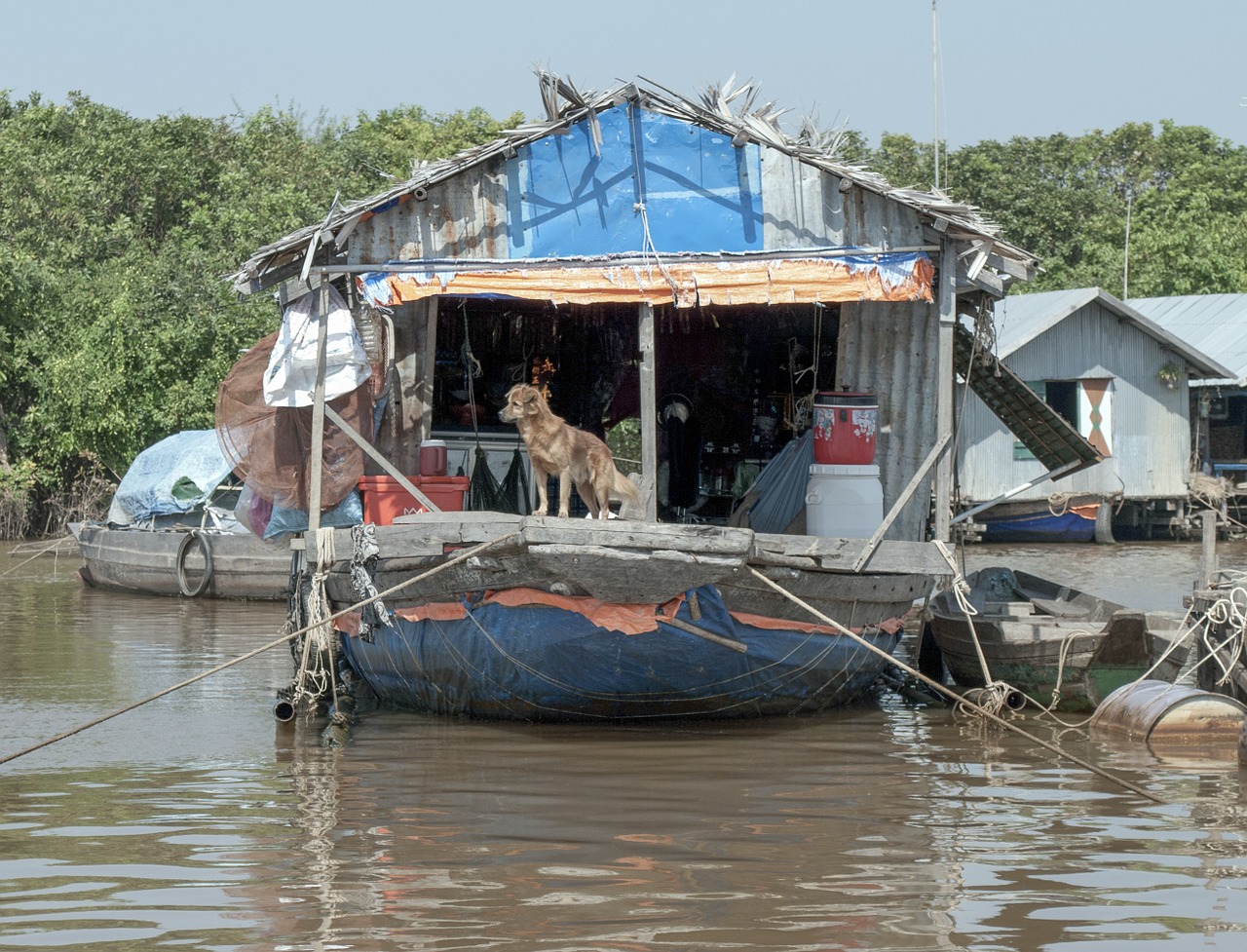
Image via Pixabay
The consequences of such greed are often more than just damage to our own spiritual state and the deprivation of others economically. Greed can also produce degradation of the environment—resulting in significant damage to the earth, which ultimately affects the capacity of others to live well and reduces future productivity for everyone.
Unjust Means in the Old Testament
Sadly, in ancient Israel some people became rich through unjust means. In fact, much of the message of the Prophets targets economic injustice by those with wealth and power in Israel. Through spokespersons such as Amos, Micah and Jeremiah, God states that our worship is meaningless if we are accumulating wealth through the exploitation of others. If we say we love God, then this should be reflected in the way we treat others and conduct business.
Judgment comes on Israel, “because they sell the righteous for silver and the needy for a pair of sandals” (Amos 2:6b). Such condemnation is an inevitable consequence of the nation of Israel’s failure to be faithful to its covenantal responsibilities. For God’s trademarks are his steadfast love, justice and righteousness.[2] By implication, these trademarks are also core to what it means to be the covenant community. For ensuring that all members of society (and particularly the weak) have access to resources in order to live a life of dignity, is part of Israel’s covenantal responsibilities.
Sadly, the mechanisms under the Law that sought to build a fair, just and compassionate society had been flouted and ignored. Instead of modeling God’s shalom, Israel had become just like every other nation—a cesspit of oppression, abuse of power, and flagrant disregard for those caught on the economic scrapheap. The rich gained ownership of much of the land (in contravention of Leviticus 25:25-28), then leased it back to small farmers at interest (forbidden by Deuteronomy 23:19-20), which in turn led to default of loans. Meanwhile, they perverted the justice system by bribery. As a result, those dispossessed of capacity to earn a living had to sell themselves into slavery.
In response, the prophet Amos pleads:
“Let justice roll down like waters, and righteousness like an everflowing stream.” (Amos 5:24)
Micah asks:
“What does the Lord require of you but to do justice, and to love kindness, and to walk humbly with your God?” (Micah 6:8)
The way we earn, employ or manage others, conduct business, invest and spend our money can be just or unjust. And this cannot be separated from our worship of God. We cannot love God and exploit other people in pursuit of wealth.
Click to Like Theology of Work Project on Facebook

Click to Like Theology of Work Project on Facebook
[1] The Concise Oxford Dictionary. 10th ed., revised (Oxford University Press, 2001).
[2] From the text of a lecture given by Walter Bruggemann, “The Continuing Subversion of Alternative Possibility: From Sinai to Current Covenanting,” Laing Lectures, 2008, Regent College, Vancouver, Canada.
Previous Post

September 5, 2015
How to Be a Rich Christian (Part 2: Understanding Poverty)
Next Post

September 11, 2015 How to Be a Rich Christian (Part 4: The Temptations of Wealth)
Browse Our Archives
Select a Category Advent Ambition Bible and Work Business Calling Christmas Common Good Communication Conflict Culture Disappointment Discipleship Earth Day Easter Economics Environmental Sustainability Envy Faith and the Workplace Family and Work Generosity Giving Gossip Government Gratitude Hospitality Human Flourishing Humility Investing Justice Leadership Lent Local Church Making Mistakes Men and Work Millennials and Work Minimum Wage Money New Year Pastors Patience Pay Politics Poverty Prayer Race Rest Sabbath Sacred vs. Secular Sharing Faith Slavery Song of Songs Status Success Suffering Teamwork Thanksgiving Theology of Work TOW Project News Unemployment Valentine's Day Vocation Women and Work Work Life Balance
Select a Month September 2015 August 2015 July 2015 June 2015 May 2015 April 2015 March 2015 February 2015 January 2015 December 2014 November 2014 October 2014 September 2014 August 2014 July 2014 June 2014 May 2014 April 2014 March 2014 February 2014 January 2014 December 2013
Follow Us!
TAKE THE
Religious Wisdom Quiz
I built a great temple with cedar and gold, using 70,000 carriers and 80,000 stonecutters. Who am I?
Select your answer to see how you score.
David Solomon Zerubbabel Hiram
Related posts from Theology of Work Project

Theology of Work Bible Commentary Vol. 2 Now...

How To Be a Rich Christian: 3 Ways...

How to Be a Rich Christian (3 Key...
How to Be a Rich Christian (Part 4:...
TRENDING AT PATHEOS Business, Finance and Religion

St. Francis by Bill Droel Pope Leo XIV declares 2026 as “Year...

Catholics are schooled in the faith by memorizing dogmatic points and lots...

The Good News of Our Human Limitations -...
After another day of trying to meet deadlines and working on projects,...

Quiet Holy Attentiveness (podcast) with Sarah Clarkson
We know that quiet is an essential aspect of the spiritual life,...

Every Vocation Everywhere All At Once
What is a vocation? How does it endure through the years? Can...

I promise this is not going to become a Taylor Swift Studies...
view all Business, Finance and Religion blogs
Ad-Free & Subscriber Log-In Subscription Support
- About Us
- 2026 Calendar
- Videos
- Podcasts
- Library of World Religions
- Faith In Media Tracker
- Advertise With Us
- Write for Us
- Privacy Policy
- Terms of Service
- Do Not Sell My Data
- Contact Us
- Radiant Digital
- Manage Newsletter Subscriptions
- Unsubscribe From Notifications
- Sitemap
Copyright 2008-2026, Patheos. All rights reserved.
Subscription Support Ad-Free & Subscriber Log-In
Follow Patheos