
BuddhistCatholicContemplativeEvangelicalGeneral ChristianHinduJewishLatter-day SaintMuslimNew VisionsProgressive Christian
Beliefs
- Buddhist
- Catholic
- Contemplative
- Evangelical
- General Christian
- Hindu
- Jewish
- Latter-day Saint
- More Voices
- Muslim
- New Visions
- Pagan
- Progressive Christian
Topics
- Religion News
- Food and Religion
- Sports and Religion
- Religious Art
- Religious Music and Entertainment
- Religious Events
- History and Religion
- Style and Religion
- Politics and Religion
- Women in Religion
- Recreation Outdoors and Religion
- Business Finance and Religion
- Careers Workplace and Religion
- Education and Religion
- Family Parenting and Religion
- Health Fitness and Religion
- Home and Religion
- Relationships and Religion
- Technology and Religion
- Travel and Religion
Columnists
- Buddhist Columnists
- Business Finance and Religion Columnists
- Careers Workplace and Religion Columnists
- Catholic Columnists
- Contemplative Columnists
- Education and Religion Columnists
- Evangelists Columnists
- Family Parenting and Religion Columnists
- General Christian Columnists
- Health Fitness and Religion Columnists
- Hindu Columnists
- History and Religion Columnists
- Home and Religion Columnists
- Jewish Columnists
- More Voices Columnists
- Latter Day Columnists
- Muslim Columnists
- New Visions Columnists
- Nonreligious Columnists
- Pagan Columnists
- Politics and Religion Columnists
- Progressive Columnists
- Recreation Outdoors and Religion Columnists
- Relationships and Religion Columnists
- Religion News Columnists
- Religious Art Columnists
- Religious Events Columnists
- Religious Music and Entertainment Columnists
- Sports and Religion Columnists
- Style and Religion Columnists
- Technology and Religion Columnists
- Travel and Religion Columnists
- Women in Religion Columnists
Resource Library
- 2026 Calendar
- Library of World Religions
- The 100 Most Holy Places on Earth
- Patheos Answers
- Podcasts
- Videos
- Faith Leaders Database
- Anglican Episcopalian
- Bahai
- Baptist
- Buddhism
- Christianity
- Confucianism
- Eastern Orthodoxy
- Hinduism
- Holiness and Pentecostal
- ISKCON
- Islam
- Judaism
- Lutheran
- Methodist
- The Church of Jesus Christ of Latter-day Saints
- New Age
- Paganism
- Presbytarian and Reformed
- Protestantism
- Religion Behind the Scenes
- Roman Catholic
- Scientology
- Shia Islam
- Sikhism
- Sufism
- Sunni Islam
- Taoism
- Zen
- See all religions
Research Tools
 Ad-Free & Subscriber Log-In Subscription Support
Ad-Free & Subscriber Log-In Subscription Support
Follow Patheos 

- Trending:
- Forgiveness
- |
- Marriage
- |
- Consciousness
- |
- Death Penalty
- |
- Election
- |
- Halloween
 Theology in the Raw
- Home
- About
- Publications
- Comment Policy
- Preston Sprinkle Website
- Eternity Bible College
- Speaking
- Event Calendar
- Living in a Gray World
- People to Be Loved
- Podcast
- Archive Index
- Home
- Evangelical
- Liturgy: The Shape of Worship
Liturgy: The Shape of Worship
Last updated on: March 3, 2015 at 9:29 am by Preston Sprinkle
Liturgy: The Shape of Worship 2015-03-03T09:29:53-06:00 Preston Sprinkle
Patheos Explore the world's faith through different perspectives on religion and spirituality! Patheos has the views of the prevalent religions and spiritualities of the world.
The following blog is written by my friend, former student, and Eternity Bible College alumnus, Lance Hancock. Lance currently serves as the assistant to the Vice President (i.e. Me) for Eternity’s Boise extension.
In the previous blog, I talked about how every church is liturgical and how the biblical narrative about God’s redeemed people should shape our liturgies. Let’s explore how narrative and liturgy go together.
A good liturgy draws upon the elements of the story of God’s people and incorporates them into the church’s worship. It allows the story of the redeemed to shape the worship of the redeemed. The contours of this story are commonly 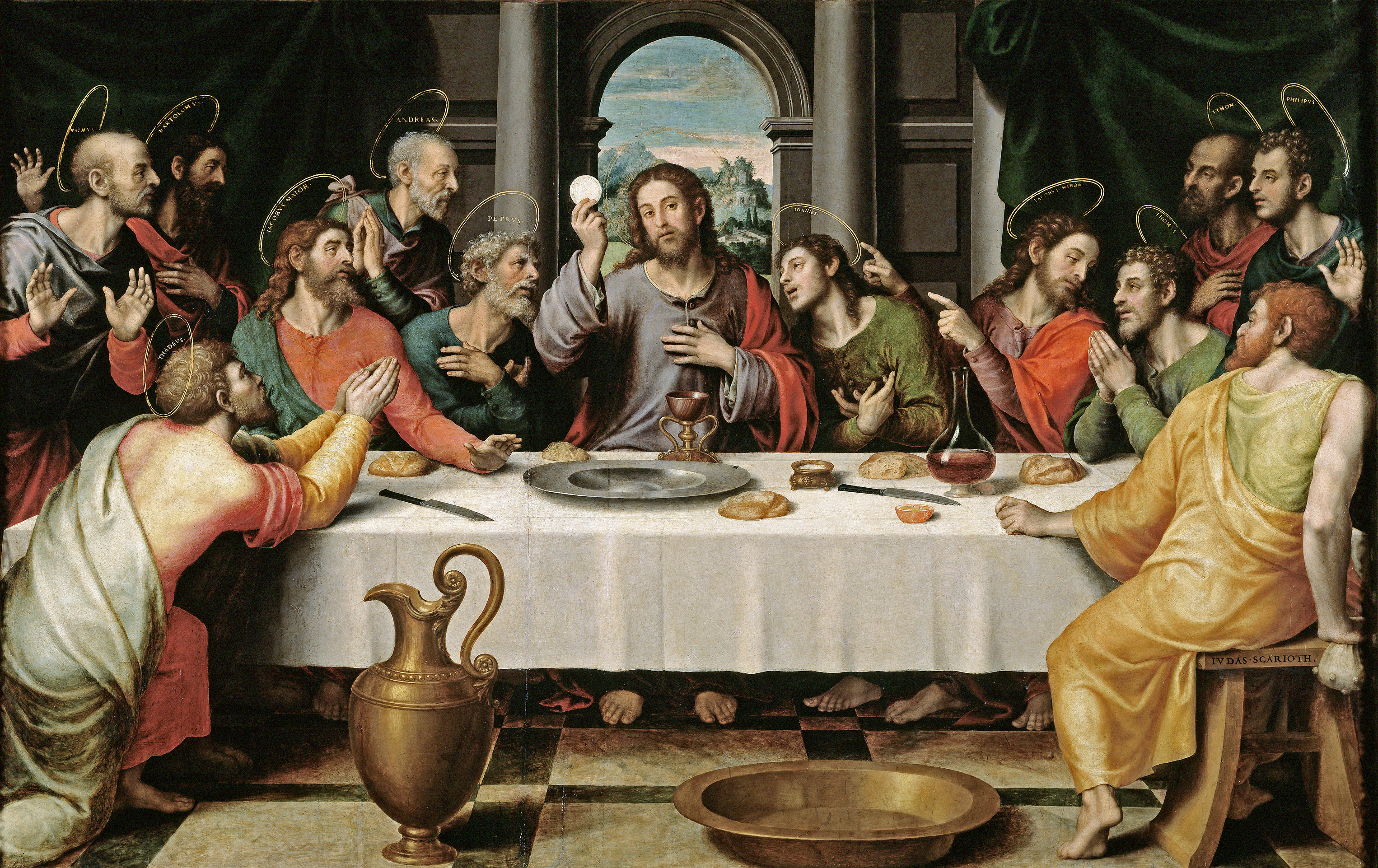 described as creation, fall, redemption, and new creation (sometimes consummation or restoration). Like every good story, there is a beginning (creation), crisis (fall), rising action, climax, and falling action (redemption), and resolution (new creation). This story is our heritage, and it is the record of God’s action in our world—past, present, and future. Since we are called to recall God’s mighty works and praise him according to his deeds, it is only fitting that this story, this gospel, forms our worship. Okay, enough theorizing. Let’s see what this might look like practically.
Creation
God is the sovereign Creator of the cosmos, and all of creation sings his praise: the heavens declare his glory, the skies proclaim his handiwork, the trees clap their hands, and all the peoples (should) sing his praise. God is worthy of our highest adoration because he is God! He is the ultimate reality, the only self-existing One, the maker of everything from nothing. Gospel-shaped liturgies include adoration toward God: Scripture readings that recount his wondrous works, songs that sing of his splendor and majesty, and prayers that proclaim his great glory.
Fall
God created us in his image, implying that our purpose and calling is to rightly reflect God in our lives. However, we fail to embrace, love, pursue, and fulfill this calling each day. Therefore, gospel-shaped liturgies make space for confession of sin, both on a personal level and on a corporate level. We do not express sorrow merely for our individual failings, but for the shortcomings of the entire church, which fails to be the faithful embodiment of Christ on earth that it is intended to be. We acknowledge not just “my” sin but “our” sin and confess the things we have done and the things we have left undone which offend and grieve our Maker.
Redemption
Though we have failed to be proper stewards of our image-bearing vocation, God has not turned his face away from his creation, but has looked upon it with love and favor, and, through Jesus Christ, has begun to redeem all that is enslaved to the corruption of sin and death. Because human sin is the source of all that is dysfunctional in the world, God in Christ has provided a means of forgiveness and renewal—forgiveness through the blood of Christ and renewal through union with Christ in the Spirit.
This means that sin does not get the last word, and neither does liturgical confession. Rather, the church’s confession is followed by the assuring words of God’s grace and mercy. The pastor proclaims—or the people declare together—that God is faithful and just to forgive the sins of those who confess them because they have an advocate before the Father, Jesus Christ, who is the propitiation for their sins. Moreover, because we have peace with God through Christ, we must necessarily have peace with each other, regardless of economic, racial, or other social/cultural barriers. Many liturgies encourage believers to embody this reality through “passing the peace” to one another, greeting and welcoming each other as they have been welcomed by God in Christ.
Redemption is the part of the story we are currently living in. We are the characters in this third act of the drama, implying that redemption continues throughout our own time. God has freed us not merely for our own sake, but so that we can become agents through which many other will be liberated. This is another way of saying that the church has a mission, and a gospel-shaped liturgy aids in equipping us for our task in several ways: the preaching of the word renews our minds so that we may know the will of God and how to follow Jesus faithfully in our culture; the giving of tithes and offerings reaffirms Christ’s lordship over our lives and directs our minds and hearts to the church’s mission; baptism symbolizes the death of the old self and newfound life in Christ, and baptismal vows present an opportunity for all of the congregants to reaffirm their commitment to Christ and their witness to his kingdom; the Lord’s Supper enacts and proclaims so many spiritual realities contained in the gospel story, including our union with Christ and each other, our dependence on the Lord for strength, the hope for Christ’s return, and the blood that brings that blessings of the New Covenant, such as the forgiveness of sins and the gift of the Spirit, all of which serve to fortify our faith and propel us back into the world with an eagerness to display God’s grace and invites others into it.
It should be abundantly clear by now that the liturgy as a service of worship is not only about glorifying God, but about forming his people into more faithful disciples (as if worship and discipleship could be separated). When the people of God gather each week and tread the same path of adoration, confession, assurance, peace, instruction, and participation in Christ through the sacraments, the story of God is etched onto their hearts and minds, which helps sustain our vision of God’s glory while simultaneously helping ours find our place in his story.
New Creation
The final act in the drama has not arrived fully, but it has begun truly. In Christ we are new creations, and when the church gathers the people are challenged to live as new creatures, putting off the old self and putting on Christ. They then scatter back into the world to bear witness to the new creation, to the coming kingdom. As was mentioned above, the Lord’s Supper kindles our hope for Christ’s return, for every time we eat the bread and drink the cup we proclaim his death until he comes again. The Eucharist, then, is a foretaste of the great banquet we will enjoy with Christ in the new creation.
In addition to shaping the church’s liturgy, the gospel story constitutes the church’s calendar. Advent is a time for the church to join Israel of old in longing for, hoping in, and anticipating the coming of the Messiah. Like Israel, we await the Messiah’s (second) coming and the peace and justice he will bring to the earth. Epiphany celebrates God’s gracious revelation to his people; he has not left us in the dark, but has shone the light of Christ to the world in the incarnation and in the witness of the apostles and prophets. Lent is a season of embodying contrition and sorrow, a time of repentance and fasting, a time of acknowledging sin and presenting ourselves before God to have him reorder our hearts and minds according to his ways. This prepares us for Good Friday, where atonement was made for our sins, and for Easter—Christ’s victory over sin and death. True, we are dust, and to dust we will return. But in Christ we will rise from the dust to everlasting life in the new creation! Easter then gives ways to the Ascension, where a human being finally sits in proper rule over creation and forever places man in the presence of God. And Ascension is followed by Pentecost, the birthday of the Church, marked by the giving of God’s Spirit to his people. The Spirit not only empowers us for mission, but he is the guarantee of our inheritance in the new creation until we acquire resurrection.
Liturgy—every church has one.
A gospel-shaped liturgy grounds people in the revelation of God in history and works against the cultural stories that vie for our allegiance and participation (e.g. materialism, nationalism, hedonism, et al.). It reminds us of God’s salvation and of the mission bound up in our identity as the people of God.
In the end, there’s no one way to do church, and there’s no “right” liturgy. I think the case can be made, however, that some liturgies are better than others, especially those that take their form through careful attention to the gospel story.
What elements have I left out? What else makes for a good liturgy?
Previous Post

March 2, 2015
Liturgy: Every Church Has One
Next Post
March 6, 2015 True Beauty
Browse Our Archives
Select a Category 40 Questions A Letter to my congregation adoption Alan Chambers Alcohol America american Jesus andrew marin angels Anne Paulk Annihilation apology Apostles creed atonement AudioFeed Balkhu Baptism bastard being biblical believer's baptism bible Bible College biblical love biblical studies Boise book review Books buzzwords called celibacy Center for Pastoral Theologians Charis charleston shooting cherubim christian movies Christian teens Christianeze Christmas church Church Refugees civil rights college debt communal faith Conditional Immortality conference david gushee debt free education Dechurched derwin gray desiring the kingdom Discipleship Don Miller Dones ecclesia and ethics Erasing Hell Esther eternal conscious torment Eternity Bible College ethnic diversity ETS eunuch evangelicalism Fight Four Views on Hell Francis Chan Francis Watson Free Bible Resources French Quarter grace gran torino gun control haters hell holy war homeschool homosexuality house church immigration Incarnation individualism Infant Baptism interpretation Intersex Israel James Dunn james smith Jerry Fallwell Jr. Jessica Minassian Jesus Jesus refugee Joey Dodson John MacArthur John Piper John Stott Josh Packard Joshua Ryan Butler judgment Justification Karl Barth Ken Wilson Kevin DeYoung Lance Hancock Leper lesbian LGBT LGBTQ Life Love God liturgy living in a gray world Luke 22 martin luther king mary magdalene Matthew Vines Megan DeFranza Michael Bird millennials Ministry Missions mixed orientation marriage movies Multiethnic churches Music Festival My Exodus N.T. Wright nationalism New Perspective New Year resolution nonviolence obedience Old Testament Online Biblical Training orlando massacre Pacifism parenting pastoral ministry Pastoral Theologian patriotism people to be loved personal relationship with Jesus politics poverty Prayer Preston Sprinkle Project Bayview public square Q Conference qualifications for ministry Racial Reconciliation radio show Reading reading plan real Christianity Reformed refugee refugee crisis rick hogaboam robb bell robert gagnon Romans Romans 13 Romans 9 sam allberry same sex attraction sanctification school segrated churches seraphim sex Sex Difference in Christian Theology sexual fluidity Shawn Gordon short term missions Skeletons in God's Closet Slums Sodom Speaking syrian refugee crisis technology teen girls texting The Bible Project The Gospel Coalition the high definition leader theology Third Way Tim Mackie Touch Nepal trols UK Tour Uncategorized Urban Ministry Us vs. Us Vieux Carre Baptist Church violence vocation Waiting warfare welcome the stranger women women in ministry worship songs writing
Select a Month August 2016 June 2016 May 2016 April 2016 March 2016 February 2016 January 2016 December 2015 November 2015 October 2015 September 2015 August 2015 July 2015 June 2015 May 2015 April 2015 March 2015 February 2015 January 2015 December 2014 November 2014 October 2014 September 2014
Follow Us!
TAKE THE
Religious Wisdom Quiz
What does "Gospel" mean?
Select your answer to see how you score.
God's Truth Sacred Story Good News Holy Word
Related posts from Theology in the Raw
Reflections on the Orlando Massacre

Is a Traditional Sexual Ethic Intrinsically Harmful?

Toward a Critical Review of Robert Song’s Covenant...
TRENDING AT PATHEOS Evangelical

The REST of Your Life: A Creative Wrestles...
This week I had a conversation with a good friend from church....

How the author of the world's best hymn...
I've been working with John Newton for a while now. This makes...

Long before this Lectio Divina, Psalm 130 - the song - started...

What About the Trees? Another Living Parable
After I finished writing the last article about falling leaves as a...

Why Classical Education Is a Conversation, Not a...
Come and Read: Joy in Classical Education When I was a little...

Cornell University has received a great deal of negative publicity and intense...
view all Evangelical blogs
Ad-Free & Subscriber Log-In Subscription Support
- About Us
- 2026 Calendar
- Videos
- Podcasts
- Library of World Religions
- Faith In Media Tracker
- Advertise With Us
- Write for Us
- Privacy Policy
- Terms of Service
- Do Not Sell My Data
- Contact Us
- Radiant Digital
- Manage Newsletter Subscriptions
- Unsubscribe From Notifications
- Sitemap
Copyright 2008-2026, Patheos. All rights reserved.
Subscription Support Ad-Free & Subscriber Log-In
Follow Patheos