
BuddhistCatholicContemplativeEvangelicalGeneral ChristianHinduJewishLatter-day SaintMuslimNew VisionsProgressive Christian
Beliefs
- Buddhist
- Catholic
- Contemplative
- Evangelical
- General Christian
- Hindu
- Jewish
- Latter-day Saint
- More Voices
- Muslim
- New Visions
- Pagan
- Progressive Christian
Topics
- Religion News
- Food and Religion
- Sports and Religion
- Religious Art
- Religious Music and Entertainment
- Religious Events
- History and Religion
- Style and Religion
- Politics and Religion
- Women in Religion
- Recreation Outdoors and Religion
- Business Finance and Religion
- Careers Workplace and Religion
- Education and Religion
- Family Parenting and Religion
- Health Fitness and Religion
- Home and Religion
- Relationships and Religion
- Technology and Religion
- Travel and Religion
Columnists
- Buddhist Columnists
- Business Finance and Religion Columnists
- Careers Workplace and Religion Columnists
- Catholic Columnists
- Contemplative Columnists
- Education and Religion Columnists
- Evangelists Columnists
- Family Parenting and Religion Columnists
- General Christian Columnists
- Health Fitness and Religion Columnists
- Hindu Columnists
- History and Religion Columnists
- Home and Religion Columnists
- Jewish Columnists
- More Voices Columnists
- Latter Day Columnists
- Muslim Columnists
- New Visions Columnists
- Nonreligious Columnists
- Pagan Columnists
- Politics and Religion Columnists
- Progressive Columnists
- Recreation Outdoors and Religion Columnists
- Relationships and Religion Columnists
- Religion News Columnists
- Religious Art Columnists
- Religious Events Columnists
- Religious Music and Entertainment Columnists
- Sports and Religion Columnists
- Style and Religion Columnists
- Technology and Religion Columnists
- Travel and Religion Columnists
- Women in Religion Columnists
Resource Library
- 2026 Calendar
- Library of World Religions
- The 100 Most Holy Places on Earth
- Patheos Answers
- Podcasts
- Videos
- Faith Leaders Database
- Anglican Episcopalian
- Bahai
- Baptist
- Buddhism
- Christianity
- Confucianism
- Eastern Orthodoxy
- Hinduism
- Holiness and Pentecostal
- ISKCON
- Islam
- Judaism
- Lutheran
- Methodist
- The Church of Jesus Christ of Latter-day Saints
- New Age
- Paganism
- Presbytarian and Reformed
- Protestantism
- Religion Behind the Scenes
- Roman Catholic
- Scientology
- Shia Islam
- Sikhism
- Sufism
- Sunni Islam
- Taoism
- Zen
- See all religions
Research Tools
 Ad-Free & Subscriber Log-In Subscription Support
Ad-Free & Subscriber Log-In Subscription Support
Follow Patheos 

- Trending:
- Forgiveness
- |
- Marriage
- |
- Consciousness
- |
- Death Penalty
- |
- Election
- |
- Halloween
 The Mu'mina Lifestyle
- Home
- Muslim
- Health, Fitness and Religion
- Harmony Within: Nurturing Mental Health Through Spiritual Practice
Harmony Within: Nurturing Mental Health Through Spiritual Practice
Last updated on: October 5, 2023 at 4:24 pm by Nadia Ahmed
Harmony Within: Nurturing Mental Health Through Spiritual Practice 2023-10-05T16:24:05-05:30 Nadia Ahmed
Patheos Explore the world's faith through different perspectives on religion and spirituality! Patheos has the views of the prevalent religions and spiritualities of the world.
The positive interrelatedness between spiritual practice and mental health has been widely studied and recognized in various cultures and religions across the world. Here are some key points highlighting this connection:
1. Stress Reduction
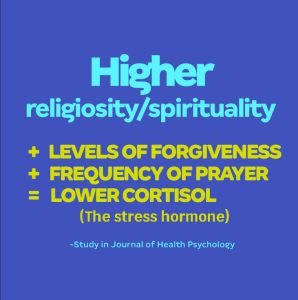
Spiritual practices often involve mindfulness, meditation, and prayer. Engaging in these activities can significantly reduce stress levels. Regular practice trains the mind to be calm and focused, reducing the production of stress hormones.
In Islam, it is stated in the holy Quran,
“those who believe and whose hearts find comfort in the remembrance of Allah. Surely in the remembrance of Allah do hearts find comfort.” Quran (13:28)
2. Enhanced Emotional Well-being
Spiritual practices encourage self-reflection and acceptance. This process helps individuals understand and manage their emotions better, leading to improved emotional well-being. It promotes feelings of gratitude, compassion, and forgiveness, which are vital for mental health.
Islamic teachings encourage believers to engage in deep self-reflection (Tafakkur) and seek forgiveness from Allah (Tawbah). Through introspection, individuals evaluate their actions and intentions, fostering a profound sense of self-awareness. Acceptance of one’s flaws and the decree of Allah leads to inner peace and contentment which are fundamental to emotional stability.
3. Sense of Purpose
Many spiritual traditions emphasize the importance of a purpose-driven life. Having a sense of purpose gives people a reason to live, motivates them, and provides a framework for making life choices. It can act as a buffer against mental health issues like depression and anxiety.
What is your purpose? Watch here:
4. Community Support
Spiritual communities often provide a strong social support system. Belonging to such a community reduces feelings of isolation and alienation which can be common triggers for mental health disorders.
In Islam, believers are considered members of a larger spiritual family, the Ummah. This community provides a vital support system, emphasizing the concept of brotherhood and sisterhood. Being part of a spiritual community reduces feelings of isolation (Ikhtilat) and alienation (Khawf) that individuals might experience while facing life’s challenges. The sense of belonging within the Ummah ensures that no believer is left alone to face their struggles. Fellow community members are there to offer understanding, and practical help, mitigating the emotional distress caused by isolation.
The life of Prophet Muhammad serves as a model for community support and camaraderie. He established a cohesive community in Medina, where members supported each other emotionally, socially, and economically. The companions of the Prophet demonstrated unparalleled unity and solidarity, setting an example for future generations to emulate.

5. Coping Mechanism
Spirituality offers coping mechanisms during difficult times. Faith and spiritual beliefs can provide comfort and hope, helping individuals navigate challenges such as illness, loss, or trauma. This coping mechanism can prevent the development of severe mental health disorders.
Islamic faith teaches believers that every trial and tribulation is a test from Allah. With unwavering trust in divine wisdom, Muslims find solace in the belief that challenges, no matter how overwhelming, are part of a greater plan. This perspective offers a profound sense of comfort, as individuals are encouraged to surrender their anxieties to Allah, finding reassurance in His mercy and guidance.
Islam places immense importance on patience (Sabr) in the face of hardships. Believers are taught that enduring difficulties with patience and perseverance are not only virtuous but also rewarded by Allah. This hopeful outlook enables individuals to maintain their emotional equilibrium during trying times, knowing that their steadfastness is pleasing to Allah and will be rewarded in this life or the Hereafter.
6. Positive Lifestyle Choices
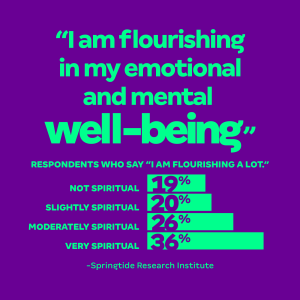
Many spiritual teachings advocate for a balanced and healthy lifestyle. This includes proper nutrition, regular exercise, and abstaining from harmful substances. These lifestyle choices directly impact mental health and contribute to overall well-being.
Islamic dietary laws prescribe the consumption of Halal (permissible) and Tayyib (pure and wholesome) foods. Muslims are encouraged to consume foods that are clean, healthy, and beneficial for the body. The emphasis on Halal and Tayyib foods not only ensures physical health but also purifies the soul, promoting a sense of cleanliness and well-being. A nutritious diet directly influences brain function and energy levels, impacting mood and cognitive abilities, which are crucial for mental health.
Islam strictly prohibits the consumption of harmful substances, including alcohol and recreational drugs. Such substances not only harm the body but also impair judgment and mental clarity. By abstaining from these harmful substances, individuals maintain their physical health, mental acuity, and emotional stability. Clarity of mind enables better decision-making and fosters a positive mental state.
7. Improved Relationships
Spiritual practices often promote qualities like empathy, kindness, and forgiveness. When individuals cultivate these traits, their relationships tend to be more fulfilling and harmonious. Positive social interactions are linked to better mental health outcomes.
In Islam, the teachings regarding interpersonal relationships are comprehensive and detailed, guiding believers on how to interact with others in a manner that is compassionate, and respectful. These teachings encompass various aspects, including how to maintain relationships with one’s spouse, neighbors, and friends, and even how to deal with toxic people.

8. Self-Transcendence
Spiritual experiences can lead to self-transcendence, where individuals feel connected to something greater than themselves. This expanded sense of self can lead to a profound shift in perspective, reducing egocentrism and promoting mental well-being.
In summary, People often find solace, meaning, and resilience in their spiritual beliefs and practices, which play a significant role in promoting their mental health and overall quality of life. You can also find a study done by Skylight highlighting the effects of daily spiritual self-care in relation to mental health.
Health, Fitness and Religion
Previous Post

May 4, 2023
Prayer in the Eyes of Americans: A Survey Analysis and Islamic Perspective
Next Post

December 6, 2023 7 Famous People Who Converted To Islam Late In Life
Recent Comments
Browse Our Archives
Select a Category Religious Events Uncategorized
Select a Month June 2024 December 2023 October 2023 May 2023 February 2023 January 2023 October 2022 September 2022 August 2022 July 2022 June 2022 May 2022
Follow Us!
TAKE THE
Religious Wisdom Quiz
Jesus raised whose daughter from the dead?
Select your answer to see how you score.
Bartholomew Thaddeus Darius Jairus
Related posts from The Mu'mina Lifestyle

Inside Out 2: A Muslim Perspective

7 Famous People Who Converted To Islam Late...

How can faith help you rekindle the love...

Why is a piece of cloth on a...
TRENDING AT PATHEOS Muslim

25 Years Later: How Much Has Changed for...
As we approach the 25th anniversary of September 11th, I’ve found myself...

Podcast: Third Spaces & The Rise of Yemeni...
In the latest episode of The Artistic Foodies Podcast, hosts Abbas...

HalalFest Picks: Best 60 Halal Spots for Super...
Back in 2016, I came up with a list of 29...

Unity Is America’s Strength — Division Is Its...
by Hidayatullah Ahsan When Valentina Gomez, a Republican candidate for Congress in...

Zohran Mamdani and New York’s Fight Against Islamophobia
This past June, against all odds, Zohran Mamdani won the Democratic primary...

What the Fourth of July Means to a...
As we mark another Fourth of July, millions of Americans will celebrate...
view all Muslim blogs
Ad-Free & Subscriber Log-In Subscription Support
- About Us
- 2026 Calendar
- Videos
- Podcasts
- Library of World Religions
- Faith In Media Tracker
- Advertise With Us
- Write for Us
- Privacy Policy
- Terms of Service
- Do Not Sell My Data
- Contact Us
- Radiant Digital
- Manage Newsletter Subscriptions
- Unsubscribe From Notifications
- Sitemap
Copyright 2008-2026, Patheos. All rights reserved.
Subscription Support Ad-Free & Subscriber Log-In
Follow Patheos