
BuddhistCatholicContemplativeEvangelicalGeneral ChristianHinduJewishLatter-day SaintMuslimNew VisionsProgressive Christian
Beliefs
- Buddhist
- Catholic
- Contemplative
- Evangelical
- General Christian
- Hindu
- Jewish
- Latter-day Saint
- More Voices
- Muslim
- New Visions
- Pagan
- Progressive Christian
Topics
- Religion News
- Food and Religion
- Sports and Religion
- Religious Art
- Religious Music and Entertainment
- Religious Events
- History and Religion
- Style and Religion
- Politics and Religion
- Women in Religion
- Recreation Outdoors and Religion
- Business Finance and Religion
- Careers Workplace and Religion
- Education and Religion
- Family Parenting and Religion
- Health Fitness and Religion
- Home and Religion
- Relationships and Religion
- Technology and Religion
- Travel and Religion
Columnists
- Buddhist Columnists
- Business Finance and Religion Columnists
- Careers Workplace and Religion Columnists
- Catholic Columnists
- Contemplative Columnists
- Education and Religion Columnists
- Evangelists Columnists
- Family Parenting and Religion Columnists
- General Christian Columnists
- Health Fitness and Religion Columnists
- Hindu Columnists
- History and Religion Columnists
- Home and Religion Columnists
- Jewish Columnists
- More Voices Columnists
- Latter Day Columnists
- Muslim Columnists
- New Visions Columnists
- Nonreligious Columnists
- Pagan Columnists
- Politics and Religion Columnists
- Progressive Columnists
- Recreation Outdoors and Religion Columnists
- Relationships and Religion Columnists
- Religion News Columnists
- Religious Art Columnists
- Religious Events Columnists
- Religious Music and Entertainment Columnists
- Sports and Religion Columnists
- Style and Religion Columnists
- Technology and Religion Columnists
- Travel and Religion Columnists
- Women in Religion Columnists
Resource Library
- 2026 Calendar
- Library of World Religions
- The 100 Most Holy Places on Earth
- Patheos Answers
- Podcasts
- Videos
- Faith Leaders Database
- Anglican Episcopalian
- Bahai
- Baptist
- Buddhism
- Christianity
- Confucianism
- Eastern Orthodoxy
- Hinduism
- Holiness and Pentecostal
- ISKCON
- Islam
- Judaism
- Lutheran
- Methodist
- The Church of Jesus Christ of Latter-day Saints
- New Age
- Paganism
- Presbytarian and Reformed
- Protestantism
- Religion Behind the Scenes
- Roman Catholic
- Scientology
- Shia Islam
- Sikhism
- Sufism
- Sunni Islam
- Taoism
- Zen
- See all religions
Research Tools
 Ad-Free & Subscriber Log-In Subscription Support
Ad-Free & Subscriber Log-In Subscription Support
Follow Patheos 

- Trending:
- Forgiveness
- |
- Marriage
- |
- Consciousness
- |
- Death Penalty
- |
- Election
- |
- Halloween
 The Jesuit Post
-
About TJP on Patheos
- Home
- Catholic
- Collapsing the Faith/non-Faith Dichotomy in Teaching
Collapsing the Faith/non-Faith Dichotomy in Teaching
Last updated on: December 17, 2014 at 2:30 am by Eric Hanna, SJ
Collapsing the Faith/non-Faith Dichotomy in Teaching 2014-12-12T10:36:12-08:00 Eric Hanna, SJ
Patheos Explore the world's faith through different perspectives on religion and spirituality! Patheos has the views of the prevalent religions and spiritualities of the world.
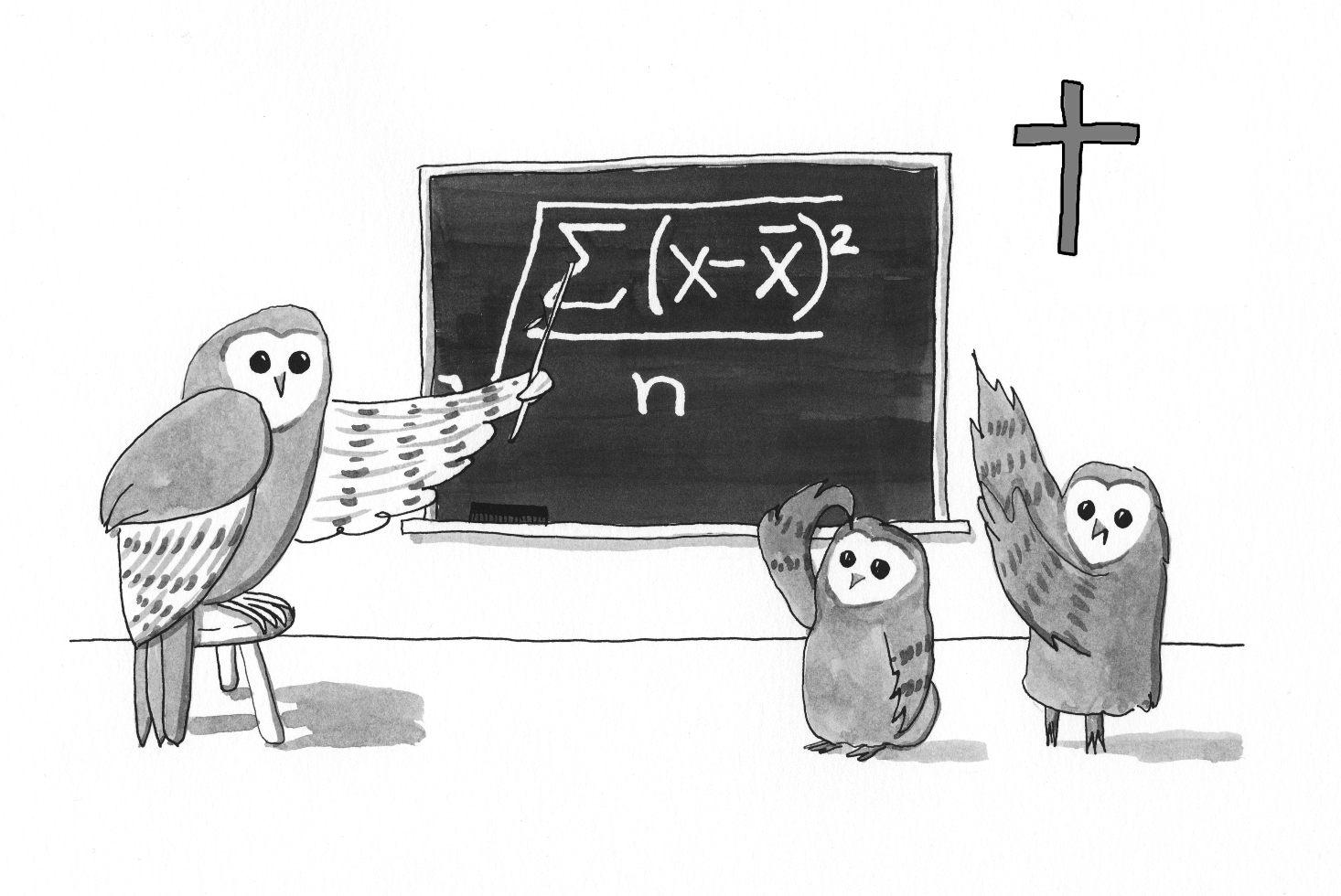
The best teaching involves the whole person: their beliefs and views, their reasoning and arguments, their hopes and fears. For this reason, I propose that we re-frame our debate about teaching from a faith-based context. It is not a fundamental feature of faith that it must posit itself as the only point of view. Faith, as St. Anselm so pointedly reminds us, seeks understanding.
I often encounter the misconception that a church’s main role is to separate the world into the sacred and the profane: us and them. People are surprised to hear that as a Jesuit-priest-in-training I work at a University. Christians remark, “isn’t academics so terribly secular? How can you compartmentalize who you are?” And non-Christians react with suspicion, watching to see if I am sneaking a secret agenda into the material. However, the reality is that freedom is at the very core of Christian thinking and I flourish in an environment that encourages freedom of thought.
I teach philosophy, mostly first-years. And one of my main tasks is to change the mentality of the students that I am pouring the water of knowledge into their waiting, sponge-like minds. A professor holds many things to be true: but it is anathema to the professor for students to decide that things are true simply because the smart professor has said so.
I try to help students develop tools for thinking. Tools for investigation, for argument, or for weighing and making decisions. I tell the students it is their job to seek out what is true. I often challenge both Christian and non-Christian students with arguments that show apparent inconsistencies in their beliefs. There are reasonable arguments against some Christian ideas; it is my hope that students when students learn to engage with these arguments and think them through, their faith becomes stronger. At the same time, I hope by challenging non-Christians with their beliefs they will construct a deeper and better thought-out worldview. In both cases, the result of being challenged in one’s beliefs is to learn and grow.
My academic obligations and my obligations as a believer are not fundamentally opposed. The prize of academics is to love and to seek the truth using the best tools and methods available. And a good Christian will affirm that a sincere and free search for truth will lead to God – though perhaps in ways that are not immediately apparent. A tried and true Jesuit motto is “to find God in all things.” There is no need for me to shoehorn God into the disciplines of history, literature, science, business, medicine, etc. For me, God is already present and active in these human stories, moving hearts and minds to greater knowledge, greater liberation, and ultimately a greater love.
Self-knowledge is vital. A person in dialogue, in the context of a shared love of truth, must be honest about one’s foundational assumptions and beliefs. But these beliefs become jumping-off points for dialogue: discussion-openers rather than discussion-closers.
There are points of fundamental disagreement between those who have a faith perspective and those who do not. But if both persons seek the truth with sincerity, they will not find themselves engaged in two separate labours. In fact, they may be of greater assistance to one another: we learn much more from those who challenge us.
And so neither do I compartmentalize, nor do I subvert the material to my own agenda. I simply provide the best truth-finding tools that I can and encourage my students to seek out their answers, perhaps with fear and trembling; but always with an openness to learning from the experience of others rather than by dividing the world into us and them.
Previous Post

December 15, 2014
Joyfully shipwrecked
Next Post

December 23, 2014 A Facebook Advent: On Waiting and God
Browse Our Archives
Select a Category About the Blog TJP Book Excerpt TJP Excerpt Uncategorized Weekly Post
Select a Month June 2015 May 2015 April 2015 March 2015 February 2015 January 2015 December 2014 November 2014 October 2014 September 2014 August 2014 July 2014 June 2014 May 2014 April 2014 March 2014 February 2014 January 2014
Follow Us!
TAKE THE
Religious Wisdom Quiz
I lift my eyes to the _________, where does my help come from? My help comes from the LORD.
Select your answer to see how you score.
Heavens Sky Hills Seas
Related posts from The Jesuit Post
America interviews TJP editor Michael Rossmann, SJ

Rosario Rodriguez on forgiving her attackers

Leah Darrow: From America's Next Top Model to...
TRENDING AT PATHEOS Catholic

The Parable Of The Sower And The Word...
One of Christ’s most famous parables is that of the sower who...

Rejecting Doom: Christian Hope And Human Action
Christianity is a religion of hope. We are to have hope and...

Why I Choose the Eucharist Over the Sermon
Choose the Eucharist, Not the Sermon What are we supposed to get...

5 Design Elements Found in Spiritually Rooted Homes
Putting Spirituality Into Home Decor Our homes are more than our living...

Credo: A Story of God Told with the...
About 10 years ago, I began to imagine a personal "Credo" that...

The Anatomy of Divine Revelation in Catholic Thought
The claim that God has made Himself known to human beings is...
view all Catholic blogs
Ad-Free & Subscriber Log-In Subscription Support
- About Us
- 2026 Calendar
- Videos
- Podcasts
- Library of World Religions
- Faith In Media Tracker
- Advertise With Us
- Write for Us
- Privacy Policy
- Terms of Service
- Do Not Sell My Data
- Contact Us
- Radiant Digital
- Manage Newsletter Subscriptions
- Unsubscribe From Notifications
- Sitemap
Copyright 2008-2026, Patheos. All rights reserved.
Subscription Support Ad-Free & Subscriber Log-In
Follow Patheos