
BuddhistCatholicContemplativeEvangelicalGeneral ChristianHinduJewishLatter-day SaintMuslimNew VisionsProgressive Christian
Beliefs
- Buddhist
- Catholic
- Contemplative
- Evangelical
- General Christian
- Hindu
- Jewish
- Latter-day Saint
- More Voices
- Muslim
- New Visions
- Pagan
- Progressive Christian
Topics
- Religion News
- Food and Religion
- Sports and Religion
- Religious Art
- Religious Music and Entertainment
- Religious Events
- History and Religion
- Style and Religion
- Politics and Religion
- Women in Religion
- Recreation Outdoors and Religion
- Business Finance and Religion
- Careers Workplace and Religion
- Education and Religion
- Family Parenting and Religion
- Health Fitness and Religion
- Home and Religion
- Relationships and Religion
- Technology and Religion
- Travel and Religion
Columnists
- Buddhist Columnists
- Business Finance and Religion Columnists
- Careers Workplace and Religion Columnists
- Catholic Columnists
- Contemplative Columnists
- Education and Religion Columnists
- Evangelists Columnists
- Family Parenting and Religion Columnists
- General Christian Columnists
- Health Fitness and Religion Columnists
- Hindu Columnists
- History and Religion Columnists
- Home and Religion Columnists
- Jewish Columnists
- More Voices Columnists
- Latter Day Columnists
- Muslim Columnists
- New Visions Columnists
- Nonreligious Columnists
- Pagan Columnists
- Politics and Religion Columnists
- Progressive Columnists
- Recreation Outdoors and Religion Columnists
- Relationships and Religion Columnists
- Religion News Columnists
- Religious Art Columnists
- Religious Events Columnists
- Religious Music and Entertainment Columnists
- Sports and Religion Columnists
- Style and Religion Columnists
- Technology and Religion Columnists
- Travel and Religion Columnists
- Women in Religion Columnists
Resource Library
- 2026 Calendar
- Library of World Religions
- The 100 Most Holy Places on Earth
- Patheos Answers
- Podcasts
- Videos
- Faith Leaders Database
- Anglican Episcopalian
- Bahai
- Baptist
- Buddhism
- Christianity
- Confucianism
- Eastern Orthodoxy
- Hinduism
- Holiness and Pentecostal
- ISKCON
- Islam
- Judaism
- Lutheran
- Methodist
- The Church of Jesus Christ of Latter-day Saints
- New Age
- Paganism
- Presbytarian and Reformed
- Protestantism
- Religion Behind the Scenes
- Roman Catholic
- Scientology
- Shia Islam
- Sikhism
- Sufism
- Sunni Islam
- Taoism
- Zen
- See all religions
Research Tools
 Ad-Free & Subscriber Log-In Subscription Support
Ad-Free & Subscriber Log-In Subscription Support
Follow Patheos 

- Trending:
- Forgiveness
- |
- Marriage
- |
- Consciousness
- |
- Death Penalty
- |
- Election
- |
- Halloween

- Home
- Progressive Christian
- Education and Religion
- Why I Do Not Think the Bible Can be Read Literally
Why I Do Not Think the Bible Can be Read Literally
Last updated on: January 15, 2024 at 4:12 pm by Christine Schmertz Navarro
Why I Do Not Think the Bible Can be Read Literally 2024-01-15T16:12:39-08:00 Christine Schmertz Navarro
Patheos Explore the world's faith through different perspectives on religion and spirituality! Patheos has the views of the prevalent religions and spiritualities of the world.
Part I: Religious Truth
I believe that God inspired biblical writers. Writing, translating, and interpreting the Bible has also involved human beings. I believe there is religious truth in the Bible, but it is not found by reading it word-for-word as from God’s mouth.
The Bible as a Book of Books
The word “Bible” does come from the word for “book,” or more specifically, the area on papyrus used for writing. Unlike a book with chapters, the Bible does not begin a story that continues until the end.
One way to think of the Bible is to view it as a book of books, with each book somewhat independent of the others.
I think of the Bible more like an old scrapbook that the People of Israel and the early Christians put together. The scrapbook tells the story of their relationship with God. This scrapbook, however, lacks the variety of a real one: it is all words. There is no ancient parallel to ribbons from athletic events, report cards, or photos of friends and family.

Working with others often helps Bible readers since the Bible can be difficult to understand. Photo by Tima Miroshnichenko via pexels.com
What Types of Writing Are in the Bible?
The variety in the Bible comes from the types of writing in it. The Bible has historical accounts, laws, songs, proverbs, prophetic texts, and letters.
In everyday life, we use unique skills to read the writing we encounter. If we need a recipe, we find online examples or look in a cookbook. We do not look for recipes in a phone book. If we are looking for historical information, we consult a history book rather than a science book. We expect to find different types of writing in different places.
We need to read writing with that information in mind. For example, Paul wrote actual letters to the Corinthians or Thessalonians, who were early Christian communities. It is possible to misinterpret a passage because it was not written to us but to them.
There is a difference between a private text and one sent to a large group. Paul’s letters resemble private texts. The Evangelists wrote the Gospels to capture the most essential elements of Jesus’ stories, to get the word out about him. The Gospels do not mention Joseph after the first two chapters of Luke and Matthew. Mark and John do not include him at all. His activities might not have seemed relevant to the Gospel authors.
Just as a person would not seek religious truth in a history or science book, people did not create the Bible to convey historical or scientific truths.
Religious Truth
We seek God when we read the Bible and we find God in it. We may choose one book over another depending on our state of mind. If we need a reminder that we are made in God’s image and likeness, we might look to the Creation stories. If we need to make a moral decision involving money, we might look at the prophets or Jesus’ teaching. We also may have favorite passages from the Psalms, Gospels, or Pauline letters.
Given that people throughout the centuries have found the Bible meaningful, I believe it is fair to say that religious truth is not bound by time and place. Religious truth is often found in various places in the Bible such as the command to love God and neighbor or the importance of caring for people who are struggling financially.
While religious truth may apply to people in various eras, taking one line or passage and directly applying it to a modern situation is rarely accurate. Centuries or millenia separate us from the writers. Scholars who study biblical passages, learn about the time in which they were written.
In my next article, I will address the process of translating the Bible.
General Christian
Education and Religion
Previous Post

December 29, 2023
What About Santa is Real?
Next Post

January 16, 2024 Can You Read the Bible Literally with Varied Translations?
Browse Our Archives
Select a Category Bible Call and Vocation Cars and Religion Christian Behavior Christmas Generosity Family and Religion Law and Religion Money and Religion Moral Leadership Music and Religion Nature and Religion Politics and Religion Religion and Athletics Religion and Generalizations Religion and justice Ritual and Religion Uncategorized
Select a Month June 2026 April 2026 June 2025 February 2025 January 2025 November 2024 October 2024 September 2024 August 2024 April 2024 March 2024 February 2024 January 2024 December 2023 November 2023 October 2023 September 2023 August 2023 July 2023
Follow Us!
TAKE THE
Religious Wisdom Quiz
What specific sin does Paul say is against one's own body?
Select your answer to see how you score.
Gluttony Self-harm Sexual immorality Drunkenness
Related posts from The Intersection of Faith and Life
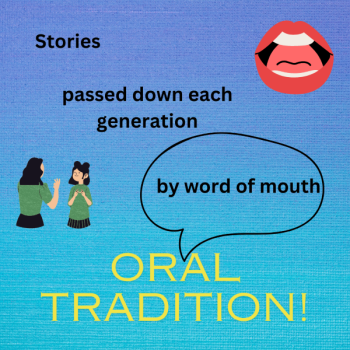
Oral Tradition Makes Literal Bible Reading Challenging
The Intersection of Faith and Life

Can You Read the Bible Literally with Varied...
The Intersection of Faith and Life

The Intersection of Faith and Life

Will the U.S. Warehouse People with Disabilities?
The Intersection of Faith and Life
TRENDING AT PATHEOS Progressive Christian

What Being a Modern-Day Apostle Means to Me
In my last column, I discussed the ins and outs of modern-day...

Did Ancient China Once Worship the God of...
Across human history, a common thread weaves through the origins of the...

Love Your Neighbor – Including Earth-Kin: Lev. 19,...
God’s command to love your neighbor means acting in an ethical and...

Lead a Church Study of “Jesus and Lao...
Guest writer Jack Thomas (The Irreverent Reverend) reflects on leading his church...

Pastoral Wisdom for Responding to Sermon Pushback
Getting sermon pushback on your social justice sermon? Learn practical, Proverbs-based strategies...

Principles for Understanding the Apostolic Ministry Today
Whenever people discover that my formal ministry title is "apostle," as in...
view all Progressive Christian blogs
Ad-Free & Subscriber Log-In Subscription Support
- About Us
- 2026 Calendar
- Videos
- Podcasts
- Library of World Religions
- Faith In Media Tracker
- Advertise With Us
- Write for Us
- Privacy Policy
- Terms of Service
- Do Not Sell My Data
- Contact Us
- Radiant Digital
- Manage Newsletter Subscriptions
- Unsubscribe From Notifications
- Sitemap
Copyright 2008-2026, Patheos. All rights reserved.
Subscription Support Ad-Free & Subscriber Log-In
Follow Patheos