
BuddhistCatholicContemplativeEvangelicalGeneral ChristianHinduJewishLatter-day SaintMuslimNew VisionsProgressive Christian
Beliefs
- Buddhist
- Catholic
- Contemplative
- Evangelical
- General Christian
- Hindu
- Jewish
- Latter-day Saint
- More Voices
- Muslim
- New Visions
- Pagan
- Progressive Christian
Topics
- Religion News
- Food and Religion
- Sports and Religion
- Religious Art
- Religious Music and Entertainment
- Religious Events
- History and Religion
- Style and Religion
- Politics and Religion
- Women in Religion
- Recreation Outdoors and Religion
- Business Finance and Religion
- Careers Workplace and Religion
- Education and Religion
- Family Parenting and Religion
- Health Fitness and Religion
- Home and Religion
- Relationships and Religion
- Technology and Religion
- Travel and Religion
Columnists
- Buddhist Columnists
- Business Finance and Religion Columnists
- Careers Workplace and Religion Columnists
- Catholic Columnists
- Contemplative Columnists
- Education and Religion Columnists
- Evangelists Columnists
- Family Parenting and Religion Columnists
- General Christian Columnists
- Health Fitness and Religion Columnists
- Hindu Columnists
- History and Religion Columnists
- Home and Religion Columnists
- Jewish Columnists
- More Voices Columnists
- Latter Day Columnists
- Muslim Columnists
- New Visions Columnists
- Nonreligious Columnists
- Pagan Columnists
- Politics and Religion Columnists
- Progressive Columnists
- Recreation Outdoors and Religion Columnists
- Relationships and Religion Columnists
- Religion News Columnists
- Religious Art Columnists
- Religious Events Columnists
- Religious Music and Entertainment Columnists
- Sports and Religion Columnists
- Style and Religion Columnists
- Technology and Religion Columnists
- Travel and Religion Columnists
- Women in Religion Columnists
Resource Library
- 2026 Calendar
- Library of World Religions
- The 100 Most Holy Places on Earth
- Patheos Answers
- Podcasts
- Videos
- Faith Leaders Database
- Anglican Episcopalian
- Bahai
- Baptist
- Buddhism
- Christianity
- Confucianism
- Eastern Orthodoxy
- Hinduism
- Holiness and Pentecostal
- ISKCON
- Islam
- Judaism
- Lutheran
- Methodist
- The Church of Jesus Christ of Latter-day Saints
- New Age
- Paganism
- Presbytarian and Reformed
- Protestantism
- Religion Behind the Scenes
- Roman Catholic
- Scientology
- Shia Islam
- Sikhism
- Sufism
- Sunni Islam
- Taoism
- Zen
- See all religions
Research Tools
 Ad-Free & Subscriber Log-In Subscription Support
Ad-Free & Subscriber Log-In Subscription Support
Follow Patheos 

- Trending:
- Forgiveness
- |
- Marriage
- |
- Consciousness
- |
- Death Penalty
- |
- Election
- |
- Halloween
 The Inner Room
- Home
- Catholic
- The Light and the Darkness
The Light and the Darkness
Last updated on: December 16, 2015 at 6:34 am by Carl "Skye" McColman
The Light and the Darkness 2015-12-14T12:56:48-04:00 Carl "Skye" McColman
Patheos Explore the world's faith through different perspectives on religion and spirituality! Patheos has the views of the prevalent religions and spiritualities of the world.
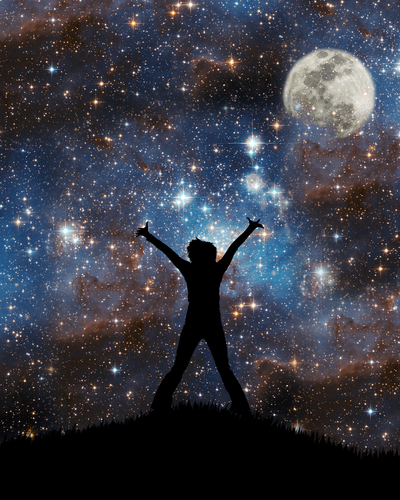
Image courtesy of Shutterstock.
In today’s Mass readings we find this fascinating passage from Isaiah:
I am the LORD, there is no other;
I form the light, and create the darkness,
I make well-being and create woe;
I, the LORD, do all these things. (Isaiah 45:6-7)
Advent is a time when we descend into darkness (at least in the northern hemisphere). The days get shorter and shorter until we reach the Winter Solstice with the longest night of the year. This is a time when we are reminded that both the light and the darkness are held in the hands of God.
Sometimes — even in sacred scripture — “light” and “dark” seem like adversaries. Consider this verse from the first chapter of the Gospel of St. John:
…the light shines in the darkness,
and the darkness has not overcome it. (John 1:5)
John uses light and dark as metaphors for good and evil. It’s a powerful metaphor, and one that even someone without any grounding in religious imagery would understand.
But Isaiah reminds us that there is more to darkness than merely a metaphor for evil. When we use darkness to symbolize evil, we are not being fair to the dark! Because in itself, darkness is not evil: like the light, it is a creation of God, as Isaiah reminds us. And God is not in the business of creating evil, so there must be an essential goodness to darkness.
That’s easy to see, even in a mundane way: darkness provides us with a time for sleep, for rest and rejuvenation; in other words, it’s a time when we prepare for the light of a new day. This has a spiritual dimension as well: darkness reminds us that God is a hidden God (Isaiah 45:15), that there is an essential mystery to God, if for no other reason than human reason is incapable of comprehending the vast splendor of God.
Advent invites us to enter this darkest time of the year, with trust and faith. God is a God of darkness as well as of light. In silence, in trust, and in unknowing, we are invited to wait for the One who comes. When we encounter the “darkness” of God’s mystery, we are called to remain humble and faithful. For God never leaves us in the dark forever: we are always being ushered to a new sunrise — in God’s time, not ours. But as we wait for that new dawn, the waiting itself is a blessing.
Previous Post

December 15, 2015
The Company of Hope
Next Post
December 17, 2015 The Modern Day Desert
Browse Our Archives
Select a Category Advent Awe Hope Lent listening Pentecost Prayer Reflection Silence Solitude Space Uncategorized wonder
Select a Month February 2017 January 2017 November 2016 September 2016 August 2016 July 2016 June 2016 May 2016 April 2016 March 2016 February 2016 January 2016 December 2015
Follow Us!
TAKE THE
Religious Wisdom Quiz
What instrument did David play?
Select your answer to see how you score.
Trumpet Flute Lyre Harp
Related posts from The Inner Room


Curing the Hungry, Feeding the Sick: Caring For...

TRENDING AT PATHEOS Catholic

The Parable Of The Sower And The Word...
One of Christ’s most famous parables is that of the sower who...

Rejecting Doom: Christian Hope And Human Action
Christianity is a religion of hope. We are to have hope and...

Why I Choose the Eucharist Over the Sermon
Choose the Eucharist, Not the Sermon What are we supposed to get...

5 Design Elements Found in Spiritually Rooted Homes
Putting Spirituality Into Home Decor Our homes are more than our living...

Credo: A Story of God Told with the...
About 10 years ago, I began to imagine a personal "Credo" that...

The Anatomy of Divine Revelation in Catholic Thought
The claim that God has made Himself known to human beings is...
view all Catholic blogs
Ad-Free & Subscriber Log-In Subscription Support
- About Us
- 2026 Calendar
- Videos
- Podcasts
- Library of World Religions
- Faith In Media Tracker
- Advertise With Us
- Write for Us
- Privacy Policy
- Terms of Service
- Do Not Sell My Data
- Contact Us
- Radiant Digital
- Manage Newsletter Subscriptions
- Unsubscribe From Notifications
- Sitemap
Copyright 2008-2026, Patheos. All rights reserved.
Subscription Support Ad-Free & Subscriber Log-In
Follow Patheos