
BuddhistCatholicContemplativeEvangelicalGeneral ChristianHinduJewishLatter-day SaintMuslimNew VisionsProgressive Christian
Beliefs
- Buddhist
- Catholic
- Contemplative
- Evangelical
- General Christian
- Hindu
- Jewish
- Latter-day Saint
- More Voices
- Muslim
- New Visions
- Pagan
- Progressive Christian
Topics
- Religion News
- Food and Religion
- Sports and Religion
- Religious Art
- Religious Music and Entertainment
- Religious Events
- History and Religion
- Style and Religion
- Politics and Religion
- Women in Religion
- Recreation Outdoors and Religion
- Business Finance and Religion
- Careers Workplace and Religion
- Education and Religion
- Family Parenting and Religion
- Health Fitness and Religion
- Home and Religion
- Relationships and Religion
- Technology and Religion
- Travel and Religion
Columnists
- Buddhist Columnists
- Business Finance and Religion Columnists
- Careers Workplace and Religion Columnists
- Catholic Columnists
- Contemplative Columnists
- Education and Religion Columnists
- Evangelists Columnists
- Family Parenting and Religion Columnists
- General Christian Columnists
- Health Fitness and Religion Columnists
- Hindu Columnists
- History and Religion Columnists
- Home and Religion Columnists
- Jewish Columnists
- More Voices Columnists
- Latter Day Columnists
- Muslim Columnists
- New Visions Columnists
- Nonreligious Columnists
- Pagan Columnists
- Politics and Religion Columnists
- Progressive Columnists
- Recreation Outdoors and Religion Columnists
- Relationships and Religion Columnists
- Religion News Columnists
- Religious Art Columnists
- Religious Events Columnists
- Religious Music and Entertainment Columnists
- Sports and Religion Columnists
- Style and Religion Columnists
- Technology and Religion Columnists
- Travel and Religion Columnists
- Women in Religion Columnists
Resource Library
- 2026 Calendar
- Library of World Religions
- The 100 Most Holy Places on Earth
- Patheos Answers
- Podcasts
- Videos
- Faith Leaders Database
- Anglican Episcopalian
- Bahai
- Baptist
- Buddhism
- Christianity
- Confucianism
- Eastern Orthodoxy
- Hinduism
- Holiness and Pentecostal
- ISKCON
- Islam
- Judaism
- Lutheran
- Methodist
- The Church of Jesus Christ of Latter-day Saints
- New Age
- Paganism
- Presbytarian and Reformed
- Protestantism
- Religion Behind the Scenes
- Roman Catholic
- Scientology
- Shia Islam
- Sikhism
- Sufism
- Sunni Islam
- Taoism
- Zen
- See all religions
Research Tools
 Ad-Free & Subscriber Log-In Subscription Support
Ad-Free & Subscriber Log-In Subscription Support
Follow Patheos 

- Trending:
- Forgiveness
- |
- Marriage
- |
- Consciousness
- |
- Death Penalty
- |
- Election
- |
- Halloween

- Home
- Catholic
- Choosing to Live a Virtuous Life
Choosing to Live a Virtuous Life
Last updated on: December 1, 2021 at 7:16 pm by Guest Contributor
Choosing to Live a Virtuous Life 2021-12-01T19:16:43-05:00 Guest Contributor
Patheos Explore the world's faith through different perspectives on religion and spirituality! Patheos has the views of the prevalent religions and spiritualities of the world.
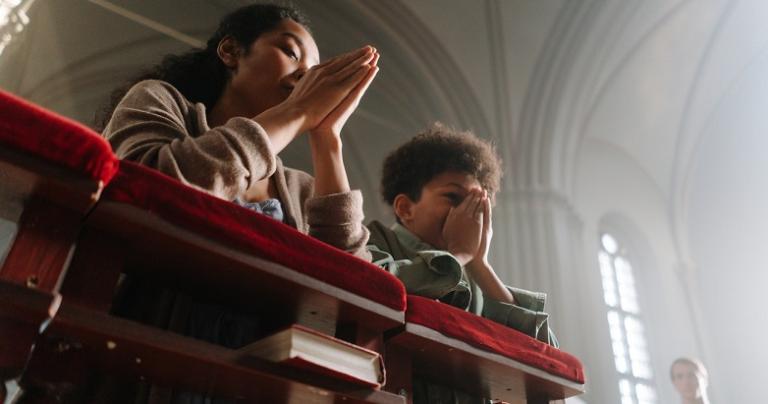
Pexels
By Kate Walsh Soucheray
Choosing to live a virtuous life must be taught in our current culture. We cannot simply expect people to understand or to know what a virtuous life is or how to live a virtuous life. We may have taken for granted that people knew and understood this idea in previous generations.
However, we have moved so far from anything resembling decorum, manners, and virtuous living that it may seem as if we are living in exile from the expectations of treating others respectfully.
The Hebrew people were taken into exile by the Babylonians in the sixth century B.C., and the parents were told by the prophet Jeremiah, “Build your houses, plant your gardens.” Scholars tell us that passage meant that the people were going to be there for a while, so settle in and teach the children what they need to know.
And what was the teaching these parents were to pass on to their children? They were to teach them the Law.
In the times in which they were living, they, too, had become so far from all they learned as they traveled through the desert on their way home to the Promised Land from slavery in Egypt. When they arrived in the land promised to their ancestors, they were clear about what God was asking of them and they lived according to those teachings.
Over a period of four hundred years, however, they became distanced from the Commandments and began to live in harmony with the Gentile cultures around them as they lost touch with the fundamental principles of their faith.
We are no different from these Hebrew people who lost their way, except that it did not take us four hundred years. No, it took five decades!
How could we have lost touch with the fundamental principles of our faith and all that they intended to teach us in a mere fifty years? How much did the teachings mean to us if we lost them that quickly? How well did we understand them and how well integrated were they into our lives if we lost touch with them between the 1960s to today?
It would not take much for us to look back at all that has transpired over the past five decades to understand how this could have happened.
With the changes our Church instituted due to Vatican II, the laity was handed the responsibility to integrate holiness and to teach the faith to their children. They were expected to live according to a well-formed conscience, but they had little knowledge of what that was or how to live it for themselves, let alone how to teach it to their children.
It wouldn’t take much for the intrusion of the Internet and all the misguidance it provided in our lives to see how quickly we could lose our way.
We must return to our faith roots and, just like the Hebrew people held in exile in Babylon, we too must settle into this time, as we realign with our faith. We must re-discover what is essential to us and begin to live it each day, as well as teach our children the precepts of our faith through the example we set.
God always leaves a remnant. We are that remnant, and we cannot ignore for one more minute the responsibility that rests on us to live our faith in simple, clear ways each day, as we set a good example for our children and others.
What can you do today to live your faith in simple ways?
Could you make a commitment to attend Mass this weekend? Could you be sure to visit sites on the Internet that enhance your humanity and the humanity and dignity of others? Could you be honest in every way today? Could you be attentive to turning away from gossip and tamp it down any time you hear it?
What is described here is simply that we must align our lives with the Decalogue, or the Ten Commandments. This is expected of us, and when we do not live according to the guidance these principles set before us, we should not be surprised that we feel so lost and imprudent.
Be a person who provides an example of virtuous living today. Commit yourself to understand what it is to be salt and light for others today.
Spread the good news of Jesus Christ alive and well in our presence through the example you set of living a virtuous life in the right relationship with everyone you meet today. Accept that we may be in exile from all that has made sense in previous generations, but we need not be in exile from the fundamental principles of our faith.
As Catholic Christians, we are expected to understand these principles and live them each day in simple, clear ways.
Previous Post
October 28, 2021
10 Best Audiobooks on Catholicism (2021)
Next Post

December 30, 2021 Creating a Domestic Church
Browse Our Archives
Select a Category abortion abuse art and culture Books Catholic and Gay Catholic identity Catholic Laity Catholic Vocations Catholic Youth Catholicity Cinema clergy scandal Community of Sant’Egidio Culture of Life Editorial Faith Family Father Robert Barron Guest Post In Defense of Christians Marriage Mary Middle East New Evangelization Parenthood Patheos Catholic Poetry politics Pope Poverty Prayer Priesthood Race in America Sacred Art Saints Series sexuality Shaw Synod Uncategorized
Select a Month August 2023 February 2022 January 2022 December 2021 October 2021 September 2021 August 2021 February 2021 January 2021 December 2020 October 2020 August 2020 June 2020 May 2020 April 2020 November 2019 June 2019 May 2019 March 2019 December 2018 October 2018 September 2018 August 2017 July 2017 October 2016 August 2016 July 2016 June 2016 December 2015 September 2015 August 2015 July 2015 June 2015 May 2015 April 2015 March 2015 February 2015 January 2015 December 2014 November 2014 October 2014 September 2014
TAKE THE
Religious Wisdom Quiz
How many books does the Old Testament have?
Select your answer to see how you score.
51 50 39 41
Related posts from The Font
Our Lady of the Heights: Commemorating the Tulsa...
Finding New Life in Memento Mori
10 Best Audiobooks on Catholicism (2021)

TRENDING AT PATHEOS Catholic

Rejecting Doom: Christian Hope And Human Action
Christianity is a religion of hope. We are to have hope and...

It’s What Comes From Within Which Matters
One of the most difficult things for us to understand is why...

Why I Choose the Eucharist Over the Sermon
Choose the Eucharist, Not the Sermon What are we supposed to get...

5 Design Elements Found in Spiritually Rooted Homes
Putting Spirituality Into Home Decor Our homes are more than our living...

Credo: A Story of God Told with the...
About 10 years ago, I began to imagine a personal "Credo" that...

The Anatomy of Divine Revelation in Catholic Thought
The claim that God has made Himself known to human beings is...
view all Catholic blogs
Ad-Free & Subscriber Log-In Subscription Support
- About Us
- 2026 Calendar
- Videos
- Podcasts
- Library of World Religions
- Faith In Media Tracker
- Advertise With Us
- Write for Us
- Privacy Policy
- Terms of Service
- Do Not Sell My Data
- Contact Us
- Radiant Digital
- Manage Newsletter Subscriptions
- Unsubscribe From Notifications
- Sitemap
Copyright 2008-2026, Patheos. All rights reserved.
Subscription Support Ad-Free & Subscriber Log-In
Follow Patheos