
BuddhistCatholicContemplativeEvangelicalGeneral ChristianHinduJewishLatter-day SaintMuslimNew VisionsProgressive Christian
Beliefs
- Buddhist
- Catholic
- Contemplative
- Evangelical
- General Christian
- Hindu
- Jewish
- Latter-day Saint
- More Voices
- Muslim
- New Visions
- Pagan
- Progressive Christian
Topics
- Religion News
- Food and Religion
- Sports and Religion
- Religious Art
- Religious Music and Entertainment
- Religious Events
- History and Religion
- Style and Religion
- Politics and Religion
- Women in Religion
- Recreation Outdoors and Religion
- Business Finance and Religion
- Careers Workplace and Religion
- Education and Religion
- Family Parenting and Religion
- Health Fitness and Religion
- Home and Religion
- Relationships and Religion
- Technology and Religion
- Travel and Religion
Columnists
- Buddhist Columnists
- Business Finance and Religion Columnists
- Careers Workplace and Religion Columnists
- Catholic Columnists
- Contemplative Columnists
- Education and Religion Columnists
- Evangelists Columnists
- Family Parenting and Religion Columnists
- General Christian Columnists
- Health Fitness and Religion Columnists
- Hindu Columnists
- History and Religion Columnists
- Home and Religion Columnists
- Jewish Columnists
- More Voices Columnists
- Latter Day Columnists
- Muslim Columnists
- New Visions Columnists
- Nonreligious Columnists
- Pagan Columnists
- Politics and Religion Columnists
- Progressive Columnists
- Recreation Outdoors and Religion Columnists
- Relationships and Religion Columnists
- Religion News Columnists
- Religious Art Columnists
- Religious Events Columnists
- Religious Music and Entertainment Columnists
- Sports and Religion Columnists
- Style and Religion Columnists
- Technology and Religion Columnists
- Travel and Religion Columnists
- Women in Religion Columnists
Resource Library
- 2026 Calendar
- Library of World Religions
- The 100 Most Holy Places on Earth
- Patheos Answers
- Podcasts
- Videos
- Faith Leaders Database
- Anglican Episcopalian
- Bahai
- Baptist
- Buddhism
- Christianity
- Confucianism
- Eastern Orthodoxy
- Hinduism
- Holiness and Pentecostal
- ISKCON
- Islam
- Judaism
- Lutheran
- Methodist
- The Church of Jesus Christ of Latter-day Saints
- New Age
- Paganism
- Presbytarian and Reformed
- Protestantism
- Religion Behind the Scenes
- Roman Catholic
- Scientology
- Shia Islam
- Sikhism
- Sufism
- Sunni Islam
- Taoism
- Zen
- See all religions
Research Tools
 Ad-Free & Subscriber Log-In Subscription Support
Ad-Free & Subscriber Log-In Subscription Support
Follow Patheos 

- Trending:
- Forgiveness
- |
- Marriage
- |
- Consciousness
- |
- Death Penalty
- |
- Election
- |
- Halloween

- Home
- Catholic
- On the Ethics of Abortion After Rape
On the Ethics of Abortion After Rape
Last updated on: May 20, 2019 at 12:01 pm by guest writer
On the Ethics of Abortion After Rape 2019-05-20T12:01:30-05:00 guest writer
Patheos Explore the world's faith through different perspectives on religion and spirituality! Patheos has the views of the prevalent religions and spiritualities of the world.
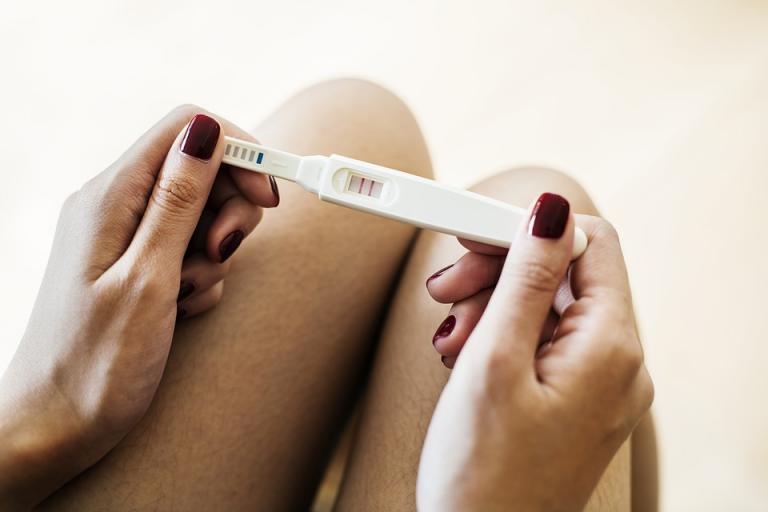
by guest writer Andrew Reising
States around the country have been passing some truly restrictive abortion laws, seemingly for the purpose of having those laws challenged, in the hopes of overturning Roe v. Wade in the Supreme Court.
But in Alabama’s new law, there are provisions that make many conservative pro-lifers feel like they have gone too far. Not only are the penalties laid out in the law extreme (something it shares with Georgia’s new law), but it contains no exception for rape or incest.
Most state laws that have banned or restricted abortions in this country have left exceptions for cases of rape or incest, or to save the mother. This has been true since before Roe was ever decided by SCOTUS.
Some pro-lifers I know have viewed the rape/incest exception as simply necessary from a pragmatic perspective: anti-abortion legislation is a lot less likely to pass if it doesn’t have that exception.
An ethical difference
What I would like to put forth is that, even if we, for the sake of argument, allow that an unborn child is entitled to full human rights, the ethical considerations of abortion after rape are FUNDAMENTALLY DIFFERENT from the ethical considerations of abortion after consensual sex between adults.
To illustrate this, I want to use a classic pro-choice argument: The violinist argument for bodily autonomy.
The argument goes like this:
Let’s say you wake up one day, and you are attached via tubes to an unconscious person in a bed next to yours. It is explained to you that this person is the greatest violinist in the world. They fell ill, and you were discovered to be the perfect match for them. So you had been hooked up to them, so that they might once again regain consciousness. Don’t worry, the process will only take nine months.
The question is then asked:
Should you be required to be hooked up to this person for the next nine months? Or should you be allowed to choose to disconnect, even if it will mean their death?
Or, put another way:
Does the violinist’s right to life give them the right to infringe on your right to bodily autonomy in order to sustain their life? Or does your right to bodily autonomy give you the right to decide whether or not to sacrifice it to sustain the violinist’s life?
The insufficiency of the violinist argument – in most cases.
Now, I have always felt that the violinist/bodily autonomy argument was insufficient on its own to argue that it is ethical for a pregnancy that resulted from sex between consenting adults to be terminated. After all, one of the key components of the violinist example is the complete lack of any choice on the part of the person hooked up to the violinist, while the adult who has consensual sex has made a choice that has the potential in resulting in pregnancy, even if that potential is reduced by the use of contraceptives.
(I want to point out here that this is not a judgment one way or the other on whether there are or are not an ethical arguments that can justify the termination of a pregnancy that is the result of consensual sex between adults, only that this particular argument is insufficient on its own.)
However, in cases of rape, or coercion (which is extremely common in cases of incest), or unwanted insemination (the sex is consensual, but the guy doesn’t use the agreed-upon method of birth control), then the pregnancy is not the result of a choice made by the woman; it is the choice of another, thrust upon her.
Suddenly, the violinist argument becomes very relevant.
If the woman did not make the choice that resulted in the pregnancy, does she have any more responsibility to the unborn child inside her than the person hooked up with the tubes has to the violinist?
From a purely ethical perspective, I would say no. She has not made the choice that led to the situation, therefore she is still entitled to make a choice about the situation. Termination of the pregnancy, if that is what she chooses, would be about restoring her bodily autonomy that was stolen from her by the person who attacked her. As a result, the unborn child’s life would end, but ending the life is not the goal. I would argue that the Principle of Double Effect would come into play.
(I will let better ethicists than I debate whether certain methods of pregnancy termination would more or less licit when it comes to the application of Double Effect.)
Because of this, I would argue that, from an ethical perspective, a rape and incest exception (as well as an involuntary insemination and coercion exception, if those are not included in the given state’s legal definition of rape) must be included in any law banning or restricting abortions, even if we grant that the unborn child is entitled to all human rights.
This is why we must, whether you are pro-life or pro-choice, oppose the lack of a rape exception in Alabama’s law if you believe the life, dignity, and agency of women is something to be preserved.
image credit: pixabay.com/photos/accident-baby-checking-device-3991870/
Previous Post
May 15, 2019
Abortion, Personhood, and the Principle of Double Effect

Browse Our Archives
Select a Category abortion abuse art and culture Books Catholic and Gay Catholic identity Catholic Laity Catholic Vocations Catholic Youth Catholicity Cinema clergy scandal Community of Sant’Egidio Culture of Life Editorial Faith Family Father Robert Barron Guest Post In Defense of Christians Marriage Mary Middle East New Evangelization Parenthood Patheos Catholic Poetry politics Pope Poverty Prayer Priesthood Race in America Sacred Art Saints Series sexuality Shaw Synod Uncategorized
Select a Month August 2023 February 2022 January 2022 December 2021 October 2021 September 2021 August 2021 February 2021 January 2021 December 2020 October 2020 August 2020 June 2020 May 2020 April 2020 November 2019 June 2019 May 2019 March 2019 December 2018 October 2018 September 2018 August 2017 July 2017 October 2016 August 2016 July 2016 June 2016 December 2015 September 2015 August 2015 July 2015 June 2015 May 2015 April 2015 March 2015 February 2015 January 2015 December 2014 November 2014 October 2014 September 2014
TAKE THE
Religious Wisdom Quiz
Who was the last king of Israel before the Assyrian conquest?
Select your answer to see how you score.
Jehoahaz Amon Shallum Hoshea
Related posts from The Font

Prioritizing the Interior Life with Dorothy Day

Making a Difference: Let Us Venture Together from...

Making a Difference: Slavery in the 21st Century

Making a Difference - President Biden: ‘Build Back...
TRENDING AT PATHEOS Catholic

Rejecting Doom: Christian Hope And Human Action
Christianity is a religion of hope. We are to have hope and...

It’s What Comes From Within Which Matters
One of the most difficult things for us to understand is why...

Why I Choose the Eucharist Over the Sermon
Choose the Eucharist, Not the Sermon What are we supposed to get...

5 Design Elements Found in Spiritually Rooted Homes
Putting Spirituality Into Home Decor Our homes are more than our living...

Credo: A Story of God Told with the...
About 10 years ago, I began to imagine a personal "Credo" that...

The Anatomy of Divine Revelation in Catholic Thought
The claim that God has made Himself known to human beings is...
view all Catholic blogs
Ad-Free & Subscriber Log-In Subscription Support
- About Us
- 2026 Calendar
- Videos
- Podcasts
- Library of World Religions
- Faith In Media Tracker
- Advertise With Us
- Write for Us
- Privacy Policy
- Terms of Service
- Do Not Sell My Data
- Contact Us
- Radiant Digital
- Manage Newsletter Subscriptions
- Unsubscribe From Notifications
- Sitemap
Copyright 2008-2026, Patheos. All rights reserved.
Subscription Support Ad-Free & Subscriber Log-In
Follow Patheos