
BuddhistCatholicContemplativeEvangelicalGeneral ChristianHinduJewishLatter-day SaintMuslimNew VisionsProgressive Christian
Beliefs
- Buddhist
- Catholic
- Contemplative
- Evangelical
- General Christian
- Hindu
- Jewish
- Latter-day Saint
- More Voices
- Muslim
- New Visions
- Pagan
- Progressive Christian
Topics
- Religion News
- Food and Religion
- Sports and Religion
- Religious Art
- Religious Music and Entertainment
- Religious Events
- History and Religion
- Style and Religion
- Politics and Religion
- Women in Religion
- Recreation Outdoors and Religion
- Business Finance and Religion
- Careers Workplace and Religion
- Education and Religion
- Family Parenting and Religion
- Health Fitness and Religion
- Home and Religion
- Relationships and Religion
- Technology and Religion
- Travel and Religion
Columnists
- Buddhist Columnists
- Business Finance and Religion Columnists
- Careers Workplace and Religion Columnists
- Catholic Columnists
- Contemplative Columnists
- Education and Religion Columnists
- Evangelists Columnists
- Family Parenting and Religion Columnists
- General Christian Columnists
- Health Fitness and Religion Columnists
- Hindu Columnists
- History and Religion Columnists
- Home and Religion Columnists
- Jewish Columnists
- More Voices Columnists
- Latter Day Columnists
- Muslim Columnists
- New Visions Columnists
- Nonreligious Columnists
- Pagan Columnists
- Politics and Religion Columnists
- Progressive Columnists
- Recreation Outdoors and Religion Columnists
- Relationships and Religion Columnists
- Religion News Columnists
- Religious Art Columnists
- Religious Events Columnists
- Religious Music and Entertainment Columnists
- Sports and Religion Columnists
- Style and Religion Columnists
- Technology and Religion Columnists
- Travel and Religion Columnists
- Women in Religion Columnists
Resource Library
- 2026 Calendar
- Library of World Religions
- The 100 Most Holy Places on Earth
- Patheos Answers
- Podcasts
- Videos
- Faith Leaders Database
- Anglican Episcopalian
- Bahai
- Baptist
- Buddhism
- Christianity
- Confucianism
- Eastern Orthodoxy
- Hinduism
- Holiness and Pentecostal
- ISKCON
- Islam
- Judaism
- Lutheran
- Methodist
- The Church of Jesus Christ of Latter-day Saints
- New Age
- Paganism
- Presbytarian and Reformed
- Protestantism
- Religion Behind the Scenes
- Roman Catholic
- Scientology
- Shia Islam
- Sikhism
- Sufism
- Sunni Islam
- Taoism
- Zen
- See all religions
Research Tools
 Ad-Free & Subscriber Log-In Subscription Support
Ad-Free & Subscriber Log-In Subscription Support
Follow Patheos 

- Trending:
- Forgiveness
- |
- Marriage
- |
- Consciousness
- |
- Death Penalty
- |
- Election
- |
- Halloween

- Home
- Catholic
- Reactive Political Expediency Before a Papal Encyclical
Reactive Political Expediency Before a Papal Encyclical
Last updated on: May 14, 2015 at 8:32 am by Russell Shaw
Reactive Political Expediency Before a Papal Encyclical 2015-05-14T08:32:21-05:00 Russell Shaw
Patheos Explore the world's faith through different perspectives on religion and spirituality! Patheos has the views of the prevalent religions and spiritualities of the world.

Image via Elizabeth Scalia
By Russell Shaw
Not long after St. John XXIII’s social encyclical Mater et Magistra made its appearance in 1961, a wisecrack began making the rounds among Catholics who’d taken umbrage: “Mater, si; magistra, no”—mother, yes; teacher, no. In other words, the Church has a maternal relationship with her members but is not their teacher on matters of an economic, political, and social nature.
While this was what passed for cleverness back then, the cleverness, such as it was, was of a highly destructive variety. Among other things, “Mater, si; magistra, no” helped set the stage for the self-righteous dismissals that greeted publication in 1968 of Pope Paul VI’s encyclical Humanae Vitae reaffirming the Church’s condemnation of contraception.
Just as the smart-aleck rejection of Mater et Magistra amounted to telling the Church to stay out of the arena of social justice, so this response to Humanae Vitae meant the Church should stay out of the bedroom—a tasteful turn of speech time and again employed by some of the encyclical’s more raucous critics.
As time went by, knee-jerk antipathy to Church teaching spread to other areas where dissenters happened not to like what was taught. Now it appears we may be facing a new eruption recalling these earlier events. With publication of Pope Francis’ long-awaited encyclical on the environment apparently imminent, the chorus of dissent is tuning up again. No papal document in years has received so much prejudicial negative comment before it’s been read.
A typical remark by a good Catholic man: “With all the problems we have now, why does the Pope need to talk about climate change?” To which the obvious answer is: When the time comes, read the encyclical and maybe you’ll find out.
In this day and age it should hardly need saying that whether and how humankind rises to the challenge of environmental stewardship are questions carrying serious moral weight. That’s not to say every suggested solution to every environmental problem is necessarily correct. But in matters of ecological morality, Pope Francis has more right than most to be heard. That includes being heard on global warming.
This isn’t the first time a pope has written about ecology. Several recent popes have done that. Consider the passages on the human duty to safeguard the environment in St. John Paul II’s great prolife encyclical of 1995 Evangelium Vitae.
The responsibility of ecological stewardship exists, John Paul said, “not only for the present, but also for future generations.” Then, quoting an earlier encyclical of his, he added: “The dominion granted to man by the Creator is not an absolute power…to dispose of things as one pleases….When it comes to the natural world, we are subject not only to biological laws but also to moral ones, which cannot be violated with impunity” (Evangelium Vitae, 42).
There’s plenty more, here and elsewhere in the writings of John Paul II and other pontiffs, but this much at least should be clear: When Francis speaks on the environment, he won’t be speaking in a vacuum but will be adding his voice to in a growing tradition of ecological teaching by the papal magisterium.
Despite that, though, some Catholics—“emboldened by the internet,” as one writer recently put it—already have taken to the blogs to express their epithet-laden displeasure or do some simple name-calling about what they imagine the Pope will say. Here is a symptom of a pre-existing spirit of pathological contentiousness that threatens to escalate once the new encyclical comes out. This calls for penance and prayer.
Russell Shaw is a freelance writer based in  Washington, D.C., and the author of twenty books, including American Church: The Remarkable Rise, Meteoric Fall, and Uncertain Future of Catholicism in America is available on Kindle. You can email him at [email protected].
Previous Post
May 5, 2015
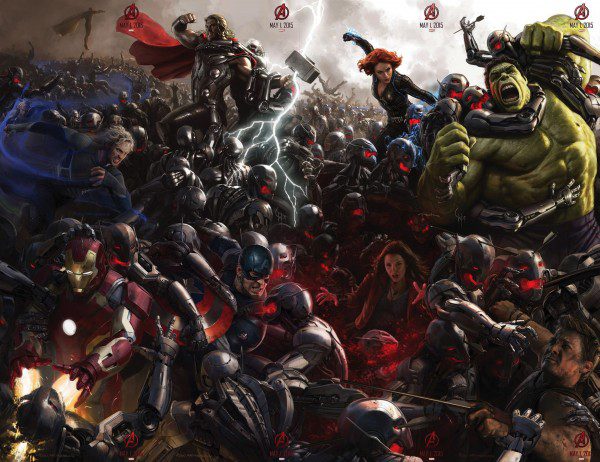
"The Avengers" and Friedrich Nietzsche
Next Post

June 1, 2015 America Embraces Era of Religious Persecution
Recent Comments
Browse Our Archives
Select a Category abortion abuse art and culture Books Catholic and Gay Catholic identity Catholic Laity Catholic Vocations Catholic Youth Catholicity Cinema clergy scandal Community of Sant’Egidio Culture of Life Editorial Faith Family Father Robert Barron Guest Post In Defense of Christians Marriage Mary Middle East New Evangelization Parenthood Patheos Catholic Poetry politics Pope Poverty Prayer Priesthood Race in America Sacred Art Saints Series sexuality Shaw Synod Uncategorized
Select a Month August 2023 February 2022 January 2022 December 2021 October 2021 September 2021 August 2021 February 2021 January 2021 December 2020 October 2020 August 2020 June 2020 May 2020 April 2020 November 2019 June 2019 May 2019 March 2019 December 2018 October 2018 September 2018 August 2017 July 2017 October 2016 August 2016 July 2016 June 2016 December 2015 September 2015 August 2015 July 2015 June 2015 May 2015 April 2015 March 2015 February 2015 January 2015 December 2014 November 2014 October 2014 September 2014
TAKE THE
Religious Wisdom Quiz
What theme is central to both Isaiah and Jeremiah's prophecies?
Select your answer to see how you score.
Genealogy Judgment and restoration Military conquest Priestly leadership
Related posts from The Font
Pastoral Zeal as Priestly Identity
Making a Difference: Let Us Venture Together from...
Making a Difference: Slavery in the 21st Century
Making a Difference - President Biden: ‘Build Back...
TRENDING AT PATHEOS Catholic

The Parable Of The Sower And The Word...
One of Christ’s most famous parables is that of the sower who...

Rejecting Doom: Christian Hope And Human Action
Christianity is a religion of hope. We are to have hope and...

Why I Choose the Eucharist Over the Sermon
Choose the Eucharist, Not the Sermon What are we supposed to get...

5 Design Elements Found in Spiritually Rooted Homes
Putting Spirituality Into Home Decor Our homes are more than our living...

Credo: A Story of God Told with the...
About 10 years ago, I began to imagine a personal "Credo" that...

The Anatomy of Divine Revelation in Catholic Thought
The claim that God has made Himself known to human beings is...
view all Catholic blogs
Ad-Free & Subscriber Log-In Subscription Support
- About Us
- 2026 Calendar
- Videos
- Podcasts
- Library of World Religions
- Faith In Media Tracker
- Advertise With Us
- Write for Us
- Privacy Policy
- Terms of Service
- Do Not Sell My Data
- Contact Us
- Radiant Digital
- Manage Newsletter Subscriptions
- Unsubscribe From Notifications
- Sitemap
Copyright 2008-2026, Patheos. All rights reserved.
Subscription Support Ad-Free & Subscriber Log-In
Follow Patheos