
BuddhistCatholicContemplativeEvangelicalGeneral ChristianHinduJewishLatter-day SaintMuslimNew VisionsProgressive Christian
Beliefs
- Buddhist
- Catholic
- Contemplative
- Evangelical
- General Christian
- Hindu
- Jewish
- Latter-day Saint
- More Voices
- Muslim
- New Visions
- Pagan
- Progressive Christian
Topics
- Religion News
- Food and Religion
- Sports and Religion
- Religious Art
- Religious Music and Entertainment
- Religious Events
- History and Religion
- Style and Religion
- Politics and Religion
- Women in Religion
- Recreation Outdoors and Religion
- Business Finance and Religion
- Careers Workplace and Religion
- Education and Religion
- Family Parenting and Religion
- Health Fitness and Religion
- Home and Religion
- Relationships and Religion
- Technology and Religion
- Travel and Religion
Columnists
- Buddhist Columnists
- Business Finance and Religion Columnists
- Careers Workplace and Religion Columnists
- Catholic Columnists
- Contemplative Columnists
- Education and Religion Columnists
- Evangelists Columnists
- Family Parenting and Religion Columnists
- General Christian Columnists
- Health Fitness and Religion Columnists
- Hindu Columnists
- History and Religion Columnists
- Home and Religion Columnists
- Jewish Columnists
- More Voices Columnists
- Latter Day Columnists
- Muslim Columnists
- New Visions Columnists
- Nonreligious Columnists
- Pagan Columnists
- Politics and Religion Columnists
- Progressive Columnists
- Recreation Outdoors and Religion Columnists
- Relationships and Religion Columnists
- Religion News Columnists
- Religious Art Columnists
- Religious Events Columnists
- Religious Music and Entertainment Columnists
- Sports and Religion Columnists
- Style and Religion Columnists
- Technology and Religion Columnists
- Travel and Religion Columnists
- Women in Religion Columnists
Resource Library
- 2026 Calendar
- Library of World Religions
- The 100 Most Holy Places on Earth
- Patheos Answers
- Podcasts
- Videos
- Faith Leaders Database
- Anglican Episcopalian
- Bahai
- Baptist
- Buddhism
- Christianity
- Confucianism
- Eastern Orthodoxy
- Hinduism
- Holiness and Pentecostal
- ISKCON
- Islam
- Judaism
- Lutheran
- Methodist
- The Church of Jesus Christ of Latter-day Saints
- New Age
- Paganism
- Presbytarian and Reformed
- Protestantism
- Religion Behind the Scenes
- Roman Catholic
- Scientology
- Shia Islam
- Sikhism
- Sufism
- Sunni Islam
- Taoism
- Zen
- See all religions
Research Tools
 Ad-Free & Subscriber Log-In Subscription Support
Ad-Free & Subscriber Log-In Subscription Support
Follow Patheos 

- Trending:
- Forgiveness
- |
- Marriage
- |
- Consciousness
- |
- Death Penalty
- |
- Election
- |
- Halloween
 The Dorothy Option
- Home
- Catholic
- Can We Just Grow Jobs?
Can We Just Grow Jobs?
Last updated on: April 1, 2016 at 10:13 am by Grace Potts
Can We Just Grow Jobs? 2016-04-01T10:13:58-05:00 Grace Potts
Patheos Explore the world's faith through different perspectives on religion and spirituality! Patheos has the views of the prevalent religions and spiritualities of the world.
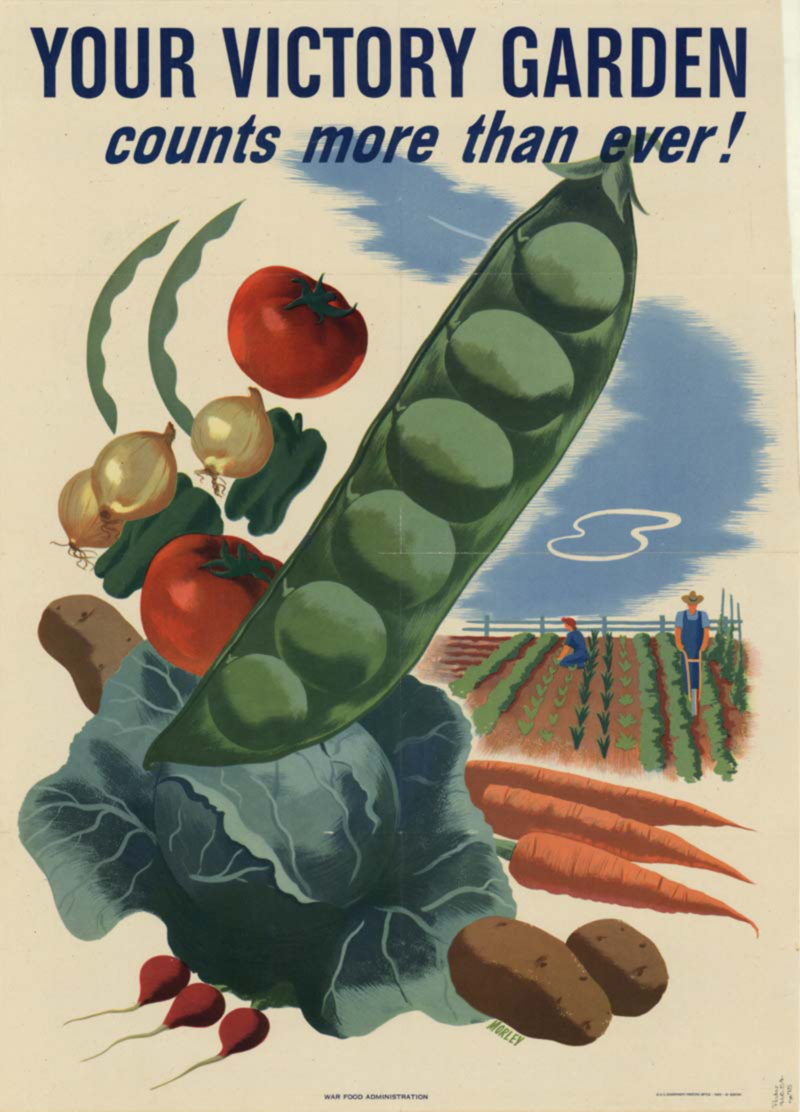 Those of you who know me know I have a few hobby horses I come back to rock on whenever I get the chance. Montessori education. Gardening. Homesteading depopulated upper mid-western cities. Food. Urbanism.
I’m back onto homesteading cities today. I’ve advocated in the past for something like an Urban Homesteading Act. While I still think that or something like it needs to happen, the problem with folks just moving wholesale to American rust belt cities is that there are no or sharply limited jobs – that’s what has turned them into a ‘rust belt’. And it’s tough to be an entrepreneur anywhere, but especially in a cash strapped region. So ultimately I’ve found it hard to press on this subject- I haven’t really seen a practical way to make it all come together for folks. This may no longer be true.
I’m reading a book called The Urban Farmer: Growing Food for Profit on Leased and Borrowed Land, by Curtis Stone. In it, Mr. Stone details how he’s grossing $75,000 USD a year on less than ½ an acre of land using minimal season extension, in British Columbia. In a nutshell, he’s using an agricultural approach called SPIN (Small Plot INtensive) farming, and selling a small cadre of only the most profitable crops, to three demographics: his local farm market, local restaurants, and CSA customers.
He’s earning $75,000 a year on city lawns. With his bike.
So this brought me back to thinking people really can be entrepreneurs in the rust belt, especially when I took a look at what folks are doing on the SPIN website, and how folks are turning a profit in 6 months time. Now no one is earning a fortune, and folks are working some long hard hours in the thick of the growing season- but this isn’t the typical story of agriculture being a dead-end job where no one earns a living. All the barriers to entry are fairly low. It also makes me wonder about the potential of micro dairies and aquaculture in this framework of intensive, small scale farming. Seriously, what about a small herd of dairy ruminants that spent their days eating all the overgrown grass on vacant city lots, providing a cash flow not just for ‘mowing lawns’, but also for the milk they produce? Why couldn’t pools (or tubs in garages) be converted for growing shrimp and fish for the same markets that are buying vegetables? Again, none of these models are making anyone a six figure salary but folks are making and can make a living growing and selling something everyone needs: food. Even if you have little to no money, you need food and you pay something to get it.
Urban agriculture as an answer, however, only raises all kinds of questions. If you’re going to have urban dairy, what about all the manure? Can this entrepreneurial model work everywhere? Zoning? Neighbors? What about food safety? Is it even legal? This is where I think developers come into this idea. If there are folks working on incremental development, they can catalog available land and resources in a city, check it against the local regulations and develop properties that are tailor-made to the needs of SPIN farmers. They can even build some of the local relationships that will be needed to facilitate success for these micro agricultural enterprises. The incentives are aligned for the developer to smooth a clear path for the sort of buyer she is hoping to attract, and to increase the chances of success for the buyer to be successful enough to pay for the property.
The last thing that I think is missing–but can grow–is a culture of food security and in(ter)dependence. We have an indigenous history to build on, but where I think we’re aiming is at a food culture similar to Russia’s dacha gardening.
Russia’s gardening success is quite remarkable: using but a very small portion of the arable land, citizens grow roughly half of their food, in some of the shortest growing seasons on the planet. It bears noting that more than food grows in those gardens. Right alongside the crops grows community knowledge of growing, processing, and storing that food, and a cultural attitude that your food comes from the community you live in. And we can do it here–we have grown food on approaching that scale in Victory Gardens. In four short years, American Victory Gardens were producing 40% of the vegetables in the US. When the push for gardening ended along with the war, and gardens weren’t planted, there was nearly immediately a food shortage. These small gardens–sometimes just containers on window sills–were the difference in food security for Americans.
Not only do we have this cultural memory, but we have vibrant agricultural extension offices throughout the country, literally waiting to help with the effort of communities to grow food for themselves. I mention this aspect of a ‘culture of food security’ because, right now, most Americans see food insecurity as normal. Most folks understand food as coming from a store, and may well rebuff or openly reject the very real value of a patchwork of tiny local farmsteads producing food in their communities. And that–even more than the cost of entry, and the juggling of regulations, and the work of raising food–blocks the viability of micro farms as part of the resurgence of rust belt cities.
I think this is still only a partial answer to repopulating the upper Midwest. We can’t every one of us be a farmer, although many, many of us without question should and there’s no reason a community can’t support a variety of agricultural enterprises. But places and people need more than raw ingredients to eat. We need places of beauty to live in, and clothes to wear, and books to read, and the list is goes on. Then also, asking folks to shift their mores about where their food comes from is not actually a small task. Yet, taken together, these ideas bring the barriers so low, it seems like a natural first step in the right direction.
Community building, models or forms of community, radical hospitality
Poverty, economic inequality, consumerism, unemployment, underemployment, living wage
Previous Post

March 31, 2016
Mother Maria Skobtsova, Martyr of Sobornost’
Next Post

April 4, 2016 Does The Environment Have Rights?
Browse Our Archives
Select a Category Alternative economics, worker and family empowerment, the spirituality of work, the economy of sharing Art Care for Our Common Home Catholic imagination Catholic Social Teaching Christian Friendship Christian Persecution Community building, models or forms of community, radical hospitality Corporal & Spiritual Works of Mercy Daniel Schwindt Dorothy Day, Peter Maurin, CW aims and means, spirituality Elias Crim Grace Potts Greg Guest Josh Brumfield Mark Gordon Matthew Cooper Mercy Michael Stafford Paul Grenier Peace, nonviolent resistance, conscience and conscientious objection Pope Francis Poverty, economic inequality, consumerism, unemployment, underemployment, living wage Racial Reconciliation Radical Christianity Stan Goff Uncategorized
Select a Month October 2020 September 2020 August 2020 June 2020 May 2020 April 2020 March 2020 February 2020 January 2020 December 2019 November 2019 October 2019 September 2019 June 2018 May 2018 April 2018 October 2017 August 2017 July 2017 May 2017 April 2017 March 2017 January 2017 December 2016 November 2016 October 2016 September 2016 August 2016 July 2016 June 2016 May 2016 April 2016 March 2016 February 2016 January 2016
Follow Us!
TAKE THE
Religious Wisdom Quiz
I destroyed the world but saved eight people and many animals in a floating vessel. What am I?
Select your answer to see how you score.
A great storm God's judgment The flood The deluge
Related posts from The Dorothy Option

A Beautiful Memoir of Waging Peace
Shalom versus Pax: On Recovering Ivan Illich
TRENDING AT PATHEOS Catholic

Rejecting Doom: Christian Hope And Human Action
Christianity is a religion of hope. We are to have hope and...

It’s What Comes From Within Which Matters
One of the most difficult things for us to understand is why...

Why I Choose the Eucharist Over the Sermon
Choose the Eucharist, Not the Sermon What are we supposed to get...

5 Design Elements Found in Spiritually Rooted Homes
Putting Spirituality Into Home Decor Our homes are more than our living...

Credo: A Story of God Told with the...
About 10 years ago, I began to imagine a personal "Credo" that...

The Anatomy of Divine Revelation in Catholic Thought
The claim that God has made Himself known to human beings is...
view all Catholic blogs
Ad-Free & Subscriber Log-In Subscription Support
- About Us
- 2026 Calendar
- Videos
- Podcasts
- Library of World Religions
- Faith In Media Tracker
- Advertise With Us
- Write for Us
- Privacy Policy
- Terms of Service
- Do Not Sell My Data
- Contact Us
- Radiant Digital
- Manage Newsletter Subscriptions
- Unsubscribe From Notifications
- Sitemap
Copyright 2008-2026, Patheos. All rights reserved.
Subscription Support Ad-Free & Subscriber Log-In
Follow Patheos