
BuddhistCatholicContemplativeEvangelicalGeneral ChristianHinduJewishLatter-day SaintMuslimNew VisionsProgressive Christian
Beliefs
- Buddhist
- Catholic
- Contemplative
- Evangelical
- General Christian
- Hindu
- Jewish
- Latter-day Saint
- More Voices
- Muslim
- New Visions
- Pagan
- Progressive Christian
Topics
- Religion News
- Food and Religion
- Sports and Religion
- Religious Art
- Religious Music and Entertainment
- Religious Events
- History and Religion
- Style and Religion
- Politics and Religion
- Women in Religion
- Recreation Outdoors and Religion
- Business Finance and Religion
- Careers Workplace and Religion
- Education and Religion
- Family Parenting and Religion
- Health Fitness and Religion
- Home and Religion
- Relationships and Religion
- Technology and Religion
- Travel and Religion
Columnists
- Buddhist Columnists
- Business Finance and Religion Columnists
- Careers Workplace and Religion Columnists
- Catholic Columnists
- Contemplative Columnists
- Education and Religion Columnists
- Evangelists Columnists
- Family Parenting and Religion Columnists
- General Christian Columnists
- Health Fitness and Religion Columnists
- Hindu Columnists
- History and Religion Columnists
- Home and Religion Columnists
- Jewish Columnists
- More Voices Columnists
- Latter Day Columnists
- Muslim Columnists
- New Visions Columnists
- Nonreligious Columnists
- Pagan Columnists
- Politics and Religion Columnists
- Progressive Columnists
- Recreation Outdoors and Religion Columnists
- Relationships and Religion Columnists
- Religion News Columnists
- Religious Art Columnists
- Religious Events Columnists
- Religious Music and Entertainment Columnists
- Sports and Religion Columnists
- Style and Religion Columnists
- Technology and Religion Columnists
- Travel and Religion Columnists
- Women in Religion Columnists
Resource Library
- 2026 Calendar
- Library of World Religions
- The 100 Most Holy Places on Earth
- Patheos Answers
- Podcasts
- Videos
- Faith Leaders Database
- Anglican Episcopalian
- Bahai
- Baptist
- Buddhism
- Christianity
- Confucianism
- Eastern Orthodoxy
- Hinduism
- Holiness and Pentecostal
- ISKCON
- Islam
- Judaism
- Lutheran
- Methodist
- The Church of Jesus Christ of Latter-day Saints
- New Age
- Paganism
- Presbytarian and Reformed
- Protestantism
- Religion Behind the Scenes
- Roman Catholic
- Scientology
- Shia Islam
- Sikhism
- Sufism
- Sunni Islam
- Taoism
- Zen
- See all religions
Research Tools
 Ad-Free & Subscriber Log-In Subscription Support
Follow Patheos 

- Trending:
- Advent
- |
- Forgiveness
- |
- Thanksgiving
- |
- Election
- |
- Seasonal Holidays
- |
- Marriage

- Home
- New Visions
- Health, Fitness and Religion
- Finding Comfort in Solitude
Finding Comfort in Solitude
Last updated on: February 28, 2025 at 9:20 am by Karl J. Forehand
Finding Comfort in Solitude 2025-02-28T09:20:50-06:00 Karl J. Forehand
Patheos Explore the world's faith through different perspectives on religion and spirituality! Patheos has the views of the prevalent religions and spiritualities of the world.

I learned to appreciate my solitude because that was where I uncovered answers within myself. Consequently, I became even more comfortable in public settings and online discussions. | Image AI-Generated in Canva by author.
“Loneliness expresses the pain of being alone and
solitude expresses the glory of being alone.”
– Paul Tillich
We used to advise young married couples, “If you can’t be alone, you shouldn’t be together.” This conveys that understanding our identity and self-awareness is essential before merging our lives with others. Being comfortable with solitude doesn’t mean we are loners or dislike socializing; rather, it signifies that we can engage in meaningful activities independently during quiet moments. Instead of seeking validation from others, we can discover our purpose within our authentic selves.
Even before we started deconstructing, we unexpectedly found ourselves among individuals exploring the more contemplative aspects of religion. We also discovered mystics from various faiths who prioritized experiential spirituality over formal religious practices. Many of these individuals embraced periods of solitude to enrich their journeys, utilizing practices like centering prayer, mindfulness, yoga, and breathwork.
When we realized that many pastors felt lonely and introverted in their personal lives, we also discovered they struggled to remain still, even for five minutes. Fortunately, we found a quietness retreat that encouraged us to embrace stillness and silence for five sessions of twenty minutes each. The first two sessions were challenging, and we didn’t perform very well since we weren’t used to it, but the following sessions proved extremely beneficial. Feeling relaxed and open to the universe is a practice I want to maintain.
Why Solitude?
In her article, Why You Should Find Time to Be Alone With Yourself, Micaela Marini Higgs explains, “Being lonely hurts — it can even negatively impact your health. But the mere act of being alone with oneself doesn’t have to be bad, and experts say it can even benefit your social relationships, improve your creativity and confidence, and help you regulate your emotions so that you can better deal with adverse situations.”[1]
I found it essential to explore the benefits of solitude. Although I was introverted and often avoided social gatherings, another part of me craved achievement and activity whenever possible. During that time, being alone felt more like losing than winning. However, after conducting some personal research and experimenting with various approaches, I learned to appreciate my solitude because that was where I uncovered answers within myself. Consequently, I became even more comfortable in public settings and online discussions.
I soon discovered that my time in solitude was immensely beneficial. It helped me build my self-esteem and self-worth while allowing me to create authentic plans for the near future. Solitude provides valuable time for self-reflection, enabling us to process our thoughts and feelings without distractions. It significantly reduced my stress, improved my mental clarity, boosted my creativity, and deepened my understanding of myself.
Since it is common in deconstruction to experience a degree of PTSD when stepping away from religion, many refer to it as an identity crisis in which we struggle to understand who we are, what we should be doing, and what matters beyond the group. Solitude encourages deep reflection, allowing us to explore our emotions and values without the pressure to conform, which often comes from the group. The nature of groups themselves, not just religion, creates these pressures.
Initially, we may feel lonely in solitude, which isn’t ideal. However, solitude ultimately provides genuine relief from stress and anxiety as we become more comfortable with ourselves. My creativity has significantly grown by embracing this simple solitude as I meditate, listen, and learn new things about myself. Larger groups often press us to conform to group norms and become more like others. We often lack time to look inward and explore our true thoughts and feelings, igniting a deeper, more intuitive journey while offering a fresh perspective on the world around us.
I find that I am more focused when I take time for solitude. It’s often best to tell people, “I don’t know,” to allow myself that alone time, which helps me develop my intuition—a much better guide than public opinion. The last ten years have been a period of significant growth for me. I have worked through many of my internal issues and am now more authentic and present. Solitude feels like recharging my batteries and offering guidance as I reenter the world.
As I mentioned earlier, solitude is beneficial. However, we should be careful to distinguish it from loneliness, which can negatively affect our mental health. This primarily pertains to how I interact with myself when I’m alone. Perhaps because I’m a bit different, not many people attempt to connect with me. I’m still working through this in my therapy sessions to understand its origins and how much of it is my responsibility. If I engage in that “woe is me’ internal dialogue during solitude, I will experience loneliness instead of serenity and peace. Intentional solitude has led to many of my recent accomplishments. Even my recovery from the stroke has benefited from my learning how to slow down intentionally and still my thoughts.
Obstacles to Solitude
In my tradition, practices such as yoga and meditation were viewed as dangerous and linked to the occult, even though we could never fully understand what that meant. These practices were simply part of a list of things we didn’t grasp; thus, we felt compelled to demonize them to shield people from becoming distracted and drawn in by evil. While my tradition promoted a time of silence, it differentiated this from the forms of stillness that had long been embraced in other religions, including Christianity.
When I mentioned the beneficial 30-day yoga challenge I was participating in on Facebook, people came out of the woodwork to warn me about it and pressured me to join them. I mostly received blank stares when I asked, “Why not?” Eventually, a few referred to a Southern Baptist leader who based his opinion solely on one book he had read. The leader didn’t mention any empirical studies, which would require him to deny all the research supporting it. But that didn’t stop the social pressure, prompting me to distance myself from others. We experience social pressure to conform to the group, so it’s essential to use our solitude to prepare for these likely encounters.
I’m a big fan of technology and love that the phone in my hand replaces so many tools from the past. The other day, I thought about the flashlights in my house and the need to buy new batteries. But then I remembered that my phone, like everyone else’s, has a built-in flashlight now. So don’t ask me to condemn technology because I love it and appreciate how it helps me be more productive throughout the day. Yet, like all beneficial technology, our fascination with it can lead us away from valuable solitude and meaningful interactions with others. The same device that allows me to communicate with people instantaneously across the globe can also hinder communication with the person sitting right next to me.
Mindfulness apps and meditation recordings on YouTube can help us connect more deeply with the universe and our intuition. One of my favorite activities is playing meditation sounds or music while practicing stillness.
However, the biggest obstacle to achieving stillness is our wandering thoughts. Sometimes, I visualize a toy box where I can set aside my thoughts without judgment. Other times, I imagine a stream in front of me, with my thoughts represented as rubber ducks. I send each thought into the river, knowing it is circular and that those thoughts will eventually float back. I also like to picture them as little monkeys, letting them play on Monkey Island while I meditate.
Acknowledging that most people encounter this barrier to true solitude and effective mindfulness practices is helpful. Focusing on a single thought, a part of the body, or our breath can help, but everyone deals with the monkey mind.[2]
How to do Solitude?
In his article titled The Science of Solitude and The Power of Being Alone, Peter McGraw states: “It’s a little bit tricky. It’s more important to choose to be in solitude than to choose what you’re doing there or how you’re doing it. You also have to choose it in the right way. You have to not choose it because you’re trying to withdraw from society.”[3]
Since I have written about eight books in the last six years, I’ve realized that writing is a powerful therapy for me. It helps me understand my thoughts and serves as a valuable exercise to process my assumptions, heal my wounds, and clarify my direction. Sometimes, I’m surprised when I read what I’ve written later because it often comes from somewhere deep within me. We were encouraged to journal in Christianity, mainly while reading the Bible or a select group of approved authors. My deepest revelations truly serve as a record of instruction when it was just me and my pen, so to speak.
As mentioned in other sections of this manuscript, mindfulness, and deep breathing are valuable tools for regulating, healing, or simply processing our thoughts for deeper understanding. When we connect with the universe and our inner selves, we are never alone and should not perceive this as loneliness. If you are reading this and questioning it, I encourage you to experience it yourself before deciding.
Focus on the present moment in whatever way feels most comforting to you. Some people find that connecting with nature grounds them and adds meaning to their solitude. Practicing mindfulness can inspire individuals to take mindful walks and remove their shoes to connect with the earth. During the early years of my deconstruction, I would wake up early and sit on my porch without any agenda. As the sounds of nature awakened, I found peace and often gained a deeper understanding and appreciation for everything in the world, not just my small part of it.
Much of what we do in a purposeful solitude practice can be realized when we answer the call to authenticity and explore who we are and what we enjoy. Our intentions will change over time, and as we pause to discover ourselves, we will better understand how to care for ourselves and how to benefit from stillness.
When we look inward, we uncover our own meaning and purpose. This enables us to have something valuable to share with others genuinely.
Be where you are, be who you are, be at peace!
Karl Forehand
Travel Tips for the Desert – Part 3
Travel Tips for the Desert – Part 2
Travel Tips for the Desert – Part 1
Our New Course is ready to review for FREE! Start Here
YouTube Playlist – click here
Religious Trauma Resources
Karl Forehand is a former pastor, podcaster, and award-winning author. His books include Out into the Desert, Leaning Forward, Apparent Faith: What Fatherhood Taught Me About the Father’s Heart, The Tea Shop and Being: A Journey Toward Presence and Authenticity. He is the creator of The Desert Sanctuary podcast and community. He is married to his wife Laura of 35 years and has one dog named Winston. His three children are grown and are beginning to multiply! You can read more about the author here.
[1] https://www.nytimes.com/2019/10/28/smarter-living/the-benefits-of-being-alone.html
Oct. 28, 2019
[2] https://www.andrew.today/p/calm-your-monkey-mind
[3] https://petermcgraw.org/the-science-of-solitude-and-the-power-of-being-alone
Progressive Christian
Health, Fitness and Religion
Family, Parenting and Religion
Previous Post

February 23, 2025
“Like a Fish, Standing on the Beach”
Next Post

March 20, 2025 Organizations Come First-Tim Whitaker & The New Evangelicals
Browse Our Archives
Select a Category Abuse Addiction Advent adventure Alpha Male Animals Answers Attachment Attitude authenticity Authenticty Authentiicity Awareness being Bible Black Community BLM body awarenss book Books Bravery Bullying Bypassing Certainty Certianty Chamge change children Christianity Christmas Church Comfort community Compaasion Compassion Complementarian Complementarianism Conditioning Consciousness Contemplation Control Conversation Converstations Covid-19 Creation Darkness Death Debate deconstruction demons depression desert Devil Disciples discussion Divine dreams Easter Eclipse Empathy Essence evolution evolve faith fatherhood Fear fiction Flood Focus Focusing Focussing Future Genesis Goals God Gratitude grief growth Guns Hate healing Health Heart Hell Holiday Hypnosis ignorance Improvement infallible Inner Child Integrity Intuition Jesus Jezebel Journey King LGBTQ+ Love MAGA Marriage meditation Men Mercy Message metaphysical Mindfulness Misogyny Mourning Music Mystic mystical Narcissism Nationalism Nature New Year Novel Nutrition Organization other Pain Pandemic parenting Pastors Patriarchy Patriotism Personal Growth Plan Poet poets Police politics Power practice praise Prayer presence pro-life Problem Solving Progress prolife Prophet prophets Purity Culture Purpose Queer Questions Racism Rape Rapture reconstruction Recovery Religion Resolutions Restoration Resurrection Retribution Reviews Root Cause Sanctuary Satan SBC Scripture Seeking Self-Care Self-esteem Seminary Sex Shadow shame social justice social media solitude Spirits Spirituality stillness Story Survivor Thanksgiving Theologians Theology Tradition Trauma travel Trump Uncategorized Unchurching Universe Violence Vision Voice Volunteer Vulnerability War Women Word worship Writing
Select a Month November 2026 October 2026 September 2026 August 2026 June 2026 May 2026 April 2026 March 2026 February 2026 November 2025 October 2025 September 2025 August 2025 July 2025 June 2025 May 2025 April 2025 March 2025 February 2025 January 2025 December 2024 November 2024 October 2024 September 2024 August 2024 July 2024 June 2024 May 2024 April 2024 March 2024 February 2024 January 2024 December 2023 November 2023 October 2023 September 2023 August 2023 July 2023 June 2023 May 2023 April 2023 March 2023 February 2023 January 2023 December 2022 November 2022 October 2022 September 2022 August 2022 July 2022 June 2022 May 2022 April 2022 March 2022 February 2022 January 2022 December 2021 November 2021 October 2021 September 2021 August 2021 July 2021 June 2021 May 2021 April 2021 March 2021 February 2021 January 2021 December 2020 November 2020 October 2020 September 2020 August 2020 July 2020 June 2020
Follow Us!
TAKE THE
Religious Wisdom Quiz
Who saw the vision of the valley of dry bones?
Select your answer to see how you score.
Isaiah Jeremiah Daniel Ezekiel
Books by This Author Books by The Desert Sanctuary
Related posts from The Desert Sanctuary

5 Safeguarding Gaps To Examine from NetGrace.org
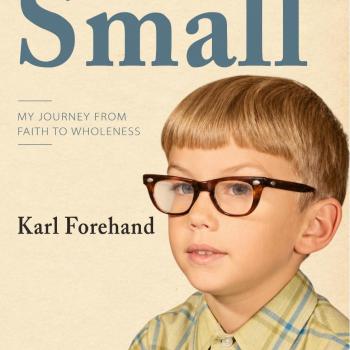
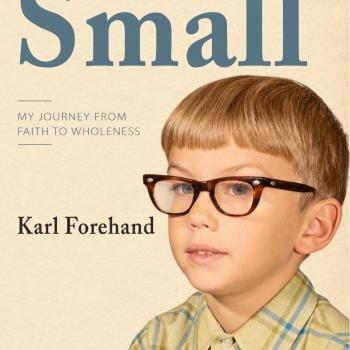
Feeling Small, Examining Beliefs, and Getting Bigger
TRENDING AT PATHEOS New Visions

Smart people saying smart things (11.24.26)
Please take time to listen to Perry Bacon, Sarah Posner, Adam Serwer,...

The Contingency of Our Technology
Last week we were hit with a raft of massive technology outages....

In 1939, President Franklin D. Roosevelt moved Thanksgiving from November 30 to...

Reasons for Restraint: Ricardo Gonzalez, Florida and Dec...
The Morning of January 3 I begin with the dead. On the...

I published this column for Thanksgiving 2012 in the Deseret News....

For many years, Catholicism has been caught up in division over the...
view all New Visions blogs
Ad-Free & Subscriber Log-In Subscription Support
- About Us
- 2026 Calendar
- Videos
- Podcasts
- Library of World Religions
- Faith In Media Tracker
- Advertise With Us
- Write for Us
- Privacy Policy
- Terms of Service
- Do Not Sell My Data
- Contact Us
- Radiant Digital
- Manage Newsletter Subscriptions
- Unsubscribe From Notifications
- Sitemap
Copyright 2008-2026, Patheos, part of the Radiant Digital network of media brands. All rights reserved.
Subscription Support Ad-Free & Subscriber Log-In
Follow Patheos