
BuddhistCatholicContemplativeEvangelicalGeneral ChristianHinduJewishLatter-day SaintMuslimNew VisionsProgressive Christian
Beliefs
- Buddhist
- Catholic
- Contemplative
- Evangelical
- General Christian
- Hindu
- Jewish
- Latter-day Saint
- More Voices
- Muslim
- New Visions
- Pagan
- Progressive Christian
Topics
- Religion News
- Food and Religion
- Sports and Religion
- Religious Art
- Religious Music and Entertainment
- Religious Events
- History and Religion
- Style and Religion
- Politics and Religion
- Women in Religion
- Recreation Outdoors and Religion
- Business Finance and Religion
- Careers Workplace and Religion
- Education and Religion
- Family Parenting and Religion
- Health Fitness and Religion
- Home and Religion
- Relationships and Religion
- Technology and Religion
- Travel and Religion
Columnists
- Buddhist Columnists
- Business Finance and Religion Columnists
- Careers Workplace and Religion Columnists
- Catholic Columnists
- Contemplative Columnists
- Education and Religion Columnists
- Evangelists Columnists
- Family Parenting and Religion Columnists
- General Christian Columnists
- Health Fitness and Religion Columnists
- Hindu Columnists
- History and Religion Columnists
- Home and Religion Columnists
- Jewish Columnists
- More Voices Columnists
- Latter Day Columnists
- Muslim Columnists
- New Visions Columnists
- Nonreligious Columnists
- Pagan Columnists
- Politics and Religion Columnists
- Progressive Columnists
- Recreation Outdoors and Religion Columnists
- Relationships and Religion Columnists
- Religion News Columnists
- Religious Art Columnists
- Religious Events Columnists
- Religious Music and Entertainment Columnists
- Sports and Religion Columnists
- Style and Religion Columnists
- Technology and Religion Columnists
- Travel and Religion Columnists
- Women in Religion Columnists
Resource Library
- 2026 Calendar
- Library of World Religions
- The 100 Most Holy Places on Earth
- Patheos Answers
- Podcasts
- Videos
- Faith Leaders Database
- Anglican Episcopalian
- Bahai
- Baptist
- Buddhism
- Christianity
- Confucianism
- Eastern Orthodoxy
- Hinduism
- Holiness and Pentecostal
- ISKCON
- Islam
- Judaism
- Lutheran
- Methodist
- The Church of Jesus Christ of Latter-day Saints
- New Age
- Paganism
- Presbytarian and Reformed
- Protestantism
- Religion Behind the Scenes
- Roman Catholic
- Scientology
- Shia Islam
- Sikhism
- Sufism
- Sunni Islam
- Taoism
- Zen
- See all religions
Research Tools
 Ad-Free & Subscriber Log-In Subscription Support
Ad-Free & Subscriber Log-In Subscription Support
Follow Patheos 

- Trending:
- Forgiveness
- |
- Marriage
- |
- Consciousness
- |
- Death Penalty
- |
- Election
- |
- Halloween

- Home
- New Visions
- Relationships and Religion
- Why is God’s Punishment So Extreme?
Why is God’s Punishment So Extreme?
Last updated on: September 20, 2025 at 7:47 am by Karl J. Forehand
Why is God’s Punishment So Extreme? 2025-07-14T07:51:43-06:00 Karl J. Forehand
Patheos Explore the world's faith through different perspectives on religion and spirituality! Patheos has the views of the prevalent religions and spiritualities of the world.

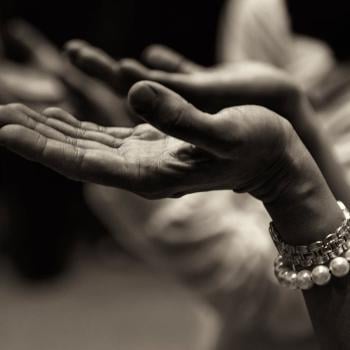
Photo by Ron Lach : https://www.pexels.com
Excerpt from the book Campfires in the Desert: A Deconstruction Travel Guide Copyright © 2025 by Karl Forehand
Why is God’s Punishment So Extreme?
“Questions are the engines of intellect, the cerebral machines which convert energy to motion.” – Eric C. Eichinger
I often joke about the saying, “Our parents spanked us, and we turned out okay.” I’ve pointed out that those who make such claims are seldom the best examples of having “turned out okay.” Like many, I occasionally lost my cool and felt frustrated when my children made a mess, broke valuable items, or when a puppy chewed up a couch for no reason. Life’s surprises can trigger our past wounds and lead us to respond from a more primitive part of our brains.
It’s a reaction! It’s a trigger! We respond almost instinctively, often before we can engage our rational thinking to address the situation thoughtfully. To avoid this automatic reaction, we diligently focus on healing the trauma that causes these triggers. We also practice self-regulation techniques, such as deep breathing, to calm ourselves before taking actions we might later regret. This process involves personal growth, maturity, and acting responsibly in our environments.
We encourage our children from a young age not to respond impulsively to every challenge they face. We guide them in managing their anger, sharing with others, and showing kindness. In the Christian tradition, Jesus highlighted the importance of loving one’s neighbor and treating others as we want to be treated. Developing self-control, especially when caring for a pet or a child, requires time, practice, and maturity. We must learn to pause and regain our composure before harming anyone else.
Managing life’s stressors takes years of practice and conditioning. When individuals break the rules, rather than ignoring their actions, we learn to respond in reasonable ways that avoid violence or other harmful behaviors, especially toward our children. If we excuse poor behavior based on others’ actions, we fail to be mature, compassionate, loving, or healthy. We avoid excessive control driven by fear and implement corrections tailored to each offense.
I mention this because the God of Christianity seems unreasonable regarding our wrongdoings and the punishments that follow. While we believe we have moved past severe penalties for minor infractions, the God of Christianity appears even more unforgiving. According to the narrative, even a minor transgression, like lying to our parents (something we have all done) or pushing a classmate, results in a sentence of eternal conscious torment (Hell) from God, regardless of how trivial the offense may be.
It’s essential to recognize that the teachings of Christianity can be confusing and inconsistent, permitting practices such as slavery while prohibiting the consumption of pork. The accounts in the Old Testament are often violent, and God’s portrayal there appears to be equally unforgiving. Furthermore, this God is depicted not just as punitive but also as one who reportedly destroyed all of humanity due to their failures within the framework He established.
Good fathers prioritize restoration over retribution, exemplified by Jesus’ compassion during his time. However, if both are considered God, a conflict arises since God cannot embody retribution and restoration simultaneously. Trust in His judgment becomes questionable if He misjudges circumstances, believing it is acceptable to condemn someone eternally for not understanding the rules or for succumbing to their passions.
We have all contemplated the downfall of our “enemies,” wishing dreadful things upon them. We were hurt, and for a time, we simmered with anger until we no longer had enough time to process our pain. Sometimes, we forgive them or learn to establish boundaries. As we deal with narcissists, we often make excuses for them, just as many people do for God. His unpredictable approach to justice seems more than excessive; it is not the behavior of a responsible adult and likely fosters fear and insecurity in humans rather than promoting maturity.
Is it acceptable to support, worship, finance, and empower someone with a narcissistic personality who has such a distorted view of fairness and judgment?
In a previous chapter, I noted that many of these perspectives were developed long after Jesus’s life. I cannot invest time in a theologian, pastor, or anyone who supports this dysfunctional view of the divine. While it may help justify our wars and wrongdoings, it will never contribute to the higher ideals of Christianity.
I have reached a point where I cannot imagine torturing a bug or an animal, let alone a human being. I sincerely hope those who lead immoral lives can find restoration and face the shame and guilt stemming from their actions. I hope they will eventually feel remorse and, if possible, receive forgiveness from their victims. I do not share the belief of some former pastors who suggest that humans are “deserving of hell.” My children are imperfect, which can sometimes frustrate me; however, we have learned to navigate our lives more effectively, developing greater maturity and a close relationship. Retribution does not address long-term issues; it merely intensifies them.
I hope we all can heal from our trauma, respond more positively to life’s challenges, and release the idea of an angry, manipulative deity who tortures humans, reminiscent of how some of us might have treated bugs in our childhood. Such a perspective isn’t beneficial for anyone; it simply fuels anxiety, depression, and harmful thoughts toward us and others.
Questions About Questions
What belief(s) did you inherit concerning this question?
How is your response to this question changing?
Learn to be Where You Are (Presence)
Learn to be Who You Are (Authenticity)
Finding Regulating and Somatic Healing
Are you genuinely committed to deconstruction and seeking more profound answers?
If that’s the case, this book was created for you. As a former pastor, I made the mistake of deconstructing a bit and then trying to start something new, as I was trained to do. The problem with that approach is that I wasn’t ready to begin something new.

I hadn’t delved deeply enough or asked enough questions. The first stage of deconstruction typically includes assessing our beliefs regarding hell and the afterlife, supporting queer individuals and women in their fight for equality, and achieving a better understanding of racism and privilege.
Many people in deconstruction communities expend significant effort criticizing Evangelicals and attempting to gain a following. While I believe they deserve intense criticism, this strategy fails to effectively tackle the problem because they generally don’t listen to us!
Our tendency to punish our former organizations sometimes overlooks the challenging process of healing and growth. It is the same trap we fell into in our former associations.

Campfires occupy a special spot in the mosaic of history. They act as communal hubs across different cultures and faiths. The campfire’s circular design fosters equal participation within the collective group. The flames at the center draw our focus and encourage face-to-face interactions as we exchange experiences, wisdom, and insights about the world beyond. It is where legendary myths and tales are born.
Order Now – Study Questions in each chapter!
This book is named Campfires in the Desert as it stems from nearly 400 discussions we held with individuals on our podcast, The Desert Sanctuary, and our aspiration to improve.
Available now!
Thanks for considering us, autographed copies are $20
Karl Forehand Campfires in the Desert – A Soft Book Release. Karl Forehand is a former pastor, podcaster, and award-winning author. His books include Out into the Desert, Leaning Forward, Apparent Faith: What Fatherhood Taught Me About the Father’s Heart, The Tea Shop, and Being: A Journey Toward Presence and Authenticity. He is the creator of The Desert Sanctuary podcast and community. He has been married to his wife Laura for 35 years and has one dog named Winston. His three children are grown and are beginning to multiply! You can read more about the author here.
Progressive Christian
Relationships and Religion
Family, Parenting and Religion
Previous Post

September 18, 2025
Losing the Plot
Next Post

September 27, 2025 Are We Addicted to Religion?
Browse Our Archives
Select a Category Abuse Addiction Advent adventure Alpha Male Animals Answers Attachment Attitude authenticity Authenticty Authentiicity Awareness being Bible Black Community BLM body awarenss book Books Bravery Bullying Bypassing Certainty Certianty Chamge change children Christianity Christmas Church Comfort community Compaasion Compassion Complementarian Complementarianism Conditioning Consciousness Contemplation Control Conversation Converstations Covid-19 Creation Darkness Death Debate deconstruction demons depression desert Devil Disciples discussion Divine dreams Easter Eclipse Empathy Essence evolution evolve faith fatherhood Fear fiction Flood Focus Focusing Focussing Future Genesis Goals God Gratitude grief growth Guns Hate healing Health Heart Hell Holiday Hypnosis ignorance Improvement infallible Inner Child Integrity Intuition Jesus Jezebel Journey King LGBTQ+ Love MAGA Marriage meditation Men Mercy Message metaphysical Mindfulness Misogyny Mourning Music Mystic mystical Narcissism Nationalism Nature New Year Novel Nutrition Organization other Pain Pandemic parenting Pastors Patriarchy Patriotism Personal Growth Plan Poet poets Police politics Power practice praise Prayer presence pro-life Problem Solving Progress prolife Prophet prophets Purity Culture Purpose Queer Questions Racism Rape Rapture reconstruction Recovery Religion Resolutions Restoration Resurrection Retribution Reviews Root Cause Sanctuary Satan SBC Scripture Seeking Self-Care Self-esteem Seminary Sex Shadow shame social justice social media solitude Spirits Spirituality stillness Story Survivor Thanksgiving Theologians Theology Tradition Trauma travel Trump Uncategorized Unchurching Universe Violence Vision Voice Volunteer Vulnerability War Women Word worship Writing
Select a Month September 2026 August 2026 June 2026 May 2026 April 2026 March 2026 February 2026 November 2025 October 2025 September 2025 August 2025 July 2025 June 2025 May 2025 April 2025 March 2025 February 2025 January 2025 December 2024 November 2024 October 2024 September 2024 August 2024 July 2024 June 2024 May 2024 April 2024 March 2024 February 2024 January 2024 December 2023 November 2023 October 2023 September 2023 August 2023 July 2023 June 2023 May 2023 April 2023 March 2023 February 2023 January 2023 December 2022 November 2022 October 2022 September 2022 August 2022 July 2022 June 2022 May 2022 April 2022 March 2022 February 2022 January 2022 December 2021 November 2021 October 2021 September 2021 August 2021 July 2021 June 2021 May 2021 April 2021 March 2021 February 2021 January 2021 December 2020 November 2020 October 2020 September 2020 August 2020 July 2020 June 2020
Follow Us!
TAKE THE
Religious Wisdom Quiz
How many disciples did Jesus have?
Select your answer to see how you score.
Seven Twelve Twenty Ten
Books by This Author Books by The Desert Sanctuary
Related posts from The Desert Sanctuary

Good Questions – Shouldn't God Get Rid of...
Good Questions – Part 2 – Get Rid...

TRENDING AT PATHEOS New Visions

Janie Learns the Way of the Cross: A...
Teaching children about Jesus' Passion can be challenging. Many parents and educators...

Looking For Good Catholic Writing - October 2026
He alone extends the heavens, and he walks upon the waves of...

In "Irreplaceable," our book on vocation and technology, Trevor Sutton and I...

I was strolling through the top floor of the brand new Parthenon...

What Does Gêvâh Mean For Kimberley Guifoyle &...
This week, a lot of the news is focused on Kimberly Guilfoyle....

INNER CIRCLE: Profound Mystery (Of Christ In All...
Ephesians 5:31-32 “For this reason, a man will leave his father and...
view all New Visions blogs
Ad-Free & Subscriber Log-In Subscription Support
- About Us
- 2026 Calendar
- Videos
- Podcasts
- Library of World Religions
- Faith In Media Tracker
- Advertise With Us
- Write for Us
- Privacy Policy
- Terms of Service
- Do Not Sell My Data
- Contact Us
- Radiant Digital
- Manage Newsletter Subscriptions
- Unsubscribe From Notifications
- Sitemap
Copyright 2008-2026, Patheos. All rights reserved.
Subscription Support Ad-Free & Subscriber Log-In
Follow Patheos