
BuddhistCatholicContemplativeEvangelicalGeneral ChristianHinduJewishLatter-day SaintMuslimNew VisionsProgressive Christian
Beliefs
- Buddhist
- Catholic
- Contemplative
- Evangelical
- General Christian
- Hindu
- Jewish
- Latter-day Saint
- More Voices
- Muslim
- New Visions
- Pagan
- Progressive Christian
Topics
- Religion News
- Food and Religion
- Sports and Religion
- Religious Art
- Religious Music and Entertainment
- Religious Events
- History and Religion
- Style and Religion
- Politics and Religion
- Women in Religion
- Recreation Outdoors and Religion
- Business Finance and Religion
- Careers Workplace and Religion
- Education and Religion
- Family Parenting and Religion
- Health Fitness and Religion
- Home and Religion
- Relationships and Religion
- Technology and Religion
- Travel and Religion
Columnists
- Buddhist Columnists
- Business Finance and Religion Columnists
- Careers Workplace and Religion Columnists
- Catholic Columnists
- Contemplative Columnists
- Education and Religion Columnists
- Evangelists Columnists
- Family Parenting and Religion Columnists
- General Christian Columnists
- Health Fitness and Religion Columnists
- Hindu Columnists
- History and Religion Columnists
- Home and Religion Columnists
- Jewish Columnists
- More Voices Columnists
- Latter Day Columnists
- Muslim Columnists
- New Visions Columnists
- Nonreligious Columnists
- Pagan Columnists
- Politics and Religion Columnists
- Progressive Columnists
- Recreation Outdoors and Religion Columnists
- Relationships and Religion Columnists
- Religion News Columnists
- Religious Art Columnists
- Religious Events Columnists
- Religious Music and Entertainment Columnists
- Sports and Religion Columnists
- Style and Religion Columnists
- Technology and Religion Columnists
- Travel and Religion Columnists
- Women in Religion Columnists
Resource Library
- 2026 Calendar
- Library of World Religions
- The 100 Most Holy Places on Earth
- Patheos Answers
- Podcasts
- Videos
- Faith Leaders Database
- Anglican Episcopalian
- Bahai
- Baptist
- Buddhism
- Christianity
- Confucianism
- Eastern Orthodoxy
- Hinduism
- Holiness and Pentecostal
- ISKCON
- Islam
- Judaism
- Lutheran
- Methodist
- The Church of Jesus Christ of Latter-day Saints
- New Age
- Paganism
- Presbytarian and Reformed
- Protestantism
- Religion Behind the Scenes
- Roman Catholic
- Scientology
- Shia Islam
- Sikhism
- Sufism
- Sunni Islam
- Taoism
- Zen
- See all religions
Research Tools
 Ad-Free & Subscriber Log-In Subscription Support
Ad-Free & Subscriber Log-In Subscription Support
Follow Patheos 

- Trending:
- Forgiveness
- |
- Marriage
- |
- Consciousness
- |
- Death Penalty
- |
- Election
- |
- Halloween

- Home
- New Visions
- Health, Fitness and Religion
- Learn From Survivor Stories
Learn From Survivor Stories
Last updated on: June 28, 2025 at 4:26 am by Karl J. Forehand
Learn From Survivor Stories 2025-06-18T07:06:27-06:00 Karl J. Forehand
Patheos Explore the world's faith through different perspectives on religion and spirituality! Patheos has the views of the prevalent religions and spiritualities of the world.

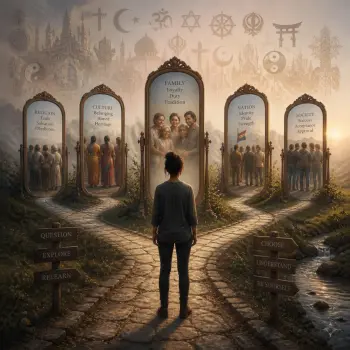
Photo by MART PRODUCTION: Pexels
Excerpt from the book Campfires in the Desert: A Deconstruction Travel Guide Copyright © 2025 by Karl Forehand
Learn From Survivor Stories
“Just listening is what turns a victim into a survivor.”
– Christine Ristaino
When we ask women who have survived abuse and narcissistic relationships within organized religion what men can do to help the situation, they almost always express a desire for men to listen to their survivor stories. Religion encourages us to study theology, leadership, and growth practices. Unfortunately, survivors’ stories are often overlooked due to the time needed to build relationships and foster effective communication.
It is vital for survivors of various forms of abuse, neglect, and harmful community practices to share their stories and have someone listen with empathy. This communicates to the survivor, “I hear you,” and helps transform them from victims into survivors. Listening to what they want to express and having the patience to understand their words is essential. Sometimes, this takes 20 minutes, while at other times, it may take an hour and a half. Everyone who has endured trauma from a system needs both allies and advocates. While advocates challenge systems, allies create a space for victims and survivors to share their stories.
For those of us who have been pastors, we often hear about issues like trauma and convince ourselves that we can challenge the system that created it. While this is a noble pursuit, it comes with challenges, as high-control systems and families resist change. When they allow abuse to persist, leaders often prioritize the system over the individual, making confrontation difficult. However, even if we cannot advocate for survivors prepared to share their stories, we can listen to them and believe what they tell us.
I say, “Listen and believe,” because victims and survivors consistently tell us that. False reporting occurs at an extremely low rate, as low as 2%.[1] This means that these victims are truthful 98% of the time. Reflect on the reality of abuse and consider how much a survivor risks by sharing their experience. The power imbalance in many religions and high-control families is one of the factors that allow abuse to persist. When someone shares their story with us, we acknowledge that trauma and abuse have likely undermined their entire lives, making the destruction of the abuser’s career seem trivial compared to what they endure for speaking out.
Ending the Culture of Silence
When individuals choose not to speak up in a group, the primary reason is often fear. It may also arise from feelings of intimidation or social agreements that discourage discussing specific topics outside the group. They might be worried about the consequences of voicing their opinions, especially in high-control families, religions, or other cult-like organizations.
My son recently visited from overseas, and we finally had all our children and grandchildren together for the first time in a long time. Although we faced communication challenges due to our past experiences, we discussed issues we had never addressed. As I mentioned, “We are still not perfect,” but at least we recognized that we could be honest with one another. While it was somewhat painful, we understood that the world wouldn’t end if we expressed our wants or dislikes, even if the topic was as simple as pizza.
The term “culture of silence” likely originates from Paulo Freire, who used it to describe how people suppress discussing their experiences. When we talk to survivors on our podcast, they sometimes refer to it as “getting small” when they conform to the norms of the group or family to avoid causing conflict. This fear of repercussions from speaking out or complaining can hinder open communication and problem-solving for the group or family.
When people cannot speak freely, especially about their wounds, we may struggle to address our society’s most critical issues. Workplaces, communities, and families must create safe spaces where individuals feel comfortable discussing their concerns without fear of retaliation. The best way to achieve this is for leaders to demonstrate that honest communication will not be used against whistleblowers.
From Victim to Survivor
When victims share their stories, they begin to transform into survivors. They transition from a state of powerlessness to a deep sense of empowerment. By listening to them, we become allies in their healing journey. They adopt a new identity to carry into the future instead of the label imposed by their abusers to keep them feeling small and silent.
When the victim shares their story, they should focus on the tragedy of what happened. However, as they recount their experiences, they focus on rebuilding their lives. We often notice that while individuals share their experiences of abuse, they sometimes say, “I’ve never revealed this much of my story before.” Afterward, they display a renewed sense of empowerment, evident in their body language and choice of words.
It is essential not to overlook suffering by disguising it with positive language and clichés. This approach only perpetuates the problem. However, when victims share their struggles and experiences openly, they can emerge as survivors and begin to envision the positive aspects they desire for their future lives.
We also remind survivors to share as much or as little as they wish when telling their stories. As I mentioned, expressing their stories is essential for communicating with us. We try to avoid interrupting them unless they significantly veer off track due to nerves.
Stories Create Awareness
The first few books I wrote after my deconstruction were essentially survivor stories, even though I didn’t know enough to call them that then. Occasionally, some people questioned my decision to publish them, but I soon realized that the books and blogs I’ve created benefit me just as much as they benefit my audience.
The listener often receives a relatable narrative that connects them to the survivor’s experiences. Readers of my stories may find the words to express their problems and share their stories. These narratives foster empathy because when people hear them, they might think, “Me too!”
Stories are how we learn, remember, and connect with others who share similar experiences. Trauma is a relatively modern concept, even though schools, organizations, and individuals are exploring it. A similar story can validate our experiences and empower us to speak out. If I were the only one, it might be difficult to muster the courage to bring the situation to light. But when we recognize that others have gone through similar situations, we understand it’s a broader issue than just within our immediate group.
We view our podcast not only as a source of information and learning for others but also as a way to educate ourselves. We gain insights from almost every episode as we listen to people’s stories, which resonate with our experiences or introduce new information we hadn’t encountered before.
Stories Matter
Stories help us better understand the world. When someone shares a story about their experiences, it goes beyond the facts of those encounters. Stories also capture nuances that enhance our appreciation of situations different from our own. Even when our narratives are similar, we recognize that human experience is complex; even if the same event happens to two people, they are likely to experience it differently.
Stories also connect us with others. Sometimes, when Laura and I listen to a story, we genuinely feel what the storyteller is going through. They can confirm our assumptions while describing similar experiences in vivid detail. Stories teach us about things we’ve experienced but didn’t fully understand, and they inform us socially about things we have yet to encounter. We have explored practices, shared beliefs, and healing therapies simply because someone mentioned the personal benefits they gained when telling their story.
A story shared with passion can inspire us to engage in the difficult work of healing and understand the roots of our original trauma. Reflecting on my life, I wish I had approached every relationship by asking, “Tell me your story.” I also wish I had listened to every story I encountered without judgment and resisted the temptation to “fix” them. Listening with empathy and compassion is essential.
Stories Are Sacred
At this point, you should recognize that my denomination of origin is the Southern Baptist Convention. My relationship with the scriptures has sometimes been toxic. I agree with Paul that the Bible might be “useful,” but certainly not infallible, immutable, or any other claims we make about this ancient text.
It would have been helpful for me to view the scriptures from my origin story as reflections of the lived experiences of the people who wrote them. I now believe that it’s impossible to honestly know what God is like or what the afterlife will entail when we pass away. Therefore, we create more significant problems when we assume that our holy books are written directly by God or that they possess special powers rather than simply enlightening us about the thoughts and beliefs of the people at the time they were written.
I now refer to theological statements as “assumptions” because I approach theology and religion with genuine appreciation and thorough research, and this is what I discovered. At a certain point in history, someone decided that their oral tradition needed to be permanently recorded. This practice and mindset continue among modern theologians. They reflect on the assumptions of their predecessors, and, influenced by their current culture and various methods of gathering information, they form new assumptions. These new assumptions are documented in new literature, and sometimes, the theologian even charges people to discuss these findings or establishes organizations that accept volunteer labor.
Unfortunately, we took these assumptions too seriously, viewing them as perfect or sacred and considering them timeless guides. We overlooked the aspects of these texts that recount people’s cultural beliefs and the valuable lessons they learned that led them to the truth. Naturally, they also illustrate the mistakes arising from a flawed understanding. Holy texts are often more about how not to think than about an assumption that is universally true for everyone.
When a survivor says, “This is how I see God now,” we tell them their story is sacred. It’s not about measuring their story against the narrative inherited from others’ assumptions but about honoring it as something precious and valuable.
Stories aren’t just about God and the afterlife. They are also about the human experience. If we are going to believe that there is divinity, we should deeply investigate the idea that this reality exists in all of us and that the stories we tell are sacred. The survivor’s story can reveal so much about the problem and the solution.
Listening will help us learn to navigate our recovery and bring us closer to the truth.
Survivor Stories – Action Steps
What does the term “Survivor” mean to you?
Why is it difficult to share our stories?
Why is it beneficial to share our stories?
Spend 5 minutes writing freely about your thoughts on this chapter and the questions that arose for you.
[1]https://www.nsvrc.org/sites/default/files/Publications_NSVRC_Overview_False-Reporting.pdf
Learn to be Where You Are (Presence)
Are you serious about deconstruction and asking bigger questions?
If that’s the case, this book was created for you. As a former pastor, I made the mistake of deconstructing a bit and then trying to start something new, as I was trained to do. The problem with that approach is that I wasn’t ready to begin something new.

I hadn’t delved deeply enough or asked enough questions. The first stage of deconstruction typically includes assessing our beliefs regarding hell and the afterlife, supporting queer individuals and women in their fight for equality, and achieving a better understanding of racism and privilege.
Many people in deconstruction communities expend significant effort criticizing Evangelicals and attempting to gain a following. While I believe they deserve intense criticism, this strategy fails to effectively tackle the problem because they generally don’t listen to us!
Our tendency to punish our former organizations sometimes overlooks the challenging process of healing and growth. It is the same trap we fell into in our former associations.

Campfires occupy a special spot in the mosaic of history. They act as communal hubs across different cultures and faiths. The campfire’s circular design fosters equal participation within the collective group. The flames at the center draw our focus and encourage face-to-face interactions as we exchange experiences, wisdom, and insights about the world beyond. It is where legendary myths and tales are born.
Order Now – Study Questions in each chapter!
This book is named Campfires in the Desert as it stems from nearly 400 discussions we held with individuals on our podcast, The Desert Sanctuary, and our aspiration to improve.
Available now!
Thanks for considering us, autographed copies are $20
Karl Forehand Campfires in the Desert – A Soft Book Release. Karl Forehand is a former pastor, podcaster, and award-winning author. His books include Out into the Desert, Leaning Forward, Apparent Faith: What Fatherhood Taught Me About the Father’s Heart, The Tea Shop, and Being: A Journey Toward Presence and Authenticity. He is the creator of The Desert Sanctuary podcast and community. He has been married to his wife Laura for 35 years and has one dog named Winston. His three children are grown and are beginning to multiply! You can read more about the author here.
Progressive Christian
Health, Fitness and Religion
Family, Parenting and Religion
Previous Post

June 26, 2025
Is God a Good Father?
Next Post

July 4, 2025 Learn to Trust Yourself
Browse Our Archives
Select a Category Abuse Addiction Advent adventure Alpha Male Animals Answers Attachment Attitude authenticity Authenticty Authentiicity Awareness being Bible Black Community BLM body awarenss book Books Bravery Bullying Bypassing Certainty Certianty Chamge change children Christianity Christmas Church Comfort community Compaasion Compassion Complementarian Complementarianism Conditioning Consciousness Contemplation Control Conversation Converstations Covid-19 Creation Darkness Death Debate deconstruction demons depression desert Devil Disciples discussion Divine dreams Easter Eclipse Empathy Essence evolution evolve faith fatherhood Fear fiction Flood Focus Focusing Focussing Future Genesis Goals God Gratitude grief growth Guns Hate healing Health Heart Hell Holiday Hypnosis ignorance Improvement infallible Inner Child Integrity Intuition Jesus Jezebel Journey King LGBTQ+ Love MAGA Marriage meditation Men Mercy Message metaphysical Mindfulness Misogyny Mourning Music Mystic mystical Narcissism Nationalism Nature New Year Novel Nutrition Organization other Pain Pandemic parenting Pastors Patriarchy Patriotism Personal Growth Plan Poet poets Police politics Power practice praise Prayer presence pro-life Problem Solving Progress prolife Prophet prophets Purity Culture Purpose Queer Questions Racism Rape Rapture reconstruction Recovery Religion Resolutions Restoration Resurrection Retribution Reviews Root Cause Sanctuary Satan SBC Scripture Seeking Self-Care Self-esteem Seminary Sex Shadow shame social justice social media solitude Spirits Spirituality stillness Story Survivor Thanksgiving Theologians Theology Tradition Trauma travel Trump Uncategorized Unchurching Universe Violence Vision Voice Volunteer Vulnerability War Women Word worship Writing
Select a Month September 2026 August 2026 June 2026 May 2026 April 2026 March 2026 February 2026 November 2025 October 2025 September 2025 August 2025 July 2025 June 2025 May 2025 April 2025 March 2025 February 2025 January 2025 December 2024 November 2024 October 2024 September 2024 August 2024 July 2024 June 2024 May 2024 April 2024 March 2024 February 2024 January 2024 December 2023 November 2023 October 2023 September 2023 August 2023 July 2023 June 2023 May 2023 April 2023 March 2023 February 2023 January 2023 December 2022 November 2022 October 2022 September 2022 August 2022 July 2022 June 2022 May 2022 April 2022 March 2022 February 2022 January 2022 December 2021 November 2021 October 2021 September 2021 August 2021 July 2021 June 2021 May 2021 April 2021 March 2021 February 2021 January 2021 December 2020 November 2020 October 2020 September 2020 August 2020 July 2020 June 2020
Follow Us!
TAKE THE
Religious Wisdom Quiz
What woman was turned into a pillar of salt?
Select your answer to see how you score.
Sarah Lot’s wife Rebekah Esther
Books by This Author Books by The Desert Sanctuary
Related posts from The Desert Sanctuary


A Decade of Deconstruction: I Don't Need Church...
TRENDING AT PATHEOS New Visions

Janie Learns the Way of the Cross: A...
Teaching children about Jesus' Passion can be challenging. Many parents and educators...

Looking For Good Catholic Writing - October 2026
He alone extends the heavens, and he walks upon the waves of...

In "Irreplaceable," our book on vocation and technology, Trevor Sutton and I...

I was strolling through the top floor of the brand new Parthenon...

What Does Gêvâh Mean For Kimberley Guifoyle &...
This week, a lot of the news is focused on Kimberly Guilfoyle....

INNER CIRCLE: Profound Mystery (Of Christ In All...
Ephesians 5:31-32 “For this reason, a man will leave his father and...
view all New Visions blogs
Ad-Free & Subscriber Log-In Subscription Support
- About Us
- 2026 Calendar
- Videos
- Podcasts
- Library of World Religions
- Faith In Media Tracker
- Advertise With Us
- Write for Us
- Privacy Policy
- Terms of Service
- Do Not Sell My Data
- Contact Us
- Radiant Digital
- Manage Newsletter Subscriptions
- Unsubscribe From Notifications
- Sitemap
Copyright 2008-2026, Patheos. All rights reserved.
Subscription Support Ad-Free & Subscriber Log-In
Follow Patheos