
BuddhistCatholicContemplativeEvangelicalGeneral ChristianHinduJewishLatter-day SaintMuslimNew VisionsProgressive Christian
Beliefs
- Buddhist
- Catholic
- Contemplative
- Evangelical
- General Christian
- Hindu
- Jewish
- Latter-day Saint
- More Voices
- Muslim
- New Visions
- Pagan
- Progressive Christian
Topics
- Religion News
- Food and Religion
- Sports and Religion
- Religious Art
- Religious Music and Entertainment
- Religious Events
- History and Religion
- Style and Religion
- Politics and Religion
- Women in Religion
- Recreation Outdoors and Religion
- Business Finance and Religion
- Careers Workplace and Religion
- Education and Religion
- Family Parenting and Religion
- Health Fitness and Religion
- Home and Religion
- Relationships and Religion
- Technology and Religion
- Travel and Religion
Columnists
- Buddhist Columnists
- Business Finance and Religion Columnists
- Careers Workplace and Religion Columnists
- Catholic Columnists
- Contemplative Columnists
- Education and Religion Columnists
- Evangelists Columnists
- Family Parenting and Religion Columnists
- General Christian Columnists
- Health Fitness and Religion Columnists
- Hindu Columnists
- History and Religion Columnists
- Home and Religion Columnists
- Jewish Columnists
- More Voices Columnists
- Latter Day Columnists
- Muslim Columnists
- New Visions Columnists
- Nonreligious Columnists
- Pagan Columnists
- Politics and Religion Columnists
- Progressive Columnists
- Recreation Outdoors and Religion Columnists
- Relationships and Religion Columnists
- Religion News Columnists
- Religious Art Columnists
- Religious Events Columnists
- Religious Music and Entertainment Columnists
- Sports and Religion Columnists
- Style and Religion Columnists
- Technology and Religion Columnists
- Travel and Religion Columnists
- Women in Religion Columnists
Resource Library
- 2026 Calendar
- Library of World Religions
- The 100 Most Holy Places on Earth
- Patheos Answers
- Podcasts
- Videos
- Faith Leaders Database
- Anglican Episcopalian
- Bahai
- Baptist
- Buddhism
- Christianity
- Confucianism
- Eastern Orthodoxy
- Hinduism
- Holiness and Pentecostal
- ISKCON
- Islam
- Judaism
- Lutheran
- Methodist
- The Church of Jesus Christ of Latter-day Saints
- New Age
- Paganism
- Presbytarian and Reformed
- Protestantism
- Religion Behind the Scenes
- Roman Catholic
- Scientology
- Shia Islam
- Sikhism
- Sufism
- Sunni Islam
- Taoism
- Zen
- See all religions
Research Tools
 Ad-Free & Subscriber Log-In Subscription Support
Ad-Free & Subscriber Log-In Subscription Support
Follow Patheos 

- Trending:
- Forgiveness
- |
- Marriage
- |
- Consciousness
- |
- Death Penalty
- |
- Election
- |
- Halloween
 The Christian Revolution
- Home
- Evangelical
- Aquinas on the Nonviolent Practicality of the Trinity
Aquinas on the Nonviolent Practicality of the Trinity
Last updated on: November 4, 2017 at 1:37 pm by Taylor S. Brown
Aquinas on the Nonviolent Practicality of the Trinity 2017-11-04T13:37:12-06:00 Taylor S. Brown
Patheos Explore the world's faith through different perspectives on religion and spirituality! Patheos has the views of the prevalent religions and spiritualities of the world.
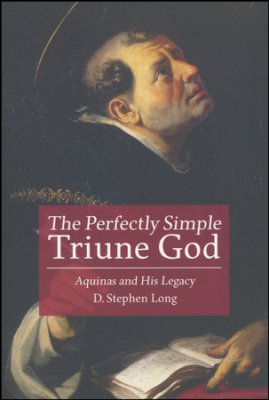
I have recently been working through D. Stephen Long’s excellent book, The Perfectly Simple Triune God: Aquinas and His Legacy (Fortress, 2016). The more I read Aquinas and the more I read about him, the more I see why he is regarded as a Doctor of the Church. I want to concentrate in this post with a passage from Long’s book detailing the importance of the Trinity in Aquinas’ theological framework, and in Christian theology as a whole:
The doctrine of the Trinity, although primarily speculative, is also practical. It demonstrates God’s relationship to creatures. If God loves creatures solely because of what they are in themselves, then God needs them to perfect God’s love. The love of creatures and the love of God would be greater than God’s love alone, and God would not be the perfection of being and goodness. That God loves creatures because God loves God’s [triune] self does not mean that God does not genuinely love creatures, even as they exist in themselves, but they are not ends in themselves; they are means to be loved because they participate in something that is perfect, God’s own being. Thus while God does not need creatures in order for God to be love, creatures do need God to enjoy the perfection of love. God’s love of creatures through God’s self means God loves creatures from and into God.
God then does not create out of any lack in God’s own being that needs to be satisfied from something outside of God. God loves his own goodness and, as Dionysus taught, such a goodness communicates itself. Creation is an utterly free gift that has no necessary reason for it other than the communicability of God’s goodness. As previously mentioned, for Thomas, God is semper eis esse dando (“always giving being to them”). This gift is the basis for creatio ex nihilo [creation from nothing]. Unlike ancient creation myths where the deity comes on a preexisting matter and has to fashion it into existence (as in Plato’s Timaeus and its return in process theology), Aquinas follows the later trends in the Old Testament, the witness of the New Testament, and the church fathers to argue that God creates even the matter (potentiality) that will then be the basis for that are. Matter or potentiality does not exist outside God in some eternal space. If it did, then God would be in a constant state of competition with it. No such competitive relation exists. The doctrine of creatio ex nihilo is the only way to maintain a nonviolent ontology in which something other than strife and agonism forms the fundament of being. With creatio ex nihilo, no such violent fundament exists.
In contrast to all the other ontologies of the world (with the exception of the mainstream traditions within Judaism), be they ancient or modern, it is the Christian view of the world that allows for a fundamentally peaceable basis of reality. All the evil, pain, violence, and suffering we see in the universe is not fundamental to reality. It is a privation of the good; a parasite on the underlying goodness of God’s creation. Something important to keep in mind when thinking or talking about the importance of the Trinity.
Previous Post

October 30, 2017
Mixed Feelings on the Reformation at 500
Next Post
November 22, 2017 David Bentley Hart Critiques Dennett and Descartes
Browse Our Archives
Select a Category Uncategorized
Select a Month July 2019 April 2019 January 2019 December 2018 November 2018 October 2018 September 2018 August 2018 July 2018 June 2018 May 2018 April 2018 March 2018 February 2018 January 2018 December 2017 November 2017 October 2017 September 2017 August 2017 July 2017 June 2017 May 2017 April 2017 March 2017 February 2017 January 2017 December 2016
Follow Us!
TAKE THE
Religious Wisdom Quiz
How many years between David's reign and the Babylonian exile?
Select your answer to see how you score.
500 years 300 years 400 years 450 years
Related posts from The Christian Revolution


A Post After Some Time Away....And a Big...

The Christian Response to Nation-States

TRENDING AT PATHEOS Evangelical

The REST of Your Life: A Creative Wrestles...
This week I had a conversation with a good friend from church....

How the author of the world's best hymn...
I've been working with John Newton for a while now. This makes...

Long before this Lectio Divina, Psalm 130 - the song - started...

What About the Trees? Another Living Parable
After I finished writing the last article about falling leaves as a...

Why Classical Education Is a Conversation, Not a...
Come and Read: Joy in Classical Education When I was a little...

Cornell University has received a great deal of negative publicity and intense...
view all Evangelical blogs
Ad-Free & Subscriber Log-In Subscription Support
- About Us
- 2026 Calendar
- Videos
- Podcasts
- Library of World Religions
- Faith In Media Tracker
- Advertise With Us
- Write for Us
- Privacy Policy
- Terms of Service
- Do Not Sell My Data
- Contact Us
- Radiant Digital
- Manage Newsletter Subscriptions
- Unsubscribe From Notifications
- Sitemap
Copyright 2008-2026, Patheos. All rights reserved.
Subscription Support Ad-Free & Subscriber Log-In
Follow Patheos