
BuddhistCatholicContemplativeEvangelicalGeneral ChristianHinduJewishLatter-day SaintMuslimNew VisionsProgressive Christian
Beliefs
- Buddhist
- Catholic
- Contemplative
- Evangelical
- General Christian
- Hindu
- Jewish
- Latter-day Saint
- More Voices
- Muslim
- New Visions
- Pagan
- Progressive Christian
Topics
- Religion News
- Food and Religion
- Sports and Religion
- Religious Art
- Religious Music and Entertainment
- Religious Events
- History and Religion
- Style and Religion
- Politics and Religion
- Women in Religion
- Recreation Outdoors and Religion
- Business Finance and Religion
- Careers Workplace and Religion
- Education and Religion
- Family Parenting and Religion
- Health Fitness and Religion
- Home and Religion
- Relationships and Religion
- Technology and Religion
- Travel and Religion
Columnists
- Buddhist Columnists
- Business Finance and Religion Columnists
- Careers Workplace and Religion Columnists
- Catholic Columnists
- Contemplative Columnists
- Education and Religion Columnists
- Evangelists Columnists
- Family Parenting and Religion Columnists
- General Christian Columnists
- Health Fitness and Religion Columnists
- Hindu Columnists
- History and Religion Columnists
- Home and Religion Columnists
- Jewish Columnists
- More Voices Columnists
- Latter Day Columnists
- Muslim Columnists
- New Visions Columnists
- Nonreligious Columnists
- Pagan Columnists
- Politics and Religion Columnists
- Progressive Columnists
- Recreation Outdoors and Religion Columnists
- Relationships and Religion Columnists
- Religion News Columnists
- Religious Art Columnists
- Religious Events Columnists
- Religious Music and Entertainment Columnists
- Sports and Religion Columnists
- Style and Religion Columnists
- Technology and Religion Columnists
- Travel and Religion Columnists
- Women in Religion Columnists
Resource Library
- 2026 Calendar
- Library of World Religions
- The 100 Most Holy Places on Earth
- Patheos Answers
- Podcasts
- Videos
- Faith Leaders Database
- Anglican Episcopalian
- Bahai
- Baptist
- Buddhism
- Christianity
- Confucianism
- Eastern Orthodoxy
- Hinduism
- Holiness and Pentecostal
- ISKCON
- Islam
- Judaism
- Lutheran
- Methodist
- The Church of Jesus Christ of Latter-day Saints
- New Age
- Paganism
- Presbytarian and Reformed
- Protestantism
- Religion Behind the Scenes
- Roman Catholic
- Scientology
- Shia Islam
- Sikhism
- Sufism
- Sunni Islam
- Taoism
- Zen
- See all religions
Research Tools
 Ad-Free & Subscriber Log-In Subscription Support
Ad-Free & Subscriber Log-In Subscription Support
Follow Patheos 

- Trending:
- Forgiveness
- |
- Marriage
- |
- Consciousness
- |
- Death Penalty
- |
- Election
- |
- Halloween
 The Christian Revolution
- Home
- Evangelical
- The Analogy of Being and Talking About God
The Analogy of Being and Talking About God
Last updated on: February 9, 2017 at 7:50 pm by Taylor S. Brown
The Analogy of Being and Talking About God 2017-02-09T19:50:32-06:00 Taylor S. Brown
Patheos Explore the world's faith through different perspectives on religion and spirituality! Patheos has the views of the prevalent religions and spiritualities of the world.
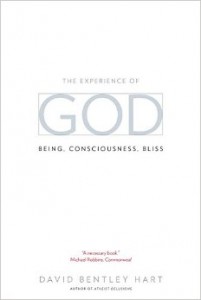
One of the most rewarding areas of study I’ve engaged in over the last several years is in the area of philosophical theology. Even though my primary area of expertise is biblical exegesis and biblical theology, I love reading in the areas of theistic metaphysics and philosophical theology. Reading the work of David Bentley Hart, particularly his The Experience of God: Being, Consciousness, Bliss (Yale University Press, 2013), has fostered this more than anything else. His writings have served as a sort of “gateway drug” for further reading in classical theistic metaphysics.
Of course this also means that I read blogs and articles from other readers of classical theism. One of the consistently best of these voices is Fr. Al Kimel over at Eclectic Orthodoxy. While I disagree with Kimel on several issues (most notably, he is a universalist; I hold to annihilationism/conditional immortality), I find his reflections on classical theistic metaphysics to be incredibly illuminating, as well as being extremely helpful in pointing me toward new books and authors on the subject.
Kimel’s most recent post on Eclectic Orthodoxy offers an excellent introduction into the subject of what theologians call the analogia entis or the “analogy of being.” Kimel interacts extensively with the work of the Jesuit philosopher, W. Norris Clarke. Clarke (and Kimel in interacting with him) writes about how we are able to even speak at all about God only because of God’s gracious act of creation and our participation as imagers (graciously granted by God) in God’s pure, actual, and unconditioned existence. This understanding of God as the utterly transcendent and personal Ground of Being is what Thomas Aquinas referred to as ipsum esse subsistens, “the subsistent act of to be,” and actus purus, “pure actuality.” As Kimel summarizes it:
Following Thomas [Aquinas], Clarke identifies the community of being shared by Creator and creature as one, not of essence or nature, but of esse—the act of existing. The essence of God is not violated. It remains incomprehensible to finite human knowing, as long asserted by the Eastern theological tradition. By the creatio ex nihilo God establishes a proportional relationship to his creatures, thus allowing us to speak of the similarities of creatures to their Creator within a wider dissimilarity.
The whole post, while somewhat dense, is very good and well worth a read, especially if you are interested in philosophical theology.
Previous Post

February 7, 2017
Final Semesters and Apocalypses
Next Post

February 14, 2017 Artificial Intelligence and The Confusion of Our Age
Browse Our Archives
Select a Category Uncategorized
Select a Month July 2019 April 2019 January 2019 December 2018 November 2018 October 2018 September 2018 August 2018 July 2018 June 2018 May 2018 April 2018 March 2018 February 2018 January 2018 December 2017 November 2017 October 2017 September 2017 August 2017 July 2017 June 2017 May 2017 April 2017 March 2017 February 2017 January 2017 December 2016
Follow Us!
TAKE THE
Religious Wisdom Quiz
I am a sea that parted to let my people cross on dry ground but drowned their enemies. What am I?
Select your answer to see how you score.
The Sea of Galilee The Jordan River The Mediterranean Sea The Red Sea
Related posts from The Christian Revolution


A Post After Some Time Away....And a Big...

The Christian Response to Nation-States

TRENDING AT PATHEOS Evangelical

The REST of Your Life: A Creative Wrestles...
This week I had a conversation with a good friend from church....

How the author of the world's best hymn...
I've been working with John Newton for a while now. This makes...

Long before this Lectio Divina, Psalm 130 - the song - started...

What About the Trees? Another Living Parable
After I finished writing the last article about falling leaves as a...

Why Classical Education Is a Conversation, Not a...
Come and Read: Joy in Classical Education When I was a little...

Cornell University has received a great deal of negative publicity and intense...
view all Evangelical blogs
Ad-Free & Subscriber Log-In Subscription Support
- About Us
- 2026 Calendar
- Videos
- Podcasts
- Library of World Religions
- Faith In Media Tracker
- Advertise With Us
- Write for Us
- Privacy Policy
- Terms of Service
- Do Not Sell My Data
- Contact Us
- Radiant Digital
- Manage Newsletter Subscriptions
- Unsubscribe From Notifications
- Sitemap
Copyright 2008-2026, Patheos. All rights reserved.
Subscription Support Ad-Free & Subscriber Log-In
Follow Patheos