
BuddhistCatholicContemplativeEvangelicalGeneral ChristianHinduJewishLatter-day SaintMuslimNew VisionsProgressive Christian
Beliefs
- Buddhist
- Catholic
- Contemplative
- Evangelical
- General Christian
- Hindu
- Jewish
- Latter-day Saint
- More Voices
- Muslim
- New Visions
- Pagan
- Progressive Christian
Topics
- Religion News
- Food and Religion
- Sports and Religion
- Religious Art
- Religious Music and Entertainment
- Religious Events
- History and Religion
- Style and Religion
- Politics and Religion
- Women in Religion
- Recreation Outdoors and Religion
- Business Finance and Religion
- Careers Workplace and Religion
- Education and Religion
- Family Parenting and Religion
- Health Fitness and Religion
- Home and Religion
- Relationships and Religion
- Technology and Religion
- Travel and Religion
Columnists
- Buddhist Columnists
- Business Finance and Religion Columnists
- Careers Workplace and Religion Columnists
- Catholic Columnists
- Contemplative Columnists
- Education and Religion Columnists
- Evangelists Columnists
- Family Parenting and Religion Columnists
- General Christian Columnists
- Health Fitness and Religion Columnists
- Hindu Columnists
- History and Religion Columnists
- Home and Religion Columnists
- Jewish Columnists
- More Voices Columnists
- Latter Day Columnists
- Muslim Columnists
- New Visions Columnists
- Nonreligious Columnists
- Pagan Columnists
- Politics and Religion Columnists
- Progressive Columnists
- Recreation Outdoors and Religion Columnists
- Relationships and Religion Columnists
- Religion News Columnists
- Religious Art Columnists
- Religious Events Columnists
- Religious Music and Entertainment Columnists
- Sports and Religion Columnists
- Style and Religion Columnists
- Technology and Religion Columnists
- Travel and Religion Columnists
- Women in Religion Columnists
Resource Library
- 2026 Calendar
- Library of World Religions
- The 100 Most Holy Places on Earth
- Patheos Answers
- Podcasts
- Videos
- Faith Leaders Database
- Anglican Episcopalian
- Bahai
- Baptist
- Buddhism
- Christianity
- Confucianism
- Eastern Orthodoxy
- Hinduism
- Holiness and Pentecostal
- ISKCON
- Islam
- Judaism
- Lutheran
- Methodist
- The Church of Jesus Christ of Latter-day Saints
- New Age
- Paganism
- Presbytarian and Reformed
- Protestantism
- Religion Behind the Scenes
- Roman Catholic
- Scientology
- Shia Islam
- Sikhism
- Sufism
- Sunni Islam
- Taoism
- Zen
- See all religions
Research Tools
 Ad-Free & Subscriber Log-In Subscription Support
Ad-Free & Subscriber Log-In Subscription Support
Follow Patheos 

- Trending:
- Forgiveness
- |
- Marriage
- |
- Consciousness
- |
- Death Penalty
- |
- Election
- |
- Halloween

- Home
- Catholic
- Health, Fitness and Religion
- Embracing Deaf Culture: Understanding For Inclusion
Embracing Deaf Culture: Understanding For Inclusion
Last updated on: October 14, 2024 at 3:30 pm by Laurika Nxumalo
Embracing Deaf Culture: Understanding For Inclusion 2024-10-14T15:30:36+02:00 Laurika Nxumalo
Patheos Explore the world's faith through different perspectives on religion and spirituality! Patheos has the views of the prevalent religions and spiritualities of the world.
The International Day of the Deaf is celebrated annually on the last Sunday of September. It reminds society of the importance of inclusion, accessibility, and the recognition of the rights of deaf people around the world. The day recognizes not only the obstacles that the deaf community faces, but also their contributions to society and development in areas such as activism and inclusion. The World Federation of the Deaf (WFD) established the day to raise awareness of the challenges that deaf people encounter, foster understanding, and advocate equal opportunities.
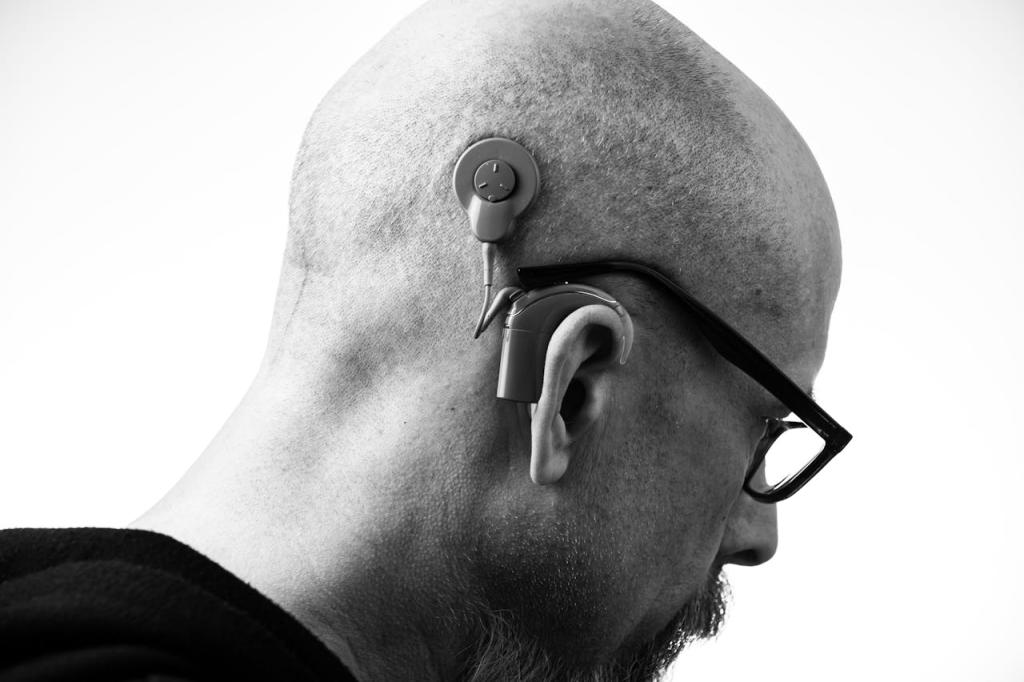
Photo by Brett Sayles, Pexels
History
The International Day of the Deaf was first observed in 1958, a year after the establishment of the World Federation of the Deaf, an organization dedicated to advancing human rights for deaf people and achieving equal access to education, employment, and civic life.
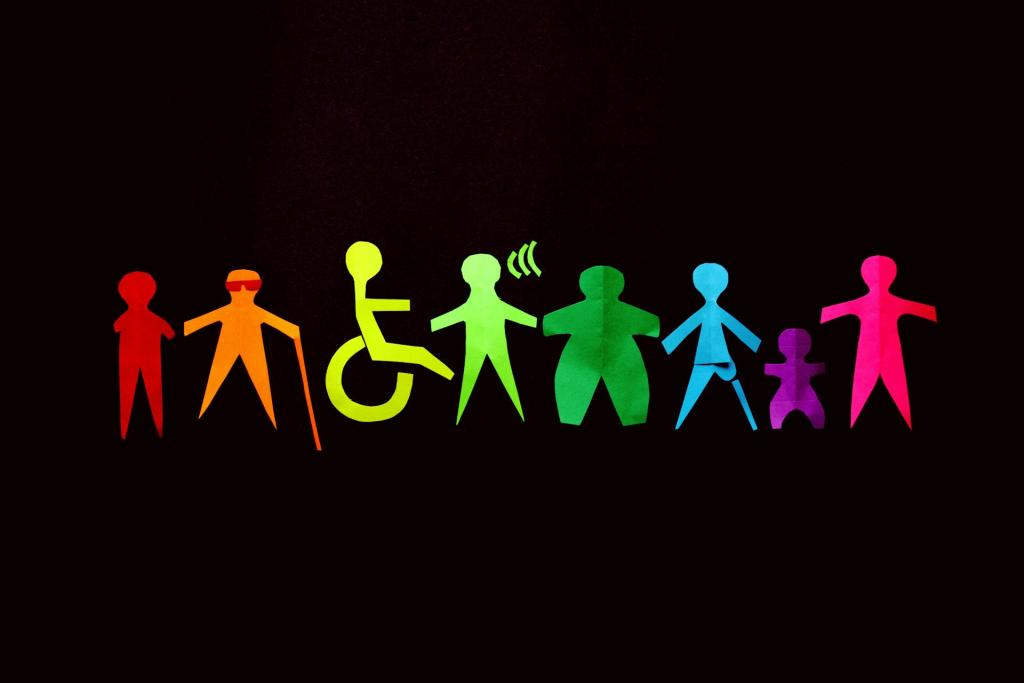
Photo by Katie Rainbow, Pexels
The celebration is part of a larger movement called the International Week of the Deaf, which seeks to raise awareness about problems such as sign language rights, accessible education, and equitable employment opportunities for the deaf community. The day is honored all around the world with rallies, educational initiatives, and cultural performances that highlight sign language’s rich heritage.
Communication
The deaf community relies heavily on sign language for social interactions, education, and communication. Sign language is the foundation of deaf culture. Notwithstanding its significance, sign language is not acknowledged as an official language in many nations, and those who are deaf sometimes cannot access services or education in their mother tongue. On the International Day of the Deaf, governments are urged to acknowledge sign language as an essential human right and to offer materials and resources that encourage its use in public spaces such as workplaces, schools, and government buildings.

Photo by SHVETS production, Pexels
International entities, governments, and organizations are more cognizant of the deaf community’s requirements. In 2006, the United Nations enacted the Convention on the Rights of Persons with Disabilities (CRPD), emphasizing the significance of accessibility in areas such as information, communication technologies, and sign language education. In 2017, the UN formally recognized the International Day of Sign Languages, strengthening the case for sign language promotion and preservation around the world. This recognition emphasizes the importance of communication accessibility for all deaf people, as well as the overall goals of the International Day of the Deaf.
Advocacy
Over time, there has been substantial success in the fight for deaf rights. Advocacy groups such as the WFD have lobbied for the recognition of sign languages as official languages in numerous nations. Technology has also played an important role in improving accessibility with developments such as video relay services, real-time captioning, and hearing devices helping deaf individuals communicate and participate more fully.

Photo by Sewupari Studio, Pexels
Cultural transformations have also contributed to increased public awareness. Films and television series with deaf characters and sign language have helped to dispel prejudices and promote awareness of deaf culture. Celebrities and campaigners have utilized their platforms to encourage the integration of deaf people into normal society, supporting the message of equality. The International Day of the Deaf provides a chance to celebrate the accomplishments and contributions of deaf individuals in a variety of disciplines, including the arts, entertainment, science, and commerce. Deaf people have surmounted enormous obstacles to make major contributions, indicating that with the proper assistance and chances, they can thrive just as much as their hearing counterparts.
Inspiration
St. René Goupil, one of the North American martyrs, is a very important figure in the Catholic Church. Goupil, born in France in 1608, lived a life of dedication, humility, and suffering, which culminated in his martyrdom during the early years of the European mission to the Americas. While many facets of his life are praised, one distinct and frequently ignored aspect is his experience as a deaf person. Goupil’s life exemplifies not only his unwavering faith, but also how his infirmity did not detract from his commitment to serve God and others, demonstrating extraordinary perseverance in the face of hardship.
René Goupil was born in Anjou, France, to a devout Catholic family. At an early age he exhibited a desire to serve God and humanity. He began his medical studies with the goal of becoming a surgeon, which was a highly regarded profession requiring in the 17th century. Goupil’s medical knowledge would subsequently be beneficial in his missionary work, where he treated the sick and injured. However, Goupil’s life changed dramatically when he developed hearing loss. His condition deteriorated to the point of full deafness, posing a significant challenge for someone pursuing a career in surgery.
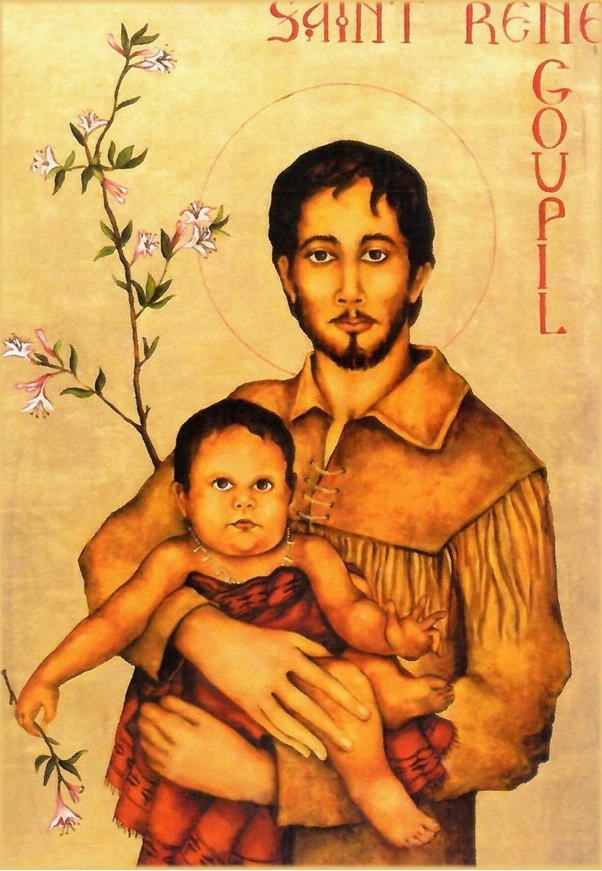
Goupil’s deafness did not discourage him from pursuing a career in public service. His faith remained a pillar of his life, and he finally joined the Jesuits as a lay missionary as a donné—a volunteer who promised to help Jesuit priests in their missions. His dedication to the Jesuits was not just an expression of his religious faith but also a demonstration of tremendous resilience and determination. Instead of being an impediment, Goupil’s deafness became part of his story of self-sacrifice and service.
In 1640, Goupil traveled to New France (modern-day Canada) to join the Jesuit who served the Huron people. His role was to assist the priests, particularly in medical care, which his training had equipped him for despite his hearing loss. Goupil’s work among the Hurons was a testament to his deep compassion as he cared for both their physical and spiritual needs. He was killed on 29 September 1642, the feast of St Michael the Archangel.

Photo by Andrea Piacquadio, Pexels
In today’s world, Goupil’s life can be viewed as a great example of inclusivity and dignity for all individuals, regardless of physical constraints. His ability to make a meaningful contribution to the missionary endeavor despite his deafness calls into question the concept that handicap prevents a life of service or purity. Goupil’s life exemplifies the importance of patience, faith, and the belief that anybody, regardless of skill, can play a role in God’s plan. Furthermore, Goupil’s story is an encouragement to others who live with impairments today. His life shows that handicap does not imply ineptitude or inferiority. Instead, it can be used to praise God, as Goupil demonstrated, by deeds of love, service, and sacrifice.
Health, Fitness and Religion
Previous Post
September 12, 2024
James Earl Jones' Catholic Life
Next Post

October 4, 2024 St. Francis of Assisi's Spirituality and Global Warming
Recent Comments
"The Beautiful Game of football is life in full flow. Several Cardinals in Rome are ..."
Professing Faith Through Football
"Participants say they have been truly energized. Synod on Synodality has been a meaningful spiritual ..."
Synod on Synodality – A Response ..."
"Grandmothers are Wisdom Banks. They want their grandchildren to be happy and successful. “May my ..."
The Roots of Pope Francis – ..."
"A few theologians believe clericalism and churchianity are detrimental to the spirit of Christianity as ..."
Clericalism – The Difficult Task Ahead ..."
Browse Our Archives
Select a Category Catechism Church History Current Affairs Emotions Eucharist Faith Home Israel Laudato Si' LGBTQ+ Marriage Mary Pope Emeritus Benedict XVI Pope Francis Pope Leo XIV Prayer Religious Affairs Rosary Sacraments Saints Science Synod on Synodality Trending Topics Trump Uncategorized Vocations Women in the Church
Select a Month October 2026 July 2026 January 2026 June 2025 May 2025 April 2025 February 2025 October 2024 September 2024 April 2024 March 2024 February 2024 November 2023 October 2023 September 2023 June 2023 May 2023 April 2023 March 2023 January 2023 December 2022 October 2022 August 2022 July 2022 June 2022 February 2022 July 2021 February 2021 January 2021
Follow Us!
TAKE THE
Religious Wisdom Quiz
Who was thrown into a fiery furnace but survived?
Select your answer to see how you score.
Daniel Noah Shadrach, Meshach, Abednego Joseph
Related posts from Tea in Laurika's Garden
Professing Faith Through Soccer
Synod on Synodality - A Response Of Faith

The Cardinal Taking Over From Pope Francis
The Roots of Pope Francis - The People's...
TRENDING AT PATHEOS Catholic

Rejecting Doom: Christian Hope And Human Action
Christianity is a religion of hope. We are to have hope and...

It’s What Comes From Within Which Matters
One of the most difficult things for us to understand is why...

Why I Choose the Eucharist Over the Sermon
Choose the Eucharist, Not the Sermon What are we supposed to get...

5 Design Elements Found in Spiritually Rooted Homes
Putting Spirituality Into Home Decor Our homes are more than our living...

Credo: A Story of God Told with the...
About 10 years ago, I began to imagine a personal "Credo" that...

The Anatomy of Divine Revelation in Catholic Thought
The claim that God has made Himself known to human beings is...
view all Catholic blogs
What Are Your Thoughts?leave a comment
Ad-Free & Subscriber Log-In Subscription Support
- About Us
- 2026 Calendar
- Videos
- Podcasts
- Library of World Religions
- Faith In Media Tracker
- Advertise With Us
- Write for Us
- Privacy Policy
- Terms of Service
- Do Not Sell My Data
- Contact Us
- Radiant Digital
- Manage Newsletter Subscriptions
- Unsubscribe From Notifications
- Sitemap
Copyright 2008-2026, Patheos. All rights reserved.
Subscription Support Ad-Free & Subscriber Log-In
Follow Patheos