
BuddhistCatholicContemplativeEvangelicalGeneral ChristianHinduJewishLatter-day SaintMuslimNew VisionsProgressive Christian
Beliefs
- Buddhist
- Catholic
- Contemplative
- Evangelical
- General Christian
- Hindu
- Jewish
- Latter-day Saint
- More Voices
- Muslim
- New Visions
- Pagan
- Progressive Christian
Topics
- Religion News
- Food and Religion
- Sports and Religion
- Religious Art
- Religious Music and Entertainment
- Religious Events
- History and Religion
- Style and Religion
- Politics and Religion
- Women in Religion
- Recreation Outdoors and Religion
- Business Finance and Religion
- Careers Workplace and Religion
- Education and Religion
- Family Parenting and Religion
- Health Fitness and Religion
- Home and Religion
- Relationships and Religion
- Technology and Religion
- Travel and Religion
Columnists
- Buddhist Columnists
- Business Finance and Religion Columnists
- Careers Workplace and Religion Columnists
- Catholic Columnists
- Contemplative Columnists
- Education and Religion Columnists
- Evangelists Columnists
- Family Parenting and Religion Columnists
- General Christian Columnists
- Health Fitness and Religion Columnists
- Hindu Columnists
- History and Religion Columnists
- Home and Religion Columnists
- Jewish Columnists
- More Voices Columnists
- Latter Day Columnists
- Muslim Columnists
- New Visions Columnists
- Nonreligious Columnists
- Pagan Columnists
- Politics and Religion Columnists
- Progressive Columnists
- Recreation Outdoors and Religion Columnists
- Relationships and Religion Columnists
- Religion News Columnists
- Religious Art Columnists
- Religious Events Columnists
- Religious Music and Entertainment Columnists
- Sports and Religion Columnists
- Style and Religion Columnists
- Technology and Religion Columnists
- Travel and Religion Columnists
- Women in Religion Columnists
Resource Library
- 2026 Calendar
- Library of World Religions
- The 100 Most Holy Places on Earth
- Patheos Answers
- Podcasts
- Videos
- Faith Leaders Database
- Anglican Episcopalian
- Bahai
- Baptist
- Buddhism
- Christianity
- Confucianism
- Eastern Orthodoxy
- Hinduism
- Holiness and Pentecostal
- ISKCON
- Islam
- Judaism
- Lutheran
- Methodist
- The Church of Jesus Christ of Latter-day Saints
- New Age
- Paganism
- Presbytarian and Reformed
- Protestantism
- Religion Behind the Scenes
- Roman Catholic
- Scientology
- Shia Islam
- Sikhism
- Sufism
- Sunni Islam
- Taoism
- Zen
- See all religions
Research Tools
 Ad-Free & Subscriber Log-In Subscription Support
Ad-Free & Subscriber Log-In Subscription Support
Follow Patheos 

- Trending:
- Forgiveness
- |
- Marriage
- |
- Consciousness
- |
- Death Penalty
- |
- Election
- |
- Halloween
 Teaching Nonviolent Atonement
- Home
- Progressive Christian
- The Truth About Thanksgiving: Why You Should Celebrate
The Truth About Thanksgiving: Why You Should Celebrate
Last updated on: November 24, 2017 at 7:42 am by Adam Ericksen
The Truth About Thanksgiving: Why You Should Celebrate 2017-11-24T07:42:37-05:00 Adam Ericksen
Patheos Explore the world's faith through different perspectives on religion and spirituality! Patheos has the views of the prevalent religions and spiritualities of the world.
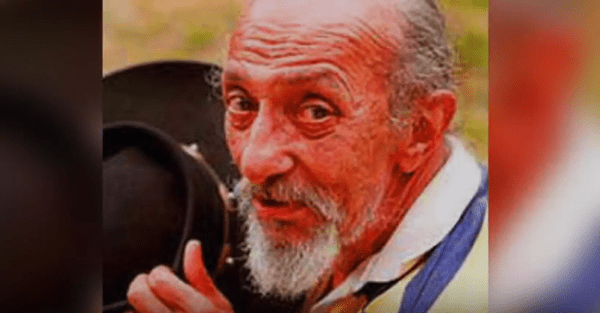
Frank James, Wampanoag Indian selected to deliver a speech in celebration of the 350th anniversary of the Pilgrims’ arrival, but was silenced.
The antidote to feel-good history is not feel-bad history but honest and inclusive history.
– James Loewen, Lies My Teacher Told Me, 92.
It’s becoming increasingly difficult for Americans to celebrate Thanksgiving. This Thanksgiving, as we take turns around the dinner table sharing why we are thankful, a sense of awkwardness settles in. The awkwardness is not only due to the “forced family fun” of having to quickly think of something profound to be thankful for. (Oh the pressure!) The growing awkwardness surrounding Thanksgiving stems from the fact that we know that at the table with us are the shadows of victims waiting to be heard.
Humans have an unfortunate characteristic – we don’t want to hear the voice of our victims. We don’t want to see the pain we’ve caused, so we silence the voice of our victims. The anthropologist Rene Girard calls this silencing myth. Myth comes from the Greek worth mythos. The root word, my, means “to close” or “to keep secret.”[1] The American ritual of Thanksgiving has been based on a myth that closes the mouths of Native Americans and keeps their suffering a secret.
As late as 1970, there were deliberate attempts to maintain the myth by keeping mouths shut. In his fascinating book Lies My Teacher Told Me, James Loewen tells the story of Frank James, a Wampanoag Indian who was selected to deliver a speech in celebration of the 350th anniversary of the Pilgrims’ arrival. The Massachusetts Department of Commerce arranged the celebration and demanded that James show them a copy of his speech. Here’s what they read:
Today is a time of celebrating for you…but it is not a time of celebrating for me. It is with heavy heart that I look back upon what happened to my People…The Pilgrims had hardly explored the shores of Cape Cod four days before they had robbed the graves of my ancestors, and stolen their corn, wheat, and beans…Massasoit, the great leader of the Wampanoag, knew these facts; yet he and his People welcomed and befriended the settlers…little know that…before 50 years were to pass, the Wampanoags…and other Indians living near the settlers would be killed by their guns or dead from diseases that we caught from them…Although our way of life is almost gone and our language is almost extinct, we the Wampanoags still walk the lands of Massachusetts…What has happened cannot be changed, but today we work toward a better America, a more Indian America where people and nature once again are important.
That was too much for the organizers of the celebration. After all, during a celebration nobody wants to hear the voice of their victims, so they didn’t allow James to read his speech. The Massachusetts Department of Commerce isn’t the only one mythically closing the mouths and keeping secret the story of Native Americans. As Loewen claims, “What the Massachusetts Department of Commerce censored was not some incendiary falsehood but historical truth. Nothing James would have said…was false…Most of our [High School] textbooks also omit the facts about grave robbing, Indian enslavement, and so on …” (91).
Loewen wrote his book in 1995, examining 12 of the most popular High School textbooks. He surveyed six new textbooks in 2006 for an updated version of his book. Unfortunately, most of the textbooks continued the myth. Why are our history books tainted by the myth? Because we want our history to feel good. We want to feel good about our ancestors. We identify with them and if we begin to question their moral goodness then we have to question our own moral goodness, too.
Thanks to historians like Loewen and Howard Zinn (A People’s History of the United States), we can no longer tell the myth that silences the voice of our victims. They are helping us re-invent Thanksgiving, and we should celebrate that fact. The truth of Thanksgiving, indeed, the truth of human history, is found when we listen to the voice of our victims. The point, as Loewen states in the quote that begins this article, is not to feel bad about our history, but rather to tell our history in an honest and inclusive way.
So, it may feel awkward, but celebrate this Thanksgiving. Celebrate the fact that we are beginning to tell our history in an honest and inclusive way, because only by telling an honest and inclusive history can we have an honest and inclusive present. That honesty and inclusivity is reason to give thanks.
(For more on this topic, see Katelin Hansen’ article called “Creation Myths: Thanksgiving” on her fascinating blog on Christianity and race called By Their Strange Fruit.)
[1] See Gil Bailie, Violence Unveiled, 33.
Previous Post

November 20, 2017
Don't Fear The Apocalypse: Allaying Concerns As Patriarchy Crumbles
Next Post
November 25, 2017 Sermon: The One Given the Least
Browse Our Archives
Select a Category Atonement and Current Events Curriculum Faith and Families Interviews Jesus the Forgiving Victim Lent Montessori politics Reviews The Bible Explained Uncategorized Valentine's Day Wednesday Sermon Who is God?
Select a Month July 2020 November 2019 October 2019 September 2019 August 2019 July 2019 June 2019 May 2019 April 2019 March 2019 February 2019 January 2019 December 2018 November 2018 October 2018 September 2018 August 2018 July 2018 June 2018 May 2018 April 2018 March 2018 February 2018 January 2018 December 2017 November 2017 October 2017 September 2017 August 2017 July 2017 June 2017 May 2017 April 2017 March 2017 February 2017 January 2017 December 2016 November 2016 October 2016 September 2016 August 2016 June 2016 May 2016 April 2016 March 2016 February 2016 January 2016 December 2015 November 2015 October 2015 September 2015 August 2015 July 2015 June 2015 May 2015 April 2015 March 2015 February 2015 January 2015 December 2014 November 2014 October 2014 September 2014 August 2014 July 2014 June 2014 May 2014 April 2014 March 2014 January 2014 December 2013 September 2013 August 2013 July 2013
Follow Us!
TAKE THE
Religious Wisdom Quiz
At a well in Samaria, I asked a woman for a drink and told her about living water. How many husbands had she had?
Select your answer to see how you score.
Two Seven Five Three
Related posts from Teaching Nonviolent Atonement

Reflections on Indigenous Wisdom For Healing A Wounded...
Jesus Came to Party: The Girardian Virtual Bible...
Christ The King Sunday: Living In Allegiance To...

Surprise! Apocalypse Does Not Mean What You Think...
TRENDING AT PATHEOS Progressive Christian

What Being a Modern-Day Apostle Means to Me
In my last column, I discussed the ins and outs of modern-day...

Did Ancient China Once Worship the God of...
Across human history, a common thread weaves through the origins of the...

Love Your Neighbor – Including Earth-Kin: Lev. 19,...
God’s command to love your neighbor means acting in an ethical and...

Lead a Church Study of “Jesus and Lao...
Guest writer Jack Thomas (The Irreverent Reverend) reflects on leading his church...

Pastoral Wisdom for Responding to Sermon Pushback
Getting sermon pushback on your social justice sermon? Learn practical, Proverbs-based strategies...

Principles for Understanding the Apostolic Ministry Today
Whenever people discover that my formal ministry title is "apostle," as in...
view all Progressive Christian blogs
Ad-Free & Subscriber Log-In Subscription Support
- About Us
- 2026 Calendar
- Videos
- Podcasts
- Library of World Religions
- Faith In Media Tracker
- Advertise With Us
- Write for Us
- Privacy Policy
- Terms of Service
- Do Not Sell My Data
- Contact Us
- Radiant Digital
- Manage Newsletter Subscriptions
- Unsubscribe From Notifications
- Sitemap
Copyright 2008-2026, Patheos. All rights reserved.
Subscription Support Ad-Free & Subscriber Log-In
Follow Patheos