
BuddhistCatholicContemplativeEvangelicalGeneral ChristianHinduJewishLatter-day SaintMuslimNew VisionsProgressive Christian
Beliefs
- Buddhist
- Catholic
- Contemplative
- Evangelical
- General Christian
- Hindu
- Jewish
- Latter-day Saint
- More Voices
- Muslim
- New Visions
- Pagan
- Progressive Christian
Topics
- Religion News
- Food and Religion
- Sports and Religion
- Religious Art
- Religious Music and Entertainment
- Religious Events
- History and Religion
- Style and Religion
- Politics and Religion
- Women in Religion
- Recreation Outdoors and Religion
- Business Finance and Religion
- Careers Workplace and Religion
- Education and Religion
- Family Parenting and Religion
- Health Fitness and Religion
- Home and Religion
- Relationships and Religion
- Technology and Religion
- Travel and Religion
Columnists
- Buddhist Columnists
- Business Finance and Religion Columnists
- Careers Workplace and Religion Columnists
- Catholic Columnists
- Contemplative Columnists
- Education and Religion Columnists
- Evangelists Columnists
- Family Parenting and Religion Columnists
- General Christian Columnists
- Health Fitness and Religion Columnists
- Hindu Columnists
- History and Religion Columnists
- Home and Religion Columnists
- Jewish Columnists
- More Voices Columnists
- Latter Day Columnists
- Muslim Columnists
- New Visions Columnists
- Nonreligious Columnists
- Pagan Columnists
- Politics and Religion Columnists
- Progressive Columnists
- Recreation Outdoors and Religion Columnists
- Relationships and Religion Columnists
- Religion News Columnists
- Religious Art Columnists
- Religious Events Columnists
- Religious Music and Entertainment Columnists
- Sports and Religion Columnists
- Style and Religion Columnists
- Technology and Religion Columnists
- Travel and Religion Columnists
- Women in Religion Columnists
Resource Library
- 2026 Calendar
- Library of World Religions
- The 100 Most Holy Places on Earth
- Patheos Answers
- Podcasts
- Videos
- Faith Leaders Database
- Anglican Episcopalian
- Bahai
- Baptist
- Buddhism
- Christianity
- Confucianism
- Eastern Orthodoxy
- Hinduism
- Holiness and Pentecostal
- ISKCON
- Islam
- Judaism
- Lutheran
- Methodist
- The Church of Jesus Christ of Latter-day Saints
- New Age
- Paganism
- Presbytarian and Reformed
- Protestantism
- Religion Behind the Scenes
- Roman Catholic
- Scientology
- Shia Islam
- Sikhism
- Sufism
- Sunni Islam
- Taoism
- Zen
- See all religions
Research Tools
 Ad-Free & Subscriber Log-In Subscription Support
Ad-Free & Subscriber Log-In Subscription Support
Follow Patheos 

- Trending:
- Forgiveness
- |
- Marriage
- |
- Consciousness
- |
- Death Penalty
- |
- Election
- |
- Halloween
 Teaching Nonviolent Atonement
- Home
- Progressive Christian
- Goodness for Sale: A Consumer Report
Goodness for Sale: A Consumer Report
Last updated on: June 18, 2014 at 12:25 pm by Suzanne Ross
Goodness for Sale: A Consumer Report 2014-06-18T12:25:34-05:00 Suzanne Ross
Patheos Explore the world's faith through different perspectives on religion and spirituality! Patheos has the views of the prevalent religions and spiritualities of the world.
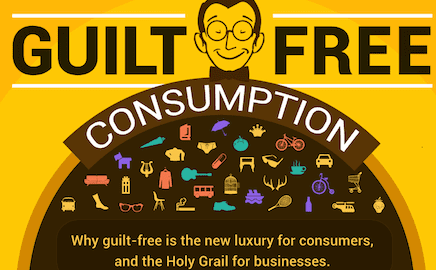
Image from popsop.com
What’s the difference between fake goodness and the real thing? Good people want to know. In fact, we need to know because fake goodness is a marketable commodity. Companies know that doing the right thing is important to us, and so they work hard to connect their products with “doing good”. The success of Whole Foods Market (higher priced foods that are natural and organic) and the Tesla Model S (electric car for a hefty price) show how well companies can make a profit by appealing to our desire for healthy eating and sustainable energy.
In fact, according to trendwatching.com sustainability is the current trending value among good people in consumer economies. This is a wonderful development and a necessary and good shared value for our world community. But their marketing report issued at the beginning of 2014 correctly identified a rather painful reality – true sustainability will require good people to make difficult lifestyle changes. Here’s how trendwatching.com put it:
Growing numbers of consumers can no longer escape an awareness of the damage done by their consumption: to the planet, society, or themselves. But a mixture of indulgence, addiction and conditioning mean that most can’t substantially change their consumption habits. The result? A never-ending guilt spiral. [That’s their emphasis, not mine!]
Which creates exciting opportunities for brands that combine tackling this guilt spiral with consumers’ endless status seeking (still the driving force behind all consumer behavior).
As a Whole Foods customer and someone who almost bought an electric car, that stings a bit – because it’s true. I am not sure if how I’m spending my consumer dollars is making any measurable difference in our world, but I do know it eases my conscience a little bit. I feel much better about myself when I buy organic and bring my sustainable bags to the store. Of course, this is the shape that “endless status seeking” is now taking – we use our purchasing decisions to cultivate the good opinion of others. We all want that approving glance from our neighbor – no one wants to be judged, ridiculed, or be seen as politically incorrect, the greatest sin of all.
While needing the approval of others is normal and healthy, it can lead us into idolatry of those others. Because even though others can be a wonderful source of love and affirmation, even a sense of goodness, the source of our goodness is not others but God. In a consumer culture in which we worship the almighty dollar, the worship of God can take a back seat to a shopping trip to the mall. When we reject God’s love or deny the existence of that love, we must fill our need for affirmation somehow and so we turn to other less reliable, more self-interested sources. This is what René Girard meant when he said that in our modern age, in which “false prophets” declare that God is dead, we will become gods for one another.
Despite our best attempts to keep our hearts and mind centered on God through prayer and worship, we all succumb to the easy fix. I want to believe that paying a bit more for my groceries is good enough, but I’m afraid this is what the theologian James Alison calls “cheap goodness”. Why? Because it is much less costly than what real goodness requires. To be truly good we will have to summon the will to “substantially change our consumption habits”, as trendwatching.com observed. But changing habits is a long and arduous task and we are rightly fearful that despite our best intentions, we will fail. Just look at our accumulated New Year’s resolutions lying in the dustbins of our personal histories.
But rather than grasp after false goodness, we would do well to return to finding ourselves in the regard of our Creator who, before we could do, say or buy anything, declared us to be good. It is from a position of discovering ourselves to already be good that we can begin to be patient with ourselves as we try and fail and try again to change our habits from unsustainable ones to truly sustainable. Then we are less likely to fall prey to the quick fixes and guilt easing tactics of corporations and more likely to demand true sustainable practices from our companies and ourselves.
Previous Post

June 12, 2014
[VIDEO] Suzanne and Adam Discuss Militant Uprisings in Iraq
Browse Our Archives
Select a Category Atonement and Current Events Curriculum Faith and Families Interviews Jesus the Forgiving Victim Lent Montessori politics Reviews The Bible Explained Uncategorized Valentine's Day Wednesday Sermon Who is God?
Select a Month July 2020 November 2019 October 2019 September 2019 August 2019 July 2019 June 2019 May 2019 April 2019 March 2019 February 2019 January 2019 December 2018 November 2018 October 2018 September 2018 August 2018 July 2018 June 2018 May 2018 April 2018 March 2018 February 2018 January 2018 December 2017 November 2017 October 2017 September 2017 August 2017 July 2017 June 2017 May 2017 April 2017 March 2017 February 2017 January 2017 December 2016 November 2016 October 2016 September 2016 August 2016 June 2016 May 2016 April 2016 March 2016 February 2016 January 2016 December 2015 November 2015 October 2015 September 2015 August 2015 July 2015 June 2015 May 2015 April 2015 March 2015 February 2015 January 2015 December 2014 November 2014 October 2014 September 2014 August 2014 July 2014 June 2014 May 2014 April 2014 March 2014 January 2014 December 2013 September 2013 August 2013 July 2013
Follow Us!
TAKE THE
Religious Wisdom Quiz
What does "Haggai" mean in Hebrew?
Select your answer to see how you score.
The Rock God's Messenger The Lord Saves Festive
Related posts from Teaching Nonviolent Atonement

How My Atheist Father Helps Me Appreciate The...

The Unity of All Things: How to Be...

We Are One: Unity in Christ with Victims,...

Good Friday? Or Worst Day Ever Friday? –...
TRENDING AT PATHEOS Progressive Christian

What Being a Modern-Day Apostle Means to Me
In my last column, I discussed the ins and outs of modern-day...

Did Ancient China Once Worship the God of...
Across human history, a common thread weaves through the origins of the...

Love Your Neighbor – Including Earth-Kin: Lev. 19,...
God’s command to love your neighbor means acting in an ethical and...

Lead a Church Study of “Jesus and Lao...
Guest writer Jack Thomas (The Irreverent Reverend) reflects on leading his church...

Pastoral Wisdom for Responding to Sermon Pushback
Getting sermon pushback on your social justice sermon? Learn practical, Proverbs-based strategies...

Principles for Understanding the Apostolic Ministry Today
Whenever people discover that my formal ministry title is "apostle," as in...
view all Progressive Christian blogs
Ad-Free & Subscriber Log-In Subscription Support
- About Us
- 2026 Calendar
- Videos
- Podcasts
- Library of World Religions
- Faith In Media Tracker
- Advertise With Us
- Write for Us
- Privacy Policy
- Terms of Service
- Do Not Sell My Data
- Contact Us
- Radiant Digital
- Manage Newsletter Subscriptions
- Unsubscribe From Notifications
- Sitemap
Copyright 2008-2026, Patheos. All rights reserved.
Subscription Support Ad-Free & Subscriber Log-In
Follow Patheos