
BuddhistCatholicContemplativeEvangelicalGeneral ChristianHinduJewishLatter-day SaintMuslimNew VisionsProgressive Christian
Beliefs
- Buddhist
- Catholic
- Contemplative
- Evangelical
- General Christian
- Hindu
- Jewish
- Latter-day Saint
- More Voices
- Muslim
- New Visions
- Pagan
- Progressive Christian
Topics
- Religion News
- Food and Religion
- Sports and Religion
- Religious Art
- Religious Music and Entertainment
- Religious Events
- History and Religion
- Style and Religion
- Politics and Religion
- Women in Religion
- Recreation Outdoors and Religion
- Business Finance and Religion
- Careers Workplace and Religion
- Education and Religion
- Family Parenting and Religion
- Health Fitness and Religion
- Home and Religion
- Relationships and Religion
- Technology and Religion
- Travel and Religion
Columnists
- Buddhist Columnists
- Business Finance and Religion Columnists
- Careers Workplace and Religion Columnists
- Catholic Columnists
- Contemplative Columnists
- Education and Religion Columnists
- Evangelists Columnists
- Family Parenting and Religion Columnists
- General Christian Columnists
- Health Fitness and Religion Columnists
- Hindu Columnists
- History and Religion Columnists
- Home and Religion Columnists
- Jewish Columnists
- More Voices Columnists
- Latter Day Columnists
- Muslim Columnists
- New Visions Columnists
- Nonreligious Columnists
- Pagan Columnists
- Politics and Religion Columnists
- Progressive Columnists
- Recreation Outdoors and Religion Columnists
- Relationships and Religion Columnists
- Religion News Columnists
- Religious Art Columnists
- Religious Events Columnists
- Religious Music and Entertainment Columnists
- Sports and Religion Columnists
- Style and Religion Columnists
- Technology and Religion Columnists
- Travel and Religion Columnists
- Women in Religion Columnists
Resource Library
- 2026 Calendar
- Library of World Religions
- The 100 Most Holy Places on Earth
- Patheos Answers
- Podcasts
- Videos
- Faith Leaders Database
- Anglican Episcopalian
- Bahai
- Baptist
- Buddhism
- Christianity
- Confucianism
- Eastern Orthodoxy
- Hinduism
- Holiness and Pentecostal
- ISKCON
- Islam
- Judaism
- Lutheran
- Methodist
- The Church of Jesus Christ of Latter-day Saints
- New Age
- Paganism
- Presbytarian and Reformed
- Protestantism
- Religion Behind the Scenes
- Roman Catholic
- Scientology
- Shia Islam
- Sikhism
- Sufism
- Sunni Islam
- Taoism
- Zen
- See all religions
Research Tools
 Ad-Free & Subscriber Log-In Subscription Support
Ad-Free & Subscriber Log-In Subscription Support
Follow Patheos 

- Trending:
- Forgiveness
- |
- Marriage
- |
- Consciousness
- |
- Death Penalty
- |
- Election
- |
- Halloween
 Talk with the Preacher
- Home
- Progressive Christian
- One Way or Another
One Way or Another
Last updated on: October 14, 2015 at 9:01 pm by Amy Butler
One Way or Another 2015-10-14T21:01:34-04:00 Amy Butler
Patheos Explore the world's faith through different perspectives on religion and spirituality! Patheos has the views of the prevalent religions and spiritualities of the world.
One Way or Another
Psalm 1
Happy Homecoming, Riverside Church! It’s such a pleasure to watch the parade of banners and your beautiful faces filling the pews this morning, to hear the voices of our choir back in worship and to see the faces of our little ones, back in Sunday School today. I mentioned a few weeks ago that fall is the start of a new year at church, just like at school, and that newness fills the air and our spirits with optimism and hope.
I recall when my kids were little, getting that list of school supplies, hunting for them at the store, making critical decisions about the color of binders for the year, sharpening pencils to uniform points, and finally lining everything up on the floor to take inventory before loading a brand new backpack.
A new start is always time to take stock, to think about where we’re headed, to set a tone for the year ahead.
I’m frankly having a hard time believing that it has been a whole year since my first Homecoming. This past year has felt to me like a whirlwind, full of shifting around here, some welcomed, some painful, along with the general dis-ease that always comes with change. It occurs to me that as we start out on another year together, some of us may be feeling some fear about what’s ahead, about the future of our church. What’s going to happen next? Will we be ready? How will we make it through whatever comes?
Well, here’s the good news this morning.
We don’t have to worry about the state of our community moving forward, because the Psalmist tells us in today’s Psalm that we can decide how we’ll proceed as we face the future. It’s not what happens to us that determines whether we thrive; whether we thrive is a decision we make. Will we choose health and wholeness, the way of the righteous? Or will we choose death and destruction, the way of the wicked? The Psalmist says: it’s one way, or another.
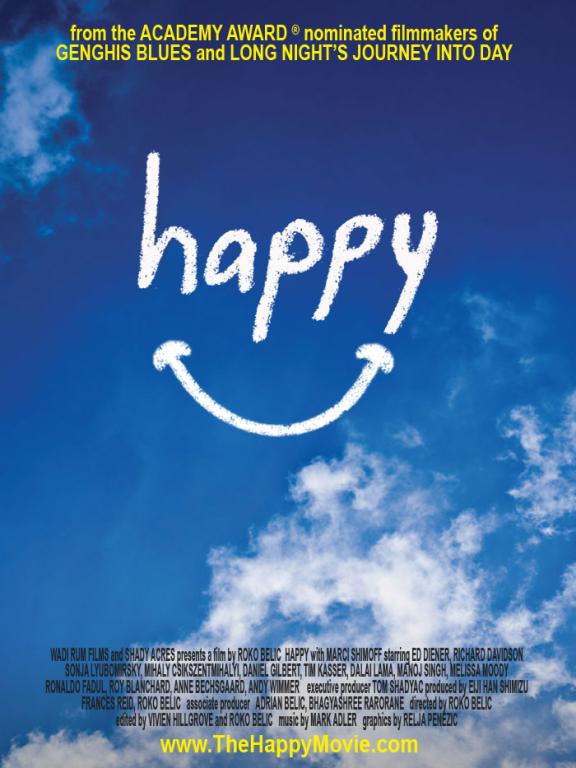 In the process of making the award winning 2012 film Happy, filmmakers stopped hundreds of people on the street and asked them what they wanted out of life. Almost all of them said some version of: “I want to be happy.” The idea of the film project was to explore that fundamental question of human life: how can I be happy? How do we build good lives and good communities that reflect the fullest expression of who we are created to be?
Happy opens with the shot of the inside of a shanty in Kolkata Slum, India. The one room hut where a whole family lives is made out of bamboo sticks and plastic tarps, with raw sewage trickling past out front. Manoj Singh, who lives there with his family, grins as he talks about how he really likes his house; during monsoon season, sometimes rain gets in, he explains. But, he says, “Except for that, we live well.” Singh is a rickshaw driver who scrapes together his meager living by running in the hot sun and the monsoon rain, carting people around town, but researchers found that he reported a level of happiness that equaled and often exceeded the happiness of many middle class Americans.
People in the academy are studying this question, too, with new academic fields like Positive Psychology and universities like Harvard and Yale offering classes on happiness or life worth living. In fact, scientists have made surprising determinations about what makes us happy. It turns out that about 50% of what makes us happy is genetically predetermined, and only 10% of what makes us happy is circumstantial: our jobs, our relationships, our financial status. 40% of what makes us happy is our intentional behavior—those practices that we adopt and make regular parts of our lives. 40%!
Turns out that, while the film is excellent and definitely worth seeing, they didn’t really need to make a film trying to discover the answer to the question of how to thrive, because the Psalmist already knew what researchers and moviemakers have found about being happy.
Psalm 1 is the very beginning of a book of biblical poetry that addresses every high and low of human living. Like the thesis statement your high school English teacher kept saying was a must in the first paragraph of an essay, Psalm 1 is the thesis statement of the book of Psalms, addressing that essential question we all ask: how will we live into the fullness of who we are created to be?, by laying out a clear choice for the reader. Which way will you choose? It’s the way that leads to life or the way that leads to death, no in-between.
It’s one way, or another.
Listen one more time to the Psalm:
Happy are those
who do not follow the advice of the wicked,
or take the path that sinners tread,
or sit in the seat of scoffers;
but their delight is in the law of the Lord,
and on his law they meditate day and night.
They are like trees
planted by streams of water,
which yield their fruit in its season,
and their leaves do not wither.
In all that they do, they prosper.
The wicked are not so,
but are like chaff that the wind drives away.
Therefore the wicked will not stand in the judgment,
nor sinners in the congregation of the righteous;
for the Lord watches over the way of the righteous,
but the way of the wicked will perish.
As you just heard, Psalm 1 is a Psalm with three distinct parts. The first part describes what a happy life looks like; the second part describes what a wasted life looks like; and finally, the Psalm sums everything up: the Lord watches over the way of the righteous, but the way of the wicked will perish. The Psalmist is laying it out in front of us—it’s clear, and we all have a choice: one way, or another.
You’ll often hear this Psalm’s beginning translated “Blessed are those…,” but a more appropriate translation of the Hebrew here is “Happy are those…”. And this is important to note, because this Psalm is not setting up a conditional, transactional kind of faith—the idea that God will bless you if you do certain things. No, the Psalmist here is just bluntly describing the kind of practice that it takes to be happy. To live a life of abundance. To grasp the gift of being human and live into the fullness of what God imagines for our lives.
And you’ll notice that the writer of the Psalms uses a metaphor for the kind of human living he describes—he says it’s like a tree planted by streams of water, lush, verdant, flourishing. I learned recently that New York City began a campaign in 2007 to plant one million trees in the city. In this concrete jungle, the shade of a tree is welcome relief. But in the world of the Psalmist, in the desert, the image of a tree takes on whole new and deeper meaning. Trees were even more rare there than in New York City, and to describe a tree with roots reaching down to life giving water, leaves luxuriant and green, fruit in abundance—well that’s a metaphor for the best kind of life one might imagine.
It’s a choice, and you’ll notice most especially that the Psalmist uses the word “planted.” There’s an intentionality about living this kind of life, about the task of being fully human. This kind of health and flourishing doesn’t just happen accidentally; it’s carefully cultivated, a choice—not once, but over and over again: it becomes a way of life. Like modern researchers have re-discovered: happiness takes practice, and intention. Will we choose the way of the righteous, or the way of the wicked? Healthy and whole or limping and broken? Happy or miserable?
It’s one way, or another.
A few weeks ago I read an article in The Guardian about New York City public school teacher Stephen Ritz. Mr. Ritz is a teacher at a high school in the South Bronx he describes as “very troubled.” Most of his students have special education needs, do not speak English, live in foster care situations or are homeless.
He said one day a friend sent him a box of daffodil bulbs, but he didn’t know what they were and thought they might cause problems in class, so he stashed them behind a radiator in his classroom. One day the class noticed something going on behind the radiator and when they looked, they discovered an explosion of flowers. The steam from the radiator made the blubs bloom.
This incident gave Mr. Ritz an idea. What would happen, he wondered, if he and his students worked together to grow something? They began by taking abandoned plots of land in the neighborhood and doing some landscape gardening—just to beautify their surroundings. The kids embraced the projects with enthusiasm, but Mr. Ritz realized he needed more than kids showing up outside of school to participate; he needed them IN school. So he came up with the idea of planting vertical, edible gardens all over the school, and he put the kids in charge.
“Remarkably, the plants grew,” he reports. The kids felt a sense of ownership and investment in the project, and all of the sudden attendance at school increased from 43% to 93%. “Students come to school to take care of their plants—they want to see them succeed,” he said. “Along the way, the kids succeed, too.”
Ritz says this project has changed fundamental things about the kids who attend his school. They learn patience and fortitude; they learn to invest their efforts and watch the results; and they learn all sorts of academic subjects from their cultivation efforts. “A crop well tended will yield a good harvest,” Ritz says.
In the desert, wherever you find water and trees, with fruit…you will find people. We are drawn to this kind of flourishing; we want this kind of health and wholeness and happiness in our lives.
But hear the words of the Psalmist and take heed: this way of being is not something that happens by chance.
No, this way of being comes from avoiding the advice of the wicked; from staying away from people who choose to destroy rather than build up; from keeping yourself out of the way of those who speak evil; from building and nurturing healthy community. And this way of being comes from delighting in the way of God, the way that seeks always love, reconciliation, unity, justice, and peace. That kind of intentionality produces health, wholeness, happiness, even, in our individual lives.
And the same is true for our life together.
As it’s Homecoming Sunday, it seems like today is a good day to talk plainly, then, about the community that we are building together right here. This has been a year of welcoming new faces, thinking hard about who we are, and working together to bring increasing health and wholeness to the communion of saints at The Riverside Church in the city of New York. It’s predictable that there would be some anxiety about what’s ahead. But, as it turns out, we don’t need to be afraid, because we can choose the way we will go.
So today as we hear the words of the Psalmist let’s ask ourselves some hard questions: will we follow the advice of the wicked, take the path that sinners tread, sit in the seat of scoffers? Or will we delight in the law of the Lord and meditate on it day and night? Only one of those will lead us, individually and collectively, to wholeness, health, happiness, righteousness, life.
It’s one way or another. The health and flourishing of our community doesn’t just happen. The Psalmist described it as a tree planted. Mr. Ritz, in the South Bronx said, “A crop well tended will yield a good harvest.” They were both saying the same thing: health and wholeness, flourishing, happiness…is intentionally cultivated. We have to make a choice.
Everyday.
Today as we think about all we have been together and dream about how God will work in this place in the year ahead, the Psalmist is laying it out right in front of us, this choice we have to make. Will we be like dry chaff, garbage, that blows away in the wind? Or will we be like a tiny sapling, carefully planted next to a flowing stream, our roots sinking deep into the rich soil, nutrients helping us grow tall and strong, with thick green leaves and enough fruit to share with the whole world?
Which will you choose? Which will I choose? Which will we choose?
It’s one way, or another.
Amen.
Previous Post

September 13, 2015
Wake Up Call for the World
Next Post

September 22, 2015 Radical, But Not Really: Pope Francis
Browse Our Archives
Select a Category Answering the Call Being the Church Curating Wisdom Laughing Out Loud Living in Relationship Practicing Discipleship Reclaiming Baptist Speaking from the Pulpit Uncategorized
Select a Month July 2018 June 2018 May 2018 April 2018 March 2018 January 2018 December 2017 November 2017 October 2017 September 2017 June 2017 May 2017 April 2017 March 2017 February 2017 January 2017 December 2016 November 2016 October 2016 September 2016 August 2016 July 2016 June 2016 May 2016 April 2016 March 2016 February 2016 January 2016 December 2015 November 2015 October 2015 September 2015 August 2015 July 2015 June 2015 May 2015 April 2015 March 2015 February 2015 January 2015 December 2014 November 2014 October 2014 September 2014 August 2014 July 2014 June 2014 May 2014 April 2014 March 2014 February 2014 January 2014 December 2013 November 2013 October 2013 September 2013 August 2013 July 2013 June 2013 May 2013 April 2013 March 2013 February 2013 January 2013 December 2012 November 2012 October 2012 September 2012 August 2012 July 2012 June 2012 May 2012 April 2012 March 2012 February 2012 January 2012 December 2011 October 2011 September 2011 August 2011 July 2011 June 2011 May 2011 April 2011 March 2011 February 2011 January 2011 December 2010 November 2010 October 2010 September 2010 August 2010 July 2010 June 2010 May 2010 April 2010 March 2010 February 2010 January 2010 December 2009 November 2009 October 2009 September 2009 August 2009 July 2009 June 2009 May 2009 April 2009 March 2009 February 2009 January 2009 December 2008 November 2008 October 2008 September 2008 August 2008 July 2008 June 2008 May 2008 April 2008 March 2008 February 2008 January 2008 December 2007 November 2007 October 2007 September 2007 August 2007 July 2007 June 2007 May 2007 April 2007 March 2007 February 2007 January 2007 December 2006 November 2006 October 2006 September 2006 August 2006 July 2006 June 2006 May 2006 April 2006 March 2006 February 2006 January 2006 December 2005
Search for:
Recent Posts
- Sabbath as Radical Witness
- Learning Leadership: A Pilgrimage to Hawaii
- A Prayer for the Living of These Days
- Sabbath as Relationship
- Dressing Up Faith
Recent Comments
Archives
- July 2018
- June 2018
- May 2018
- April 2018
- March 2018
- January 2018
- December 2017
- November 2017
- October 2017
- September 2017
- June 2017
- May 2017
- April 2017
- March 2017
- February 2017
- January 2017
- December 2016
- November 2016
- October 2016
- September 2016
- August 2016
- July 2016
- June 2016
- May 2016
- April 2016
- March 2016
- February 2016
- January 2016
- December 2015
- November 2015
- October 2015
- September 2015
- August 2015
- July 2015
- June 2015
- May 2015
- April 2015
- March 2015
- February 2015
- January 2015
- December 2014
- November 2014
- October 2014
- September 2014
- August 2014
- July 2014
- June 2014
- May 2014
- April 2014
- March 2014
- February 2014
- January 2014
- December 2013
- November 2013
- October 2013
- September 2013
- August 2013
- July 2013
- June 2013
- May 2013
- April 2013
- March 2013
- February 2013
- January 2013
- December 2012
- November 2012
- October 2012
- September 2012
- August 2012
- July 2012
- June 2012
- May 2012
- April 2012
- March 2012
- February 2012
- January 2012
- December 2011
- October 2011
- September 2011
- August 2011
- July 2011
- June 2011
- May 2011
- April 2011
- March 2011
- February 2011
- January 2011
- December 2010
- November 2010
- October 2010
- September 2010
- August 2010
- July 2010
- June 2010
- May 2010
- April 2010
- March 2010
- February 2010
- January 2010
- December 2009
- November 2009
- October 2009
- September 2009
- August 2009
- July 2009
- June 2009
- May 2009
- April 2009
- March 2009
- February 2009
- January 2009
- December 2008
- November 2008
- October 2008
- September 2008
- August 2008
- July 2008
- June 2008
- May 2008
- April 2008
- March 2008
- February 2008
- January 2008
- December 2007
- November 2007
- October 2007
- September 2007
- August 2007
- July 2007
- June 2007
- May 2007
- April 2007
- March 2007
- February 2007
- January 2007
- December 2006
- November 2006
- October 2006
- September 2006
- August 2006
- July 2006
- June 2006
- May 2006
- April 2006
- March 2006
- February 2006
- January 2006
- December 2005
Categories
- Answering the Call
- Being the Church
- Curating Wisdom
- Laughing Out Loud
- Living in Relationship
- Practicing Discipleship
- Reclaiming Baptist
- Speaking from the Pulpit
- Uncategorized
Meta
Follow Us!
TAKE THE
Religious Wisdom Quiz
And my God will meet all your ____ according to the riches of his glory in Christ Jesus.
Select your answer to see how you score.
Hopes Dreams Prayers Needs
Related posts from Talk with the Preacher

Learning Leadership: A Pilgrimage to Hawaii

A Prayer for the Living of These Days


TRENDING AT PATHEOS Progressive Christian

Why Christians Have a Sacred Duty to Vote:...
The Bible offers strong support for the sacred duty to vote. Here...

What Being a Modern-Day Apostle Means to Me
In my last column, I discussed the ins and outs of modern-day...

Did Ancient China Once Worship the God of...
Across human history, a common thread weaves through the origins of the...

Love Your Neighbor – Including Earth-Kin: Lev. 19,...
God’s command to love your neighbor means acting in an ethical and...

Lead a Church Study of “Jesus and Lao...
Guest writer Jack Thomas (The Irreverent Reverend) reflects on leading his church...

Principles for Understanding the Apostolic Ministry Today
Whenever people discover that my formal ministry title is "apostle," as in...
view all Progressive Christian blogs
Ad-Free & Subscriber Log-In Subscription Support
- About Us
- 2026 Calendar
- Videos
- Podcasts
- Library of World Religions
- Faith In Media Tracker
- Advertise With Us
- Write for Us
- Privacy Policy
- Terms of Service
- Do Not Sell My Data
- Contact Us
- Radiant Digital
- Manage Newsletter Subscriptions
- Unsubscribe From Notifications
- Sitemap
Copyright 2008-2026, Patheos. All rights reserved.
Subscription Support Ad-Free & Subscriber Log-In
Follow Patheos