
BuddhistCatholicContemplativeEvangelicalGeneral ChristianHinduJewishLatter-day SaintMuslimNew VisionsProgressive Christian
Beliefs
- Buddhist
- Catholic
- Contemplative
- Evangelical
- General Christian
- Hindu
- Jewish
- Latter-day Saint
- More Voices
- Muslim
- New Visions
- Pagan
- Progressive Christian
Topics
- Religion News
- Food and Religion
- Sports and Religion
- Religious Art
- Religious Music and Entertainment
- Religious Events
- History and Religion
- Style and Religion
- Politics and Religion
- Women in Religion
- Recreation Outdoors and Religion
- Business Finance and Religion
- Careers Workplace and Religion
- Education and Religion
- Family Parenting and Religion
- Health Fitness and Religion
- Home and Religion
- Relationships and Religion
- Technology and Religion
- Travel and Religion
Columnists
- Buddhist Columnists
- Business Finance and Religion Columnists
- Careers Workplace and Religion Columnists
- Catholic Columnists
- Contemplative Columnists
- Education and Religion Columnists
- Evangelists Columnists
- Family Parenting and Religion Columnists
- General Christian Columnists
- Health Fitness and Religion Columnists
- Hindu Columnists
- History and Religion Columnists
- Home and Religion Columnists
- Jewish Columnists
- More Voices Columnists
- Latter Day Columnists
- Muslim Columnists
- New Visions Columnists
- Nonreligious Columnists
- Pagan Columnists
- Politics and Religion Columnists
- Progressive Columnists
- Recreation Outdoors and Religion Columnists
- Relationships and Religion Columnists
- Religion News Columnists
- Religious Art Columnists
- Religious Events Columnists
- Religious Music and Entertainment Columnists
- Sports and Religion Columnists
- Style and Religion Columnists
- Technology and Religion Columnists
- Travel and Religion Columnists
- Women in Religion Columnists
Resource Library
- 2026 Calendar
- Library of World Religions
- The 100 Most Holy Places on Earth
- Patheos Answers
- Podcasts
- Videos
- Faith Leaders Database
- Anglican Episcopalian
- Bahai
- Baptist
- Buddhism
- Christianity
- Confucianism
- Eastern Orthodoxy
- Hinduism
- Holiness and Pentecostal
- ISKCON
- Islam
- Judaism
- Lutheran
- Methodist
- The Church of Jesus Christ of Latter-day Saints
- New Age
- Paganism
- Presbytarian and Reformed
- Protestantism
- Religion Behind the Scenes
- Roman Catholic
- Scientology
- Shia Islam
- Sikhism
- Sufism
- Sunni Islam
- Taoism
- Zen
- See all religions
Research Tools
 Ad-Free & Subscriber Log-In Subscription Support
Ad-Free & Subscriber Log-In Subscription Support
Follow Patheos 

- Trending:
- Forgiveness
- |
- Marriage
- |
- Consciousness
- |
- Death Penalty
- |
- Election
- |
- Halloween
 Talk with the Preacher
- Home
- Progressive Christian
- It Starts Now
It Starts Now
Last updated on: October 14, 2015 at 7:59 pm by Amy Butler
It Starts Now 2015-10-14T19:59:25-04:00 Amy Butler
Patheos Explore the world's faith through different perspectives on religion and spirituality! Patheos has the views of the prevalent religions and spiritualities of the world.
It Starts Now
Ascension Sunday
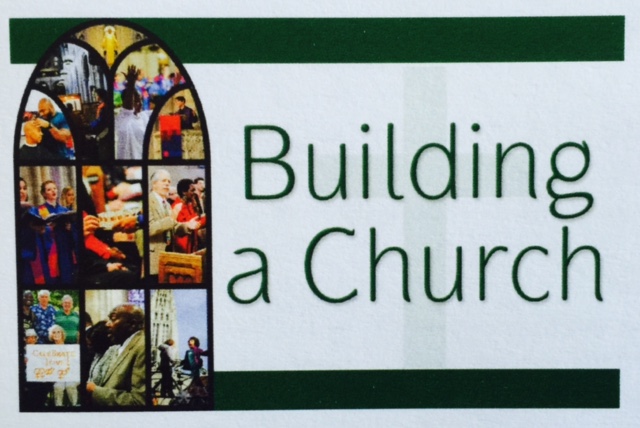
Well, here we are, on the seventh Sunday of Easter, thinking about what it means to build a church. We’d expected that Diana Butler Bass would be here, however, due to Amtrak tragedies and airline delays, you’re stuck with me today, on ascension Sunday.
Today’s passage from Acts is the very beginning of the book, Luke’s starting story. It invited the first disciples and it invites us to understand that one very essential quality of a church, this community we’re called to build, is the quality of courage.
A quote from Annie Dillard on writing—
“One of the few things I know about writing is this: spend it all, shoot it, play it, lose it, all, right away, every time.
Do not hoard what seems good for a later place in the book, or for another book; give it, give it all, give it now. The impulse to save something good for a better place later is the signal to spend it now.
Something more will arise for later, something better. These things fill from behind, from beneath, like well water.
Similarly, the impulse to keep to yourself what you have learned is not only shameful, it is destructive. Anything you do not give freely and abundantly becomes lost to you.”[1]
I always imagine it was a beautiful day.
I imagine that, more than a clear blue sky, there must have been a breeze off the Sea of Galilee, wildflowers blooming everywhere they looked . . . that day was a day of starting over, getting back (finally) to the way things used to be before all the recent and horribly dark events of the last few weeks. They’d lived through, don’t forget, political controversy, Jesus’ arrest and torture, a violent crucifixion, burial and resurrection.
Unlike most humans who grieve a death, however, Jesus’ disciples must have felt like they’d won the lottery. They’d lived through it all and carried their heavy, heavy regrets until, unbelievably, Jesus had risen from the dead.
 Jesus came back.
He’d appeared to them in their hiding place, their locked upper room; he’d met them on the beach; and according to Luke’s report here in Acts, he’d given them “many convincing proofs” and talked to them over and over for forty days about the same thing: the coming kingdom of God.
And now, on this day Luke recounts, Jesus finally walked with them again, up and down the rolling hills of Galilee, with the breeze blowing and the sun shining just enough for everyone to begin to believe that the pain was all behind them . . . that even with the trauma they’d just lived through, maybe, possibly, hopefully . . . things just might begin to get back to normal.
And, according to Luke, it seemed that that day on Galilee’s hillside was starting out to be just that.
As they walked along behind Jesus, they must have smiled knowingly and reassuringly at each other as they collectively hoped that things were finally returning to what they’d known before, that they had somehow, inexplicably, cheated death and could move on to whatever was next for their dynamic leader.
They listened to him preach that day, not really understanding him . . . but then again, what was new about that? I imagine that they just nodded appreciatively and thanked their lucky stars that things were back on track.
And, just like they remembered, there was a time that afternoon when Jesus would stop preaching and they could ask questions. When that time came, they took the opportunity because, as you might imagine, they had so many questions.
When, they asked?
When would this kingdom come to be?
It was a reasonable question, given all they had been through. They wanted to know: now that you have shown the Roman rulers who’s boss and put the leaders of the temple in their rightful places, when is what we’ve all come to expect going to happen? When will you become the guy in charge and all of us, your faithful followers, distinguished members of your cabinet? When? We saw you conquer death . . . what more could be left?
When my children were little, we had a list on our family bulletin board, tacked up every fall and listing what seemed every year an interminably long recitation of school days we’d have to survive. This list included all the things that animated our shared life as parent and child of elementary school age: soccer practice, science projects, field trips…. It became a ritual in our house that, first thing upon returning home from school, one of the kids would take a pen and cross out the day that had just been finished. And, little by little, one by one, the days disappeared. I was thinking about that this week when I realized that there are 24 days left until high school graduation for my current senior. 24 days! All of those carpool schedules and nights of homework and we’re almost there, it’s almost over.
I love knowing how much more I have to endure, so I can’t blame the disciples for asking what seems to me to be a most logical, reasonable question. We’ve been your faithful followers for some time now. How much longer will we have to live on the fringe of society, believing and hoping that everything you tell us about the kingdom of God will actually come to be? When, Jesus? We want to know . . . we need to know.
But as they asked the burning question of when this would all come to be, and he answered them . . . something about being his witnesses to the whole earth . . . , then he suddenly started floating, rising up into the sky, away from them, away from them all over again.
What??!?!
You can imagine their confusion and downright horror. They’d lived through crucifixion, against all odds. They were ready to follow him to whatever was next. And then . . . away he went. Away. Unbelievably, there they were on the hillsides of Galilee hands cupping their eyes, staring up into a brilliant blue sky, trying desperately to understand what Jesus was up to now.
And then he was gone.
Had I been there, I would have been among the group of disciples staring, mouths gaping open, at the clouds in the sky and the wisp left behind as Jesus ascended.
And . . . I might have been just a little bit mad.
Where did Jesus think he was going, just as the tide had started to turn and their political hopes were rising? Was all the grief and pain they’d experienced for nothing? How could he leave them after all they’d been through?
This turn of events is commonly known in standard church parlance as a festival called, The Day of Ascension. 2000 years of tradition have led us to turn this event into a feast day. But all I can think of when I read about it is how those disciples must have felt when Jesus left—Maybe abandoned? At a loss? Unsure of what to do next? Scared to death?
Luke uses the memory of this event to begin his story of the first church in the book of Acts, in the form of a letter for his student and friend, Theophilus. What could Luke have been thinking? What could this turn of events possibly mean, other than utter devastation in the lives of people who had already been traumatized beyond reason?
William Loader, an Australian Baptist theologian and Biblical scholar, suggests that Luke starts with this story because the poignant image of the disciples, crowded together on that mountaintop, is a strong representation of the ongoing question of modern Christ-followers, a question that must be answered over and over again with every generation that dares to embrace the Christian message.
You heard what the disciples want to know: “Is this the time when you will restore the kingdom to Israel?”
But when the Day of Ascension had come, Jesus led the disciples up to the top of a hill and was talking to them about this elusive, strange concept he kept prattling on and on about: the kingdom of God. When they asked him to tell them when, he answered with a rather puzzled response . . . what do you mean when will it come? It’s coming to be right here and now, and after today you will receive power from the Holy Spirit to be my witnesses here and in all of Judea and Samaria, and even to the ends of the earth. The kingdom of God is not something far-off or other-worldly . . . it starts now. How could you have missed what I have been telling you this whole, entire time?
But, they did.
And, we do.
It has become the custom of some Christian traditions to assess the situation in which we find ourselves—2000 years after Jesus’ ascension—and take the position that our obligation as modern-day followers of Jesus is to stand staring up at the sky.
We talk about heaven like it’s the best all-inclusive resort we can imagine.
I wonder just what we need to stop all the rhetoric about the “not yet” and get busy with Jesus’ invitation to change the world, little by little, starting right here and right now? If Annie Dillard had been standing there, she probably would have said—it’s time to start spending it—all that he taught you, all that he showed you. You can’t save it. You can’t keep it to yourself.
It’s a strange way for Dr. Luke to start the story of the first church, but come to think of it, everything about Jesus, God come to earth, is always taking us by surprise. The core of Jesus’ message was one of turning everything we expected on its head. He taught us to welcome strangers, to feed the hungry, to love our enemies. He said when this kingdom started to come to be, the weeping would dance with joy and the oppressed would experience freedom and those who lived crippled with an absence of hope would begin, unbelievably, to anticipate the future.
So it shouldn’t surprise us that what we expected—what even the first disciples expected—was not in any way what God had in mind.
No waiting around for the coming of a lofty reality we can only imagine.
No grandstand view from the sidelines, during which we debate who among us would be the most important of all.
No standing there, gaping at an empty sky, wondering what miraculous fix Jesus will pull out of his hat this time.
The kingdom of God starts now. It starts now.
I don’t know why Jesus had to leave. I suppose in some ways it would have been reassuring to have him here, even now, walking us through the reality of his message and hoping, like the first disciples, that despite our seeming denseness, eventually we might catch on.
But maybe it was with an empty sky, with Jesus’ handing of the baton to us, that the story of God’s kingdom come to earth finally, really began.
And begin it did, as those disciples swallowed their fear, and set out to start bringing the kingdom Jesus taught them about into full and tangible reality.
The question for us is, then, the same question they faced that day. Will we just stand there, gazing at an empty sky, wondering who will come to bail us out next?
Or . . . will we turn from the wisp of smoke we see, remember the strong message of Jesus, then use our own lives, our collective life, to make it happen?
Courage. It’s going to take a whole lot of courage to build a church in the way of Jesus. But this is our mandate: not to stand there, slack jawed, staring at the clear blue sky…but to summon all the courage we can, and get to work. God’s coming kingdom will not wait; it starts now.
Amen.
[1] Annie Dillard, The Writing Life.
Previous Post

May 10, 2015
Blowin' in the Wind
Next Post
May 19, 2015 Change the World
Browse Our Archives
Select a Category Answering the Call Being the Church Curating Wisdom Laughing Out Loud Living in Relationship Practicing Discipleship Reclaiming Baptist Speaking from the Pulpit Uncategorized
Select a Month July 2018 June 2018 May 2018 April 2018 March 2018 January 2018 December 2017 November 2017 October 2017 September 2017 June 2017 May 2017 April 2017 March 2017 February 2017 January 2017 December 2016 November 2016 October 2016 September 2016 August 2016 July 2016 June 2016 May 2016 April 2016 March 2016 February 2016 January 2016 December 2015 November 2015 October 2015 September 2015 August 2015 July 2015 June 2015 May 2015 April 2015 March 2015 February 2015 January 2015 December 2014 November 2014 October 2014 September 2014 August 2014 July 2014 June 2014 May 2014 April 2014 March 2014 February 2014 January 2014 December 2013 November 2013 October 2013 September 2013 August 2013 July 2013 June 2013 May 2013 April 2013 March 2013 February 2013 January 2013 December 2012 November 2012 October 2012 September 2012 August 2012 July 2012 June 2012 May 2012 April 2012 March 2012 February 2012 January 2012 December 2011 October 2011 September 2011 August 2011 July 2011 June 2011 May 2011 April 2011 March 2011 February 2011 January 2011 December 2010 November 2010 October 2010 September 2010 August 2010 July 2010 June 2010 May 2010 April 2010 March 2010 February 2010 January 2010 December 2009 November 2009 October 2009 September 2009 August 2009 July 2009 June 2009 May 2009 April 2009 March 2009 February 2009 January 2009 December 2008 November 2008 October 2008 September 2008 August 2008 July 2008 June 2008 May 2008 April 2008 March 2008 February 2008 January 2008 December 2007 November 2007 October 2007 September 2007 August 2007 July 2007 June 2007 May 2007 April 2007 March 2007 February 2007 January 2007 December 2006 November 2006 October 2006 September 2006 August 2006 July 2006 June 2006 May 2006 April 2006 March 2006 February 2006 January 2006 December 2005
Search for:
Recent Posts
- Sabbath as Radical Witness
- Learning Leadership: A Pilgrimage to Hawaii
- A Prayer for the Living of These Days
- Sabbath as Relationship
- Dressing Up Faith
Recent Comments
Archives
- July 2018
- June 2018
- May 2018
- April 2018
- March 2018
- January 2018
- December 2017
- November 2017
- October 2017
- September 2017
- June 2017
- May 2017
- April 2017
- March 2017
- February 2017
- January 2017
- December 2016
- November 2016
- October 2016
- September 2016
- August 2016
- July 2016
- June 2016
- May 2016
- April 2016
- March 2016
- February 2016
- January 2016
- December 2015
- November 2015
- October 2015
- September 2015
- August 2015
- July 2015
- June 2015
- May 2015
- April 2015
- March 2015
- February 2015
- January 2015
- December 2014
- November 2014
- October 2014
- September 2014
- August 2014
- July 2014
- June 2014
- May 2014
- April 2014
- March 2014
- February 2014
- January 2014
- December 2013
- November 2013
- October 2013
- September 2013
- August 2013
- July 2013
- June 2013
- May 2013
- April 2013
- March 2013
- February 2013
- January 2013
- December 2012
- November 2012
- October 2012
- September 2012
- August 2012
- July 2012
- June 2012
- May 2012
- April 2012
- March 2012
- February 2012
- January 2012
- December 2011
- October 2011
- September 2011
- August 2011
- July 2011
- June 2011
- May 2011
- April 2011
- March 2011
- February 2011
- January 2011
- December 2010
- November 2010
- October 2010
- September 2010
- August 2010
- July 2010
- June 2010
- May 2010
- April 2010
- March 2010
- February 2010
- January 2010
- December 2009
- November 2009
- October 2009
- September 2009
- August 2009
- July 2009
- June 2009
- May 2009
- April 2009
- March 2009
- February 2009
- January 2009
- December 2008
- November 2008
- October 2008
- September 2008
- August 2008
- July 2008
- June 2008
- May 2008
- April 2008
- March 2008
- February 2008
- January 2008
- December 2007
- November 2007
- October 2007
- September 2007
- August 2007
- July 2007
- June 2007
- May 2007
- April 2007
- March 2007
- February 2007
- January 2007
- December 2006
- November 2006
- October 2006
- September 2006
- August 2006
- July 2006
- June 2006
- May 2006
- April 2006
- March 2006
- February 2006
- January 2006
- December 2005
Categories
- Answering the Call
- Being the Church
- Curating Wisdom
- Laughing Out Loud
- Living in Relationship
- Practicing Discipleship
- Reclaiming Baptist
- Speaking from the Pulpit
- Uncategorized
Meta
Follow Us!
TAKE THE
Religious Wisdom Quiz
What city did David capture and make the capital of Israel?
Select your answer to see how you score.
Bethlehem Jerusalem Samaria Hebron
Related posts from Talk with the Preacher

A Prayer for the Living of These Days


Invitation, a Meditation for Maundy Thursday

Simple Gifts: When a Letter is Not Enough
TRENDING AT PATHEOS Progressive Christian

Why Christians Have a Sacred Duty to Vote:...
The Bible offers strong support for the sacred duty to vote. Here...

What Being a Modern-Day Apostle Means to Me
In my last column, I discussed the ins and outs of modern-day...

Did Ancient China Once Worship the God of...
Across human history, a common thread weaves through the origins of the...

Love Your Neighbor – Including Earth-Kin: Lev. 19,...
God’s command to love your neighbor means acting in an ethical and...

Lead a Church Study of “Jesus and Lao...
Guest writer Jack Thomas (The Irreverent Reverend) reflects on leading his church...

Principles for Understanding the Apostolic Ministry Today
Whenever people discover that my formal ministry title is "apostle," as in...
view all Progressive Christian blogs
Ad-Free & Subscriber Log-In Subscription Support
- About Us
- 2026 Calendar
- Videos
- Podcasts
- Library of World Religions
- Faith In Media Tracker
- Advertise With Us
- Write for Us
- Privacy Policy
- Terms of Service
- Do Not Sell My Data
- Contact Us
- Radiant Digital
- Manage Newsletter Subscriptions
- Unsubscribe From Notifications
- Sitemap
Copyright 2008-2026, Patheos. All rights reserved.
Subscription Support Ad-Free & Subscriber Log-In
Follow Patheos