
BuddhistCatholicContemplativeEvangelicalGeneral ChristianHinduJewishLatter-day SaintMuslimNew VisionsProgressive Christian
Beliefs
- Buddhist
- Catholic
- Contemplative
- Evangelical
- General Christian
- Hindu
- Jewish
- Latter-day Saint
- More Voices
- Muslim
- New Visions
- Pagan
- Progressive Christian
Topics
- Religion News
- Food and Religion
- Sports and Religion
- Religious Art
- Religious Music and Entertainment
- Religious Events
- History and Religion
- Style and Religion
- Politics and Religion
- Women in Religion
- Recreation Outdoors and Religion
- Business Finance and Religion
- Careers Workplace and Religion
- Education and Religion
- Family Parenting and Religion
- Health Fitness and Religion
- Home and Religion
- Relationships and Religion
- Technology and Religion
- Travel and Religion
Columnists
- Buddhist Columnists
- Business Finance and Religion Columnists
- Careers Workplace and Religion Columnists
- Catholic Columnists
- Contemplative Columnists
- Education and Religion Columnists
- Evangelists Columnists
- Family Parenting and Religion Columnists
- General Christian Columnists
- Health Fitness and Religion Columnists
- Hindu Columnists
- History and Religion Columnists
- Home and Religion Columnists
- Jewish Columnists
- More Voices Columnists
- Latter Day Columnists
- Muslim Columnists
- New Visions Columnists
- Nonreligious Columnists
- Pagan Columnists
- Politics and Religion Columnists
- Progressive Columnists
- Recreation Outdoors and Religion Columnists
- Relationships and Religion Columnists
- Religion News Columnists
- Religious Art Columnists
- Religious Events Columnists
- Religious Music and Entertainment Columnists
- Sports and Religion Columnists
- Style and Religion Columnists
- Technology and Religion Columnists
- Travel and Religion Columnists
- Women in Religion Columnists
Resource Library
- 2026 Calendar
- Library of World Religions
- The 100 Most Holy Places on Earth
- Patheos Answers
- Podcasts
- Videos
- Faith Leaders Database
- Anglican Episcopalian
- Bahai
- Baptist
- Buddhism
- Christianity
- Confucianism
- Eastern Orthodoxy
- Hinduism
- Holiness and Pentecostal
- ISKCON
- Islam
- Judaism
- Lutheran
- Methodist
- The Church of Jesus Christ of Latter-day Saints
- New Age
- Paganism
- Presbytarian and Reformed
- Protestantism
- Religion Behind the Scenes
- Roman Catholic
- Scientology
- Shia Islam
- Sikhism
- Sufism
- Sunni Islam
- Taoism
- Zen
- See all religions
Research Tools
 Ad-Free & Subscriber Log-In Subscription Support
Ad-Free & Subscriber Log-In Subscription Support
Follow Patheos 

- Trending:
- Forgiveness
- |
- Marriage
- |
- Consciousness
- |
- Death Penalty
- |
- Election
- |
- Halloween
 Talk with the Preacher
- Home
- Progressive Christian
- Illumine Peace
Illumine Peace
Last updated on: October 14, 2015 at 7:59 pm by Amy Butler
Illumine Peace 2015-10-14T19:59:31-04:00 Amy Butler
Patheos Explore the world's faith through different perspectives on religion and spirituality! Patheos has the views of the prevalent religions and spiritualities of the world.
Illumine Peace
Isaiah 40:1-11
December 7, 2014
Seventy three years ago today, the worst happened.
They had gone to mass the evening before. They preferred that to getting up too early on Sunday morning and fighting the traditional church crowd. Anyway, it was always nice to start out on Sunday with the morning free to get some of the housework done at a more leisurely pace. It was almost a social event for them.
They ate breakfast together on the lanai, the porch, probably toast and some papaya with fresh lemon juice, maybe some coffee. The two friends then gathered the week’s laundry and headed outside to the backyard. Under the mango trees they could hear the myna birds chattering away.
 Even at 7:30 in the morning, the sun was already warming the yard and it looked like it was going to be a beautiful day. The house was up high on the side of the mountain so the cool trade winds blew in off the harbor and made for quite a pleasant December Sunday morning.
With the sun shining down on them and the breeze keeping them cool, the friends gathered their laundry together, filled their laundry tubs and began scrubbing.
They stood side by side in the sunshine, those two friends, neighborhood gossip dominating their conversation, the whole lazy Sunday spread out before them like a wrapped Christmas gift. Maybe after laundry, they thought, we’ll take a ride to the beach.
As they chatted together in the warm sunshine, they gradually began to notice the droning overhead. Not too surprising to hear airplanes . . . they were used to the military’s occupation and the ongoing exercises—landing and lift off from the huge aircraft carriers in just off the coast.
Funny, though, to see the exact formation of planes coming straight through the mountain ranges, exact Vs cutting the bright blue sky. They noticed, but went back to their chatter. So much gossip to catch up on, a whole day to spend with family and friends, relaxing.
From what I’ve heard recounted to me, it was the first explosions that suddenly brought their scrubbing to a standstill, their chatter to a silence. Target practice was one thing, but as they gazed down at the harbor, it seemed like fire was erupting everywhere they looked. Planes continued to fly overhead, straight through the mountain pass, headed for the harbor. By the time they saw the huge battleships exploding, they knew. In that moment, they knew . . . they knew the worst had happened.
One minute the most urgent thing on their agendas was getting the laundry done and getting to the beach. In just a moment, those pursuits were suddenly replaced with a silent dread that crept up to their hearts. As they stood, hands in the suds, they realized: from that moment on, nothing would be the same anymore.
That’s how the story’s been told in my house, anyway. My grandmother and my aunt were the ones in the backyard, doing the laundry. The harbor below was, of course, Pearl Harbor. That glistening, sun-drenched day was December 7, 1941.
See, everything changed for my grandmother after that. Hawaii was not a state at the time, just an exotic naval outpost in the middle of the pacific. Natives of the Islands, perhaps detached previously, were caught in the very epicenter of a moment that changed the island territory, the United States, the world, forever. One moment they were gracious hosts of a fun-loving military population. The next they were victims of violence, the very heart of the war in the pacific, no longer a host for the United States military, but, increasingly, a critical part of the United States itself.
That crisp Sunday morning, sun shining and cool breezes blowing, everything changed.
There are moments like that, moments that define our lives. Moments in which something ends—in this case, a peaceful existence—and something else begins, say, war. Definitive moments where something changes EVERYTHING and we go on living from that point, things changed to something they never were before. We turn a corner. We can never go back, when the worst happens.
For the people of Israel, also, the worst had happened. For 39 chapters of the book of Isaiah, the prophet kept warning them: stop the way you’re living; turn around and mend your ways; live like you love God and love your neighbor, or else.
But you know the story—you heard it last week. Years of pleading with the people and they didn’t listen, so here we are in Isaiah chapter 40 when the worst had happened. The Babylonians had invaded; the people were carted off to exile; the city of Jerusalem was reduced to rubble and the Psalmist’s cry echoed the peoples’ desperation: “By the rivers of Babylon—
there we sat down and there we wept
when we remembered Zion.
On the willows there
we hung up our harps…
How could we sing the Lord’s song
in a foreign land?”
It was a moment of desperate hopelessness.
Today, on the second Sunday of Advent, the Sunday of peace, the lectionary passages take us right past those first 39 chapters of Isaiah, those chapters of warning, to chapter 40.
The worst has just happened. The city is destroyed. The people have laid down their harps and are sobbing. The prophet is standing there in the rubble and dust, unsure what to say.
And it’s there, in the hopelessness and destruction, that the prophet hears God’s voice again. Turn with me to Isaiah chapter 40 and follow the experience Isaiah had.
“It’s time to speak again, and here’s your message for the people, Isaiah,” comes the voice of God. “In the middle of the worst, comfort them. Comfort my people!”
And next in the passage, the voices in heaven surround the command of God: “In the wilderness—in the desperation and hopelessness and rubble—prepare the way of the Lord!”
Well, like all good biblical prophets, it’s right here that Isaiah has a bit of a crisis of faith. You can see it in verse 6: “A voice says to me ‘Cry out!’—but what shall I cry?”
“Look at the destruction around me! If there was any illusion that we had it together, that we could handle things, well that’s gone. Look around! Human life is fleeting; destruction is all I can see. How can I declare hope in an utterly hopeless situation?”
Year after year of warning, of begging the people to make things right, the hopelessness and desperation they were feeling settled over the prophet like a wet woolen blanket. “How can I sing the Lord’s song in a strange land? How can I speak words of life into a culture of death?”
And you see God’s answer in verse 8: “You’re right. Human life is fleeting; humans are fragile and flawed; they wreak destruction and cultivate hopelessness. But. But, the word of God will stand forever.”
“So, you doubting prophet, you who looks around at the devastation you’ve tried so hard but failed to prevent, you who feels tempted to give in to the hopelessness around you: I, the Lord says, no.”
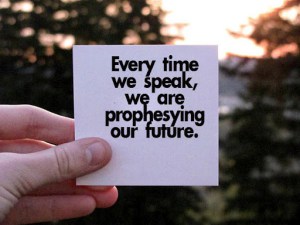
“No! You will speak! You will speak into the hopelessness. You will speak into the despair. You will speak into the destruction. You will speak into the death.”
“You will get yourself up to a high mountain. You will lift your voice with strength. You will not fear! You will say to the devastated city: HERE IS YOUR GOD.”
You will speak.
This has been such a week in our country, in our city. I saw it in your eyes this week, heard it in your voices, felt it in your tears: it seemed to many of us that the very worst has happened.
What kind of country do we live in where such gross injustice occurs? Who are we, who allow men to lie in the street dead for hours; whose children are killed by authorities; whose citizens are choked to death on the sidewalks of our cities; whose communities have devolved into places where we don’t know each other, where we don’t even see each other as fellow human beings?
How have we allowed this? Why have we neglected the work of reconciliation and healing? As we look around at the rubble of our society, perhaps we feel that the worst has happened. And, like the prophet, we ask in our shame and fear, hopelessness and pain: what shall we do?
People of God, today is the second Sunday of Advent, the Sunday of peace. It is the day in which we, like the prophet, stand in the wilderness and darkness and despair of Advent and we refuse to give in. We declare with persistence and tenacity that the reign of God is coming, that the light of Christ will arrive to banish our darkness, that the desperate conflict and destruction around us will be tended by the God who feeds his flock like a shepherd and gathers the little ones in his arms and brings us peace.
But first, we must speak.
We saw and heard on our televisions and in the streets of our city the chant of protestors, loud and strident: “No justice, no peace!” If we claim to be people of peace, we must be bringers of justice, declarers of hope, prophets of light.
The worst has happened. In the desperation surrounding us, listen now to the voice of God. “You will lift your voices with strength. You will not fear! You will say to the devastated city: HERE IS YOUR GOD.”
You will speak.
Amen.
Previous Post

December 3, 2014
Learning Lament: One Day in Ferguson
Next Post
December 11, 2014 Advent of Hope, #1
Browse Our Archives
Select a Category Answering the Call Being the Church Curating Wisdom Laughing Out Loud Living in Relationship Practicing Discipleship Reclaiming Baptist Speaking from the Pulpit Uncategorized
Select a Month July 2018 June 2018 May 2018 April 2018 March 2018 January 2018 December 2017 November 2017 October 2017 September 2017 June 2017 May 2017 April 2017 March 2017 February 2017 January 2017 December 2016 November 2016 October 2016 September 2016 August 2016 July 2016 June 2016 May 2016 April 2016 March 2016 February 2016 January 2016 December 2015 November 2015 October 2015 September 2015 August 2015 July 2015 June 2015 May 2015 April 2015 March 2015 February 2015 January 2015 December 2014 November 2014 October 2014 September 2014 August 2014 July 2014 June 2014 May 2014 April 2014 March 2014 February 2014 January 2014 December 2013 November 2013 October 2013 September 2013 August 2013 July 2013 June 2013 May 2013 April 2013 March 2013 February 2013 January 2013 December 2012 November 2012 October 2012 September 2012 August 2012 July 2012 June 2012 May 2012 April 2012 March 2012 February 2012 January 2012 December 2011 October 2011 September 2011 August 2011 July 2011 June 2011 May 2011 April 2011 March 2011 February 2011 January 2011 December 2010 November 2010 October 2010 September 2010 August 2010 July 2010 June 2010 May 2010 April 2010 March 2010 February 2010 January 2010 December 2009 November 2009 October 2009 September 2009 August 2009 July 2009 June 2009 May 2009 April 2009 March 2009 February 2009 January 2009 December 2008 November 2008 October 2008 September 2008 August 2008 July 2008 June 2008 May 2008 April 2008 March 2008 February 2008 January 2008 December 2007 November 2007 October 2007 September 2007 August 2007 July 2007 June 2007 May 2007 April 2007 March 2007 February 2007 January 2007 December 2006 November 2006 October 2006 September 2006 August 2006 July 2006 June 2006 May 2006 April 2006 March 2006 February 2006 January 2006 December 2005
Search for:
Recent Posts
- Sabbath as Radical Witness
- Learning Leadership: A Pilgrimage to Hawaii
- A Prayer for the Living of These Days
- Sabbath as Relationship
- Dressing Up Faith
Recent Comments
Archives
- July 2018
- June 2018
- May 2018
- April 2018
- March 2018
- January 2018
- December 2017
- November 2017
- October 2017
- September 2017
- June 2017
- May 2017
- April 2017
- March 2017
- February 2017
- January 2017
- December 2016
- November 2016
- October 2016
- September 2016
- August 2016
- July 2016
- June 2016
- May 2016
- April 2016
- March 2016
- February 2016
- January 2016
- December 2015
- November 2015
- October 2015
- September 2015
- August 2015
- July 2015
- June 2015
- May 2015
- April 2015
- March 2015
- February 2015
- January 2015
- December 2014
- November 2014
- October 2014
- September 2014
- August 2014
- July 2014
- June 2014
- May 2014
- April 2014
- March 2014
- February 2014
- January 2014
- December 2013
- November 2013
- October 2013
- September 2013
- August 2013
- July 2013
- June 2013
- May 2013
- April 2013
- March 2013
- February 2013
- January 2013
- December 2012
- November 2012
- October 2012
- September 2012
- August 2012
- July 2012
- June 2012
- May 2012
- April 2012
- March 2012
- February 2012
- January 2012
- December 2011
- October 2011
- September 2011
- August 2011
- July 2011
- June 2011
- May 2011
- April 2011
- March 2011
- February 2011
- January 2011
- December 2010
- November 2010
- October 2010
- September 2010
- August 2010
- July 2010
- June 2010
- May 2010
- April 2010
- March 2010
- February 2010
- January 2010
- December 2009
- November 2009
- October 2009
- September 2009
- August 2009
- July 2009
- June 2009
- May 2009
- April 2009
- March 2009
- February 2009
- January 2009
- December 2008
- November 2008
- October 2008
- September 2008
- August 2008
- July 2008
- June 2008
- May 2008
- April 2008
- March 2008
- February 2008
- January 2008
- December 2007
- November 2007
- October 2007
- September 2007
- August 2007
- July 2007
- June 2007
- May 2007
- April 2007
- March 2007
- February 2007
- January 2007
- December 2006
- November 2006
- October 2006
- September 2006
- August 2006
- July 2006
- June 2006
- May 2006
- April 2006
- March 2006
- February 2006
- January 2006
- December 2005
Categories
- Answering the Call
- Being the Church
- Curating Wisdom
- Laughing Out Loud
- Living in Relationship
- Practicing Discipleship
- Reclaiming Baptist
- Speaking from the Pulpit
- Uncategorized
Meta
Follow Us!
TAKE THE
Religious Wisdom Quiz
Who advised Moses to appoint judges to help lead the people?
Select your answer to see how you score.
Joshua Miriam Aaron Jethro
Related posts from Talk with the Preacher

Learning Leadership: A Pilgrimage to Hawaii

A Prayer for the Living of These Days


TRENDING AT PATHEOS Progressive Christian

Why Christians Have a Sacred Duty to Vote:...
The Bible offers strong support for the sacred duty to vote. Here...

What Being a Modern-Day Apostle Means to Me
In my last column, I discussed the ins and outs of modern-day...

Did Ancient China Once Worship the God of...
Across human history, a common thread weaves through the origins of the...

Love Your Neighbor – Including Earth-Kin: Lev. 19,...
God’s command to love your neighbor means acting in an ethical and...

Lead a Church Study of “Jesus and Lao...
Guest writer Jack Thomas (The Irreverent Reverend) reflects on leading his church...

Principles for Understanding the Apostolic Ministry Today
Whenever people discover that my formal ministry title is "apostle," as in...
view all Progressive Christian blogs
Ad-Free & Subscriber Log-In Subscription Support
- About Us
- 2026 Calendar
- Videos
- Podcasts
- Library of World Religions
- Faith In Media Tracker
- Advertise With Us
- Write for Us
- Privacy Policy
- Terms of Service
- Do Not Sell My Data
- Contact Us
- Radiant Digital
- Manage Newsletter Subscriptions
- Unsubscribe From Notifications
- Sitemap
Copyright 2008-2026, Patheos. All rights reserved.
Subscription Support Ad-Free & Subscriber Log-In
Follow Patheos