
BuddhistCatholicContemplativeEvangelicalGeneral ChristianHinduJewishLatter-day SaintMuslimNew VisionsProgressive Christian
Beliefs
- Buddhist
- Catholic
- Contemplative
- Evangelical
- General Christian
- Hindu
- Jewish
- Latter-day Saint
- More Voices
- Muslim
- New Visions
- Pagan
- Progressive Christian
Topics
- Religion News
- Food and Religion
- Sports and Religion
- Religious Art
- Religious Music and Entertainment
- Religious Events
- History and Religion
- Style and Religion
- Politics and Religion
- Women in Religion
- Recreation Outdoors and Religion
- Business Finance and Religion
- Careers Workplace and Religion
- Education and Religion
- Family Parenting and Religion
- Health Fitness and Religion
- Home and Religion
- Relationships and Religion
- Technology and Religion
- Travel and Religion
Columnists
- Buddhist Columnists
- Business Finance and Religion Columnists
- Careers Workplace and Religion Columnists
- Catholic Columnists
- Contemplative Columnists
- Education and Religion Columnists
- Evangelists Columnists
- Family Parenting and Religion Columnists
- General Christian Columnists
- Health Fitness and Religion Columnists
- Hindu Columnists
- History and Religion Columnists
- Home and Religion Columnists
- Jewish Columnists
- More Voices Columnists
- Latter Day Columnists
- Muslim Columnists
- New Visions Columnists
- Nonreligious Columnists
- Pagan Columnists
- Politics and Religion Columnists
- Progressive Columnists
- Recreation Outdoors and Religion Columnists
- Relationships and Religion Columnists
- Religion News Columnists
- Religious Art Columnists
- Religious Events Columnists
- Religious Music and Entertainment Columnists
- Sports and Religion Columnists
- Style and Religion Columnists
- Technology and Religion Columnists
- Travel and Religion Columnists
- Women in Religion Columnists
Resource Library
- 2026 Calendar
- Library of World Religions
- The 100 Most Holy Places on Earth
- Patheos Answers
- Podcasts
- Videos
- Faith Leaders Database
- Anglican Episcopalian
- Bahai
- Baptist
- Buddhism
- Christianity
- Confucianism
- Eastern Orthodoxy
- Hinduism
- Holiness and Pentecostal
- ISKCON
- Islam
- Judaism
- Lutheran
- Methodist
- The Church of Jesus Christ of Latter-day Saints
- New Age
- Paganism
- Presbytarian and Reformed
- Protestantism
- Religion Behind the Scenes
- Roman Catholic
- Scientology
- Shia Islam
- Sikhism
- Sufism
- Sunni Islam
- Taoism
- Zen
- See all religions
Research Tools
 Ad-Free & Subscriber Log-In Subscription Support
Ad-Free & Subscriber Log-In Subscription Support
Follow Patheos 

- Trending:
- Forgiveness
- |
- Marriage
- |
- Consciousness
- |
- Death Penalty
- |
- Election
- |
- Halloween
 Talk with the Preacher
- Home
- Progressive Christian
- Promises, Promises: Never Again
Promises, Promises: Never Again
Last updated on: October 14, 2015 at 8:30 pm by Amy Butler
Promises, Promises: Never Again 2015-10-14T20:30:17-04:00 Amy Butler
Patheos Explore the world's faith through different perspectives on religion and spirituality! Patheos has the views of the prevalent religions and spiritualities of the world.
Promises, Promises: Never Again
Genesis 9:8-17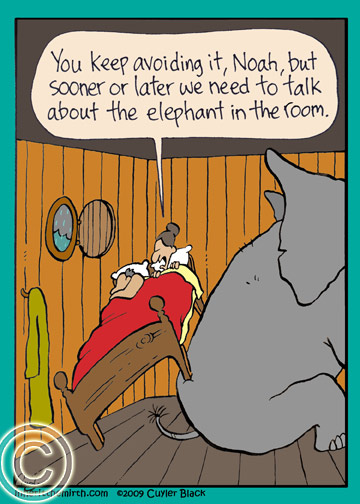
I will never forget that fateful day, about two years ago, at 10:45 one Sunday morning. It was the day I sat down to print out my final copy of the sermon for that morning and somehow that I can’t figure out still to this day, managed to delete the file.
It was not a delete in the “undo edit” sense of delete. I completely, somehow, destroyed the entire file and had no sermon on paper that morning. In the fifteen minutes that passed between my deleting the file and the start of worship, I decided I could either run away and never come back…or wing it, which I ended up doing.
I did not intend to press the delete key (or whatever I did) that morning. But however it happened, in that moment the entire sermon was gone. It still gives me chills just thinking about it. Anybody besides me remember that day?
As we look to our Hebrew scripture this morning, I think it’s clear that God meant to press the delete key. If you’re unfamiliar with the story of Noah and the great flood, you can back up about two chapters and read the entire story, in various versions, from God getting mad, to Noah building a boat, to the animals filing in two by two.
But I’m fairly sure you know the story, as does most everyone, because it has been told and retold with cute little furry animals and an ark that looks like a Carnival cruise ship in Fisher Price’s interpretation. In fact, you can buy stuffed toys of Noah and the ark; or wooden figurines that make up a whole set. You can decorate your baby’s nursery with a Noah’s ark theme, or, like me, sew your kids the cutest Noah’s ark curtains for their bedrooms. Some of you may even have received a notecard from me with a picture of Noah and his wife on the ark with the animals, and she’s saying: “Noah, sooner or later we need to talk about the elephant in the room….”
But the story of Noah and the great flood is really not a laughing matter at all, and probably not that appropriate for your kids’ bedroom theme, either. The story of the great flood is a story of fear, terror, and regret, it’s God pressing the delete key—on purpose—on a creation that had violated, over and over again, the relationship between created and Creator, that had taken the gift of free will and gone, well, crazy.
The world in Noah’s time was not what God envisioned. It was not what God wanted when God entered into relationship with human beings. It was a situation so bad that God hit the delete key—on purpose—and the whole world was destroyed.
Start over.
Someone asked me this week if the story of Noah and the ark was a true historical story. Since I suspected this might be a trick question, I think I fell back on my standard safety answer, “What do you think?”
As we know, the Bible was not written as a historical record of events. Instead, it’s a grand and sweeping story of God’s interaction with the world, of the relationship between human beings and their Creator. This flood story is the Hebrew version, one of between 250 and 300 flood stories found by anthropologists on every continent in almost every group of people.
So since this was probably not the ancient version of CNN’s story of an actual, historical flood, we readers of the text have some deeper and more universal truth to learn about God or about ourselves through the telling and hearing of this story. In other words, whether or not an actual historical event took place just as reported here, the story of Noah and the flood is true, and it has something to teach us about relationship with God.
Specifically, today on the first Sunday of Lent, we read this story as the first of several “covenant stories” found in the Hebrew text and think about promises. The word covenant means promise, and as we’re embarking on a season of the church year when we are invited to take a long, hard look at our lives and think about making some changes, we’re looking back at stories of faith in which promises are made, broken, renegotiated, and kept.
Let’s review a little bit of what how things were before the story of the great flood. The story of God’s relationship with humanity begins with the creation of the world, as you recall, but in the six chapters between that and the flood, things really start to go downhill. There’s the whole Adam and Eve with the snake and the tree of life situation, followed closely by their banishment fromEden. Then their sons Cain and Abel get into some trouble resulting in murder. Things get worse even from there until, at the beginning of chapter 6, the text says: “The Lord saw that the wickedness of humankind was great in the earth, and that every inclination of the thoughts of their hearts was only evil continually. And the Lord was sorry that he had made humankind on the earth, and it grieved him to his heart.”
And so it was that God starts over, presses delete, begins again. Of course the events of the flood changed the earth. Populations were decimated; the whole of the earth was covered with water; only Noah and his family survived on the ark. And did that fix the problem of sin? Did it stop acts of human selfishness, anger, and greed? Well? What do you think?
No, of course it did not. Creation continued. Humanity rolled along as it had before. People made mistakes and betrayed each other and disobeyed God, destroyed the earth and still cause all sorts of trouble. Don’t think God is smiling down benevolently at our antics these days, given up on expectations since the whole flood. I don’t think that God’s hopes for us are any less rigorous or lofty than they were then. But it is true that something changed with the flood.
God changed.
And God changed because God made a promise—a promise to hang up the bow of vengeance and retribution, to retire from battle, to forgo our destruction no matter what. A promise. God’s promise didn’t change our behavior; God’s promise changed the nature of God’s relationship with us…a change from humanity getting what it deserved to an offer of grace and relationship, no matter what. God changed when God made his promise. We change when we make promises, too.
In 1999, Michael Ackerman was a pediatric cardiologist in training at the Mayo Clinic. One of his first heart transplant patients was eight year old Stefani Pentiuk, who had been on the transplant list for only two days after doctor’s determined she would not live without a transplant heart. When the call came that a heart was available, Stefani was in her hospital room with Dr. Ackerman and asked him if he thought she would live through the transplant.
Dr. Ackerman said later that no class in medical school prepared him for questions of life and death from little kids whose very lives were at risk, and he doesn’t recall what made him say it, but in answer to her question Dr. Ackerman made a promise…he told eight year old Stefani that he would be at her senior prom to dance with her, that the transplant would take and when it did, he promised to show up for a dance.
Sure enough, ten years later Dr. Ackerman was traveling from California to Florida for speaking engagements, but he stopped off inMichiganjust to make an appearance at Stefani’s senior prom. As you can imagine, there were tears all around.
Later, when interviewed on CBS this morning, Dr. Ackerman was asked why he would promise an 8 year old that he’d dance at her prom. After all, what eight year old really spends that much time thinking about a senior prom? Dr. Ackerman said he didn’t really know why he said what he did, other than the fact that he was thinking about Stefani’s father, and about himself as a father, and imagining that senior prom would mark a passage to adulthood that every father would want to see. Going to the prom didn’t mean much to eight year old Stefani at the time, but it did mean something to Dr. Michael Ackerman. It meant enough to see Stefani and her family through the transplant and then travel hours out of his way ten years later just to dance with 18 year old, healthy Stefani…just as he had promised.
In a little way, Dr. Ackerman’s experience when he made that promise to Stefani was a bit like what happened to God after the flood. With the making of a promise, with the hanging of the bow in the sky, something changed. God’s promise changed God—changed God’s regret over creating such sinful creatures into a resolve to love us, no matter what, to forgo our destruction no matter how and how often we miss the mark or fail to meet God’s expectations.
Promise making and promise keeping take courage, largely because they change us. Even God faced change so profound that he had to remind himself of the difference. InHawaiiwhere rainbows are a daily occurrence we learned that seeing a rainbow was a reminder to us of God’s promises. Turns out the text says the bow is a reminder to God…because perhaps even keeping promises is not that easy for God, either. Ancient deities are often depicted holding a bow and arrow. For God to hang a bow in the sky is a physical reminder that God has put away battle; that destruction is no longer an option on the table; that the promise God has made has changed…God.
As we set out on this season of Lent we give thanks that God’s memory is more powerful than our forgetfulness. God will not forget God’s promise to us, even when we forget our promises to God. Striving to keep a promise and failing: these often characterize our Lenten experience. But, though we fail, God does not, and God’s promises to us do not fail either.
The story of Noah and the great flood is a reminder of just that. God has hung God’s bow in the sky and put away retribution forever. God has changed God’s mind.
Perhaps even in our human failing, if we have the courage to make promises, we will change, too. If we examine our lives enough to promise something new, we might find that the act of promise making and promise keeping softens our hearts…that is shifts the focus of our lives from ourselves to others…that we will act responsibly in relationships and situations…that we will see the world in a way that doesn’t always require ourselves at its center…that we will change.
What signs might we need to feel the changes our promises make in us? How can we follow God’s example in the story of Noah and let our promise-making soften our hearts and change us?
This Lent, make your promises. And then, let them change you. Amen.
Previous Post

February 25, 2012
Poetry Corner
Next Post
February 27, 2012 Lent With Lauren
Browse Our Archives
Select a Category Answering the Call Being the Church Curating Wisdom Laughing Out Loud Living in Relationship Practicing Discipleship Reclaiming Baptist Speaking from the Pulpit Uncategorized
Select a Month July 2018 June 2018 May 2018 April 2018 March 2018 January 2018 December 2017 November 2017 October 2017 September 2017 June 2017 May 2017 April 2017 March 2017 February 2017 January 2017 December 2016 November 2016 October 2016 September 2016 August 2016 July 2016 June 2016 May 2016 April 2016 March 2016 February 2016 January 2016 December 2015 November 2015 October 2015 September 2015 August 2015 July 2015 June 2015 May 2015 April 2015 March 2015 February 2015 January 2015 December 2014 November 2014 October 2014 September 2014 August 2014 July 2014 June 2014 May 2014 April 2014 March 2014 February 2014 January 2014 December 2013 November 2013 October 2013 September 2013 August 2013 July 2013 June 2013 May 2013 April 2013 March 2013 February 2013 January 2013 December 2012 November 2012 October 2012 September 2012 August 2012 July 2012 June 2012 May 2012 April 2012 March 2012 February 2012 January 2012 December 2011 October 2011 September 2011 August 2011 July 2011 June 2011 May 2011 April 2011 March 2011 February 2011 January 2011 December 2010 November 2010 October 2010 September 2010 August 2010 July 2010 June 2010 May 2010 April 2010 March 2010 February 2010 January 2010 December 2009 November 2009 October 2009 September 2009 August 2009 July 2009 June 2009 May 2009 April 2009 March 2009 February 2009 January 2009 December 2008 November 2008 October 2008 September 2008 August 2008 July 2008 June 2008 May 2008 April 2008 March 2008 February 2008 January 2008 December 2007 November 2007 October 2007 September 2007 August 2007 July 2007 June 2007 May 2007 April 2007 March 2007 February 2007 January 2007 December 2006 November 2006 October 2006 September 2006 August 2006 July 2006 June 2006 May 2006 April 2006 March 2006 February 2006 January 2006 December 2005
Search for:
Recent Posts
- Sabbath as Radical Witness
- Learning Leadership: A Pilgrimage to Hawaii
- A Prayer for the Living of These Days
- Sabbath as Relationship
- Dressing Up Faith
Recent Comments
Archives
- July 2018
- June 2018
- May 2018
- April 2018
- March 2018
- January 2018
- December 2017
- November 2017
- October 2017
- September 2017
- June 2017
- May 2017
- April 2017
- March 2017
- February 2017
- January 2017
- December 2016
- November 2016
- October 2016
- September 2016
- August 2016
- July 2016
- June 2016
- May 2016
- April 2016
- March 2016
- February 2016
- January 2016
- December 2015
- November 2015
- October 2015
- September 2015
- August 2015
- July 2015
- June 2015
- May 2015
- April 2015
- March 2015
- February 2015
- January 2015
- December 2014
- November 2014
- October 2014
- September 2014
- August 2014
- July 2014
- June 2014
- May 2014
- April 2014
- March 2014
- February 2014
- January 2014
- December 2013
- November 2013
- October 2013
- September 2013
- August 2013
- July 2013
- June 2013
- May 2013
- April 2013
- March 2013
- February 2013
- January 2013
- December 2012
- November 2012
- October 2012
- September 2012
- August 2012
- July 2012
- June 2012
- May 2012
- April 2012
- March 2012
- February 2012
- January 2012
- December 2011
- October 2011
- September 2011
- August 2011
- July 2011
- June 2011
- May 2011
- April 2011
- March 2011
- February 2011
- January 2011
- December 2010
- November 2010
- October 2010
- September 2010
- August 2010
- July 2010
- June 2010
- May 2010
- April 2010
- March 2010
- February 2010
- January 2010
- December 2009
- November 2009
- October 2009
- September 2009
- August 2009
- July 2009
- June 2009
- May 2009
- April 2009
- March 2009
- February 2009
- January 2009
- December 2008
- November 2008
- October 2008
- September 2008
- August 2008
- July 2008
- June 2008
- May 2008
- April 2008
- March 2008
- February 2008
- January 2008
- December 2007
- November 2007
- October 2007
- September 2007
- August 2007
- July 2007
- June 2007
- May 2007
- April 2007
- March 2007
- February 2007
- January 2007
- December 2006
- November 2006
- October 2006
- September 2006
- August 2006
- July 2006
- June 2006
- May 2006
- April 2006
- March 2006
- February 2006
- January 2006
- December 2005
Categories
- Answering the Call
- Being the Church
- Curating Wisdom
- Laughing Out Loud
- Living in Relationship
- Practicing Discipleship
- Reclaiming Baptist
- Speaking from the Pulpit
- Uncategorized
Meta
Follow Us!
TAKE THE
Religious Wisdom Quiz
True or False: King Josiah found the Book of the Law hidden in the temple during repairs.
Select your answer to see how you score.
FALSE TRUE
Related posts from Talk with the Preacher


Learning Leadership: A Pilgrimage to Hawaii

A Prayer for the Living of These Days

TRENDING AT PATHEOS Progressive Christian

Why Christians Have a Sacred Duty to Vote:...
The Bible offers strong support for the sacred duty to vote. Here...

What Being a Modern-Day Apostle Means to Me
In my last column, I discussed the ins and outs of modern-day...

Did Ancient China Once Worship the God of...
Across human history, a common thread weaves through the origins of the...

Love Your Neighbor – Including Earth-Kin: Lev. 19,...
God’s command to love your neighbor means acting in an ethical and...

Lead a Church Study of “Jesus and Lao...
Guest writer Jack Thomas (The Irreverent Reverend) reflects on leading his church...

Principles for Understanding the Apostolic Ministry Today
Whenever people discover that my formal ministry title is "apostle," as in...
view all Progressive Christian blogs
Ad-Free & Subscriber Log-In Subscription Support
- About Us
- 2026 Calendar
- Videos
- Podcasts
- Library of World Religions
- Faith In Media Tracker
- Advertise With Us
- Write for Us
- Privacy Policy
- Terms of Service
- Do Not Sell My Data
- Contact Us
- Radiant Digital
- Manage Newsletter Subscriptions
- Unsubscribe From Notifications
- Sitemap
Copyright 2008-2026, Patheos. All rights reserved.
Subscription Support Ad-Free & Subscriber Log-In
Follow Patheos