
BuddhistCatholicContemplativeEvangelicalGeneral ChristianHinduJewishLatter-day SaintMuslimNew VisionsProgressive Christian
Beliefs
- Buddhist
- Catholic
- Contemplative
- Evangelical
- General Christian
- Hindu
- Jewish
- Latter-day Saint
- More Voices
- Muslim
- New Visions
- Pagan
- Progressive Christian
Topics
- Religion News
- Food and Religion
- Sports and Religion
- Religious Art
- Religious Music and Entertainment
- Religious Events
- History and Religion
- Style and Religion
- Politics and Religion
- Women in Religion
- Recreation Outdoors and Religion
- Business Finance and Religion
- Careers Workplace and Religion
- Education and Religion
- Family Parenting and Religion
- Health Fitness and Religion
- Home and Religion
- Relationships and Religion
- Technology and Religion
- Travel and Religion
Columnists
- Buddhist Columnists
- Business Finance and Religion Columnists
- Careers Workplace and Religion Columnists
- Catholic Columnists
- Contemplative Columnists
- Education and Religion Columnists
- Evangelists Columnists
- Family Parenting and Religion Columnists
- General Christian Columnists
- Health Fitness and Religion Columnists
- Hindu Columnists
- History and Religion Columnists
- Home and Religion Columnists
- Jewish Columnists
- More Voices Columnists
- Latter Day Columnists
- Muslim Columnists
- New Visions Columnists
- Nonreligious Columnists
- Pagan Columnists
- Politics and Religion Columnists
- Progressive Columnists
- Recreation Outdoors and Religion Columnists
- Relationships and Religion Columnists
- Religion News Columnists
- Religious Art Columnists
- Religious Events Columnists
- Religious Music and Entertainment Columnists
- Sports and Religion Columnists
- Style and Religion Columnists
- Technology and Religion Columnists
- Travel and Religion Columnists
- Women in Religion Columnists
Resource Library
- 2026 Calendar
- Library of World Religions
- The 100 Most Holy Places on Earth
- Patheos Answers
- Podcasts
- Videos
- Faith Leaders Database
- Anglican Episcopalian
- Bahai
- Baptist
- Buddhism
- Christianity
- Confucianism
- Eastern Orthodoxy
- Hinduism
- Holiness and Pentecostal
- ISKCON
- Islam
- Judaism
- Lutheran
- Methodist
- The Church of Jesus Christ of Latter-day Saints
- New Age
- Paganism
- Presbytarian and Reformed
- Protestantism
- Religion Behind the Scenes
- Roman Catholic
- Scientology
- Shia Islam
- Sikhism
- Sufism
- Sunni Islam
- Taoism
- Zen
- See all religions
Research Tools
 Ad-Free & Subscriber Log-In Subscription Support
Ad-Free & Subscriber Log-In Subscription Support
Follow Patheos 

- Trending:
- Forgiveness
- |
- Marriage
- |
- Consciousness
- |
- Death Penalty
- |
- Election
- |
- Halloween

- Home
- Religious Music & Entertainment
- How the Church Can Heal the Race Divide
How the Church Can Heal the Race Divide
Last updated on: August 24, 2022 at 1:20 pm by Guest Contributor
How the Church Can Heal the Race Divide 2022-08-24T13:20:15-06:00 Guest Contributor
Patheos Explore the world's faith through different perspectives on religion and spirituality! Patheos has the views of the prevalent religions and spiritualities of the world.
Pixabay.com
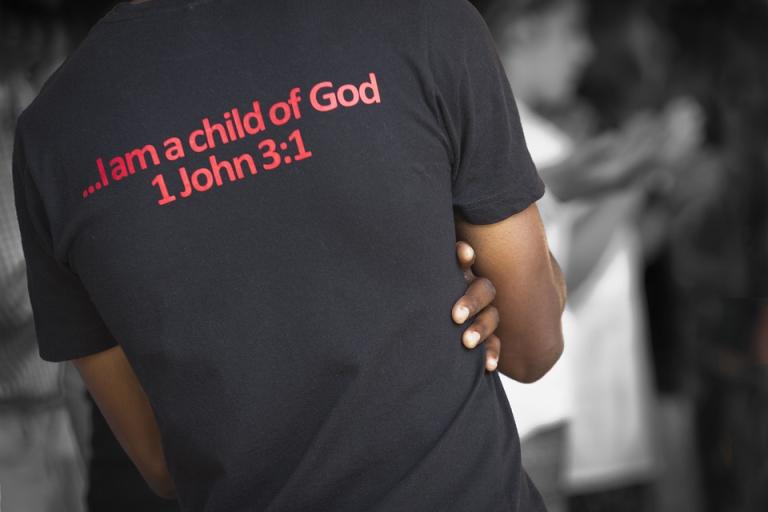
A chart featured in The Myth of Equality compares the amount of time that slavery and segregation have been legal realities in the United States to the amount of time they have not. Slavery existed in America for 246 years, including the time before the United States achieved independence. Segregation existed legally for another 99 years following the abolition of slavery, meaning that minorities, especially African-Americans, have had full rights in the United States for only the last 53 years. Given the how relatively recently African-Americans and other minorities achieved full legal rights, serious attention is due to the contemporary experiences of these historically disenfranchised groups. Ken Wytsma’s The Myth of Equality: Uncovering the Roots of Injustice and Privilege asks American Christians to grapple with some ugly realities.
The Myth of Equality is the latest book on race and minority experiences in America from Intervarsity Press, which has produced a series of solid titles in this area in the last few years. While previous titles from IVP, such as David P. Leong’s excellent Race and Place, have dealt with specific issues related to race in America, Wytsma’s book provides a broad overview of a multitude of problematic aspects of American society. The prison population, redlining, income inequality, and diversity among Christian event speakers all receive attention over the course of the book. Wytsma’s scope is large, but not in such a way that the discussion feels shallow or unsubstantial.
The book provides a solid introduction to contemporary issues related to race in America and the need for response from churches and individual Christians. Wystma’s tactic of blending history, Bible, and experience helps build a holistic case for Christian involvement in contemporary dialog issues related to race and ethnicity. The primary audience for this book seems to be Christians new to this conversation and unsure of its necessity, as well as those seeking to explain these issues to people who may be unaware and skeptical.
With this audience in mind, Wystma does a masterful job of anticipating and answering possible objections to his project. He regularly raises and answers “questions you aren’t supposed to ask” about race, America, and the Church. Isn’t it be better to be “colorblind” than to keep bringing these issues up? Are we dwelling too much on the past when we talk about slavery and segregation? Why haven’t I (a white male) benefitted from so-called “white privilege”? Wystma regularly voices questions such as these and answers them respectfully and thoughtfully, realizing that many American Christians have reservations about entering these conversations. His grace and solid responses are always compelling and thought-provoking.
The Myth of Equality helpfully deconstructs notions that prevent people from having these difficult conversations- the idea that we are a “post-racial” society, that racism is “in the past,” or that racial equality has been achieved in the United States. Wystma compellingly makes his case while demonstrating why Christians have a particular responsibility to seek racial justice. Those looking for a resource to help start dialog and positive action in a Christian setting will find a great resource in The Myth of Equality.
Special to Patheos from Jake Raabe

Next Post

July 19, 2017 "Movies Are Prayers": A New Way of Discussing Film
Browse Our Archives
Select a Category Author Q&A Book Review Christian Living Church Leadership Stump a Scholar Theology Uncategorized
Select a Month June 2022 March 2021 October 2020 August 2020 February 2019 November 2017 July 2017 June 2017 May 2017 March 2017 February 2017 January 2017 November 2016 October 2016 August 2016 July 2016 June 2016 May 2016 April 2016 March 2016 February 2016 January 2016 November 2015 October 2015 September 2015 August 2015 July 2015 June 2015 May 2015 April 2015 March 2015 February 2015 January 2015 December 2014 November 2014 October 2014 September 2014 August 2014 July 2014 June 2014 May 2014 April 2014 March 2014 February 2014 January 2014 December 2013 November 2013 October 2013 September 2013 August 2013 July 2013 June 2013 May 2013 April 2013 March 2013 February 2013 January 2013 December 2012 November 2012 October 2012 September 2012 August 2012 July 2012 June 2012 May 2012 April 2012 March 2012 February 2012 January 2012 December 2011 November 2011 October 2011 September 2011 August 2011 July 2011 June 2011 May 2011 April 2011 March 2011 February 2011 January 2011 December 2010 November 2010 October 2010 September 2010 August 2010 July 2010 June 2010
Follow Us!
TAKE THE
Religious Wisdom Quiz
True or False: Romans teaches that all Israel will be saved.
Select your answer to see how you score.
TRUE FALSE
Related posts from Take and Read

From Newark to the Throne Room

Finding Inspiration in "Where Angels Walk"

Happiness Is Found Outside of Our Comfort Zones

Symbols of Faith in "Take the Flag"
TRENDING AT PATHEOS Religious Music & Entertainment

"Les Diabolique" and Transgression
Alongside something like Arrival, Vertigo, or Charade, Les Diaboliques is a...

"The Plague Dogs" and Mortality
So, flashback to the late 70s, early 80s. Walt Disney Studios is...

With the recent and highly successful release of Christopher Nolan’s epic film,...

"L'avventura" and Human Weakness
Today's piece is going to be a little different for a few...

I first want to apologize for not posting or writing anything. I'm...

I've engaged in the multi-year project of reading through the Church Fathers,...
view all Religious Music & Entertainment blogs
Ad-Free & Subscriber Log-In Subscription Support
- About Us
- 2026 Calendar
- Videos
- Podcasts
- Library of World Religions
- Faith In Media Tracker
- Advertise With Us
- Write for Us
- Privacy Policy
- Terms of Service
- Do Not Sell My Data
- Contact Us
- Radiant Digital
- Manage Newsletter Subscriptions
- Unsubscribe From Notifications
- Sitemap
Copyright 2008-2026, Patheos. All rights reserved.
Subscription Support Ad-Free & Subscriber Log-In
Follow Patheos