
BuddhistCatholicContemplativeEvangelicalGeneral ChristianHinduJewishLatter-day SaintMuslimNew VisionsProgressive Christian
Beliefs
- Buddhist
- Catholic
- Contemplative
- Evangelical
- General Christian
- Hindu
- Jewish
- Latter-day Saint
- More Voices
- Muslim
- New Visions
- Pagan
- Progressive Christian
Topics
- Religion News
- Food and Religion
- Sports and Religion
- Religious Art
- Religious Music and Entertainment
- Religious Events
- History and Religion
- Style and Religion
- Politics and Religion
- Women in Religion
- Recreation Outdoors and Religion
- Business Finance and Religion
- Careers Workplace and Religion
- Education and Religion
- Family Parenting and Religion
- Health Fitness and Religion
- Home and Religion
- Relationships and Religion
- Technology and Religion
- Travel and Religion
Columnists
- Buddhist Columnists
- Business Finance and Religion Columnists
- Careers Workplace and Religion Columnists
- Catholic Columnists
- Contemplative Columnists
- Education and Religion Columnists
- Evangelists Columnists
- Family Parenting and Religion Columnists
- General Christian Columnists
- Health Fitness and Religion Columnists
- Hindu Columnists
- History and Religion Columnists
- Home and Religion Columnists
- Jewish Columnists
- More Voices Columnists
- Latter Day Columnists
- Muslim Columnists
- New Visions Columnists
- Nonreligious Columnists
- Pagan Columnists
- Politics and Religion Columnists
- Progressive Columnists
- Recreation Outdoors and Religion Columnists
- Relationships and Religion Columnists
- Religion News Columnists
- Religious Art Columnists
- Religious Events Columnists
- Religious Music and Entertainment Columnists
- Sports and Religion Columnists
- Style and Religion Columnists
- Technology and Religion Columnists
- Travel and Religion Columnists
- Women in Religion Columnists
Resource Library
- 2026 Calendar
- Library of World Religions
- The 100 Most Holy Places on Earth
- Patheos Answers
- Podcasts
- Videos
- Faith Leaders Database
- Anglican Episcopalian
- Bahai
- Baptist
- Buddhism
- Christianity
- Confucianism
- Eastern Orthodoxy
- Hinduism
- Holiness and Pentecostal
- ISKCON
- Islam
- Judaism
- Lutheran
- Methodist
- The Church of Jesus Christ of Latter-day Saints
- New Age
- Paganism
- Presbytarian and Reformed
- Protestantism
- Religion Behind the Scenes
- Roman Catholic
- Scientology
- Shia Islam
- Sikhism
- Sufism
- Sunni Islam
- Taoism
- Zen
- See all religions
Research Tools
 Ad-Free & Subscriber Log-In Subscription Support
Ad-Free & Subscriber Log-In Subscription Support
Follow Patheos 

- Trending:
- Forgiveness
- |
- Marriage
- |
- Consciousness
- |
- Death Penalty
- |
- Election
- |
- Halloween
 suspended in her jar
- Home
- Catholic
- Making a Difference: Reflections on Pope Francis’ 2021 World Day of Peace Message
Making a Difference: Reflections on Pope Francis’ 2021 World Day of Peace Message
Last updated on: January 8, 2021 at 10:42 pm by Guest Contributor
Making a Difference: Reflections on Pope Francis’ 2021 World Day of Peace Message 2021-01-08T22:42:16-04:00 Guest Contributor
Patheos Explore the world's faith through different perspectives on religion and spirituality! Patheos has the views of the prevalent religions and spiritualities of the world.
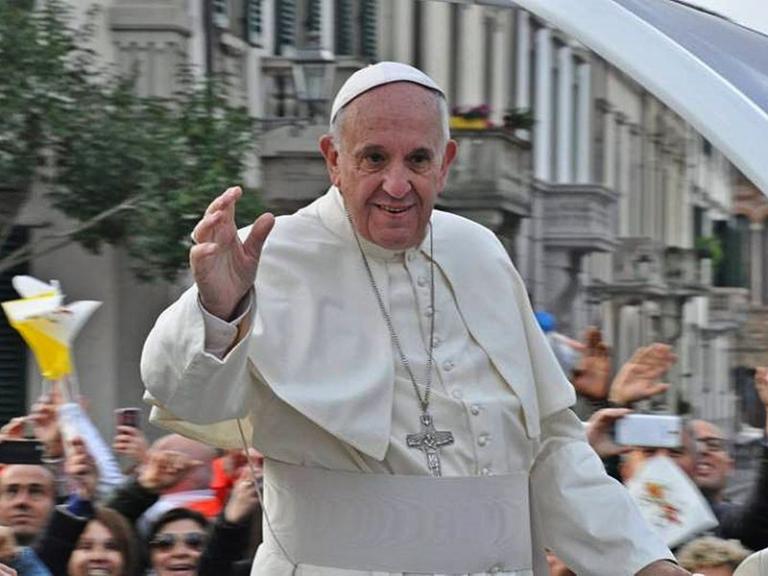
by guest writer Tony Magliano
If ever there was a time to unleash the Catholic Church’s “secret weapon,” it’s now!
This nonviolent weapon if consistently used would have tremendous power to neutralize evil forces – which Pope Francis laments sadly continue to inflict grave harm even during this pandemic – like “nationalism, racism and xenophobia, and wars and conflicts that bring only death and destruction in their wake.”
In his Jan. 1, 2021 World Day of Peace message titled “A Culture of Care as a Path to Peace”, Pope Francis writes “These and other events that marked humanity’s path this past year have taught us how important it is care for one another and creation in efforts to build a more fraternal society … a culture of care as a way to combat the culture of indifference, waste and confrontation so prevalent in our time.”
And the Holy Father explains that the foundation for a culture of care should be based on what is unfortunately known as the church’s best kept secret – that is, the social doctrine of the church or better known as Catholic social teaching (CST). This nonviolent powerful secret weapon of the Catholic Church needs to be discovered by every Catholic and zealously applied to the problems facing our sick and wounded world.
In “A Culture of Care as a Path to Peace,” Pope Francis writes that the Catholic Church’s social “doctrine is offered to all people of good will as a precious patrimony of principles, criteria and proposals that can serve as a ‘grammar’ of care: commitment to promoting the dignity of each human person, solidarity with the poor and vulnerable, the pursuit of the common good and concern for protection of creation.”
Francis reminds us that the Catholic social teaching principle of respect for the dignity of every human being insists that “Each human person is an end in himself or herself, and never simply a means to be valued only for his or her usefulness.” This all inclusive moral principle demands that everyone, regardless of her/his physical or mental condition, must be afforded the full range of protection and assistance deserving a human being made in the imagine and likeness of God. It underscores that truth of our faith that no human being is expendable – not the unborn, not the sick, not the elderly, not the homeless, not the migrant, not the poor, not those who are different, not the war-torn and not even the enemy.
In the Holy Father’s further explanation of how Catholic social teaching is a priceless tool to help build the culture of care he moves on to highlight other CST principles: care and protection of creation, the common good and solidarity.
Quoting St. Pope John Paul II, Francis writes that solidarity is a “firm and preserving determination to commit oneself to the common good; that is to say to the good of all and of each individual, because we are all really responsible for all.”
One important way you can help build the culture of care is to email your members of Congress urging that they provide no less than $20 billion for the next international funding bill to prevent and respond to COVID-19 around the world (please complete this form).
All of us together with Pope Francis can build “A Culture of Care as a Path to Peace.” But doing so requires a commitment to a new way of thinking, feeling, judging and acting – a new way as ancient as the ever fresh Gospel and its modern application as found in Catholic social teaching (see resources here and here).
Now that’s a new year’s resolution worth keeping!
image credit: Pope_Francis_in_Prato_87.jpg
Previous Post

January 7, 2021
A Martyrdom Of Our Own Making
Browse Our Archives
Select a Category abortion anti-semitism art Atwood Betrothed church clergy abuse coronavirus culture economics education environmentalism ethics faith family feminism gardening gun violence immigration Judaism literature MaddAddam New Pro Life Movement news pandemic personalism poem politics politics blue Pope Francis racism religion salvation sexuality social justice spirituality Station eleven Stephen King The Stand Trump Uncategorized war World Health Organization
Select a Month March 2021 February 2021 January 2021 December 2020 November 2020 October 2020 September 2020 August 2020 July 2020 June 2020 May 2020 April 2020 March 2020 February 2020 January 2020 December 2019 November 2019 October 2019 September 2019 August 2019 July 2019 June 2019 May 2019 April 2019 March 2019 February 2019 January 2019 December 2018 November 2018 October 2018 September 2018 August 2018 July 2018 June 2018 May 2018 April 2018 March 2018 February 2018 January 2018 December 2017 November 2017 October 2017 September 2017 August 2017 July 2017 June 2017 May 2017 April 2017 March 2017 February 2017 January 2017 December 2016 November 2016 October 2016 September 2016 August 2016 July 2016 June 2016 May 2016 April 2016 March 2016 February 2016
Follow Us!
TAKE THE
Religious Wisdom Quiz
What Christian group commonly uses the Book of Common Prayer?
Select your answer to see how you score.
Presbyterians Methodists Anglicans Lutherans
Support this
Column


Related posts from suspended in her jar

Immigrants: They Need Us, and We Need Them

Four Takeaways from Oprah’s Interview with the Duke...

Catholics Are De-Toxing From their Experiences With Traumatic...

How Has the Pandemic Changed Us? Has It...
TRENDING AT PATHEOS Catholic

Rejecting Doom: Christian Hope And Human Action
Christianity is a religion of hope. We are to have hope and...

It’s What Comes From Within Which Matters
One of the most difficult things for us to understand is why...

Why I Choose the Eucharist Over the Sermon
Choose the Eucharist, Not the Sermon What are we supposed to get...

5 Design Elements Found in Spiritually Rooted Homes
Putting Spirituality Into Home Decor Our homes are more than our living...

Credo: A Story of God Told with the...
About 10 years ago, I began to imagine a personal "Credo" that...

The Anatomy of Divine Revelation in Catholic Thought
The claim that God has made Himself known to human beings is...
view all Catholic blogs
Ad-Free & Subscriber Log-In Subscription Support
- About Us
- 2026 Calendar
- Videos
- Podcasts
- Library of World Religions
- Faith In Media Tracker
- Advertise With Us
- Write for Us
- Privacy Policy
- Terms of Service
- Do Not Sell My Data
- Contact Us
- Radiant Digital
- Manage Newsletter Subscriptions
- Unsubscribe From Notifications
- Sitemap
Copyright 2008-2026, Patheos. All rights reserved.
Subscription Support Ad-Free & Subscriber Log-In
Follow Patheos